
Practical
Tanzania Weather in December 2026: 31°C Days, Easing Rains & Christmas Prices
Tanzania in December: 31°C on Zanzibar, rains easing by mid-month, Christmas surcharges from 22 December. Worth it if you book early and avoid peak week.
Tanzania e-visa costs, Serengeti and Kilimanjaro permit fees, Zanzibar ferry routes, shilling exchange, and safari safety - practical planning covered.
Visa and entry: Most nationalities including US, UK, EU, Canada, and Australia require an e-visa, applied for online at the Tanzania Immigration portal before travel. Single-entry tourist visas cost $50 for most nationalities; US citizens pay $100. The East African Tourist Visa ($100) covers Tanzania, Kenya, and Uganda on one permit - significantly better value for multi-country itineraries. Yellow fever vaccination is compulsory if you are arriving from a country on the WHO's yellow fever risk list.
Money: The Tanzanian shilling (TZS) is the local currency, but US dollars are widely accepted across the tourism sector for park fees, lodge deposits, and tour payments. Carry crisp, undamaged USD bills - torn or pre-2009 notes are commonly refused. ATMs in Dar es Salaam, Arusha, and Zanzibar Stone Town are reliable; carry some USD cash as a backup in remote areas. Visa and Mastercard work at larger hotels and tour operators; budget guesthouses and local transport require cash.
Getting around: Dar es Salaam to Arusha by coach takes 8–10 hours with Kilimanjaro Express or Dar Express ($12–18 per seat); the overnight service saves a day. Domestic flights on Air Tanzania, Precision Air, and Auric Air connect Dar es Salaam, Kilimanjaro International Airport (for Arusha and the Northern Circuit), Zanzibar, and safari airstrips. Zanzibar ferries run multiple times daily from Dar es Salaam: economy class is around $35, VIP class $85–100; book in advance during peak season (July–August, December–January). In cities, Bolt operates in Dar es Salaam and is more reliable than street taxis.
Health: Malaria is present year-round in low-lying areas including Zanzibar and the coast; prophylaxis (malarone or doxycycline) and DEET-based repellent are strongly recommended. Altitude sickness is a real risk on Kilimanjaro above 3,500 metres - no medication substitutes for an adequate acclimatisation schedule. Tap water is not safe to drink outside of lodges that filter it; bottled water is widely available at around 1,000 TZS ($0.40).
Best time to visit: June–October (long dry season) is the peak period for wildlife and trekking - dry trails, concentrated game, and the Great Migration river crossings. December–February (short dry season) is quieter with good game viewing and 20–30% lower lodge rates. March–May is the long rains: road access to some parks becomes difficult, a portion of tented camps close, but the camps that remain open reduce prices by 30–50%.
Tanzania in December: 31°C on Zanzibar, rains easing by mid-month, Christmas surcharges from 22 December. Worth it if you book early and avoid peak week.

Tanzania in November: 28°C Serengeti days, afternoon vuli showers and 30-50% lodge discounts. Worth it for birders, Ngorongoro and Mafia whale sharks.
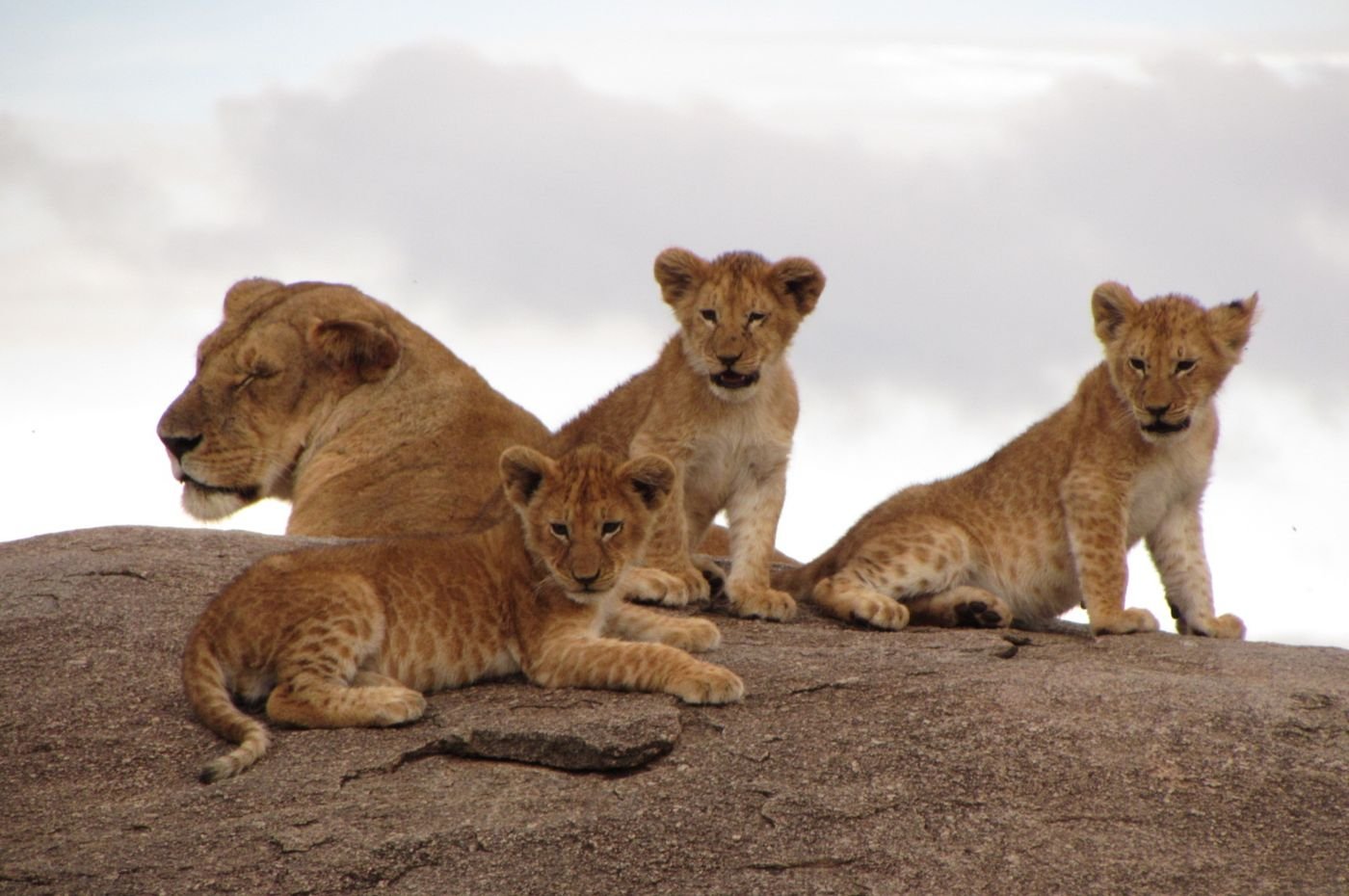
Planning Tanzania with kids: minimum ages, child visa and Zanzibar insurance rules, short-drive parks, family lodges, malaria and a 7-day plan.

Tanzania at Christmas and New Year 2026-27: peak surcharges, where to go (Ndutu, Zanzibar, Kilimanjaro), what is open and how to book early. Plan ahead.

Zanzibar in December 2026: 30-32°C days, short rains fading, Christmas hotel surcharges and which beaches work best. Book early for 22 December onward.
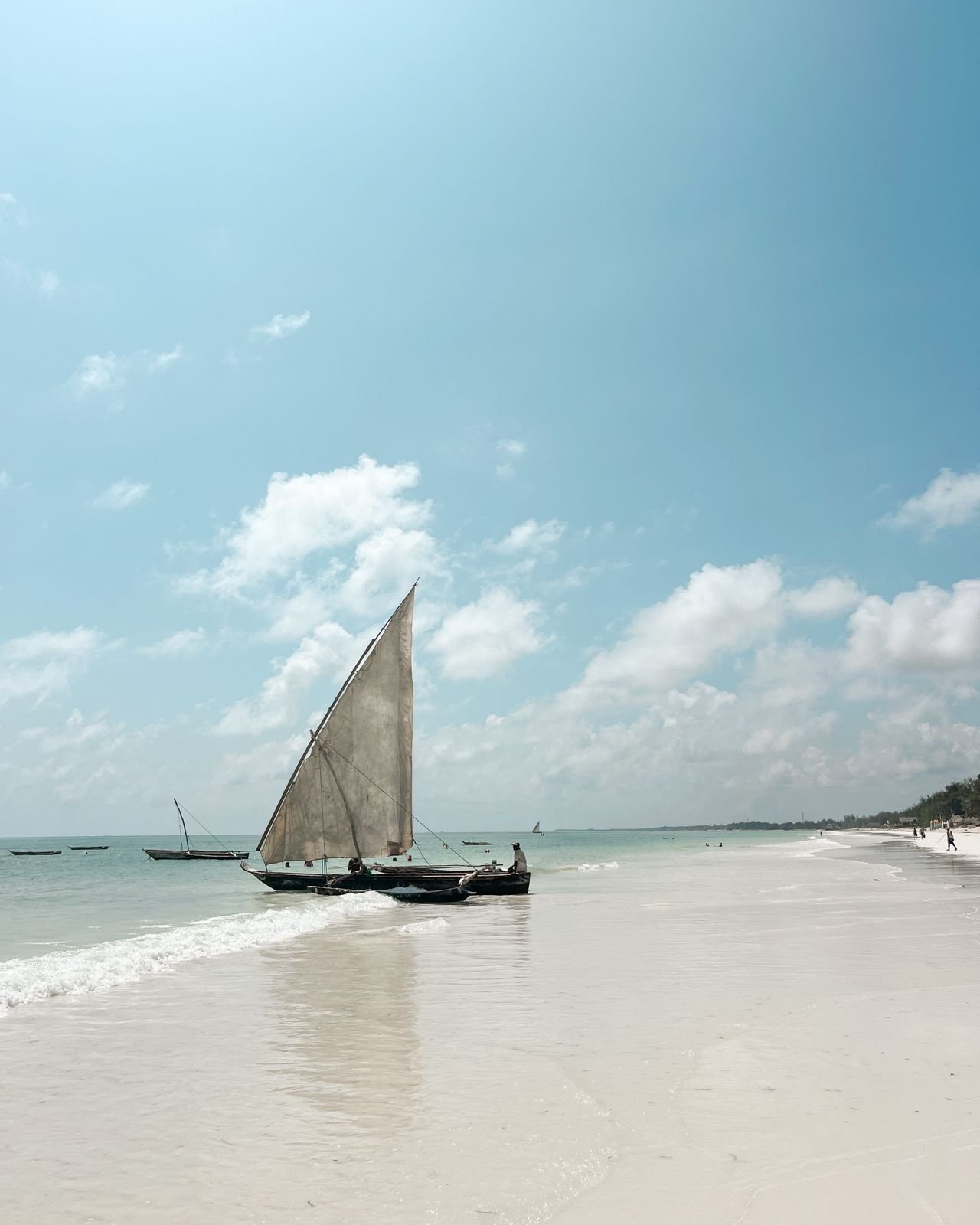
Zanzibar in January 2027: hot, dry and calm with 30-33°C days, lower prices after 5 January and clear diving. Which beaches, hotels and trips work best.
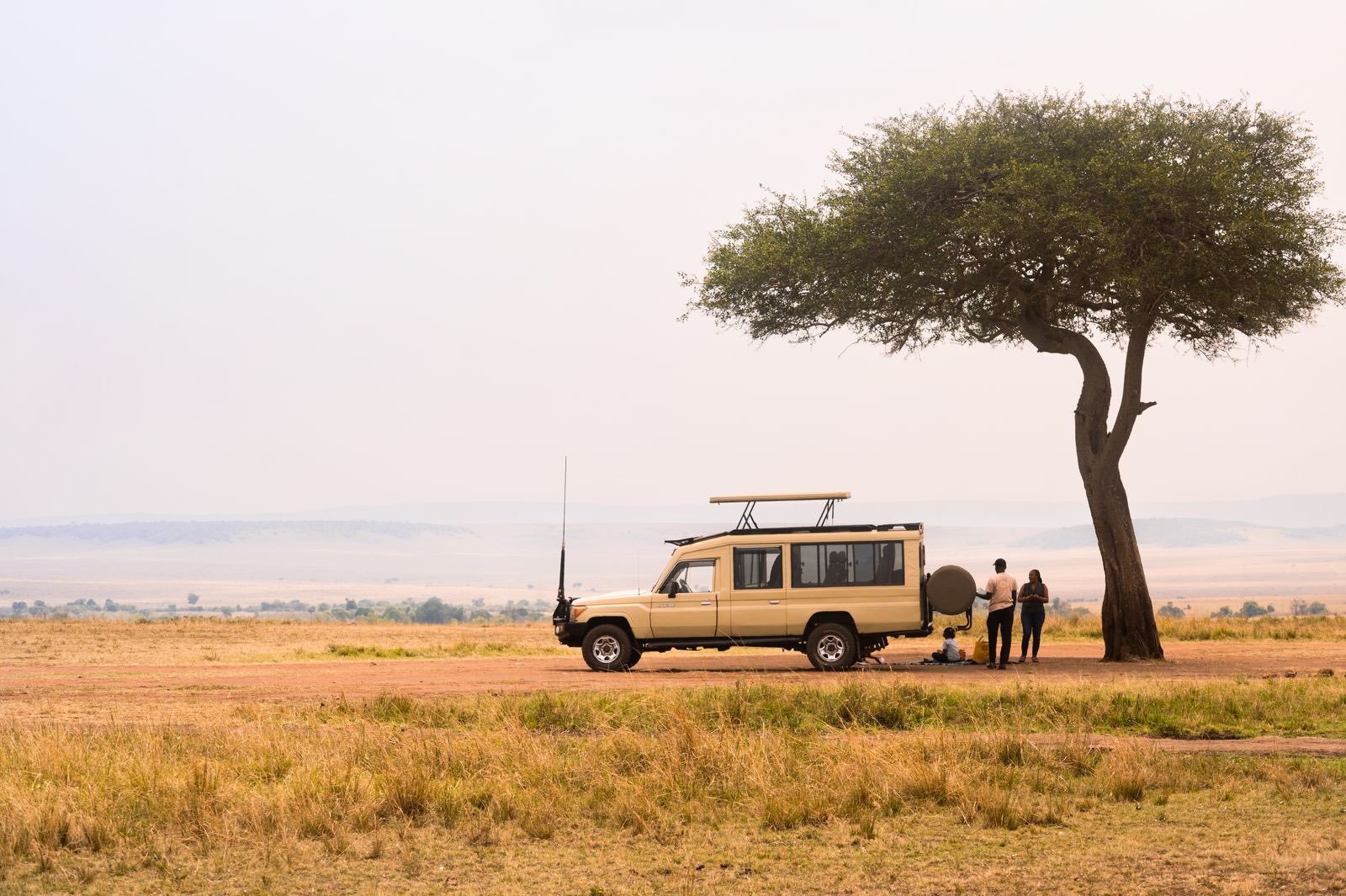
Serengeti safari packages compared by style and length: camping, lodge and luxury, group vs fly-in, with named operators and 2026 prices.
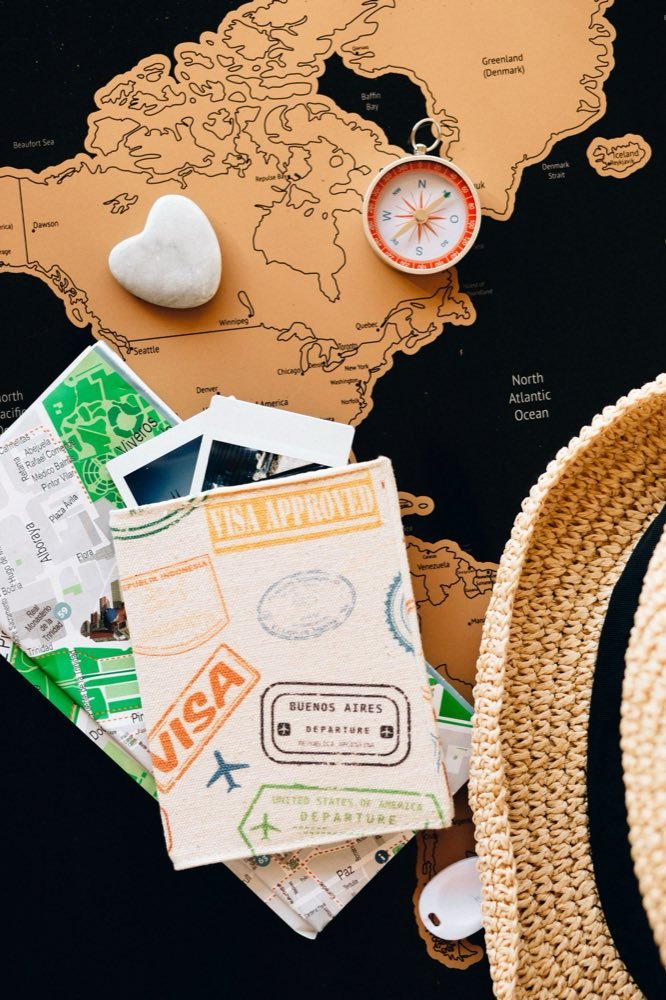
Embassy and consulate locations in Dar es Salaam for UK, US, Canadian, Australian and German travellers, plus what they can do and lost passport steps.
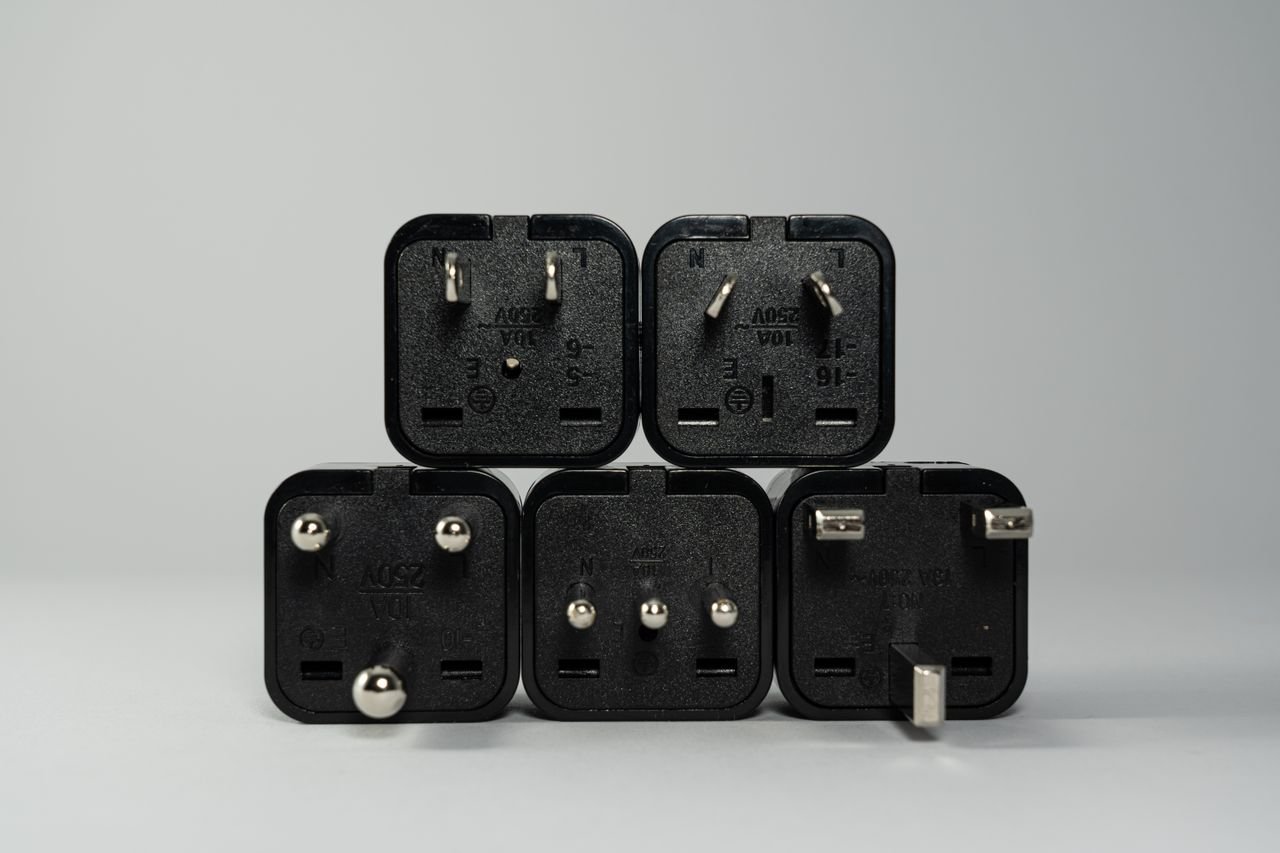
Tanzania uses Type G and D plugs at 230V and 50Hz. Which adapter to bring, how to charge on safari and Kilimanjaro, and what to do in power cuts.
Tanzania public holidays with exact dates, what closes on each, and which ones disrupt travel plans, including 2027 moveable Eid and Easter dates.
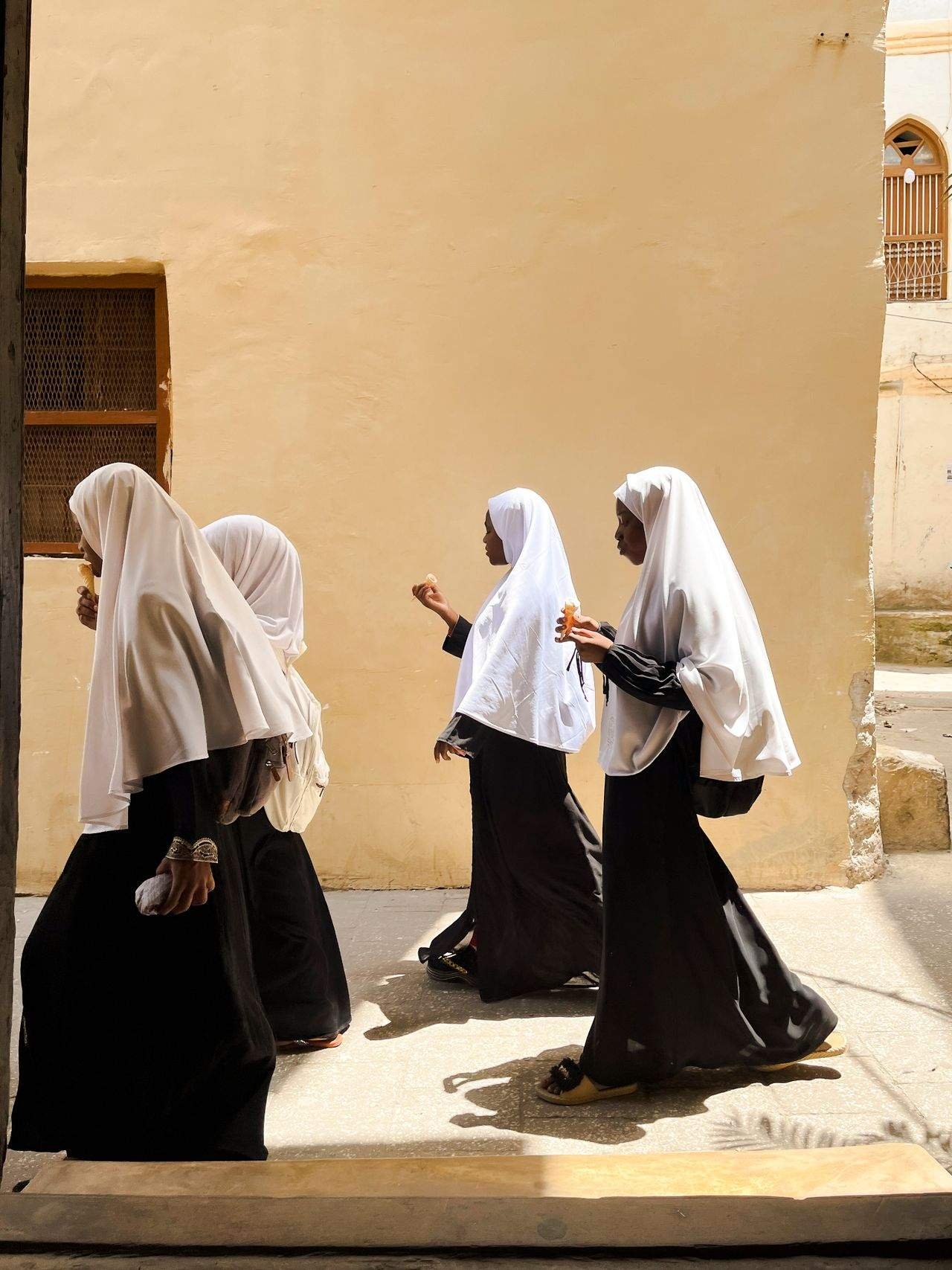
Dress codes, tipping rates, greetings, photography rules, and dining etiquette for Tanzania. Practical guidance for respectful travel.
Tanzania recorded 2.14 million international arrivals in 2024, a record high, generating $3.9 billion in revenue across the mainland and Zanzibar.
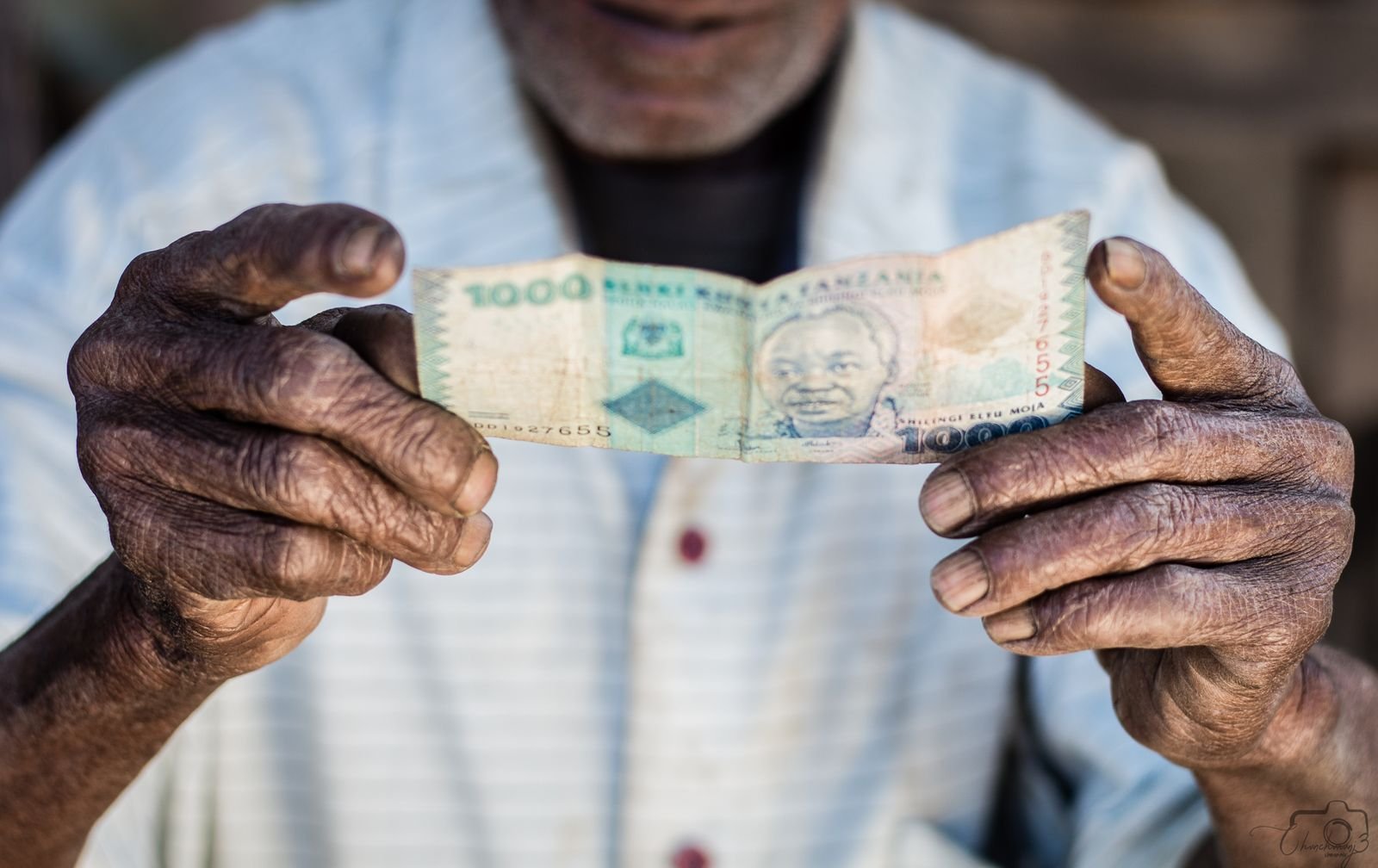
How much to tip in Tanzania, by venue type. Restaurant, safari guide, hotel, taxi, and salon amounts in Tanzanian shillings and USD.
German tour operators for Tanzania versus direct local booking: cost gap, German-speaking guide options on Kilimanjaro, and what to check before you pay.
Tanzania safari costs for German tourists: Frankfurt and Munich flights, e-visa fees, mandatory travel insurance, and a realistic total budget guide.

Tanzania in October: peak whale shark season, migration herds move south through the northern plains, and short rains arrive late in the month.
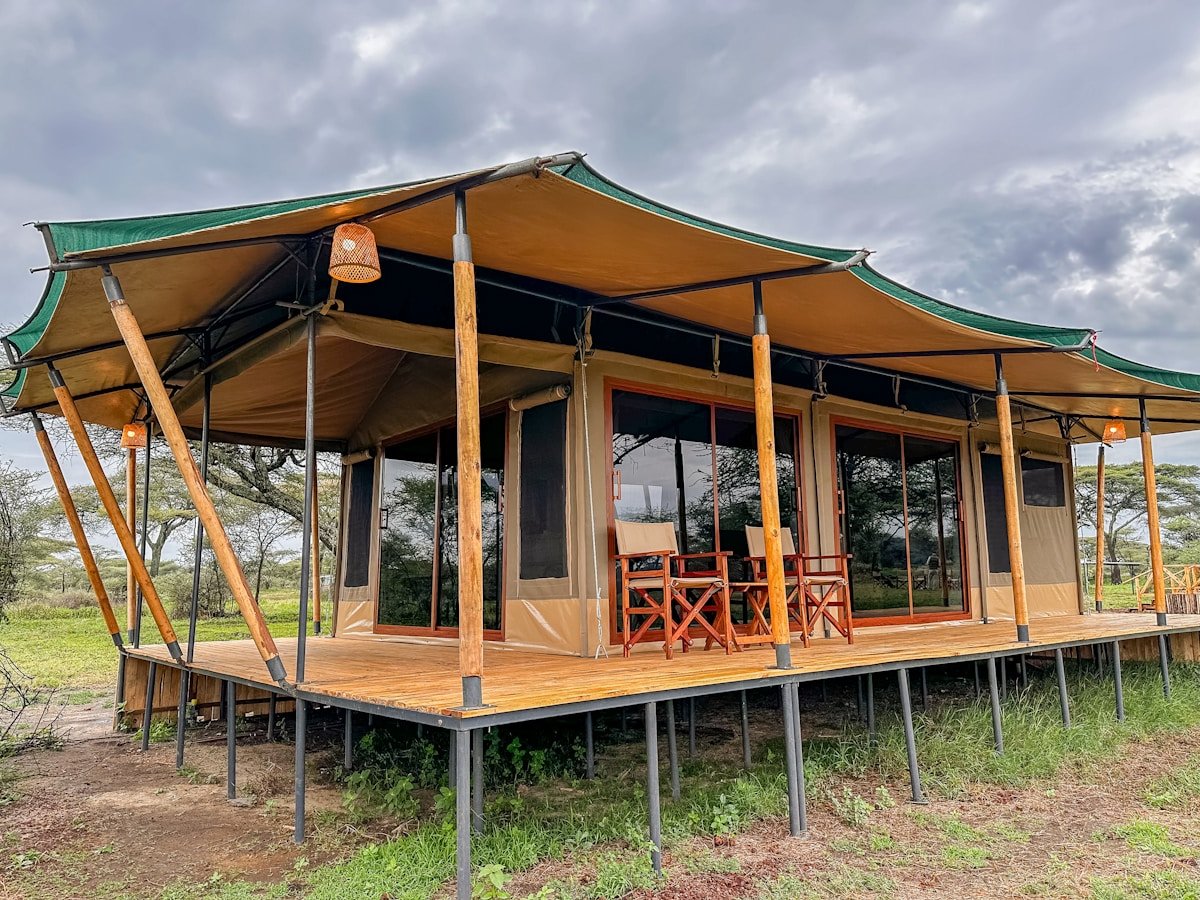
Tanzania safari costs from $150/day camping to $2,000+/night luxury: what you pay for accommodation, game drives, park fees, flights, and tipping.
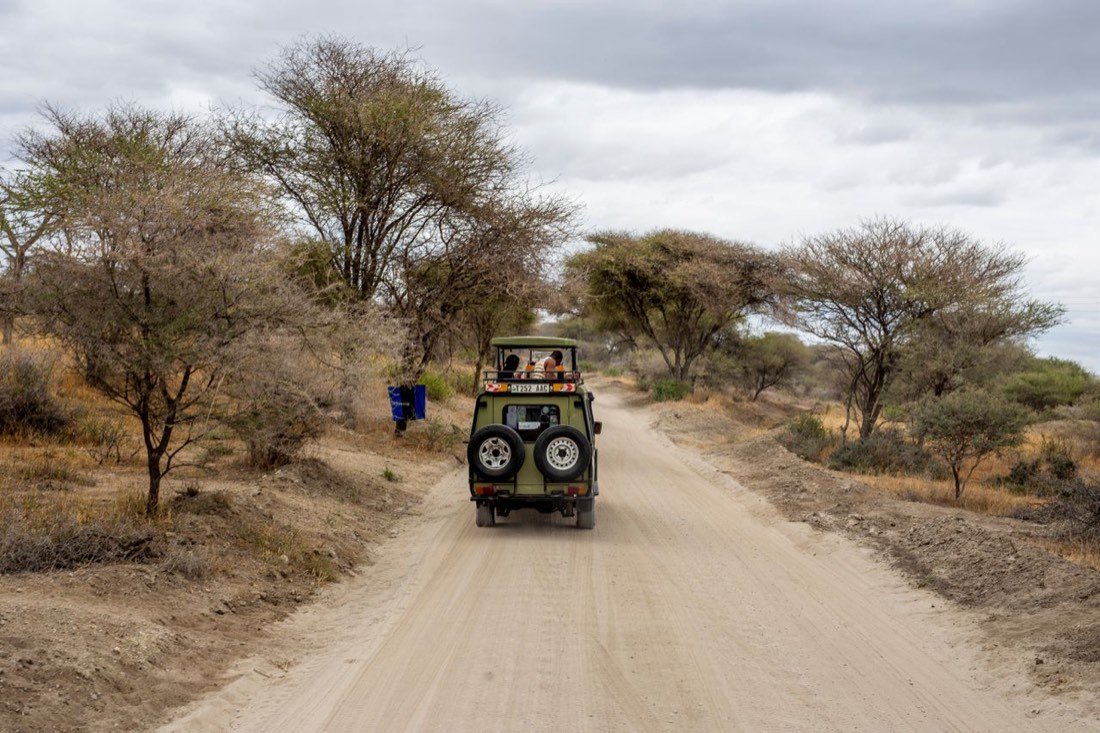
Essential Swahili words and phrases for Tanzania travellers: greetings, safari terms, shopping, transport and cultural tips from local guides.

Tanzania in September: excellent Migration crossings, peak elephant herds in the north, whale shark season on the islands, and ideal beach weather.
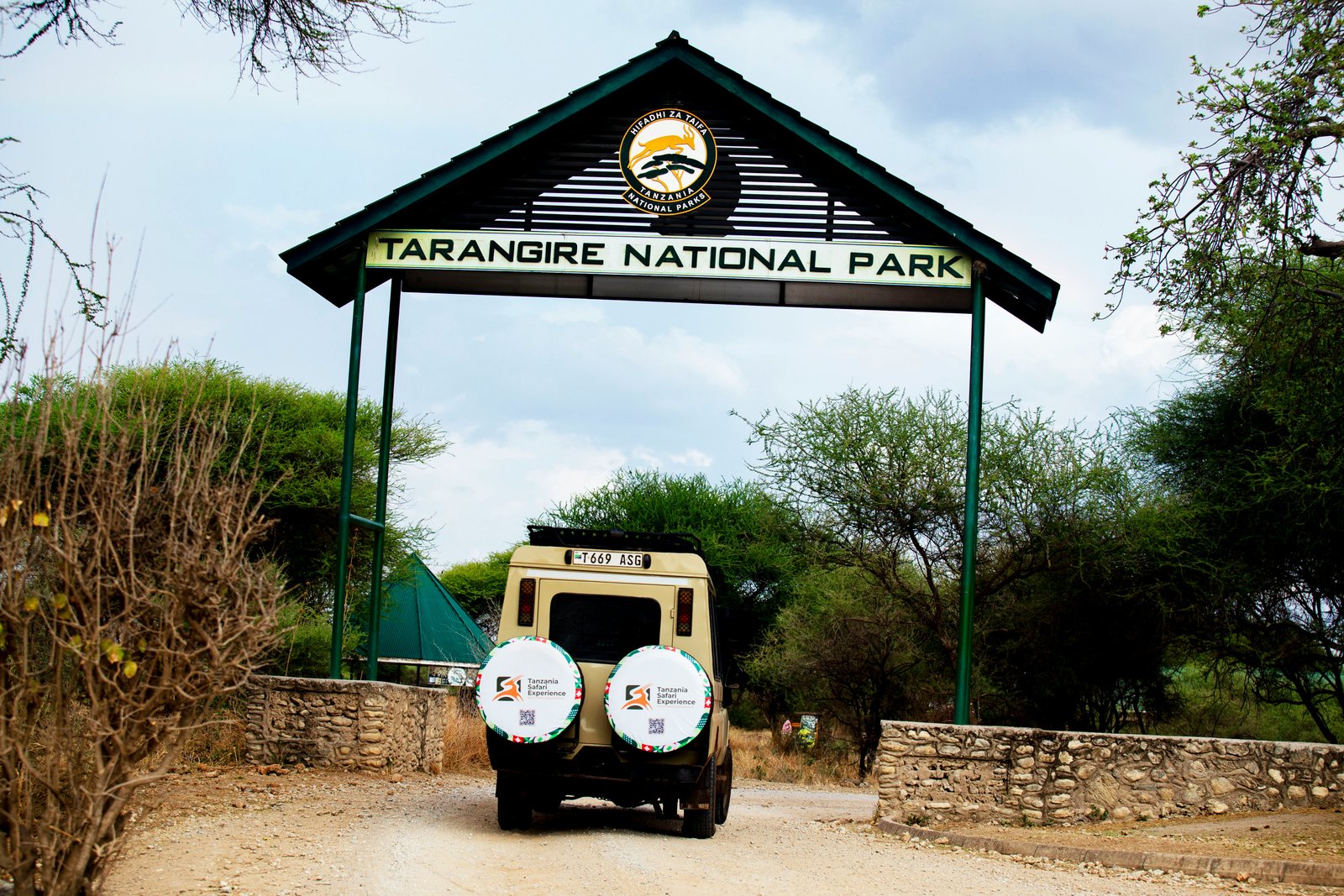
Group safaris cost $150-350/day per person; private from $400. We compare costs, flexibility, and experience to guide your Tanzania safari decision.
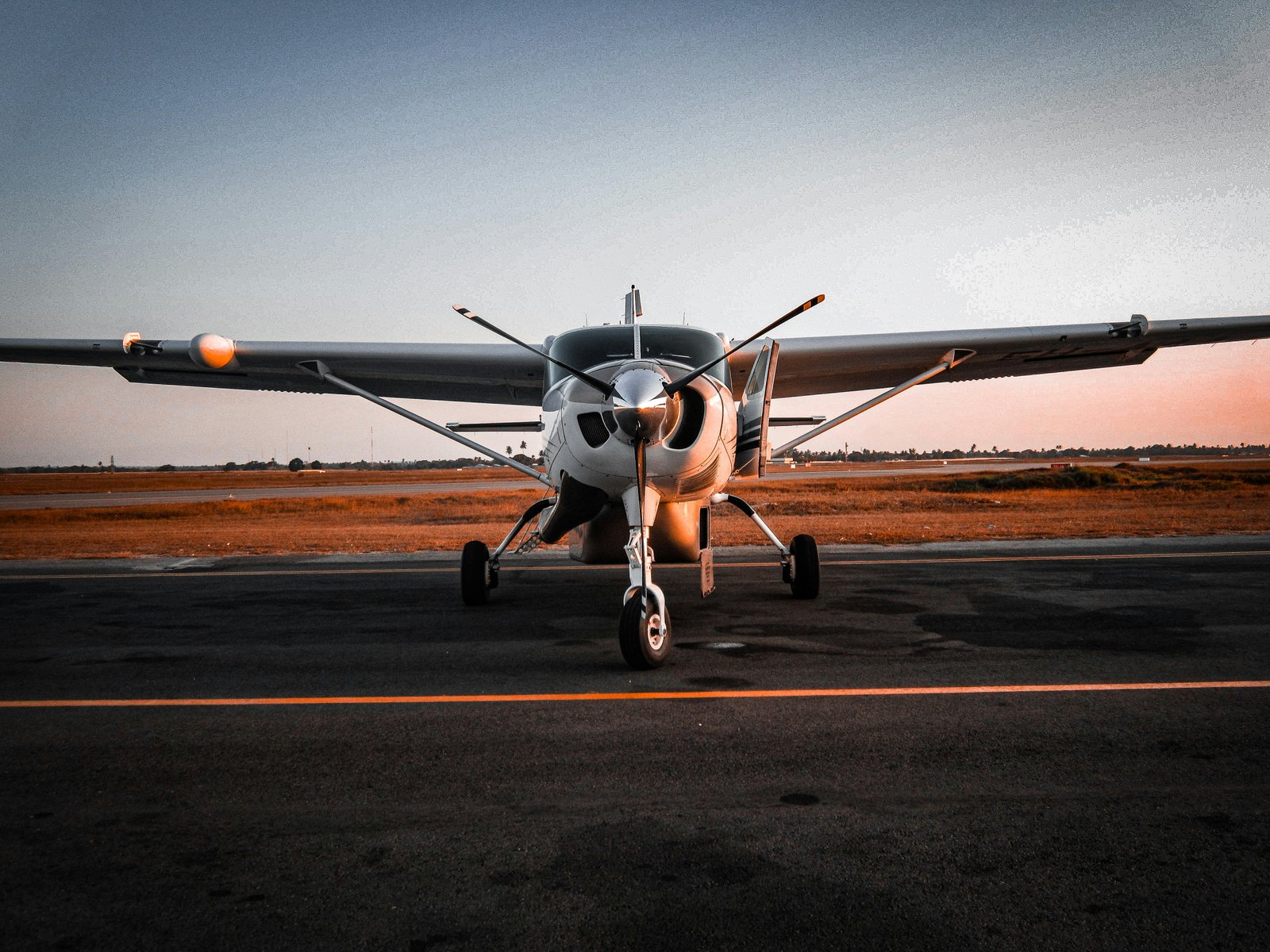
Tanzania's main entry airports, best airlines from the UK, US, and EU, domestic connections, and booking tips to save on safari flights.

Tanzania in August: peak Great Migration river crossings, superb elephant viewing in the northern parks, and dry-season conditions at their best.

Julius Nyerere Airport to Dar es Salaam city: taxi $15–25, dala-dala bus, DalaDala app, or private transfer. All options compared with costs and tips.

Kilimanjaro Airport to Arusha: shared taxi ~$25–30, private transfer ~$40–60, or shuttle. All options compared for safari travellers and climbers.

Zanzibar Airport to Stone Town: taxi ~$15–20, or pre-book a private transfer to north and east coast resorts. All options compared.
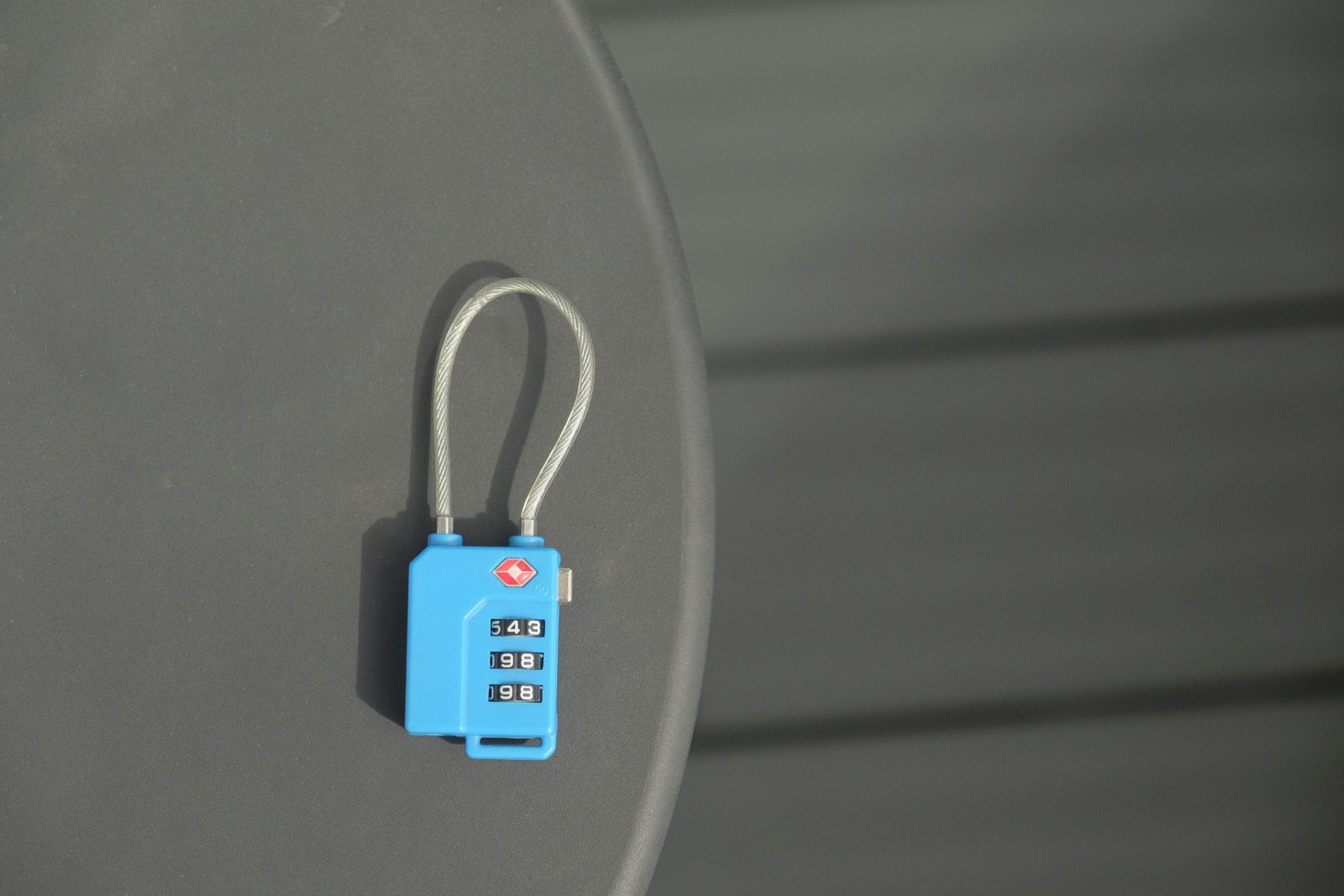
Tanzania is generally safe for tourists but petty theft, malaria, and rough roads need preparation. City hotspots, safari safety, and solo travel tips.
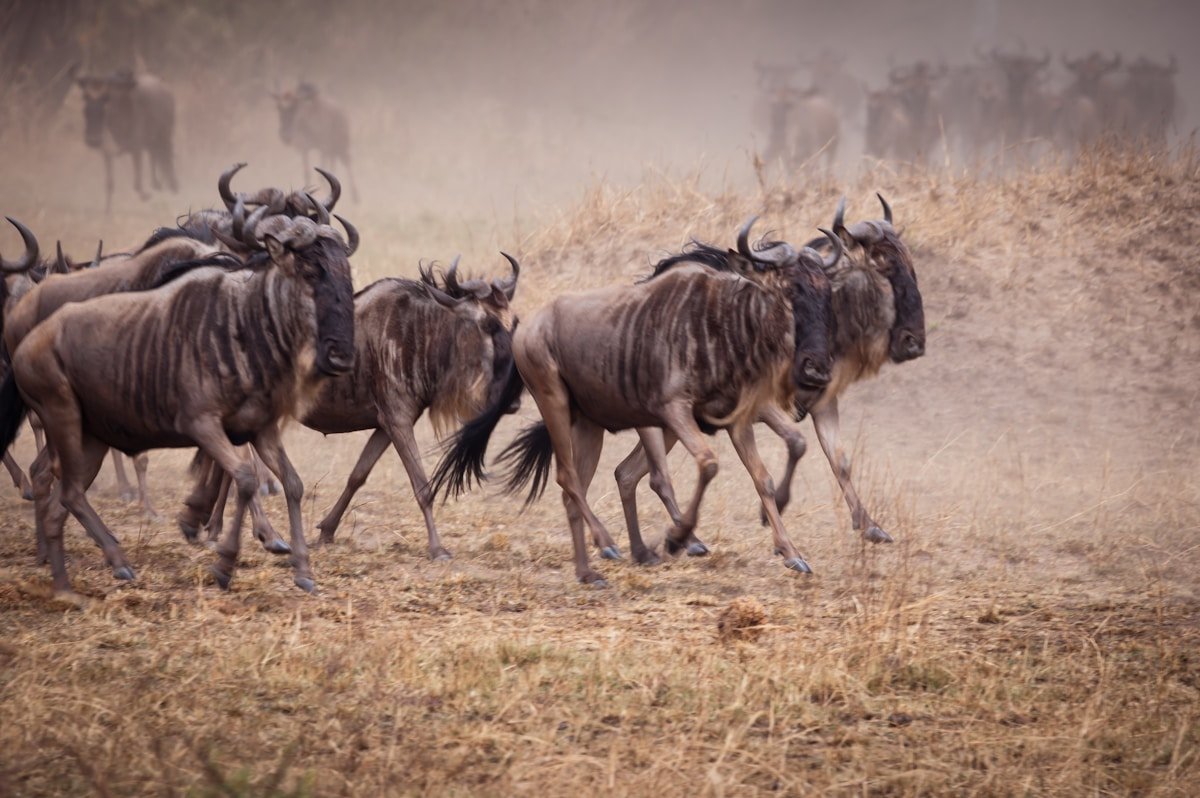
Month-by-month guide to the Great Migration: herd locations, calving season, Mara River crossings, best camps, and costs for every month.
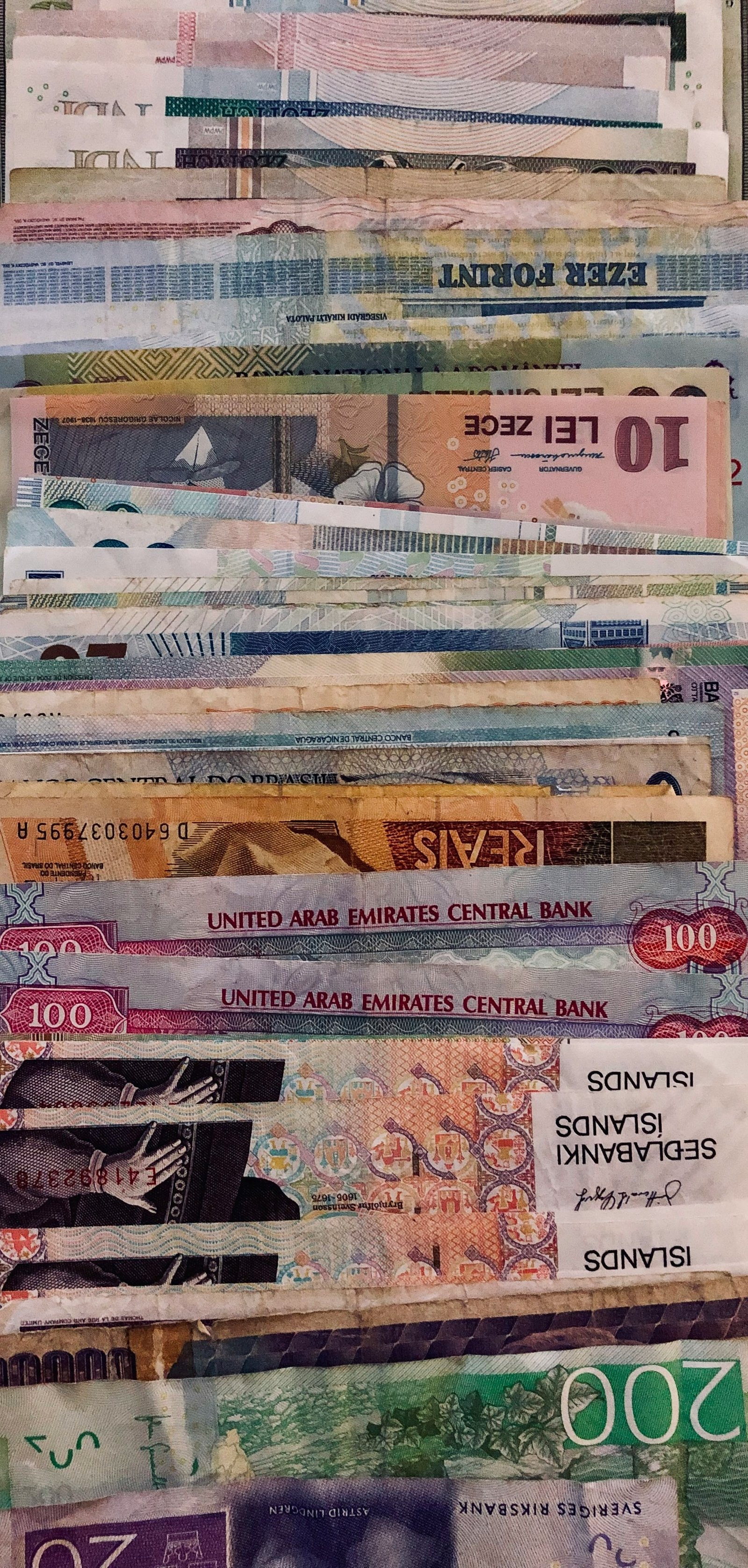
USD is widely accepted at lodges and parks, but Tanzanian shillings give better rates at markets. ATMs, M-Pesa, tipping norms, and costs covered.
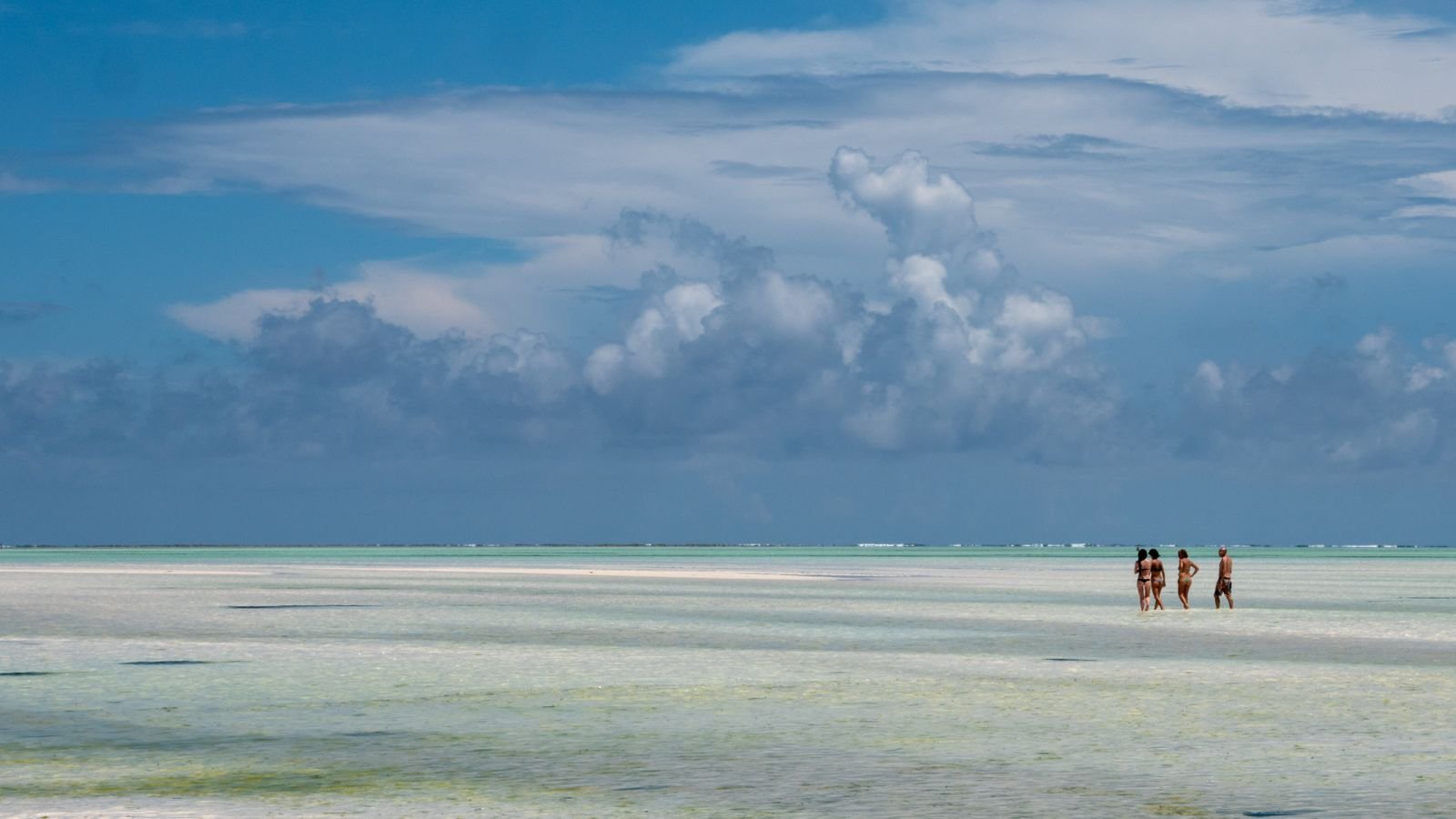
Choosing a Zanzibar beach area? Compare Nungwi, Kendwa, Paje, Matemwe, and Jambiani on vibe, swimming, diving, prices, and who each suits best.
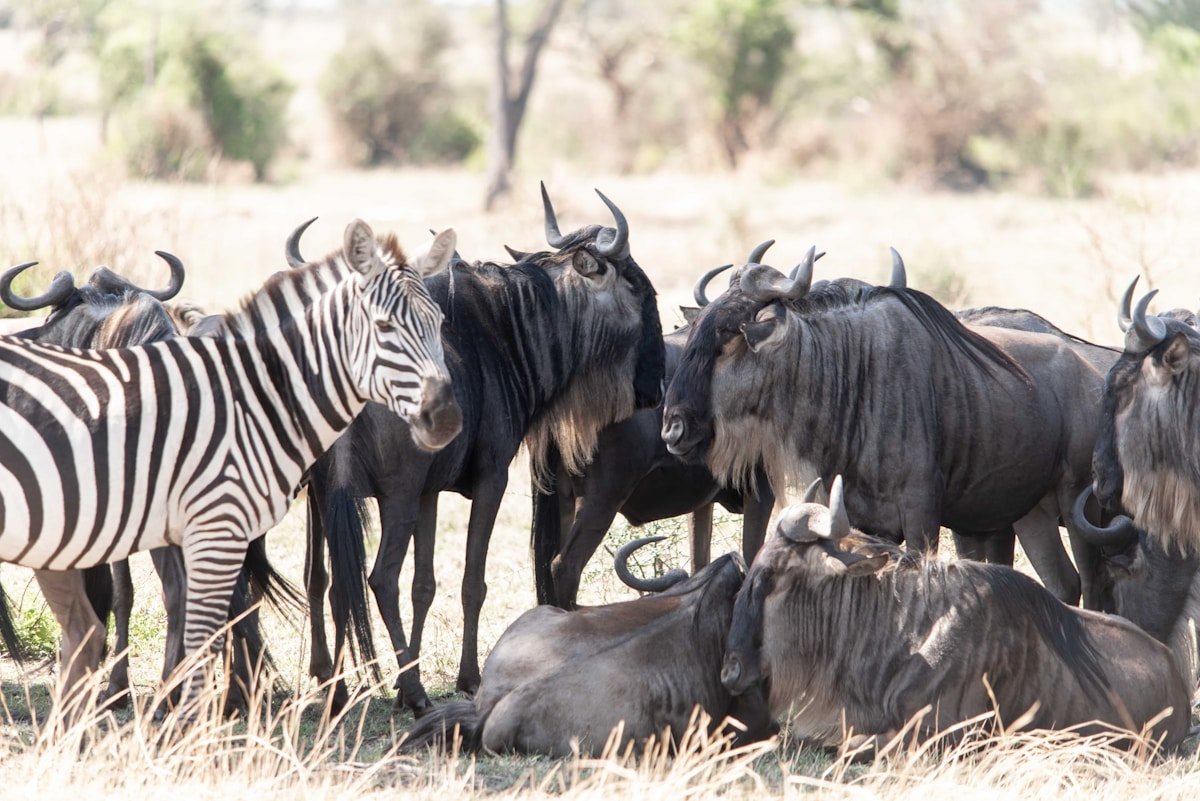
Tanzania's best safari months: June to October; Zanzibar peaks November to February. Dry vs wet season, wildlife highlights, and monthly breakdown.

Tanzania transport options: domestic flights, safari vehicles, Zanzibar ferries, buses, and car hire. Costs, booking tips, and the best choice per route.

Tanzania costs from $75/day backpacker to luxury: safari fees, national park entry, food prices, and money-saving tips broken down by budget tier.

Self-drive Tanzania in a rental 4x4 from $30/day. Which routes work, which parks allow it, and how GetRentACar compares to organised safaris.

Best Tanzania eSIM options for travellers. Airalo offers 17 plans from $4.50: full-country 4G coverage including national park zones.
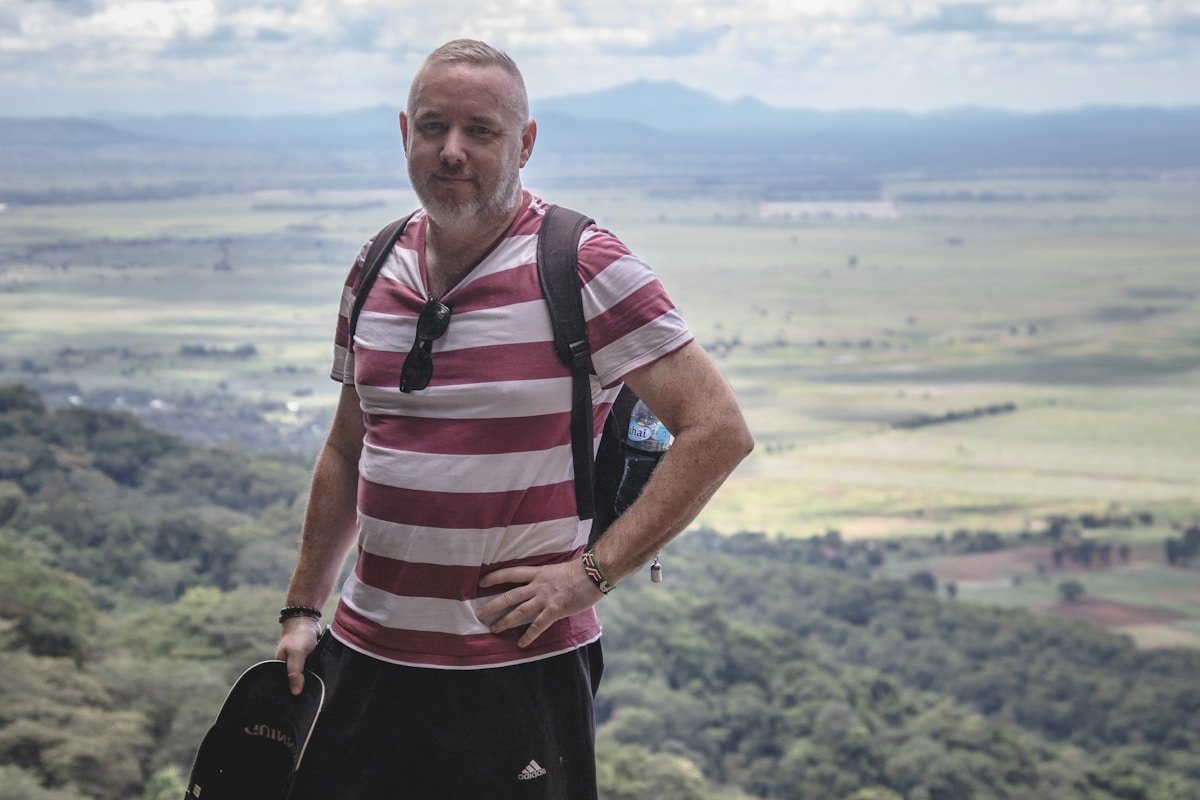
Tanzania packing list for safari, Kilimanjaro, and Zanzibar. Safari clothing, trekking gear, health supplies, tech essentials, and what to leave at home.
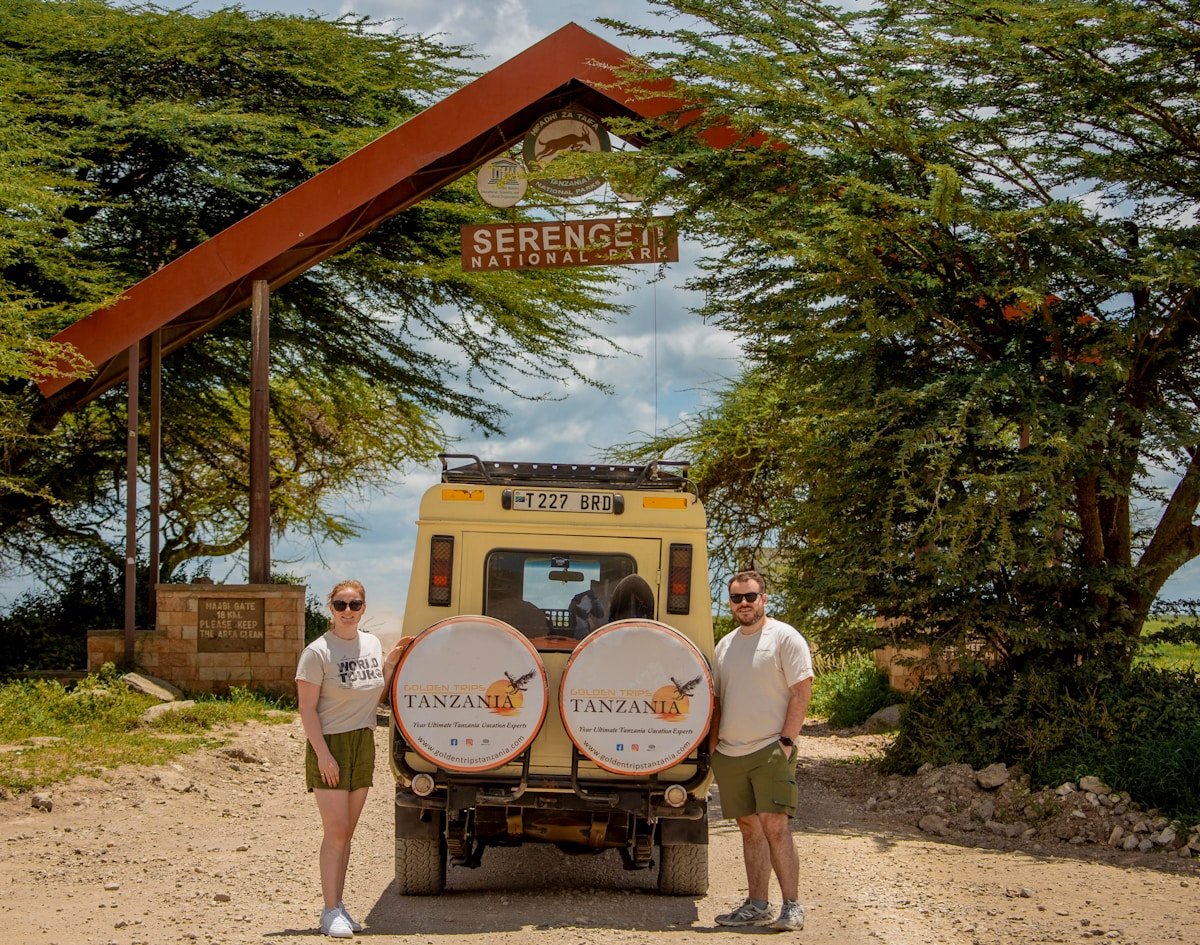
Tanzania travel insurance is now mandatory on the mainland (USD 44 NIC policy since 1 Oct 2026), plus the extra cover safaris and Kilimanjaro need.
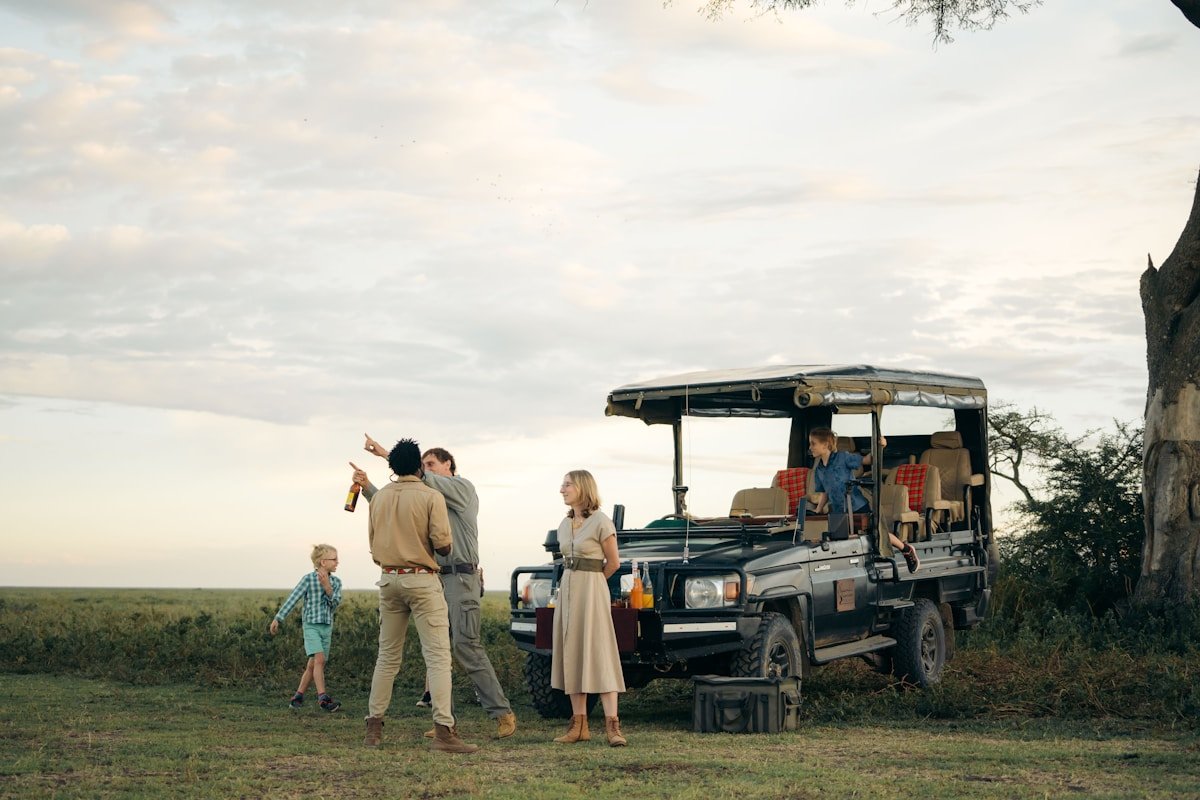
Tanzania is more straightforward than many expect. Practical guide to currency, visas, transport, health, tipping, and safety.

Tanzania requires yellow fever proof from endemic countries. Malaria, typhoid, and hepatitis A also recommended. Requirements and travel clinic timing.

Everything you need to know about getting a Tanzania visa. e-Visa guide, costs, entry requirements, and the East Africa Tourist Visa explained.
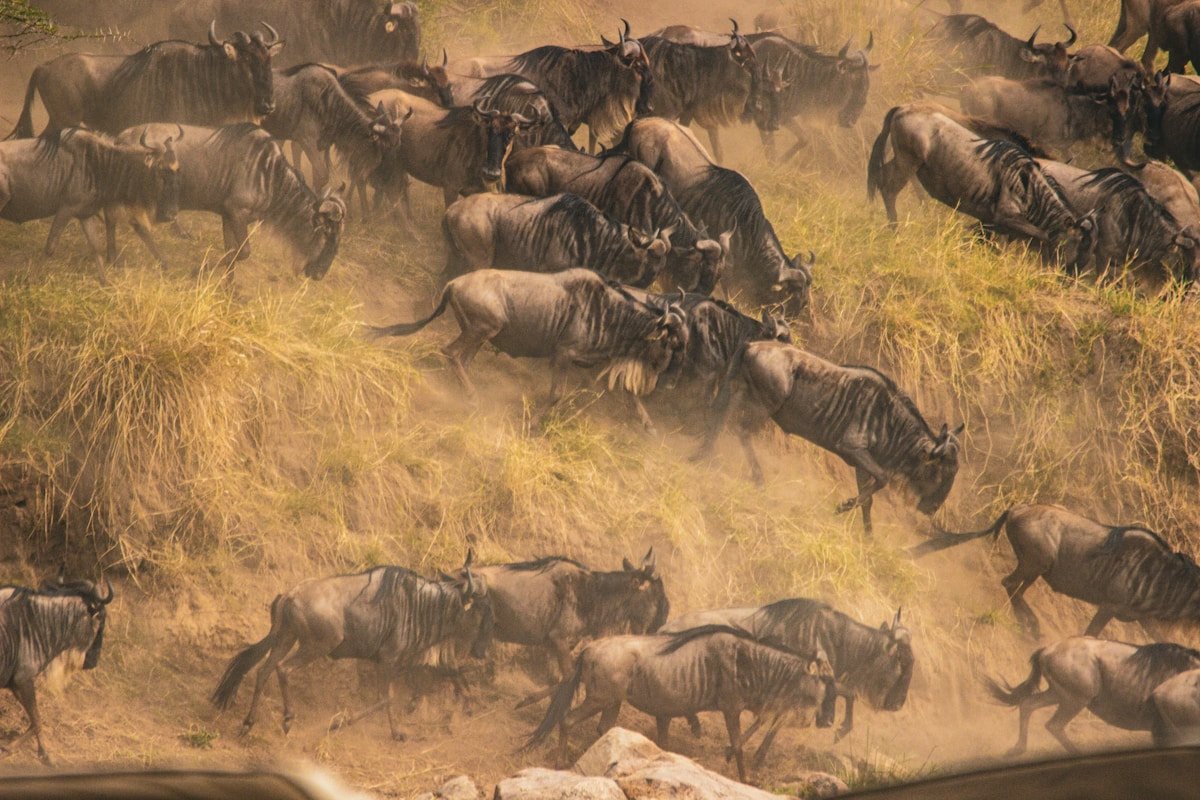
Tanzania in July is peak Great Migration with dramatic Mara River crossings, exceptional predator viewing, and dry northern circuit conditions.

Tanzania in June marks the start of peak dry season: rains end, wildlife concentrates, trekking conditions improve, and safari prices begin to climb.

Tanzania in May brings the heaviest rains, emptiest parks, and lowest prices of the year. Honest look at what to expect: and who should still visit.

Tanzania in April means heavy rains, the cheapest prices, near-empty parks, green Serengeti landscapes, and excellent photography light.
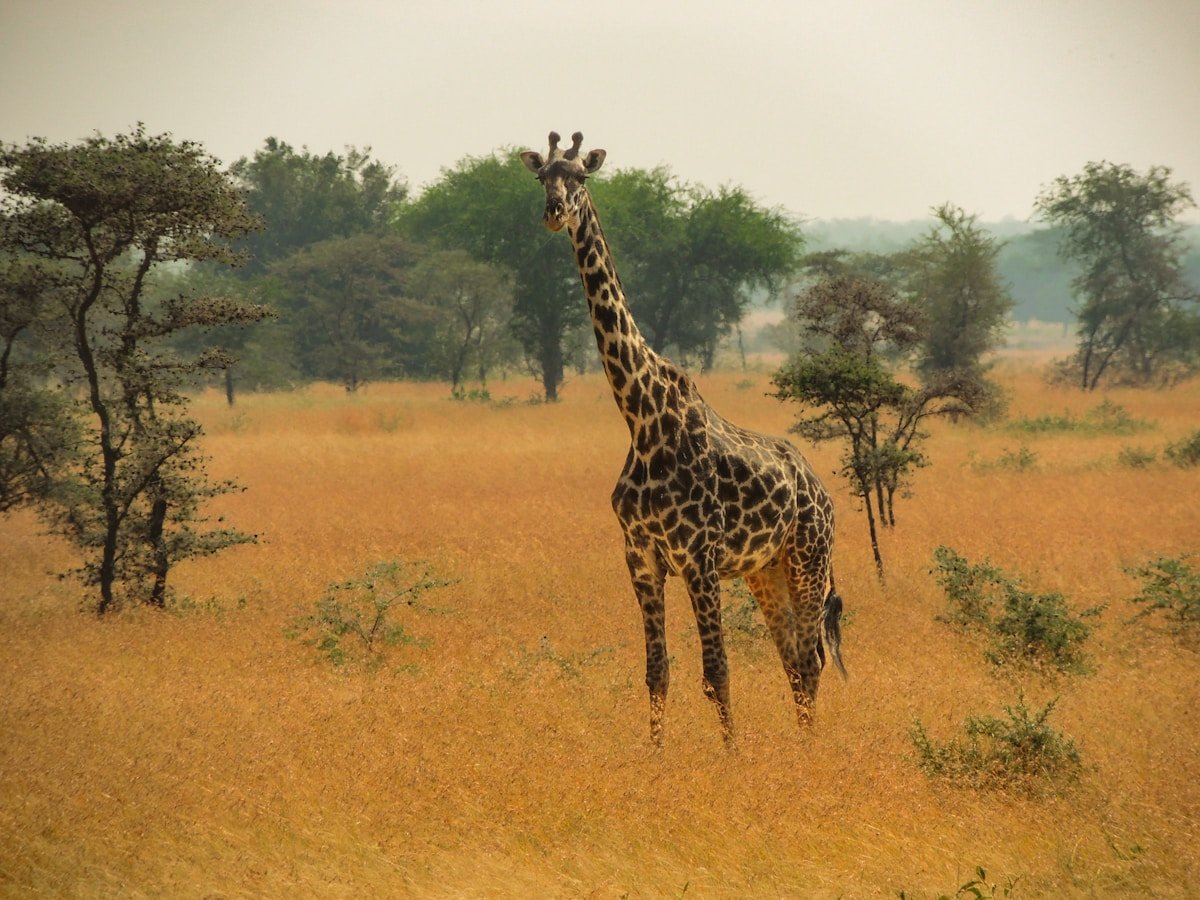
Tanzania in March: long rains arrive mid-month, calving winds down, migration herds move north, and Zanzibar stays dry. Prices drop.
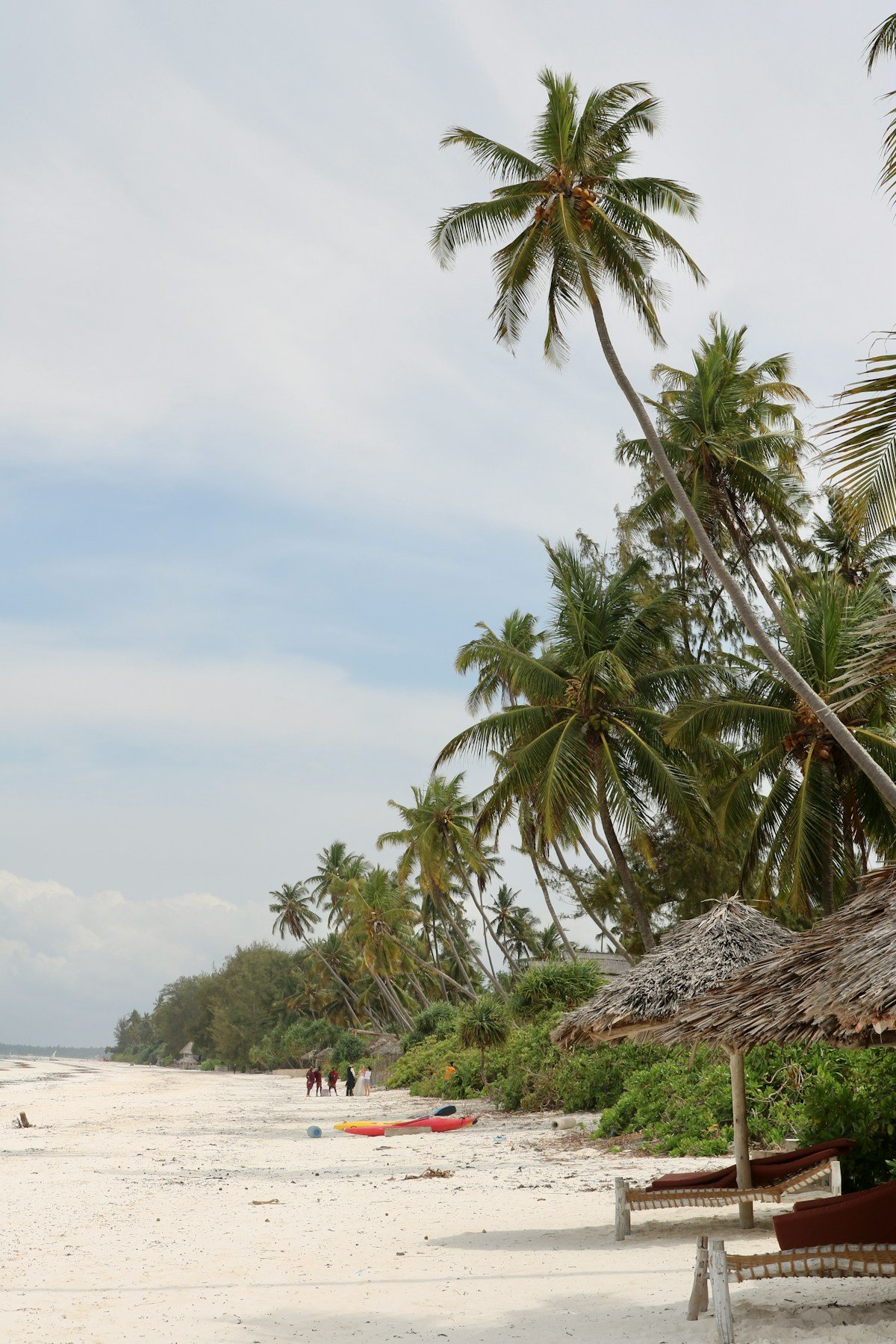
Tanzania in February: 31°C Ndutu days, 45mm of rain, 29-30°C seas and peak calving in the south. Often the best month to go, quieter than July.
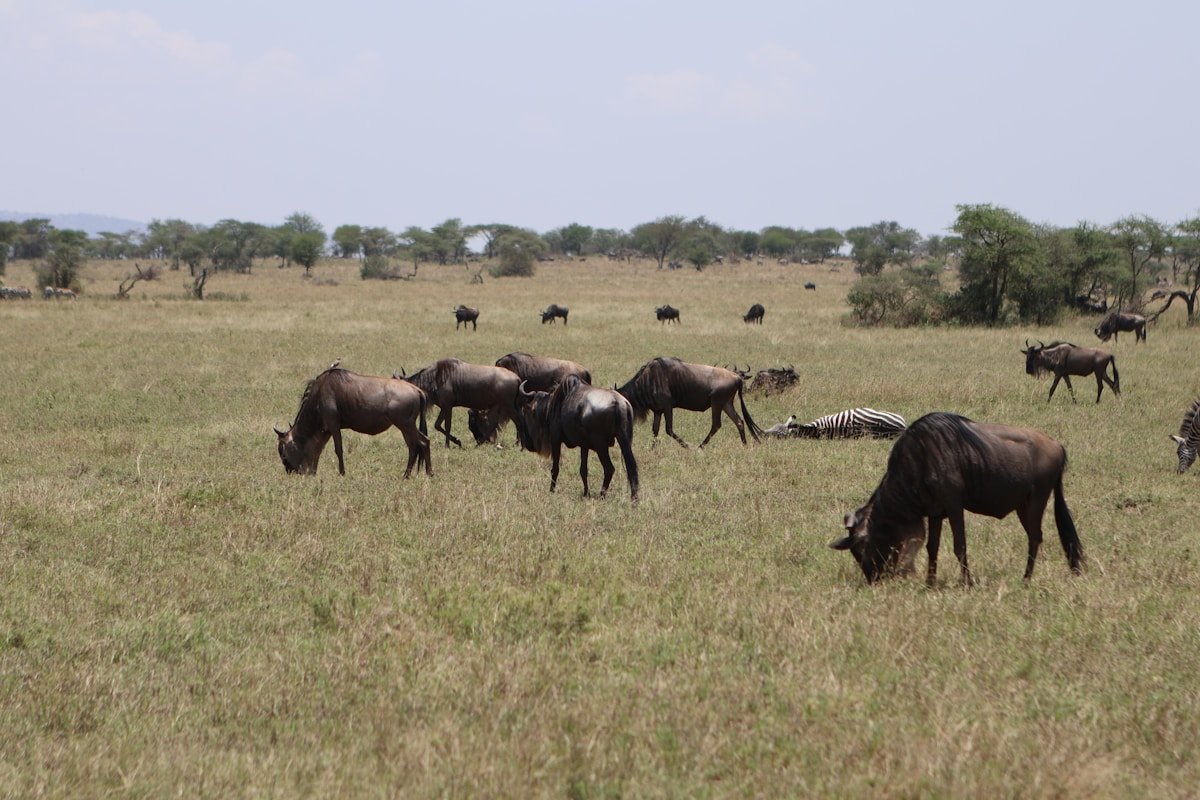
Tanzania in January: 30°C and about 50mm of rain in the southern Serengeti, 28-30°C seas at Mnemba and calving at Ndutu. Well worth going.
Explore more