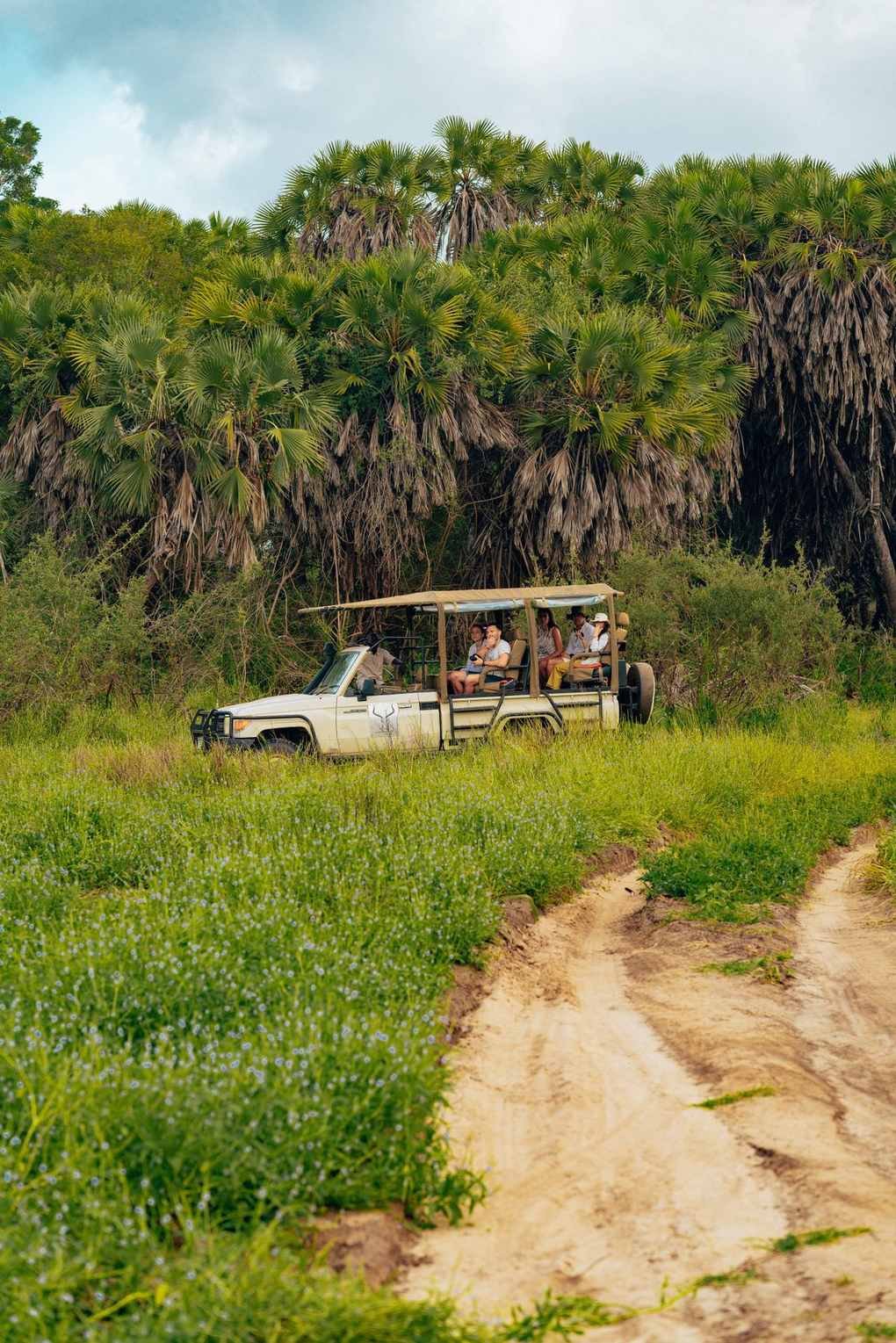
Germany is one of Tanzania’s most important European source markets, particularly for Kilimanjaro trekking and high-end safari. German tourists - known in the East African trade for high expectations around organisation, documentation, and environmental standards - have a choice between established German-market operators and direct bookings with Tanzanian companies. Here is how to navigate the decision.
German Operators with Tanzania Programmes
These are established German-market operators with active Tanzania programmes and track records in Kilimanjaro and/or safari.
Hauser Exkursionen (Munich)
Hauser is arguably Germany’s most respected adventure travel specialist for East Africa. They have operated Kilimanjaro treks since the 1980s and maintain long-standing relationships with licensed Tanzanian operators. Group departures typically include a German-speaking group leader who accompanies the local guiding team throughout the trip. Hauser emphasises small groups (maximum 8–12) and pre-trip briefings in German. Prices are at the premium end of the German market - expect to pay 20–30% above what a direct Tanzanian booking would cost for the same route - but the level of logistical support is high.
Wikinger Reisen (Hagen)
Wikinger is one of Germany’s largest adventure and special interest tour operators. Their East Africa programme covers Kilimanjaro (Machame and Lemosho routes) and Northern Circuit safaris. Group sizes tend to be slightly larger than Hauser’s (up to 14–16). German-language customer service is thorough, and Wikinger’s escorted departures depart from Frankfurt and Munich. They are a practical choice for first-time Tanzania travellers who want solid German-language support throughout.
Studiosus Reisen (Munich)
Studiosus focuses on culturally enriched travel - their Tanzania programmes typically combine wildlife with cultural visits and in-depth briefings. Guides are academically qualified. Not the first choice for pure wildlife maximalists, but excellent for German travellers who want to understand Tanzania beyond the safari vehicle window. Prices are high but the experience is distinctive.
Dertour and TUI
Both Dertour and TUI offer Tanzania packages through their mainstream catalogues. These are typically higher-volume, more standardised products. The Kilimanjaro content is handled through established Tanzanian contractors, and the experience is comparable to mid-range group climbing. German-language support exists throughout. Prices in this segment can actually be competitive because of the group volume.
Tanzanian Operators with German-Speaking Capacity
Several Moshi and Arusha-based operators have built German-market capabilities directly:
Zara Tours (Moshi): One of the largest and most established Kilimanjaro operators in Tanzania. Has German-speaking staff in its Moshi office and is familiar with German insurance documentation requirements. Fully licensed, TANAPA-registered, and regularly used by both independent German travellers and as ground handler for European operators.
Trans-Kibo Treks (Moshi): A mid-size, well-reviewed operator focused on trekking. They have worked extensively with German groups and understand German expectations around porter welfare, documentation, and pace. Competitive pricing compared to European booking.
Hoopoe Adventures (Arusha): Established high-end operator with a strong safari and trekking programme. English-primary but comfortable handling German-speaking clients. Used by European operators as a ground handler.
Pristine Trails (Moshi): Boutique trekking operator well-reviewed by German travellers on independent platforms. Small group sizes, strong porter welfare policies (important to many German travellers given fair-trade awareness in the German consumer market).
Direct Booking vs. German Operator: Cost Comparison
Here is a realistic cost comparison for an 8-day Lemosho Route Kilimanjaro climb booked through a German operator versus a direct Tanzanian booking.
German operator (package from Frankfurt, excl. flights):
- Trek package: approximately €2,800–3,500 per person
- Includes: transfers from JRO, pre-trek accommodation night in Moshi, guide, porters, park fees, meals, camping equipment
- German-language communication throughout
- DRV-registered consumer protection
Direct Tanzanian operator (ground package only, excl. flights):
- Trek package: approximately USD 1,800–2,400 per person (€1,650–2,200)
- Same physical inclusions: park fees, guides, porters, meals, camping equipment
- Communication in English
- Payment typically via bank transfer to Tanzania
The gap is approximately €600–1,300 per person. Whether that gap is worth paying depends on how much value you place on German-language communication, pre-packaged logistics, and EU consumer protection. For most independent German travellers familiar with international bookings, direct is the better value proposition. For first-timers or those booking complex combined Kilimanjaro-plus-safari packages, the German operator option simplifies coordination significantly.
What German Tourists Should Know About Tanzanian Standards
Tanzania’s tourism industry is heavily regulated. All Kilimanjaro operators must hold a KINAPA (Kilimanjaro National Park) licence. Safari operators must be registered with the Tanzania Association of Tour Operators (TATO) or Tanzania Tour Operators Association (TTOA). Checking these credentials before booking is straightforward and worth doing for any operator whether German or Tanzanian.
Porter welfare: This matters to many German travellers. Organisations like the Kilimanjaro Porters Assistance Project (KPAP) rate operators on fair wage compliance, equipment provision, and load limits. Operators who are KPAP partners are listed on the KPAP website - ask your operator directly whether they are registered.
Environmental standards: Tanzania’s national parks are stringent about waste management on Kilimanjaro and in safari areas. Reputable operators use designated toilet tents, carry-out waste systems, and reusable containers rather than single-use plastic. German operators typically screen their ground handlers on these points; for direct bookings, ask the operator specifically.
Group size: German travellers generally prefer smaller groups. On Kilimanjaro, group sizes of 4–8 climbers per guide are standard with quality operators. Larger groups (12+) are common with budget operators and typically result in slower pacing and less personalised attention. For safari, private vehicle hire (2–4 passengers sharing a Land Cruiser) offers significantly better game viewing than 6–8 person shared vehicles.
Booking Timeline
German school holiday peaks (July–August): Book 4–6 months ahead. German operators’ summer departures fill by March–April. Popular Tanzanian operators also reach capacity for July–August by February–March.
Christmas and New Year: Book by September for a December departure. Demand from European and German travellers is very high in this window.
January–March and September: Book 6–8 weeks ahead minimum. These are quieter months with excellent conditions and more last-minute availability.
Quick Reference: Key Internal Links
- Kilimanjaro trekking guide - complete overview of routes, preparation, and what to expect
- Kilimanjaro routes comparison - side-by-side analysis of all main routes
- Group safari vs private safari - cost and experience comparison
- Tanzania safari costs - detailed price breakdown
- Tanzania visa for Germans - e-visa process and requirements
Plan Your Trip
✈️ Book your flights to Tanzania 🛡️ Get travel insurance 📱 Stay connected with an eSIM 🚗 Rent a car