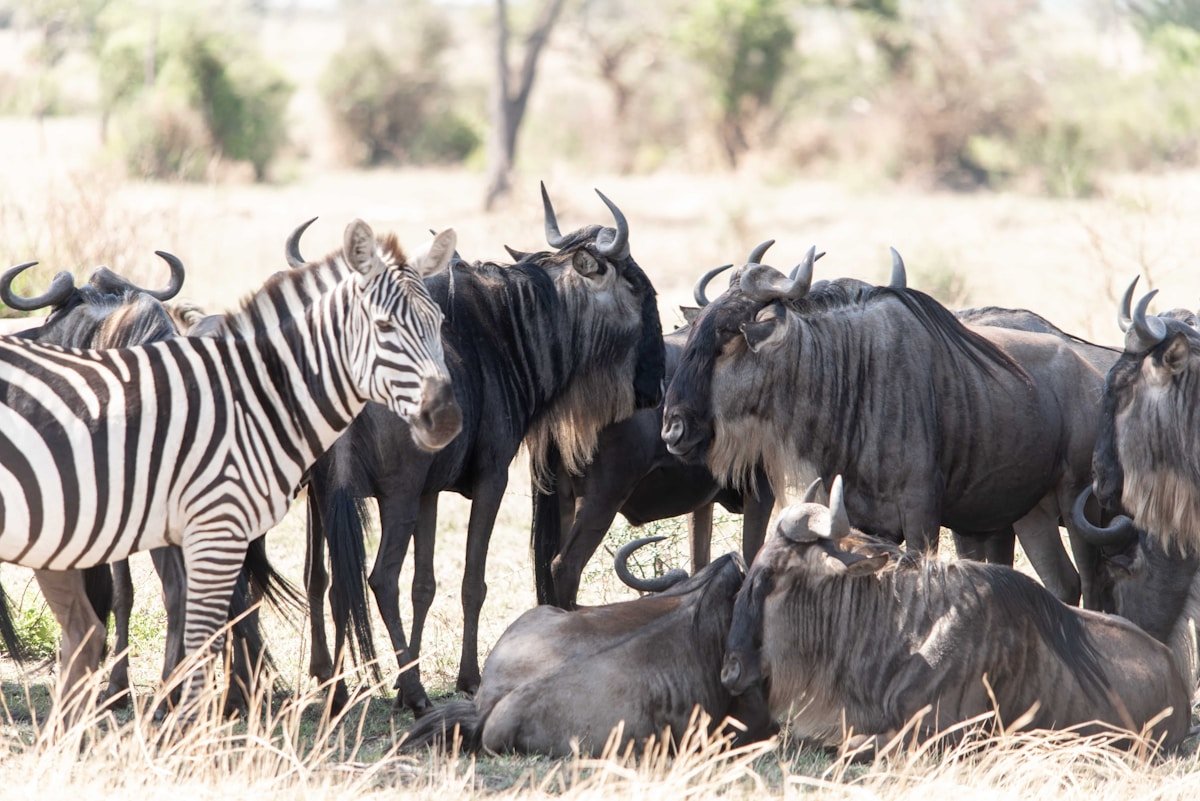
Tanzania has two distinct seasons - dry and wet - and the right time to visit depends entirely on what you want to do. Safari, Kilimanjaro, and Zanzibar beach follow different rhythms. This guide breaks it all down so you can plan with confidence.
Quick Overview
| Goal | Best Months |
|---|---|
| Safari (all-round) | June – October |
| Great Migration river crossings | July – September |
| Wildebeest calving season | January – February |
| Kilimanjaro trekking | January – March, June – October |
| Zanzibar beaches | June – October, December – March |
| Budget travel / fewer crowds | November, April, May |
The Dry Season (June – October)
The dry season is Tanzania’s peak safari period, and for good reason. Vegetation thins as water sources dry up, concentrating wildlife around rivers and waterholes. Game viewing in the Serengeti, Ngorongoro Crater, Tarangire, and the northern circuit reaches its peak.
July – September is the absolute highlight. The Great Migration - more than 1.5 million wildebeest and hundreds of thousands of zebra - moves north from the Serengeti into Kenya’s Masai Mara, crossing the Mara River in dramatic, crocodile-dodging rushes. This is among the greatest wildlife spectacles on the planet.
Tarangire National Park comes into its own in August and September, when elephant herds of 50-100 individuals gather along the Tarangire River. A single afternoon game drive here during peak dry season can yield sightings of lions, leopards, vast herds of buffalo, and a sky dense with birds.
June offers excellent game viewing with slightly lower accommodation prices than July–September. Mornings are cold (Ngorongoro Crater can drop to 5°C at dawn), so pack a fleece.
Search hotels in Arusha on Booking.com
October is an excellent shoulder month - wildlife is still concentrated, rainy-season crowds haven’t arrived, and prices soften slightly as peak season ends.
The Short Rains (November – December)
The short rains arrive in November and taper off by mid-December. Rain usually falls in brief afternoon showers rather than all-day downpours, so game drives are still very workable. The landscape turns lush green, migratory bird species arrive in force, and accommodation rates drop meaningfully.
November is one of the least-visited months, making it good value if wildlife is your priority and you don’t mind occasional rain. Zanzibar can be hit-and-miss - November is one of the wetter months on the island.
December sees the rains ease and visitor numbers climb toward the Christmas peak. Zanzibar beaches are at their best from mid-December onward, with clear seas and reliable sunshine.
The Green Season / Long Rains (March – May)
March through May brings the long rains - the least popular period for tourism but not without appeal. Many lodges offer substantial discounts (some close entirely in April). The Serengeti turns intensely green, and bird life is spectacular. However, some dirt roads become impassable, and the visibility of wildlife through thick vegetation is reduced.
May is the wettest month across most of mainland Tanzania. We’d recommend avoiding this month unless you have a specific reason to visit.
Calving Season (January – February)
This is one of Tanzania’s hidden gems. In January and February, more than 400,000 wildebeest calves are born in the southern Serengeti around Ndutu - tens of thousands within a single two-week window. Predator action is intense; cheetah, lion, and hyena follow the herds closely. Ndutu is relatively accessible and significantly cheaper than peak-season Serengeti.
February is also excellent for Zanzibar, with lower humidity, calm seas, and reliable sunshine.
Kilimanjaro Trekking Seasons
January – March and June – October are the best windows for climbing Kilimanjaro. The mountain creates its own microclimate, so neither dry season guarantees summit days free of clouds, but these months offer the best odds.
April, May, and November see heavier snowfall and rain at altitude, with more frequent summit whiteouts. Trekking is technically possible year-round - the mountain is open 365 days - but success rates are noticeably lower during these months.
Monthly Weather Summary
| Month | Rainfall | Avg Temp (Arusha) | Notes |
|---|---|---|---|
| January | Low | 22°C | Wildebeest calving, Zanzibar excellent |
| February | Low | 23°C | Peak calving, best Zanzibar month |
| March | Medium | 22°C | Long rains begin |
| April | High | 20°C | Wet season peak, many lodges close |
| May | Very High | 19°C | Wettest month, lowest prices |
| June | Low | 18°C | Dry season starts, cold mornings |
| July | Very Low | 17°C | Great Migration crossings begin |
| August | Very Low | 18°C | Peak season, highest wildlife density |
| September | Very Low | 19°C | Migration at Kenya border, Tarangire elephants |
| October | Low–Medium | 21°C | Shoulder: good wildlife, lower prices |
| November | Medium | 22°C | Short rains, quiet, good value |
| December | Low–Medium | 22°C | Rains ease, Christmas crowds build |
When to Visit Zanzibar
Zanzibar’s seasons differ slightly from the mainland. The best beach weather runs June – October (cooler, dry, calm seas) and December – March (warm, sunny, calm). The long rains (April–May) and short rains (November) bring rougher seas and persistent showers - not ideal for snorkelling or beach time.
For turtle nesting, visit between June and October on Nungwi or Kendwa beach. For whale shark sightings in the waters between Zanzibar and Mafia Island, October and November offer the highest probability.
Our Recommendation
For first-time visitors who want the full Tanzania experience - wildlife, Kilimanjaro, and Zanzibar - July or August is the sweet spot. You’ll catch the Migration crossings, have reliable safari conditions, and can extend to Zanzibar for the final few days of the trip.
If budget is a priority, consider June (excellent wildlife, lower prices than July-August) or January–February (calving season, Zanzibar at its finest, and significantly discounted lodge rates compared to peak season). Browse Tanzania safari tours for current availability across all seasons.
Plan Your Trip
✈️ Book your flights to Tanzania 🛡️ Get travel insurance 📱 Stay connected with an eSIM 🚗 Rent a car