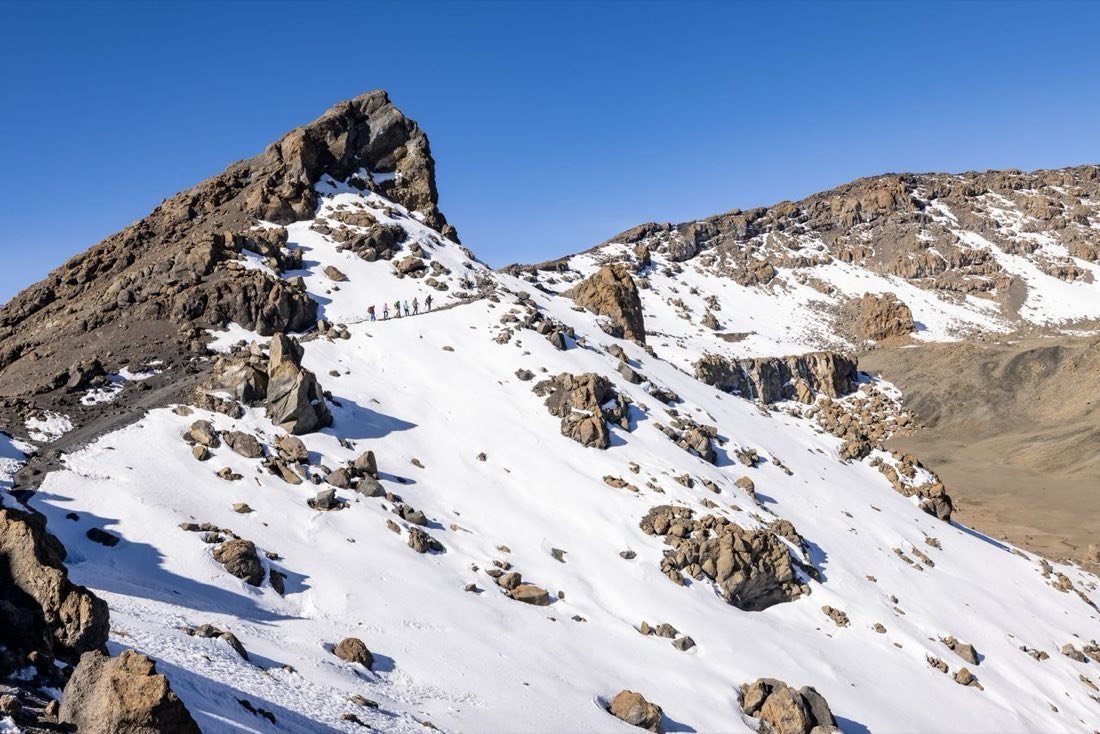
Trekking
Kilimanjaro Altitude Sickness and Summit Night: A Safety Guide
Kilimanjaro altitude sickness explained: AMS, HACE and HAPE symptoms, Diamox, SpO2 checks, what summit night involves and when guides turn you back.
Trekking
Tanzania is home to Africa's highest peak and some of its most rewarding treks. Whether you are planning a Kilimanjaro summit attempt, a Mount Meru acclimatisation climb, or a highland walking route, we cover everything from route comparisons to operator costs and packing lists.
Kilimanjaro is Africa's highest peak at 5,895 metres and the world's tallest freestanding mountain. No technical climbing skills are required - the summit is reached entirely on foot - but altitude is the primary challenge, and acclimatisation time is the single most important variable in summit success. The most popular approaches are the Machame Route (6–7 days; scenic, the most-hiked option), the Lemosho Route (7–8 days; best acclimatisation profile, highest success rates, limited crowding), and the Marangu Route (5–6 days; the only route with hut accommodation, but a fast ascent that produces lower summit rates). The Rongai Route approaches from the drier northern slopes and suits late rainy season attempts.
Operator costs vary significantly by route length and company reputation. Budget operators start around $1,500 all-in for a 5-day Marangu climb, but crew welfare and equipment quality often reflect the price. Reputable mid-range operators - Zara Tours, Marangu Hotel, and Kilimanjaro Trail Guides - charge $2,200–3,200 for a 7-day climb including park fees, crew gratuities, and full equipment. Premium operators (Tusker Trail, Thomson Safaris) run $4,000–6,000 and offer private campsites on quieter routes, more experienced guides, and larger carrying teams. All operators must comply with KINAPA (Kilimanjaro National Park Authority) regulations on crew-to-climber ratios.
Mount Meru (4,562m) sits 70 kilometres west of Kilimanjaro in Arusha National Park and is widely used as an acclimatisation climb before a Kilimanjaro attempt. The 4-day standard route passes through forest with giraffe, buffalo, and colobus monkeys at lower elevations before a steep summit approach. Park entry and a mandatory armed ranger (required below 2,500m for buffalo safety) add approximately $250–350 to the total cost.
Ol Doinyo Lengai - the Maasai "Mountain of God" - is an active natrocarbonatite volcano in the Ngorongoro Conservation Area, 130 kilometres south of Arusha. Summit attempts are almost always done as night hikes, departing around midnight to reach the crater rim at dawn and avoid the extreme surface heat of midday. The climb takes 5–7 hours return. Local guides from Engaresero village charge $50–80 for the ascent; a 4WD to reach the village base is a separate arrangement.
Best seasons: January–February and June–October offer the driest conditions on Kilimanjaro. The wettest months - March–May (long rains) and November - have lower summit visibility, but most operators still run climbs. The Lemosho and Rongai routes hold up best in wet conditions. Avoid the peak December–January crowd surge on Machame by booking Lemosho or departing in early January.
Detailed guides to Tanzania's best treks: routes, difficulty, costs, and best seasons.
Kilimanjaro altitude sickness explained: AMS, HACE and HAPE symptoms, Diamox, SpO2 checks, what summit night involves and when guides turn you back.
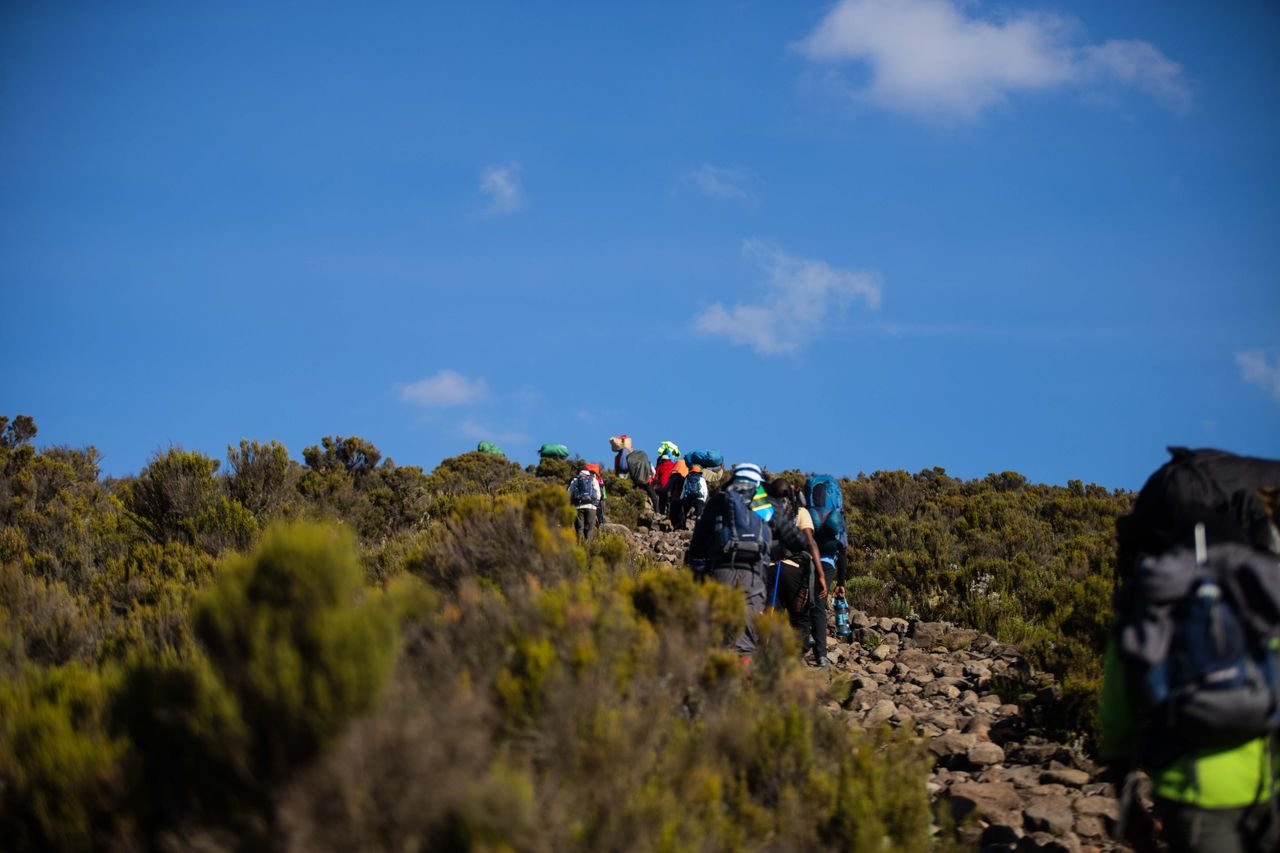
Hike the Usambara Mountains from Lushoto: Irente Viewpoint, the Mtae trail, guide costs, birding, German colonial history and the bus from Moshi.
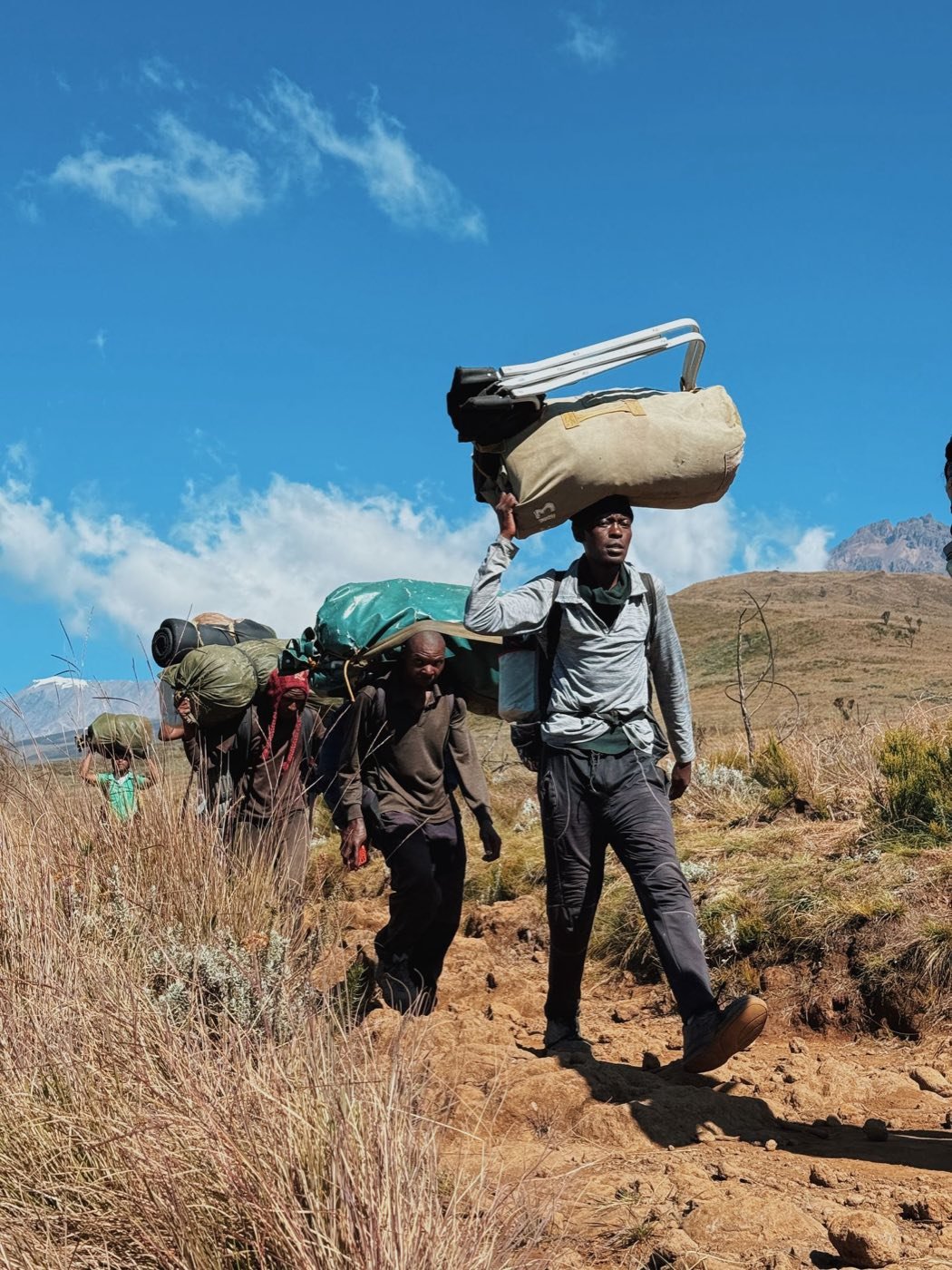
Book a Kilimanjaro climb: compare Machame, Lemosho, Marangu and Rongai packages, group vs private formats, what is included and what to ask.
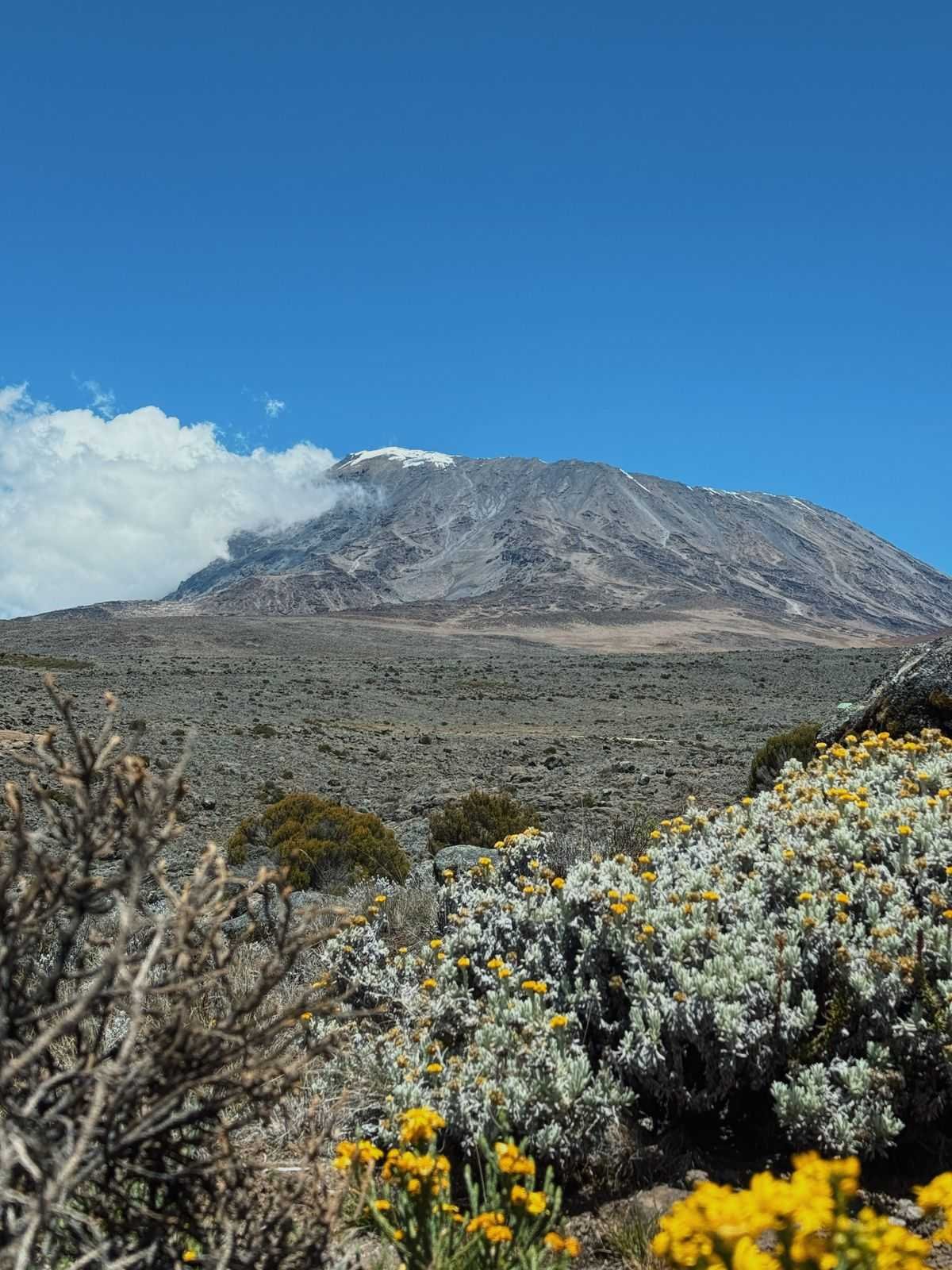
Kilimanjaro from Germany: best windows around public holidays and Oktoberfest, flight options from Frankfurt and Munich, visa fees, and booking tips.
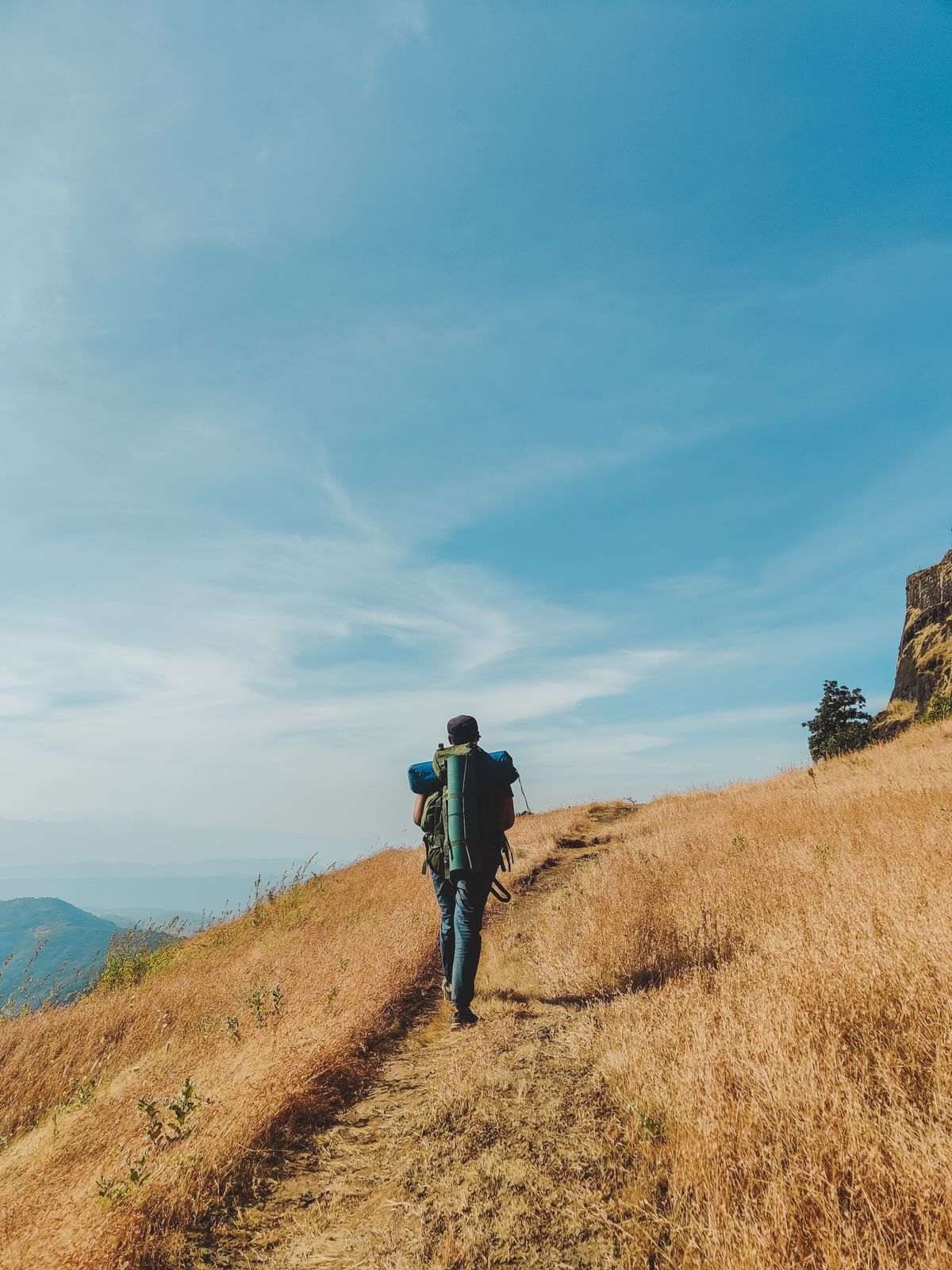
Kilimanjaro gear list for German hikers: three-layer system, sleeping bag ratings, German brands like Lowa and Mammut, and what to hire locally.
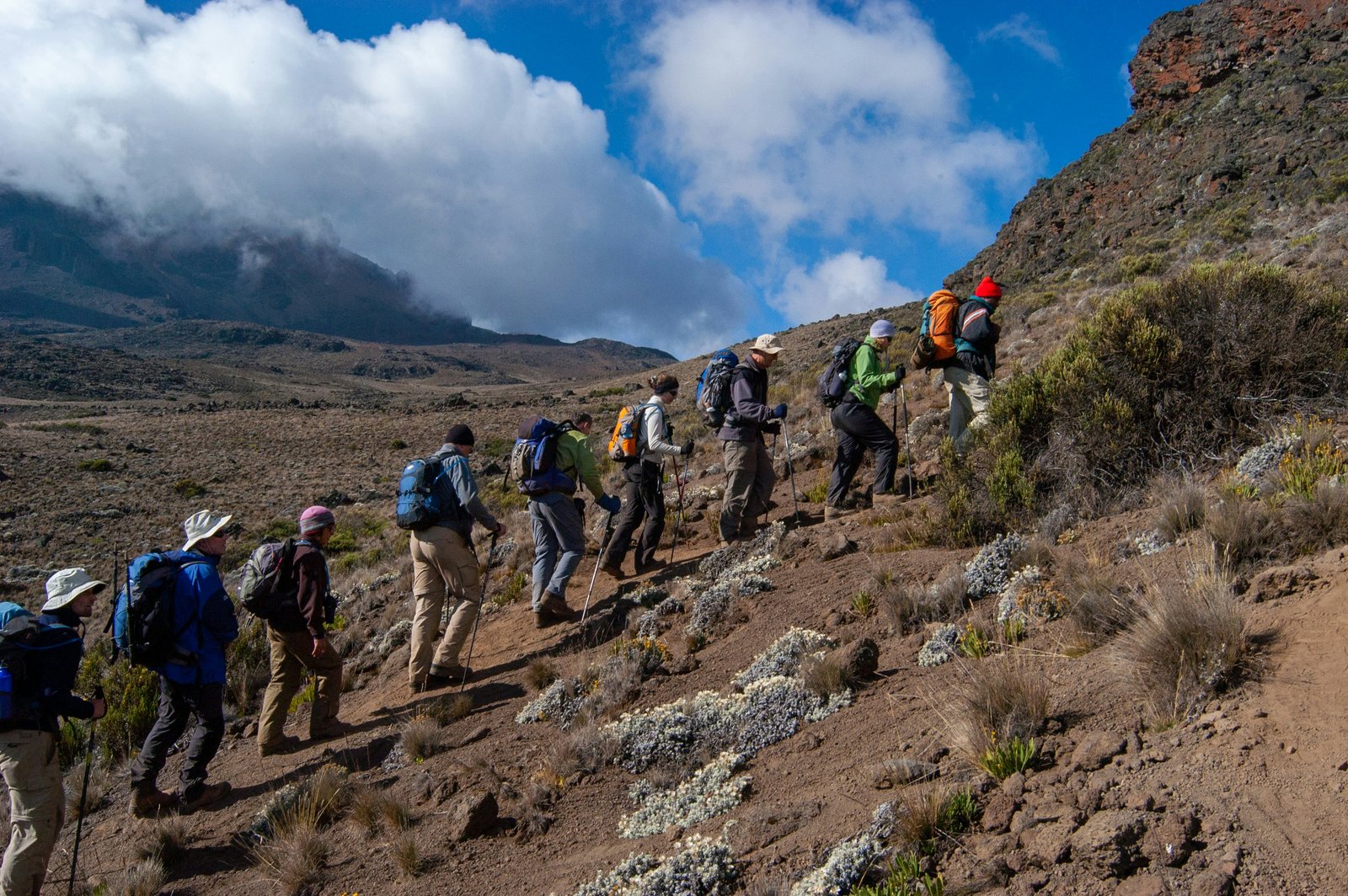
Marangu, Machame, Lemosho, Rongai, and Northern Circuit compared by success rate, duration, difficulty, and cost - pick the right Kilimanjaro route.
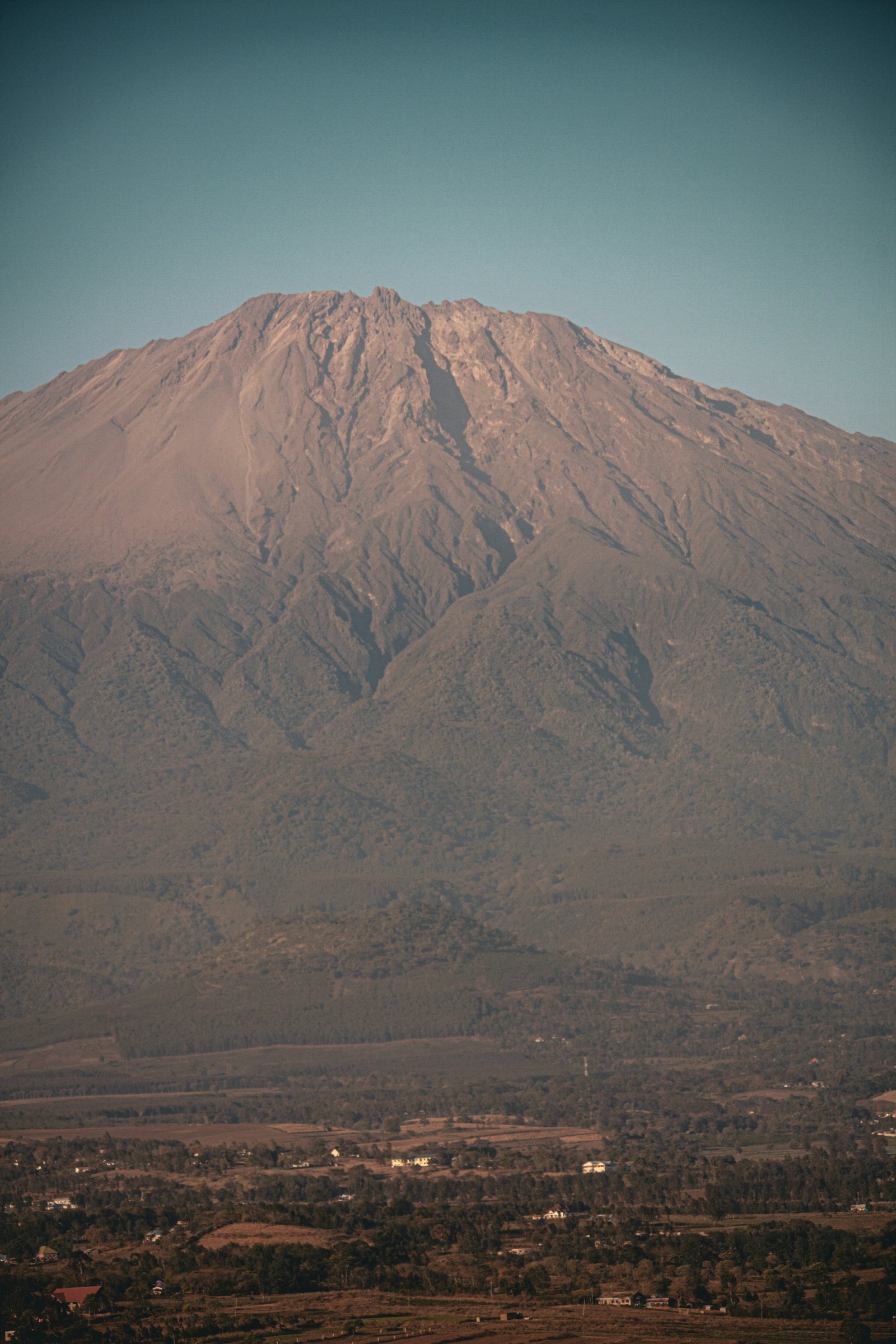
Tanzania's second peak at 4,566m: climb Mount Meru from Arusha in 3–4 days. Wildlife-rich trails, crater views, and perfect Kilimanjaro acclimatisation.
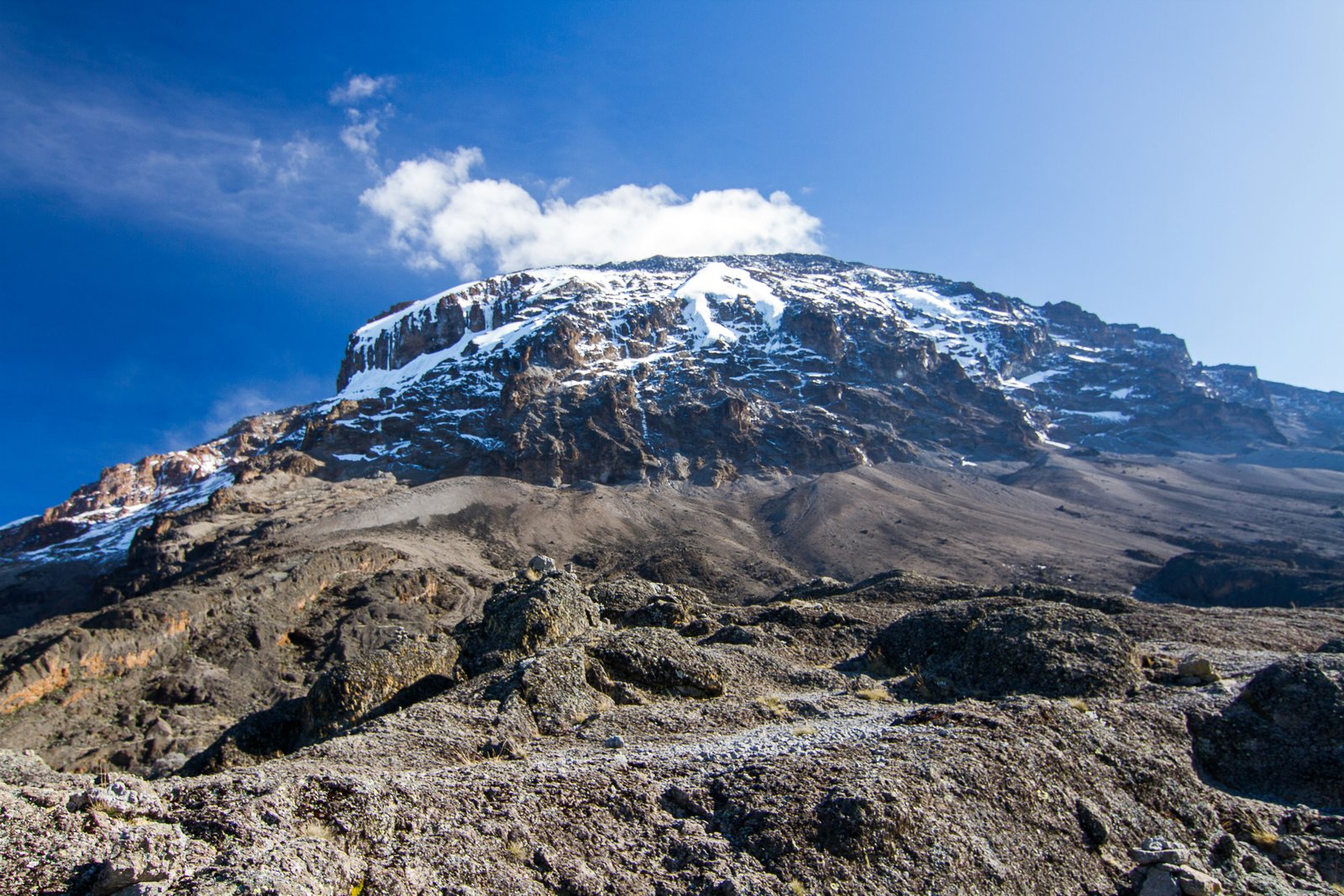
The Umbwe Route is Kilimanjaro's most direct and demanding climb. Day-by-day breakdown, camps, success rates, and operator costs from USD 1,800.
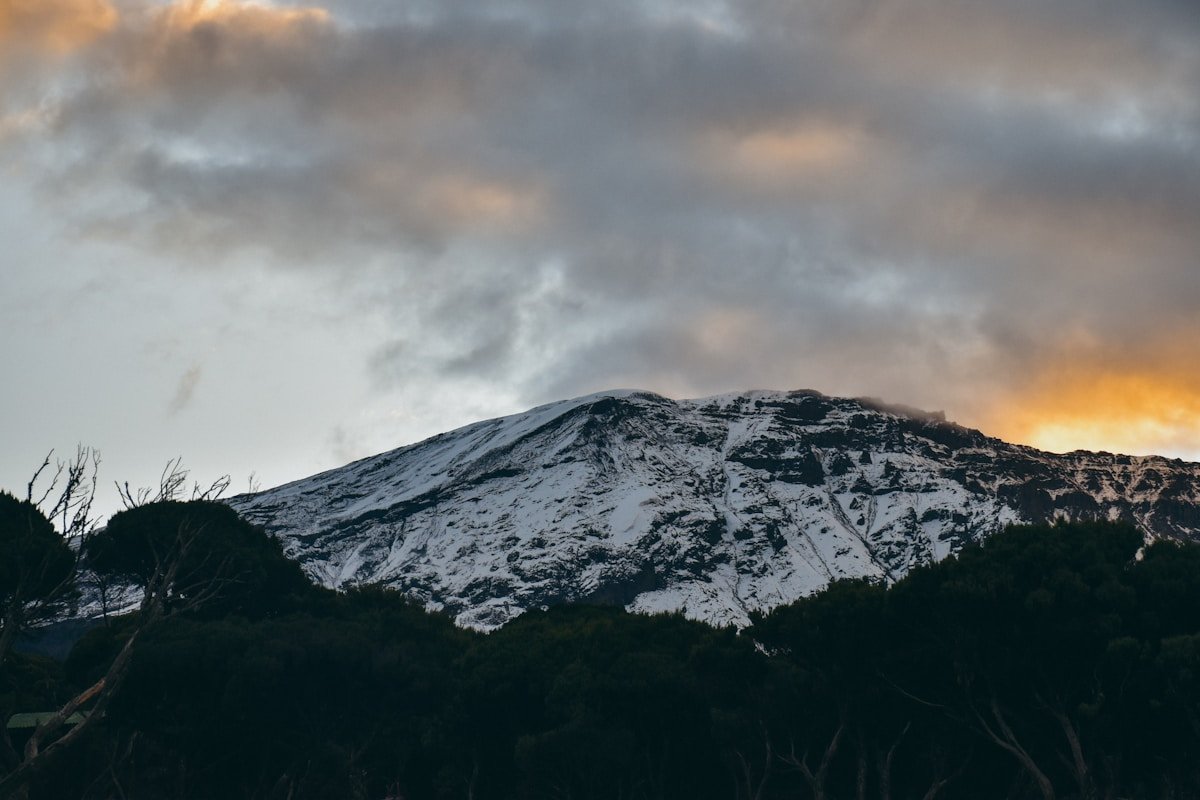
Kilimanjaro's dry seasons: January to March and June to October. Month-by-month breakdown, route-specific timing, and which periods to avoid.
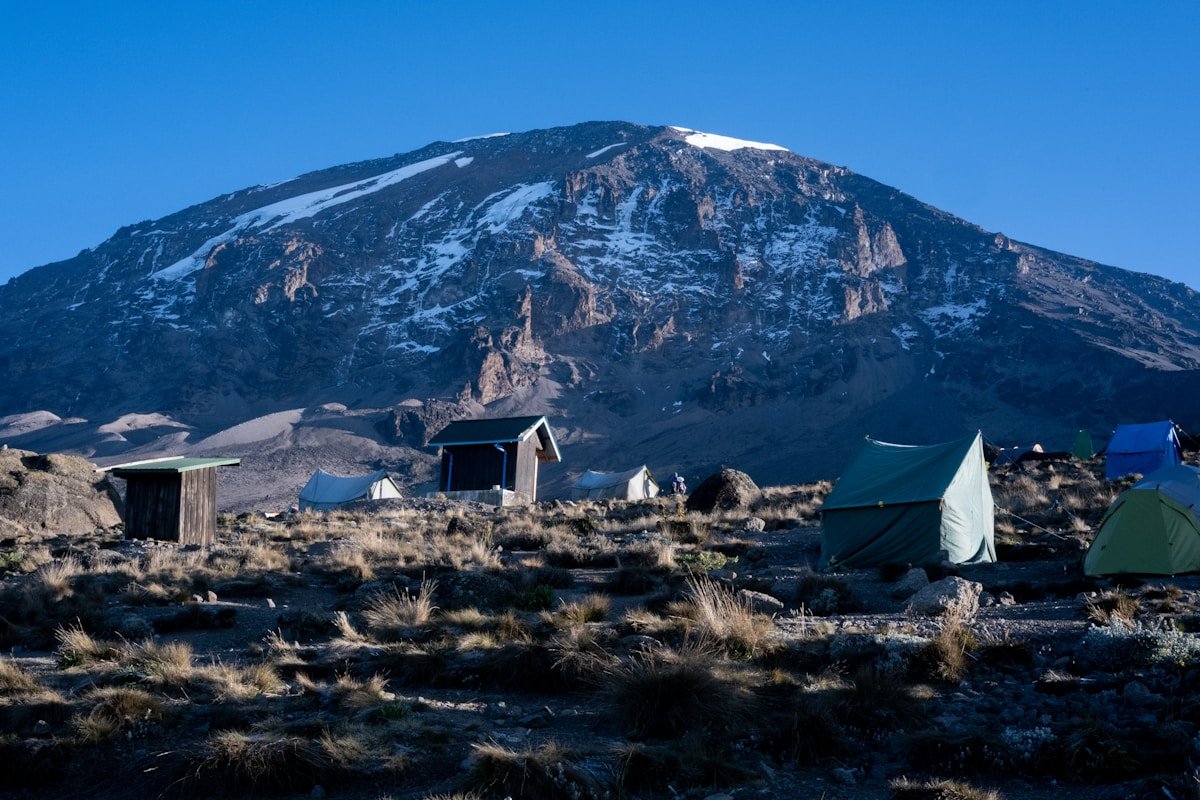
Full Kilimanjaro cost breakdown: TANAPA park fees, operator prices by route, guide and porter tips, gear rental, and budget vs premium.
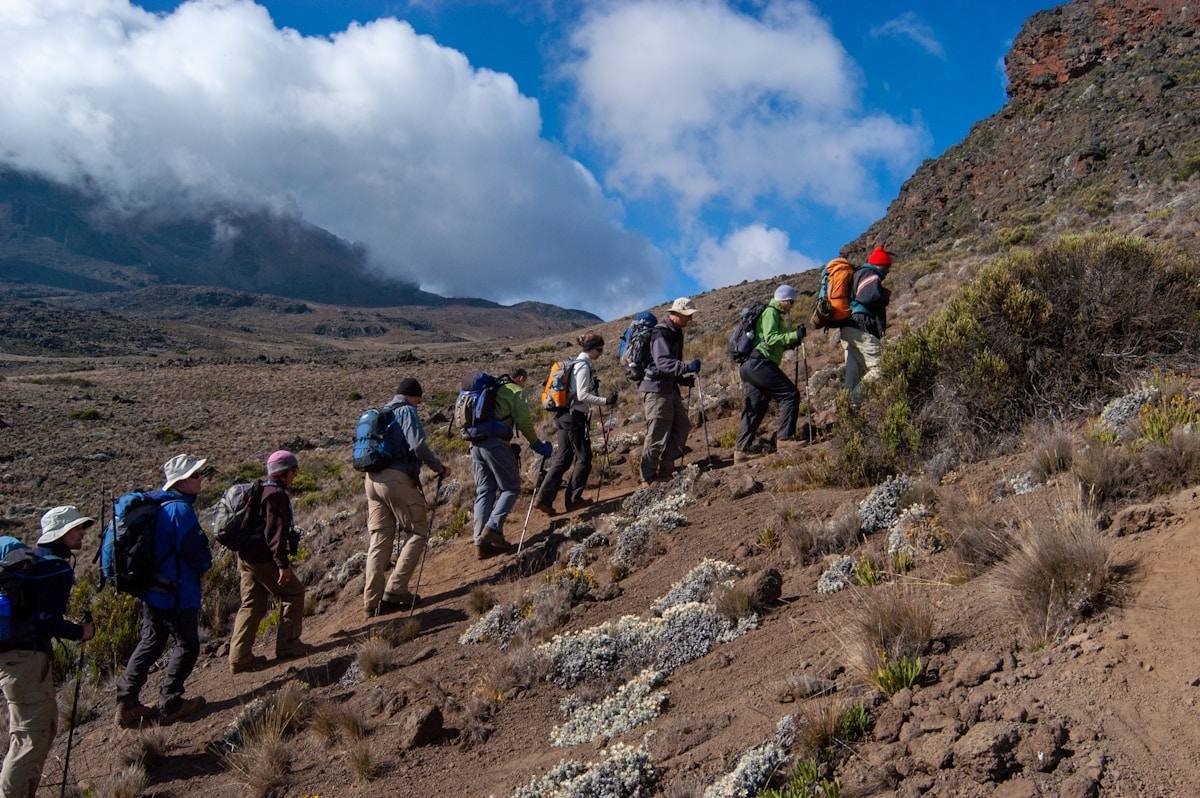
Complete guide to climbing Kilimanjaro: routes, costs, best times, permits, operators, and what to expect on Africa's highest peak.
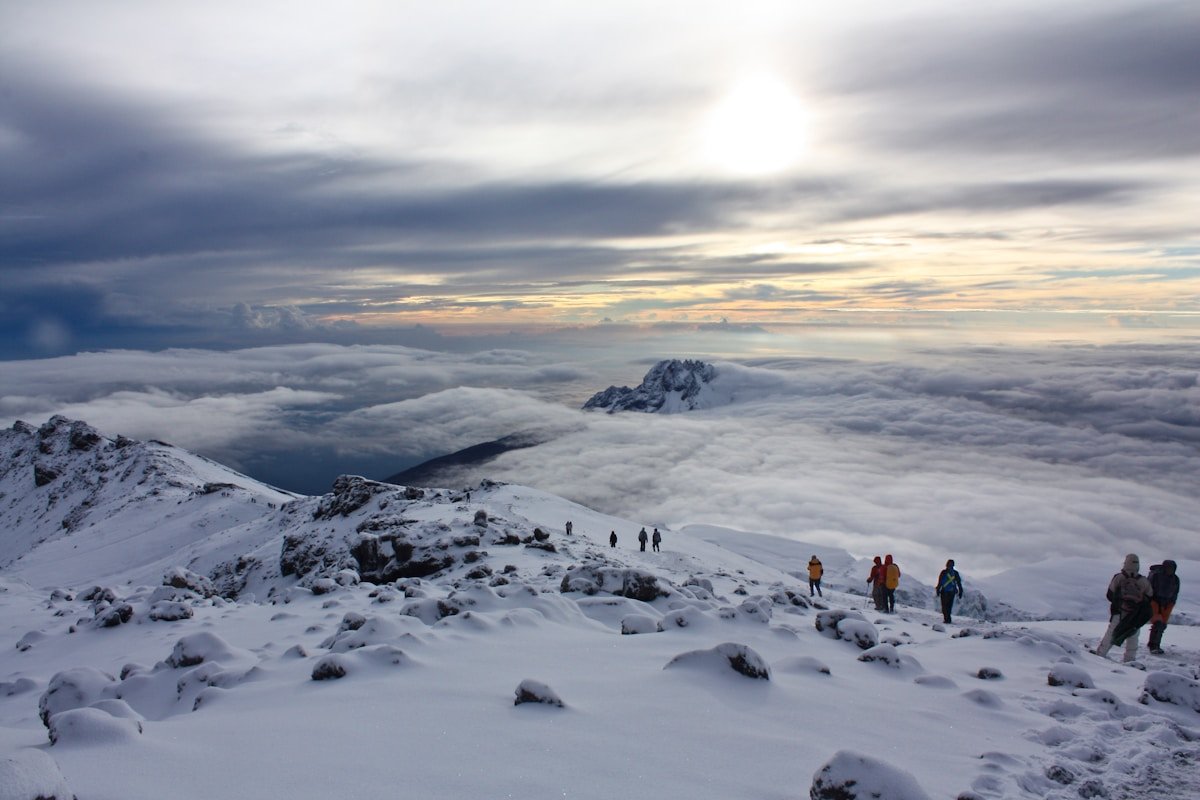
Kilimanjaro's best all-round route: 7 or 8 days via the western Shira Plateau, excellent acclimatisation. Day-by-day itinerary and operator guide.
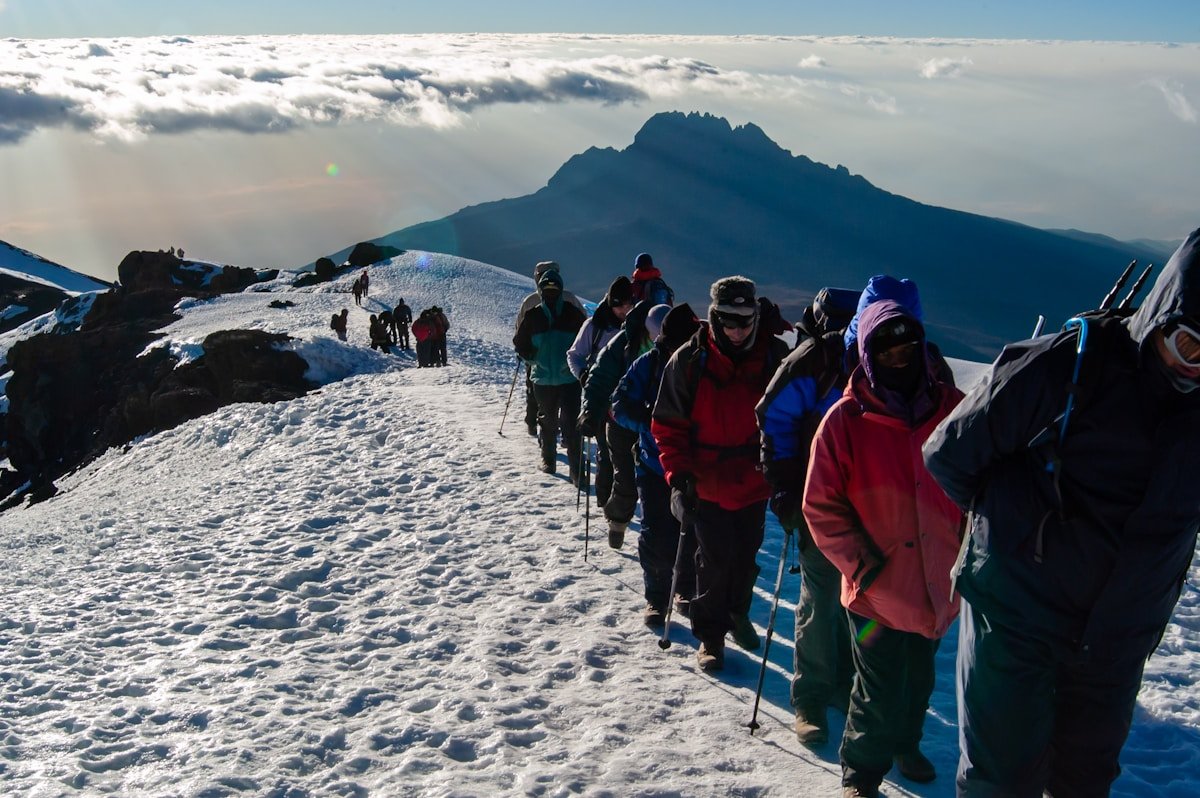
Kilimanjaro's Machame Route: 6 or 7 days via the southern face. Day-by-day itinerary, altitude profile, operators and packing list.
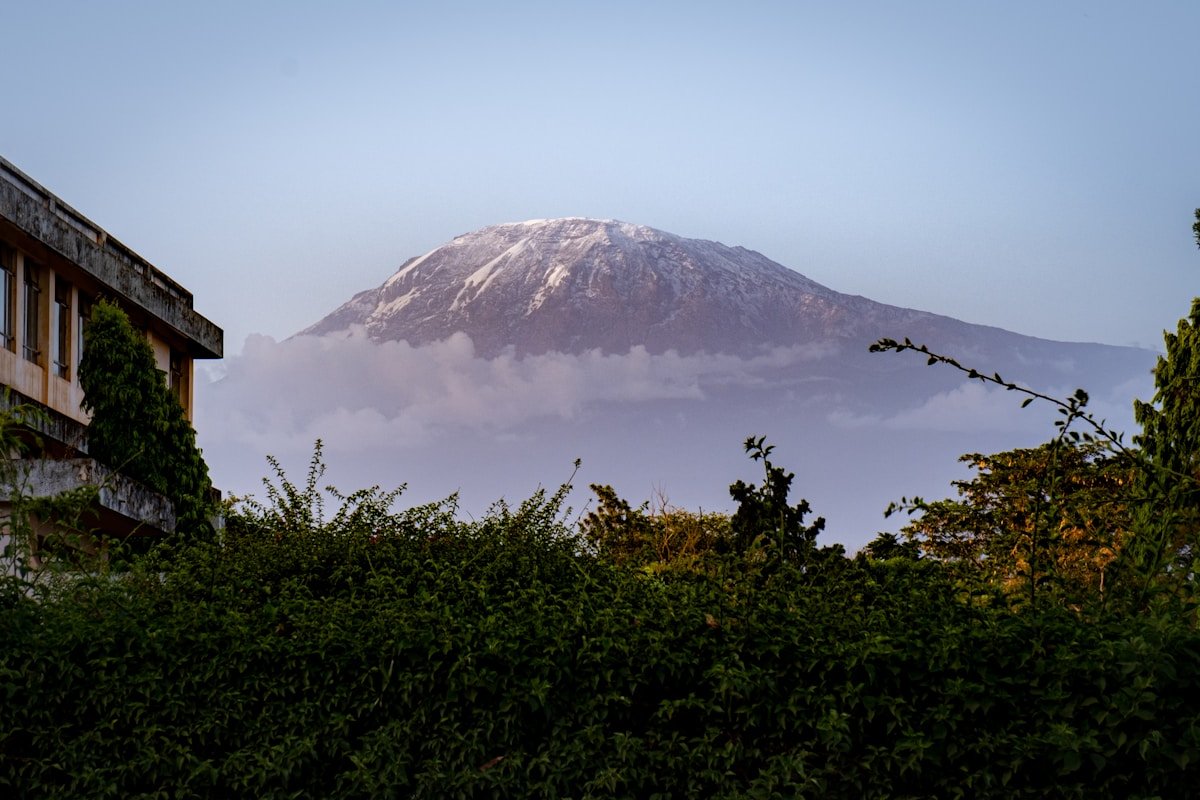
Kilimanjaro's Marangu Route: 5 or 6 days via the Coca-Cola Route, the only trail with mountain huts. Day-by-day itinerary and honest advice.
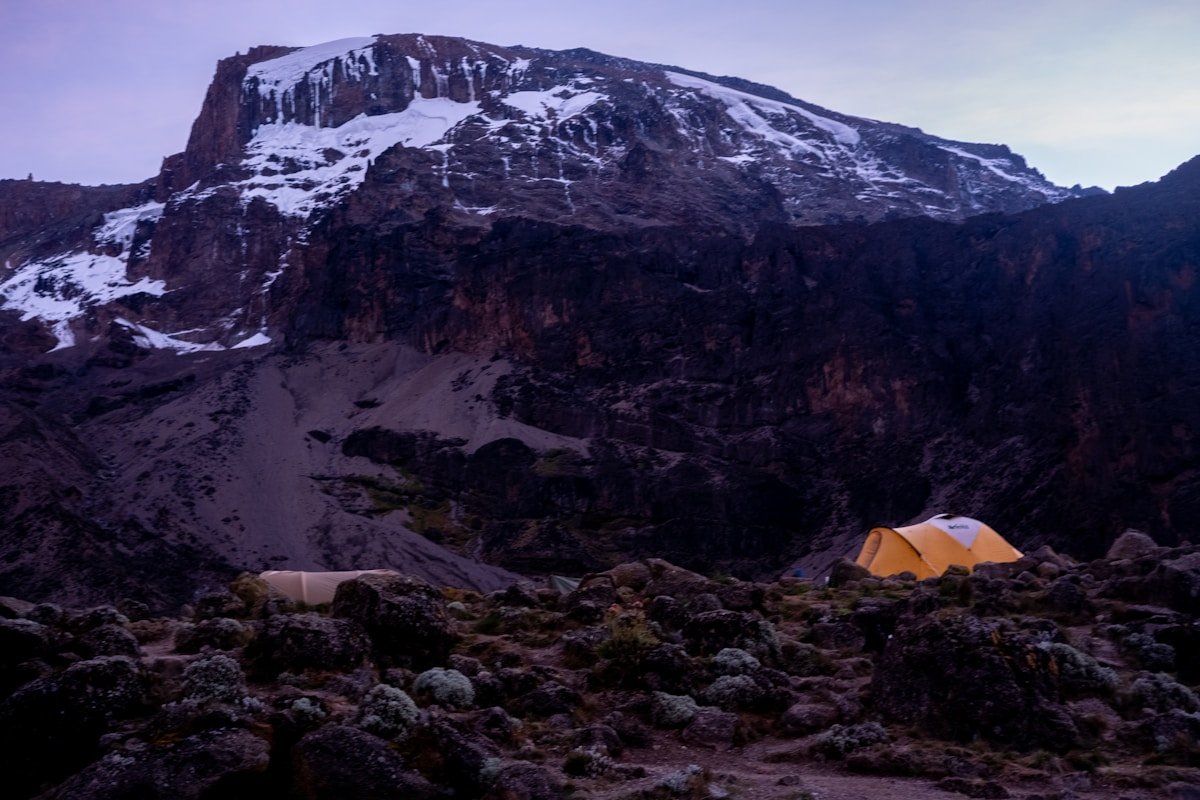
Kilimanjaro's Northern Circuit: 9-day full circumnavigation with the highest summit success rates of any route. Itinerary and operator guide.
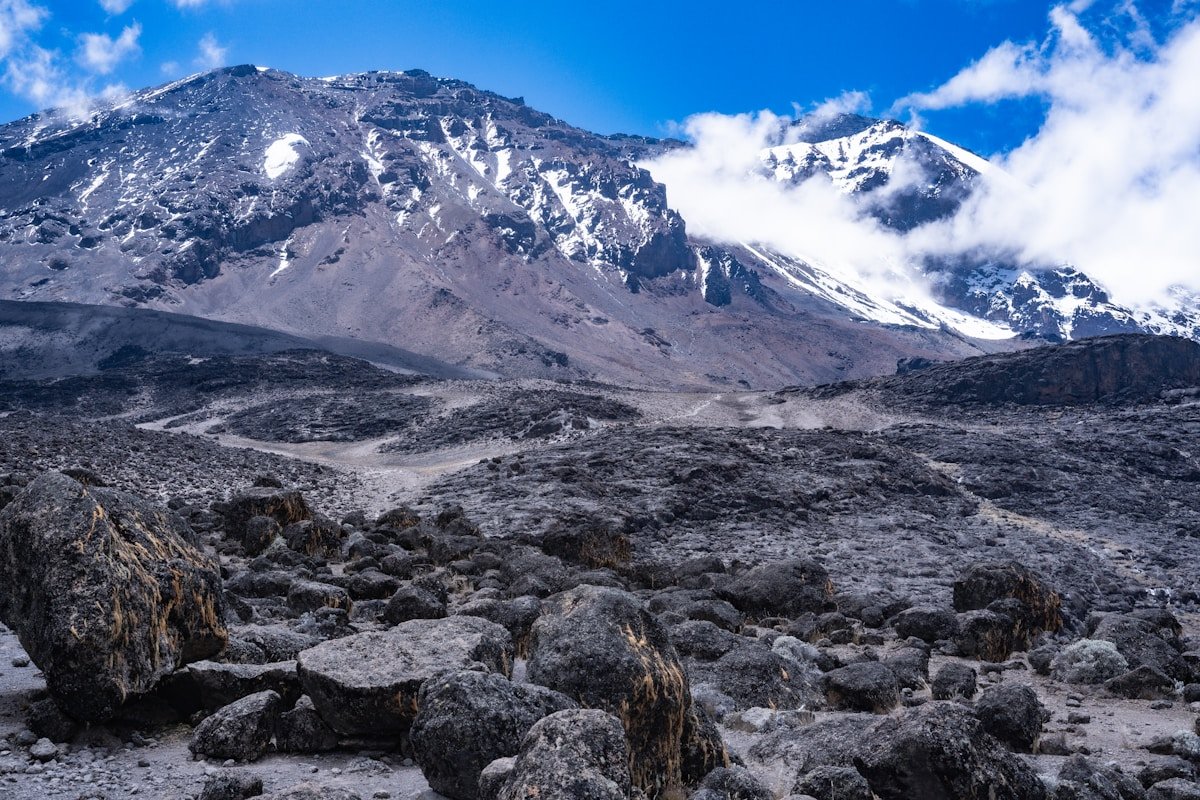
Rongai Route: Kilimanjaro's quiet northern approach: drier, less crowded, wilder than the southern routes. Full 6-7 day itinerary and operator guide.
Book an experience
Instant confirmation · Free cancellation on most bookings
Book your Kilimanjaro trek