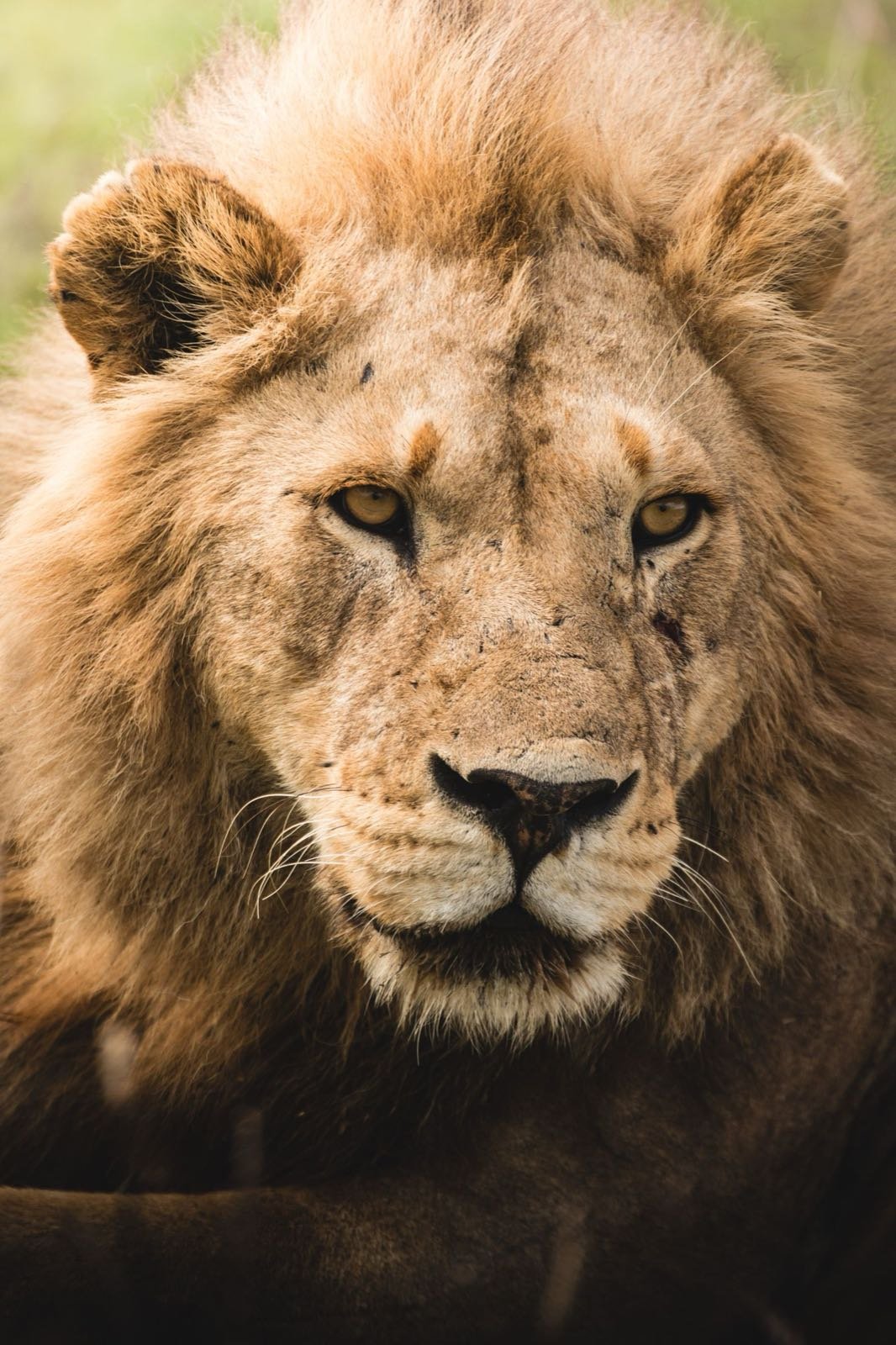
Safari & Wildlife
5 Underrated National Parks in Tanzania Beyond the Serengeti
Five quieter Tanzania parks worth the trip: Katavi, Ruaha, Mikumi, Nyerere and Saadani, with fees, how to get there, best months and local tips.
Safari & Wildlife
Tanzania is home to the Serengeti, the Great Migration, and the Ngorongoro Crater: three of Africa's most extraordinary wildlife experiences. We cover every major park and reserve with practical guides on when to go, where to stay, and what to budget.
The Serengeti is the anchor of most Tanzania safari itineraries. The Great Migration - roughly 1.5 million wildebeest and 250,000 zebra tracking seasonal rains clockwise around the ecosystem - is most dramatic from July to October, when the herds attempt the crocodile-filled Mara River crossings from Tanzania into Kenya. Crossings are unpredictable; staying two or three nights at a camp near Kogatende in the north significantly improves your odds. Serengeti entry fees run approximately $82 per person per day (USD cash), with an additional vehicle fee. Camps we cover include Asilia Africa's Sayari Camp, Nomad Tanzania's Lamai Serengeti, and the more budget-accessible Serengeti Wilderness Camp.
The Ngorongoro Crater sits 2,200 metres above sea level and is one of the few places in Africa where you can see all of the Big Five without leaving a single enclosed caldera. Fees are among the highest in East Africa - around $200 per vehicle for a day visit plus a conservation fee of roughly $60 per person - but the wildlife density and predictability justify the cost. Most visitors base themselves in Karatu, 20 minutes from the crater rim, where guesthouses start around $40–80 per night and crater-view lodges run $300 and above.
Tarangire National Park is the Northern Circuit's most underrated park: in the dry season (June–October) it holds some of East Africa's highest elephant densities, with herds of 200 or more animals congregating along the Tarangire River. Lions, leopards, and large herds of zebra and wildebeest are reliable sightings during this period. Budget tented camps near the eastern gate start around $120–180 per person per night all-inclusive; Oliver's Camp and Sanctuary Swala sit at the premium end.
Lake Manyara is typically a half-day stop between Arusha and Ngorongoro - its tree-climbing lions and flamingo-lined shoreline can be covered in 3–4 hours. For more remote experiences, the Southern Circuit (Nyerere National Park, the world's largest game reserve, and Ruaha) requires a fly-in but delivers boat safaris and walking safaris with far fewer vehicles per sighting. Mahale Mountains National Park hosts one of Africa's most habituated wild chimpanzee communities; tracking permits run approximately $100 per person and fly-in charters from Arusha start around $450 each way.
When to go: July to October (long dry season) is peak season - low vegetation, concentrated wildlife at waterholes, and the Mara River crossings. December to February (short dry season) is the quieter alternative, with Serengeti calving season and 20–30% lower rates at most camps. March to May brings the long rains: some tracks become impassable, around a third of tented camps close, but operators that remain open discount prices by 30–50%.
In-depth guides to Tanzania's top wildlife destinations, including fees, best seasons, and accommodation options.
Five quieter Tanzania parks worth the trip: Katavi, Ruaha, Mikumi, Nyerere and Saadani, with fees, how to get there, best months and local tips.
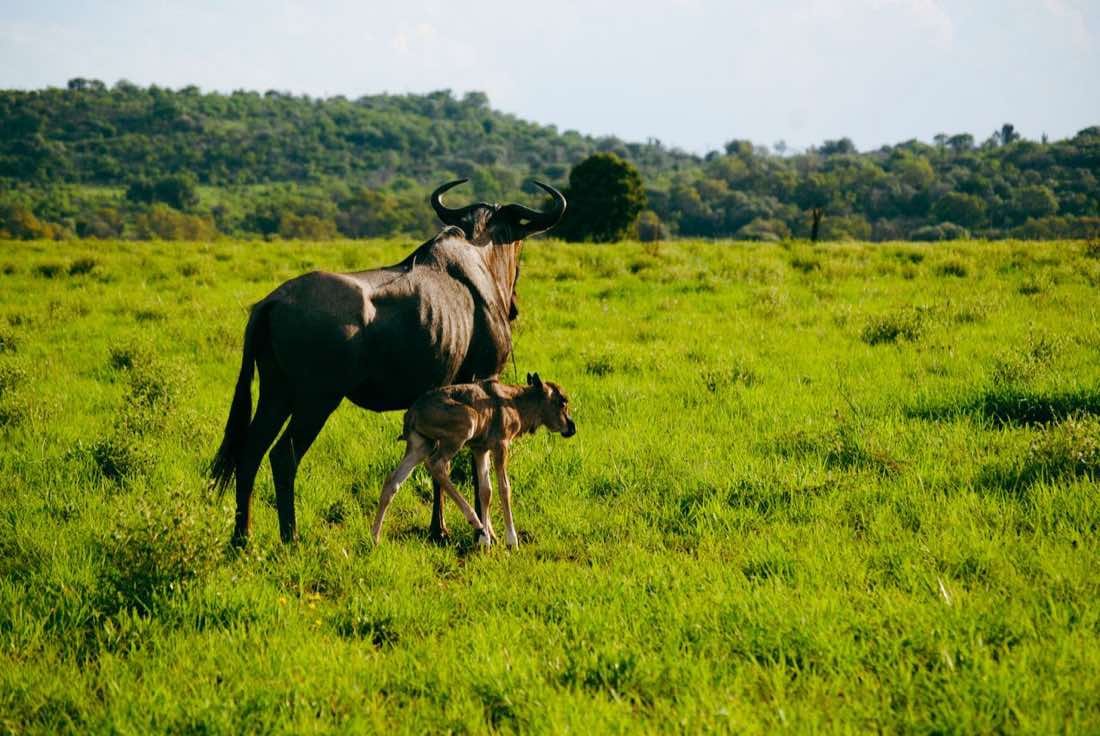
Plan the Serengeti calving season in January and February 2027: where to base at Ndutu, camp rates, park fees, weather and when to book your safari.
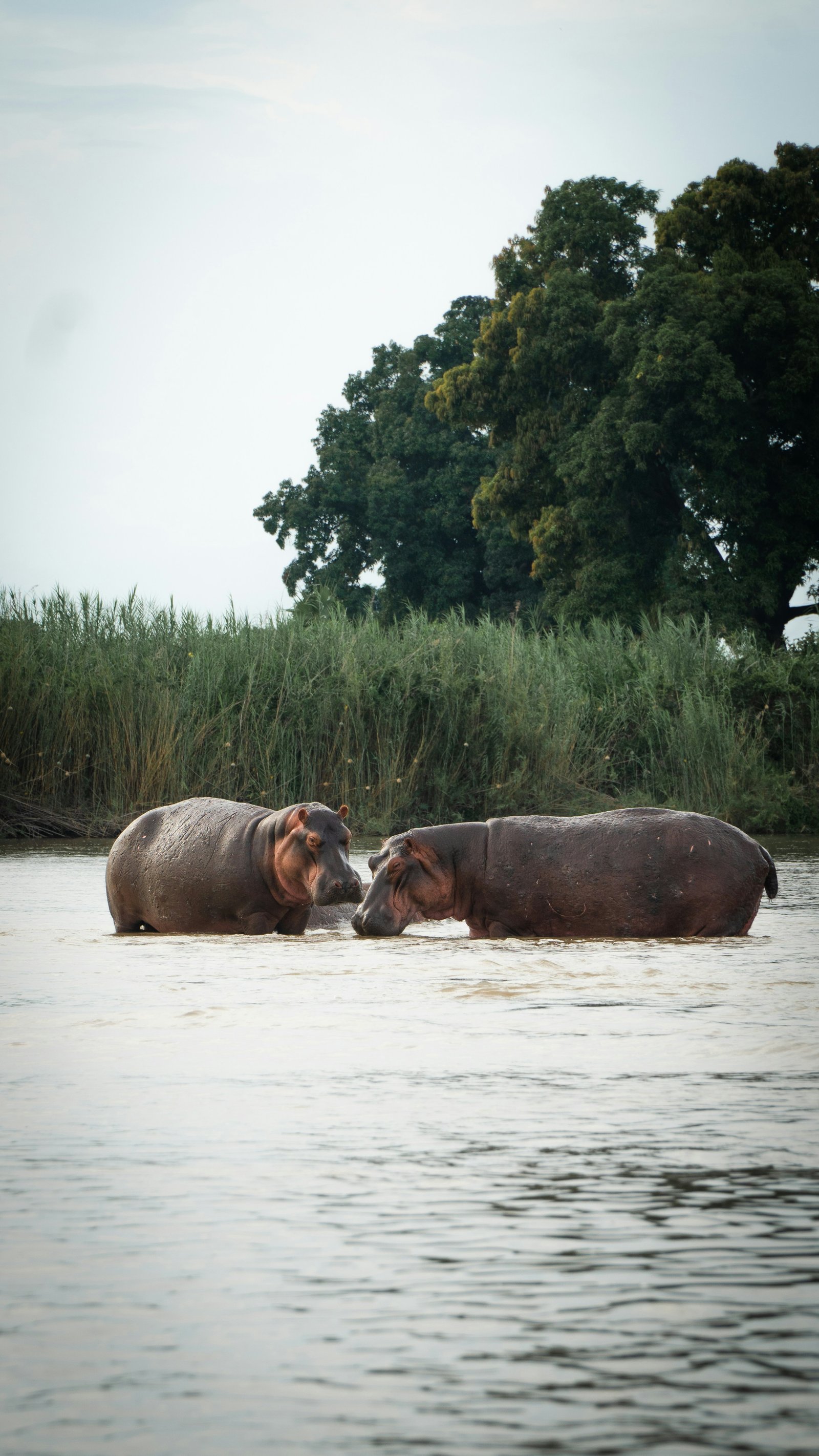
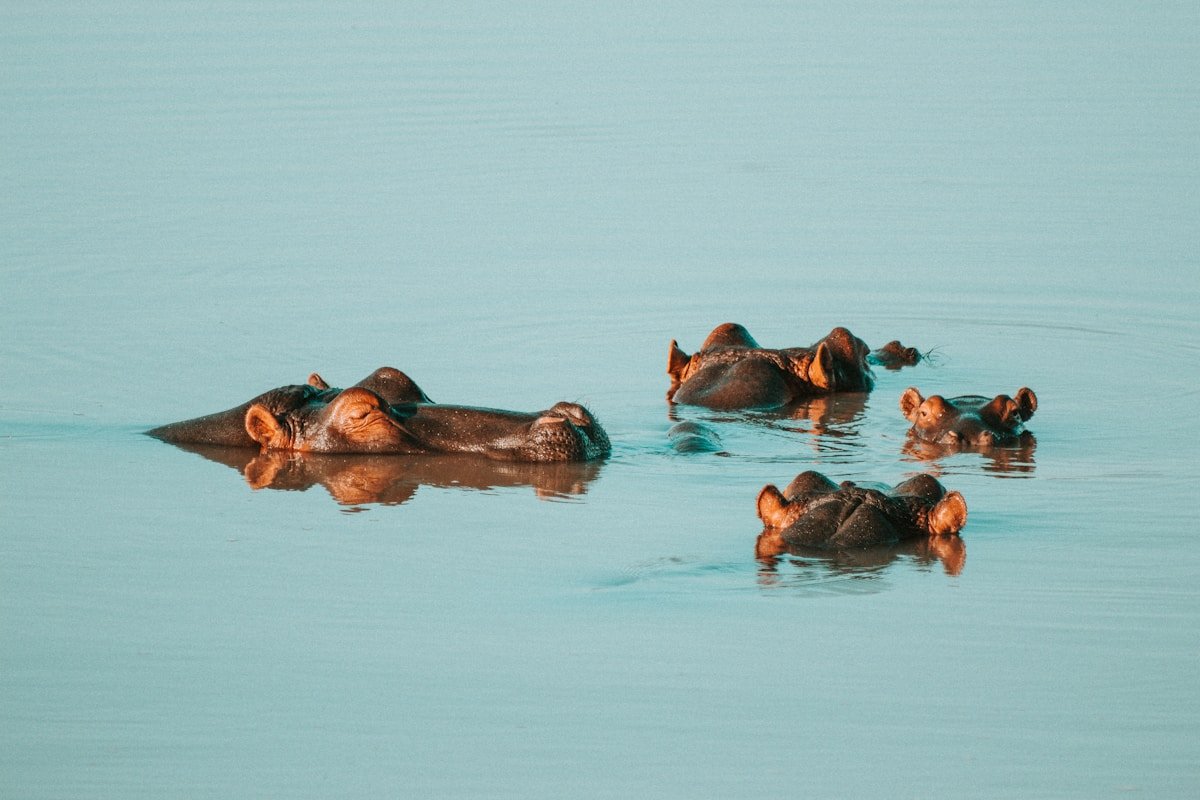
Katavi is Tanzania's most remote major park - pods of 200+ hippos share the Katuma River, lions are bold, and visitor numbers stay in double digits daily.
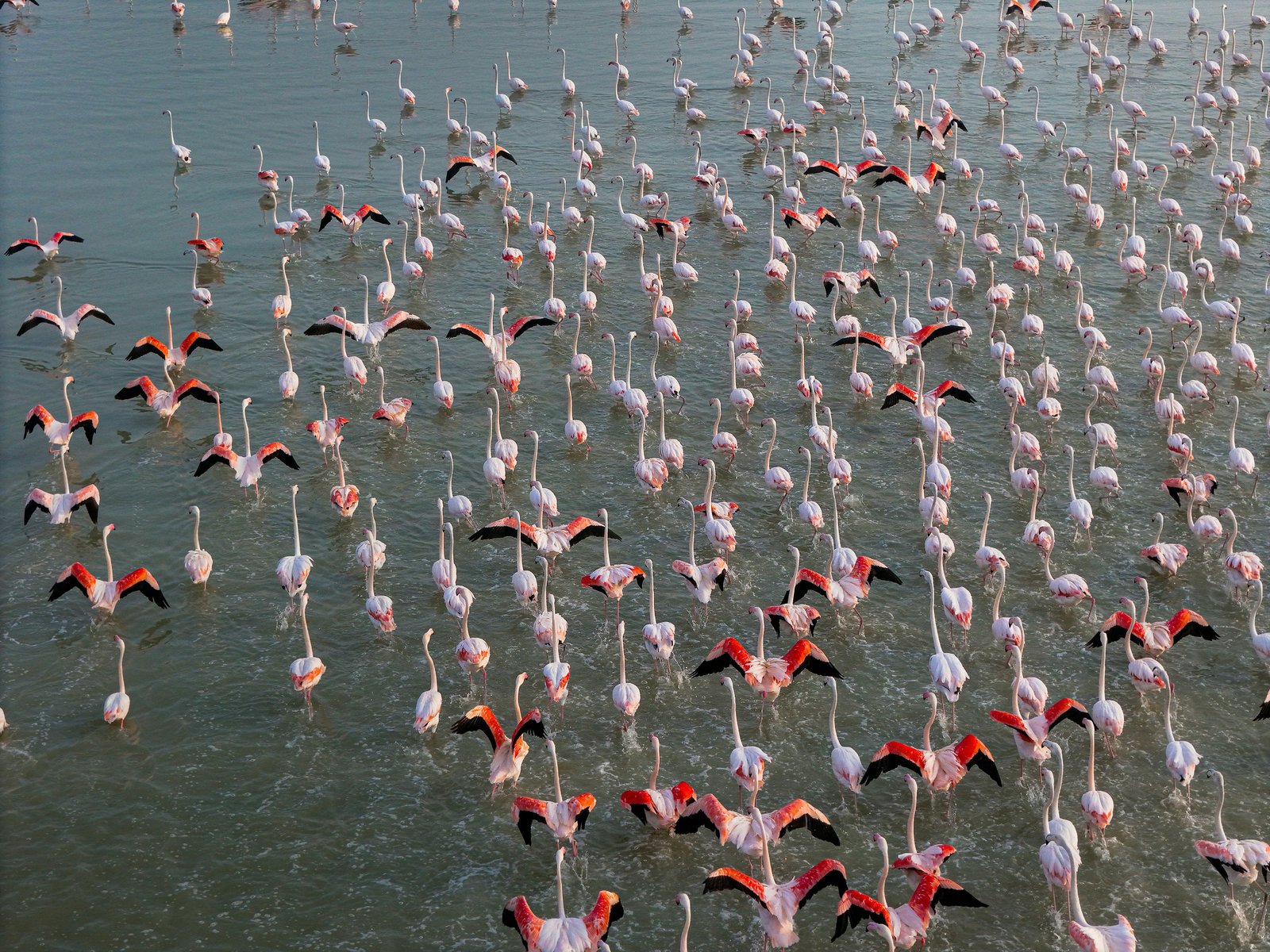
Tanzania's alkaline Lake Natron hosts up to 2.5 million lesser flamingos and the active Ol Doinyo Lengai volcano nearby - 3–4 hours from Arusha.
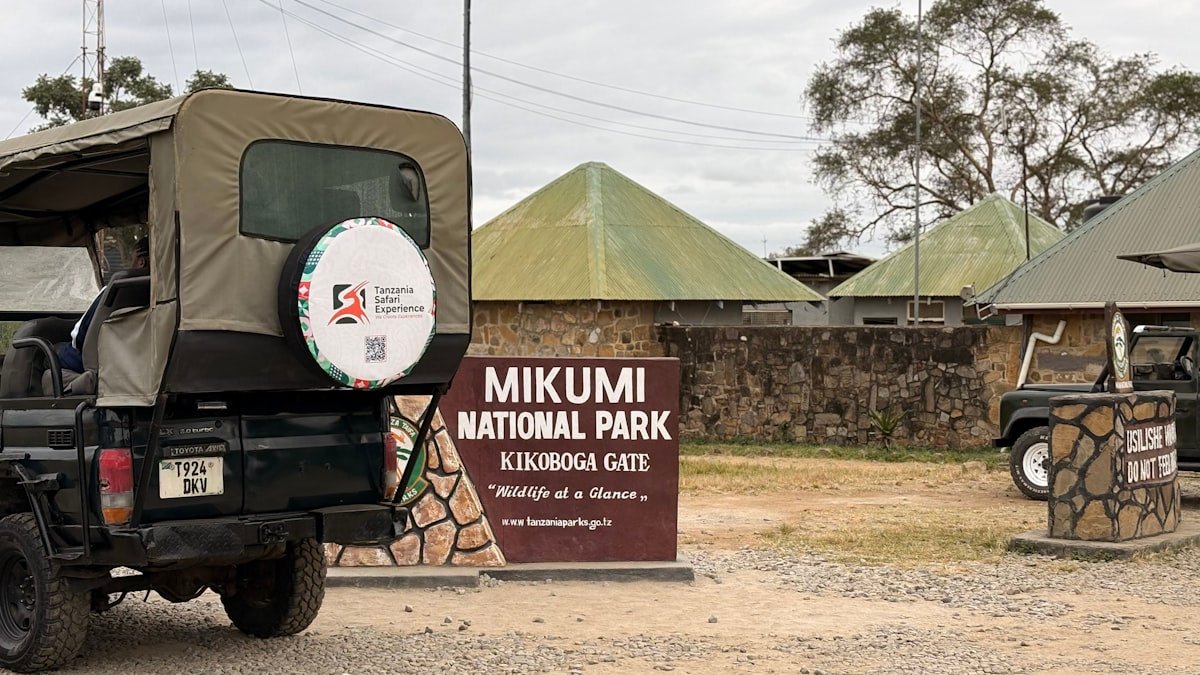
Mikumi National Park is 3 hours from Dar es Salaam: Tanzania's easiest Big Five safari. Lions, elephants, budget camps and entry fees covered.
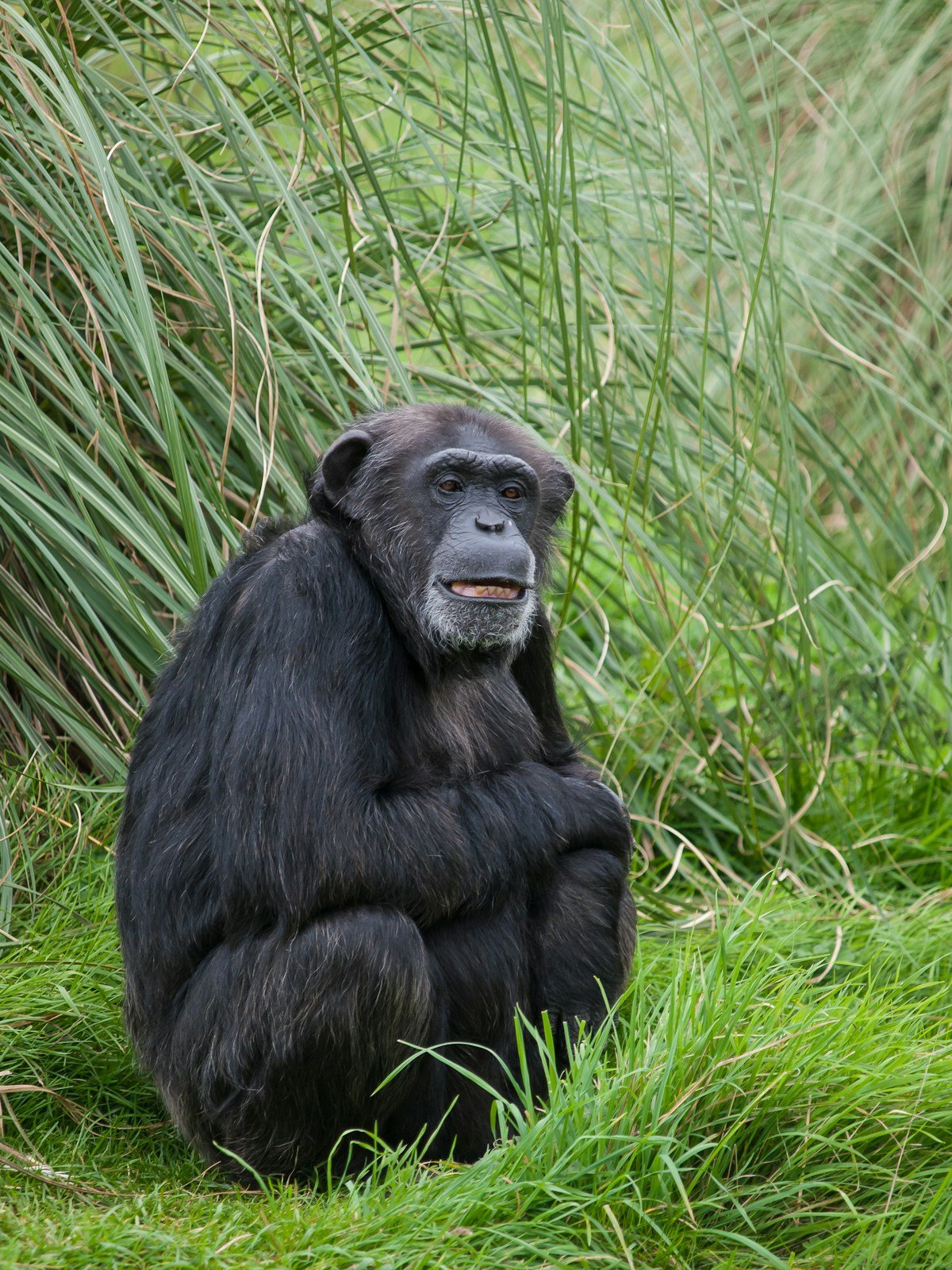
How Gombe and Mahale differ: chimp habitats, research histories, social structures, best season, and which park suits different travellers.
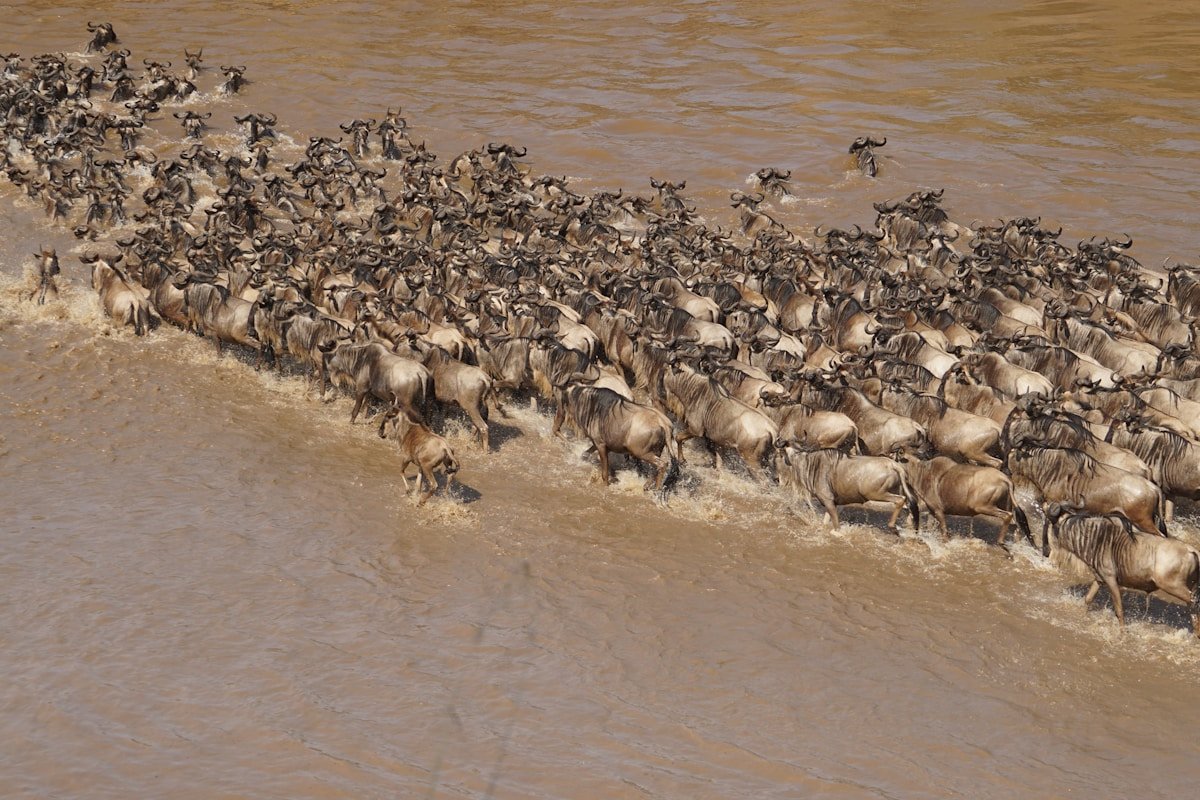
The Great Migration's annual cycle: 1.5 million wildebeest, month-by-month crossing zones, calving ecology, and the forces driving the loop.
Nyerere National Park (formerly Selous) is Africa's largest game reserve. Boat safaris, walking safaris, camps and practical guide for visitors.
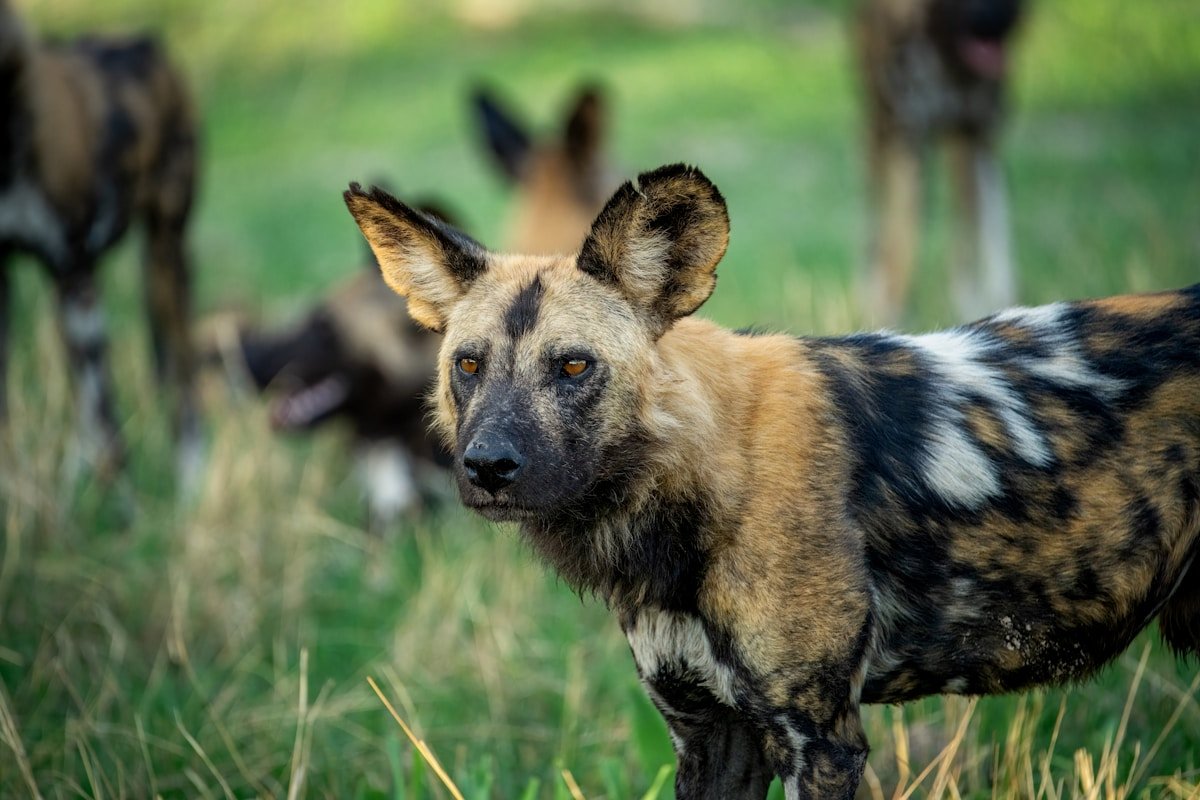
Ruaha National Park is Tanzania's largest park and least visited. Wild dogs, lions, elephants and true wilderness. Camps, costs and how to visit.
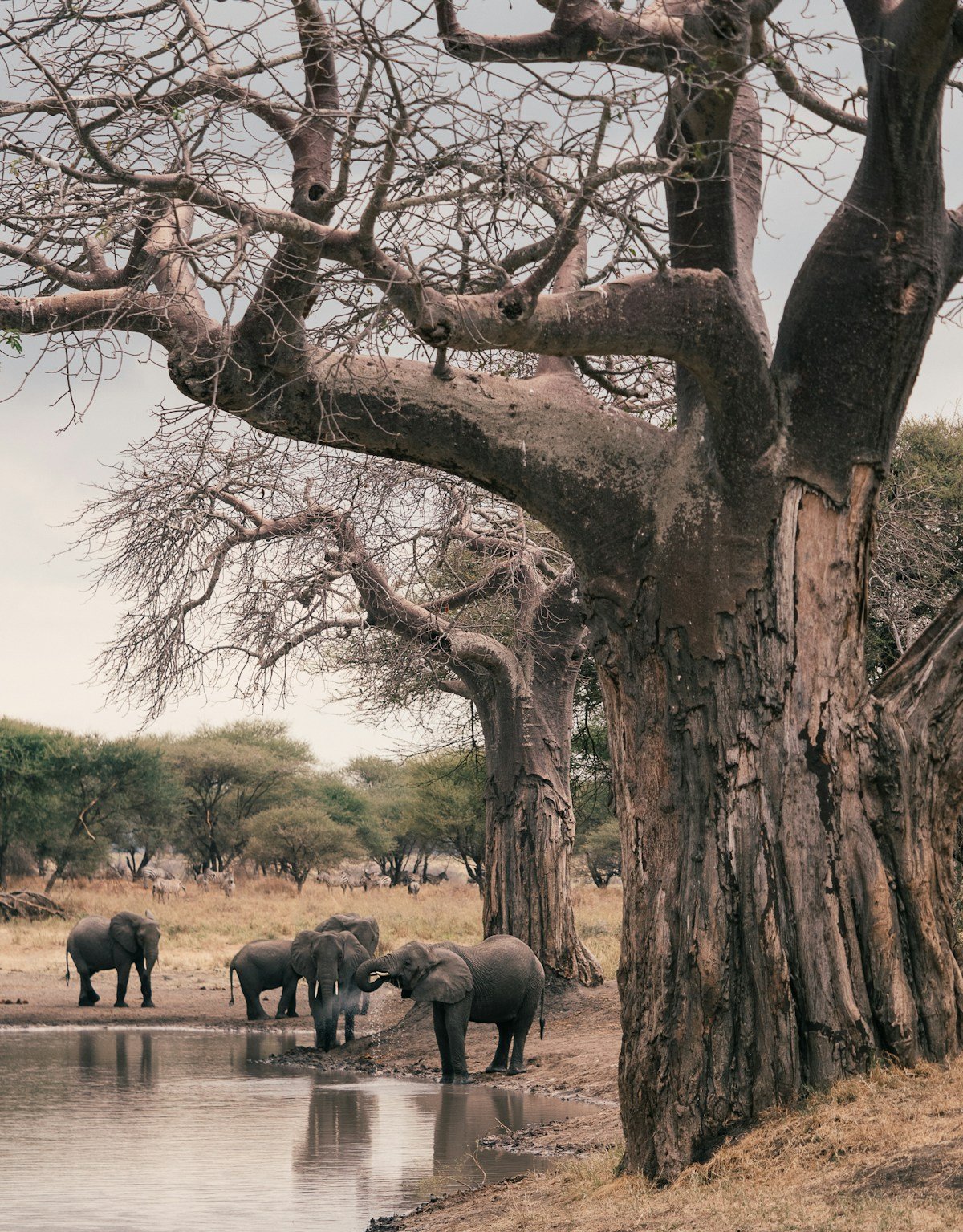
Visit Tarangire National Park in Tanzania for massive elephant herds, ancient baobab trees and excellent dry-season wildlife. Park fees, camps and tips.
Book an experience
Instant confirmation · Free cancellation on most bookings
Book your Tanzania safari