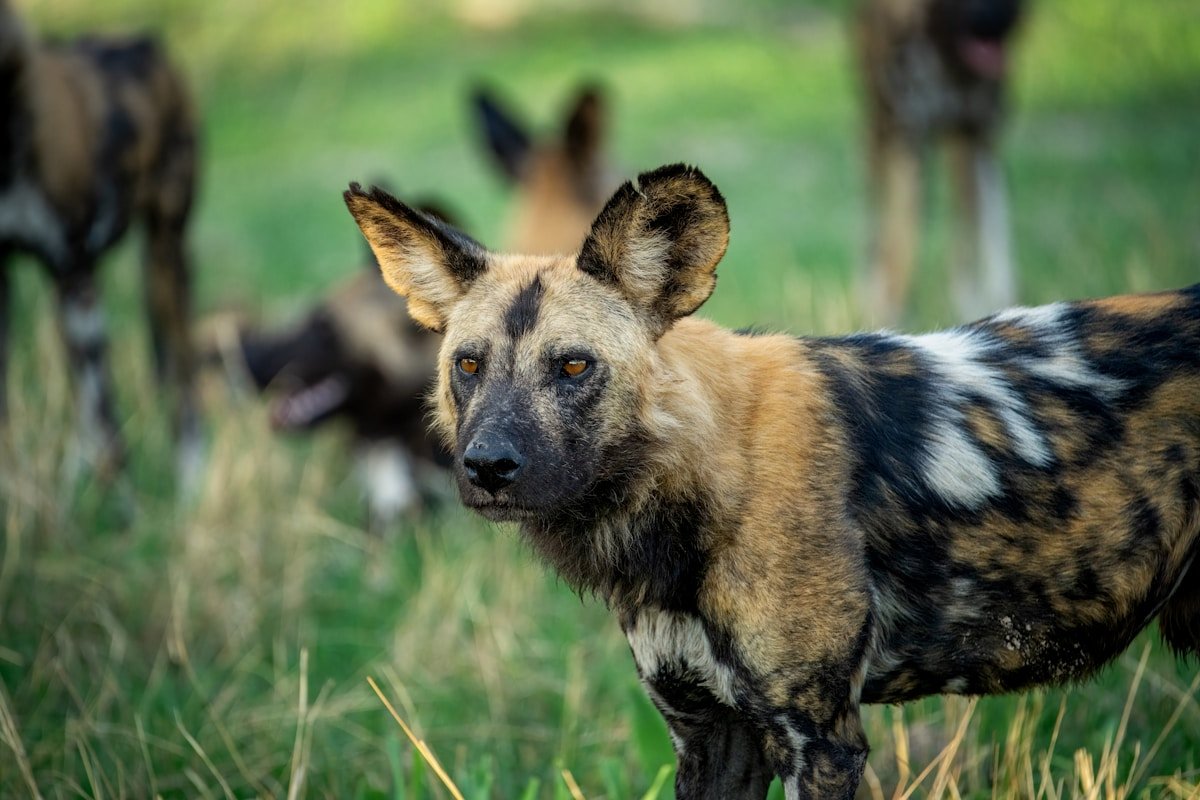
Ruaha is Tanzania’s largest national park and one of the least crowded of its calibre anywhere in Africa. At 22,000 square kilometres - larger than Kruger - it receives a fraction of the visitors of the Serengeti, yet holds comparable wildlife in terms of quality and drama. Lions, leopards, cheetahs, elephants and enormous herds of buffalo are resident year-round. African wild dogs, one of the continent’s most endangered predators, breed here reliably every year.
The experience Ruaha offers is fundamentally different from the northern circuit: you may drive for an hour and see no other vehicle. Game drives feel like genuinely private encounters rather than shared performances.
Why Ruaha Stays Off the Radar
The main reason is logistics. Ruaha is in south-central Tanzania, roughly 625 kilometres from Dar es Salaam and far removed from the Serengeti-Kilimanjaro-Zanzibar corridor that most visitors follow. The drive from Dar takes 8–10 hours. Flying in via Dar es Salaam or Arusha is the only practical option for most travellers.
The other reason is cost - southern Tanzania’s parks are overwhelmingly camp-based, and camps here tend to be smaller and more expensive than the heavily competitive northern circuit market. There is no budget option equivalent to camping in the Serengeti.
But if you want wilderness, predator density, and a safari experience where you feel like an explorer rather than part of a convoy - Ruaha delivers.
The Wildlife
Lions: Ruaha has one of the highest lion populations in Africa, estimated at 10% of the continent’s total. Prides are large and visible, particularly along the Great Ruaha River in the dry season. Lion-buffalo interaction is spectacular and regular.
African wild dogs: This is Ruaha’s signature species. Wild dogs (Lycaon pictus) are critically endangered, with perhaps 6,000 remaining across the continent. Ruaha consistently holds breeding packs, and the early morning hunt - when a 15-strong pack takes down an impala at full sprint - is one of the greatest wildlife spectacles in Africa. Sightings are not guaranteed but are reliable for guests who spend 3+ nights and go out early.
Elephants: Ruaha holds one of Tanzania’s largest elephant populations - upward of 12,000 animals. Like Tarangire, they concentrate along the Great Ruaha River in the dry season. Unlike Tarangire, you share the riverbank with almost no one else.
Leopard: The dense Combretum-Commiphora woodland in Ruaha is ideal leopard habitat, and Ruaha’s leopards are relatively visible for a southern Tanzania park. Cubs are frequently seen with females along rocky river courses.
Kudu and lesser kudu: Ruaha has both greater and lesser kudu, the latter uncommon in Tanzania. The semi-arid northeast of the park is the best area for lesser kudu.
Birds: Over 570 species recorded, including the Eleonora’s falcon (seasonal), Dickinson’s kestrel, and several dry-country species not found in the north.
The Great Ruaha River
The Great Ruaha River defines the park’s dry-season experience. As water elsewhere fails, the river becomes a magnet for every species in the ecosystem. Hippo pods number in the hundreds at some pools. Crocodiles line the banks. Elephants, buffalo and impala queue to drink within metres of each other while lions rest in the shade of riverine trees.
River-based drives along the northern bank - accessible from most camps - are the core game drive activity.
Park Entry Fees (as of 2026)
- Non-resident adults: USD 68 per person per day
- Non-resident children (5–15): USD 34 per person per day
- Vehicle fee: approximately USD 40–200
Ruaha is run by Tanzania National Parks (TANAPA). Fees are paid through the TAZAMA system.
Getting to Ruaha
By air (recommended): Fly from Dar es Salaam or Arusha to Msembe or Jongomero airstrips inside or adjacent to Ruaha. Flight time from Dar approximately 1 hour. Coastal Aviation, Air Excel, and ZanAir offer scheduled connections. Most camps include the Dar–Ruaha flight leg in their packages.
By road: From Iringa (the nearest regional centre, accessible from Dar or Dodoma), the drive to the park entrance at Msembe takes 1.5–2 hours on rough tracks. Total road journey from Dar is 8–10 hours. Possible but not recommended given the time cost.
Where to Stay
Mid-Range
Search hotels in Iringa on Booking.com
Jongomero Camp - One of Ruaha’s most respected mid-range options, with 8 tents set along a dry river course. Strong walking safari programme. Rates from approximately USD 500–700 per person per night, fully inclusive.
Mwagusi Safari Camp - A long-established camp with an intimate atmosphere and exceptional guides. Known for wild dog sightings from within the camp perimeter. Rates from approximately USD 600–800 per person per night, fully inclusive.
Luxury
Kwihala Camp - A newer camp with excellent design and professional guiding. 9 tents positioned for exceptional river views. Rates from approximately USD 800–1,000 per person per night, fully inclusive.
Kwihala Ruaha is currently the best-reviewed camp in Ruaha by independent travellers on specialist safari review platforms.
Jongomero (mentioned above) doubles as a luxury option depending on the season rate - their guiding quality is consistently rated exceptional.
Usangu Expedition Camp - A seasonal fly-camp in the Usangu wetlands west of Ruaha’s main area. Accessible only in the dry season. Rates from approximately USD 900–1,200 per person per night, fully inclusive.
The TANAPA rest houses at Msembe are available for budget travellers but require self-sufficiency (food, water, fuel) - rates approximately USD 30–60 per person per night, plus park fees.
Best Season
June–October (dry season): The definitive time to visit. Animals concentrate at the Great Ruaha River. Vegetation is low, making spotting easier. Wild dog pups emerge from dens from June onward and follow the pack, making sightings longer and more dramatic. Temperatures are warm (25–32°C) but not extreme.
November–February (green season): The park is largely inaccessible due to heavy rains flooding tracks in December and January. Some camps close. Birds are spectacular, and calving creates predator-prey drama of its own. Not recommended for a first visit.
March–May: Parks close for internal track maintenance. Most camps shut. Do not plan a visit during this period.
Walking Safaris
Ruaha is one of the finest walking safari destinations in Africa. Professional armed rangers escort groups of 2–6 guests into the bush at dawn, covering 8–12 kilometres on foot. The experience of reading animal tracks, identifying dung, and approaching buffalo quietly on foot with a ranger who has spent decades in the park is categorically different from a vehicle-based drive.
Walking is not available inside the national park per se - it operates from camps in adjacent Wildlife Management Areas (WMAs), particularly the Mbomipa WMA to the north of the park. Most reputable camps have Walking Safari packages.
Combining Ruaha
The natural combination for Ruaha is the southern Tanzania circuit: Ruaha + Nyerere National Park (Selous) + Zanzibar. Flights connect these with minimal road travel. This southern loop is less known than the northern circuit but arguably offers higher wildlife quality per dollar - lower camp occupancy means better guiding attention and less shared drives.
Frequently Asked Questions
Is Ruaha better than the Serengeti? Different rather than better. The Serengeti offers the migration spectacle and greater accessibility. Ruaha offers solitude, predator density, and an experience that still feels exploratory. Many experienced safari travellers prefer Ruaha on repeat trips.
How many nights do you need in Ruaha? Three nights is the minimum to do the park justice. Four or five nights lets you cover the different river sections, attempt morning walks, and have enough game drives for reliable wild dog sightings.
Can I visit Ruaha independently? Technically yes - you can hire a 4WD in Iringa and camp in the national park. Practically, it’s complex without local knowledge, and the park’s size means independent self-drive visitors frequently see very little. A guided camp experience is the way to get the most from Ruaha.
Browse Tanzania safari tours for operators running the southern circuit (Ruaha + Nyerere). If you’re arranging your own transport from Iringa, car hire in Tanzania lists 4WD options appropriate for the rough tracks into the park. Medical evacuation from Ruaha to Dar es Salaam or Nairobi is extremely expensive - travel insurance for Tanzania with medical evacuation cover is essential.