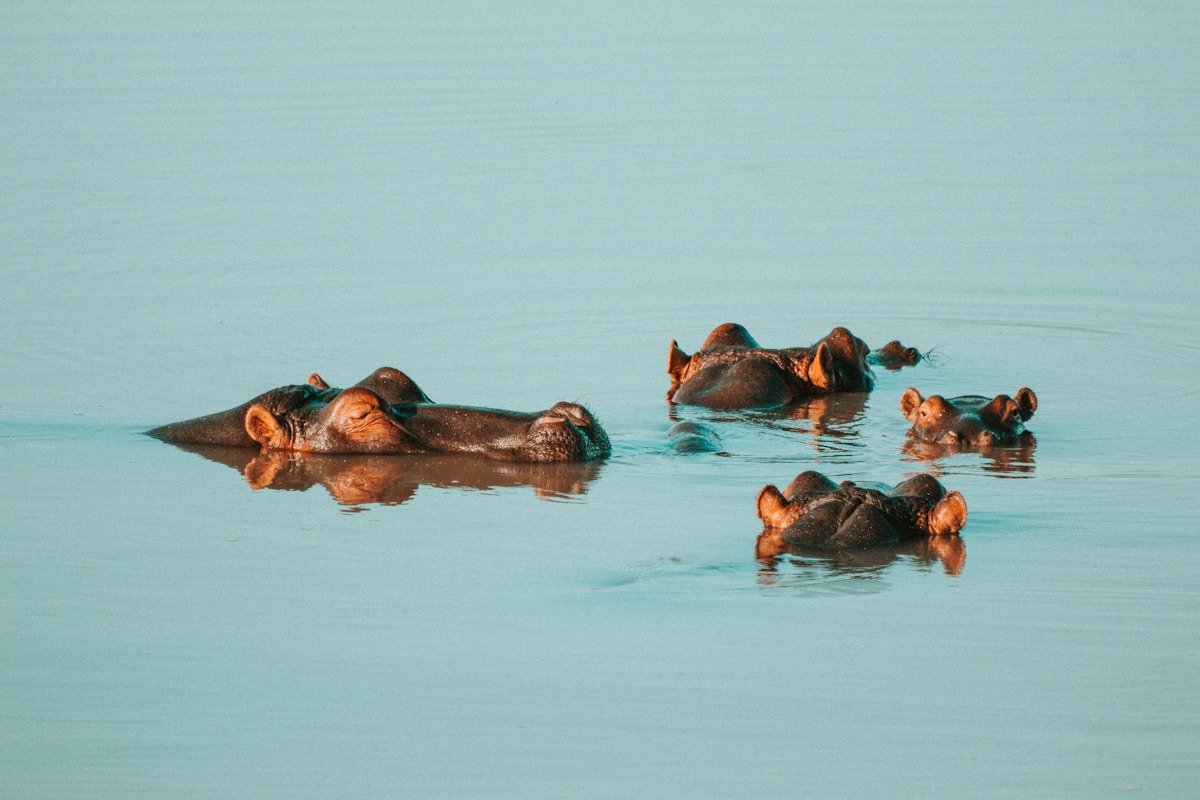
The Selous Game Reserve - now partly converted into Nyerere National Park - is Africa’s largest game reserve, covering approximately 50,000 square kilometres in southern Tanzania. To put that in perspective: it is larger than Denmark and about the same size as the whole of Costa Rica. Yet it receives fewer visitors per year than the Serengeti does in a week.
In 2019, the reserve was split: the northern photographic tourism zone became Nyerere National Park (named after Tanzania’s founding president Julius Nyerere), while the southern hunting concessions remain under the Selous Game Reserve name. When travellers discuss “Selous safari,” they almost universally mean the Nyerere National Park section - the lake system, river channels and camp clusters around the Rufiji River and Lake Manze.
What Makes Nyerere Different
Two things set Nyerere apart from Tanzania’s northern parks:
1. Boat safaris on the Rufiji River. No other national park in Tanzania allows water-based game viewing in this way. You drift in silence past hippo pods, crocodiles and elephant drinking at the bank. Fishing eagles work the river above you. Buffalo cross from sandbank to sandbank. Bird life along the channel is phenomenal. The boat safari is the defining Nyerere experience.
2. Walking safaris. Nyerere is one of Tanzania’s premier walking destinations. Unlike many national parks that prohibit walking, Nyerere actively encourages it. A professional armed ranger leads small groups into the bush - on foot, reading spoor, approaching game quietly and experiencing the landscape from ground level.
Wildlife in Nyerere
The reserve supports one of the largest concentrations of elephants in Africa (estimated at 65,000–70,000 prior to severe poaching in the 2000s and 2010s; numbers have been recovering since intensive anti-poaching operations began around 2015–2016). Other wildlife includes:
- Hippo: The Rufiji River and lakes hold some of the highest hippo densities on the continent.
- Crocodile: Nile crocodiles in the river are enormous - 5-metre specimens are common sights.
- Wild dogs: Nyerere is one of the most reliable locations for African wild dogs in Tanzania, with multiple breeding packs.
- Lion, leopard and cheetah - all present, though dense vegetation makes sightings less frequent than in the open Serengeti.
- Cape buffalo: Herds of several thousand animals move through the park, making for dramatic viewing from boats and vehicles.
- Sable antelope: One of Nyerere’s special mammals, most easily spotted in the woodland areas.
The bird list exceeds 440 species, including palm-nut vulture, Pel’s fishing owl (extremely rare but recorded at the river), and African skimmer along the sandbars.
The Rufiji River System
The Rufiji is Tanzania’s largest river by discharge volume. Inside Nyerere, it fans out into a system of channels, oxbow lakes and sand banks. Several lakes are connected to the river - Lake Manze, Lake Tagalala, Lake Nzerakera - each with different character and wildlife concentrations.
Lake Manze is the most wildlife-concentrated body of water in the park. Hippo pods number in the hundreds. Crocodiles are very large and very numerous. The tree line around the lake holds fish eagles, herons and kingfishers in abundance.
The Rufiji channel offers longer boat excursions with changing scenery - wide banks, forested islands and occasional open grassland sections where buffalo and elephant come to drink.
Activities in Nyerere National Park
Boat safaris: The signature activity. Most camps offer morning and afternoon trips of 2–3 hours. Some camps offer full-day Rufiji expeditions with a packed lunch and swimming stop at a sandy bank. Allow at least two boat outings to cover both the lake and the river channel.
Walking safaris: Available from most camps, led by TANAPA professional rangers. Groups limited to 6. Walking typically covers 6–10 kilometres over 2–3 hours. Walking and wildlife are best combined with a morning boat trip.
Vehicle game drives: Standard 4WD open-sided vehicles, particularly in the woodland areas where wild dogs and sable antelope are found. Some camps offer night drives in adjacent Wildlife Management Areas.
Fly camping: Several camps offer single-night expeditions to remote fly camps - just a few tents, a cook fire and the bush. One of the most atmospheric experiences in Tanzania.
Fishing: Sport fishing for tiger fish, catfish and various cichlid species is permitted with a licence from TANAPA. Some camps cater specifically to fishing guests.
Park Entry Fees (as of 2026)
- Non-resident adults: USD 68 per person per day (Nyerere National Park zone)
- Non-resident children (5–15): USD 34 per person per day
- Boat safari permit: approximately USD 20–30 per person per excursion (check with camp as policies update)
Note: Some sources list higher combined rates for boat + entry combinations. Confirm current fees with your camp or a specialist operator before booking.
Getting to Nyerere
By air (strongly recommended): Fly from Dar es Salaam to Selous/Nyerere airstrip. Flight time approximately 35–45 minutes. Multiple operators including Coastal Aviation and Air Excel fly scheduled services. The connection from Zanzibar is approximately 1 hour with a Dar stop. Most camps include or arrange this flight transfer.
By road and train: The TAZARA railway from Dar es Salaam passes through the reserve to Farkwa and Kisaki stations, from which some operators offer transfers. The train journey takes approximately 5–6 hours from Dar to the border of the reserve - scenic but slow. A road transfer from Dar takes approximately 4–5 hours.
Where to Stay
Mid-Range (USD 300–600 per person per night)
Search hotels in Dar es Salaam on Booking.com
Roho ya Selous - A 10-tent camp on the Rufiji with a strong reputation for guiding and walking safaris. Rates from approximately USD 400–550 per person per night, fully inclusive.
Wild Mango Camp - A smaller, more intimate camp with personalised service. Good for couples and small groups. Rates from approximately USD 350–500 per person per night, fully inclusive.
Selous Impala Camp - A comfortable mid-range option with good vehicle access and a lake view. Rates from approximately USD 300–450 per person per night, full board.
Luxury (USD 700+ per person per night)
Jongomero at Nyerere - Not to be confused with the Ruaha camp of the same name; this refers to higher-end Nyerere options. &Beyond’s Vumbura Plains-equivalents in southern Tanzania set the standard here.
Siwandu Camp - A long-established luxury camp on Lake Nzerakera with 12 tents, a pool and exceptional guiding team. Rates from approximately USD 700–950 per person per night, fully inclusive.
Asilia’s Highlands Camp (seasonal) - Set in a remote area of Nyerere with excellent walking. Rates from approximately USD 800–1,100 per person per night.
Sand Rivers Selous - One of the finest camps in Tanzania, set directly on the Rufiji with a blend of permanent buildings and open-sided architecture. Known for walking and boat excursions. Rates from approximately USD 900–1,200 per person per night, fully inclusive.
Best Season
June–October (dry season): The definitive time. The Rufiji drops to reveal sandy banks, concentrating wildlife around water. Boat safaris are most productive as hippos are packed into smaller pools. Vegetation is low, aiding game viewing on land. Wild dog pups emerge from June onward.
January–March (short dry, green season): Acceptable for wildlife but tracks become muddy and some areas inaccessible. Birding is exceptional with Palearctic migrants present. Some camps offer reduced rates.
April–May and November–December (rains): Most camps close. The reserve is not accessible for visitors.
Combining Nyerere with the Rest of Tanzania
The most natural pairings:
- Nyerere + Zanzibar: Fly from the airstrip to Zanzibar (approximately 1 hour via Dar). Bush-to-beach in under 2 hours.
- Nyerere + Ruaha: The southern circuit. Fly between the two parks directly (approximately 1 hour). 3 nights each is the ideal structure.
- Nyerere + Dar es Salaam: A single night in Dar makes an easy bookend for Nyerere arrivals from international connections.
Frequently Asked Questions
Is the Selous / Nyerere better than the Serengeti? For solitude, boat safaris and walking, yes - it’s a completely different experience. For the Great Migration, the Serengeti wins outright.
How many nights in Nyerere? Three nights is the minimum to experience both the river boat safari and walking properly, with time for the wild dog-rich woodland areas. Four nights is better.
Is malaria a risk? Yes - southern Tanzania is highly malaria endemic. Prophylaxis is essential. Consult a travel health clinic 6–8 weeks before travel.
For bookable Nyerere and Selous safari packages, Tanzania tours includes operators who run the southern circuit. Medical evacuation from the Rufiji River area to Dar es Salaam is expensive - travel insurance for Tanzania with full evacuation cover is essential. To stay connected during the Dar es Salaam transit and safari logistics, an eSIM for Tanzania works at Dar airport and across most urban areas without requiring a local SIM.