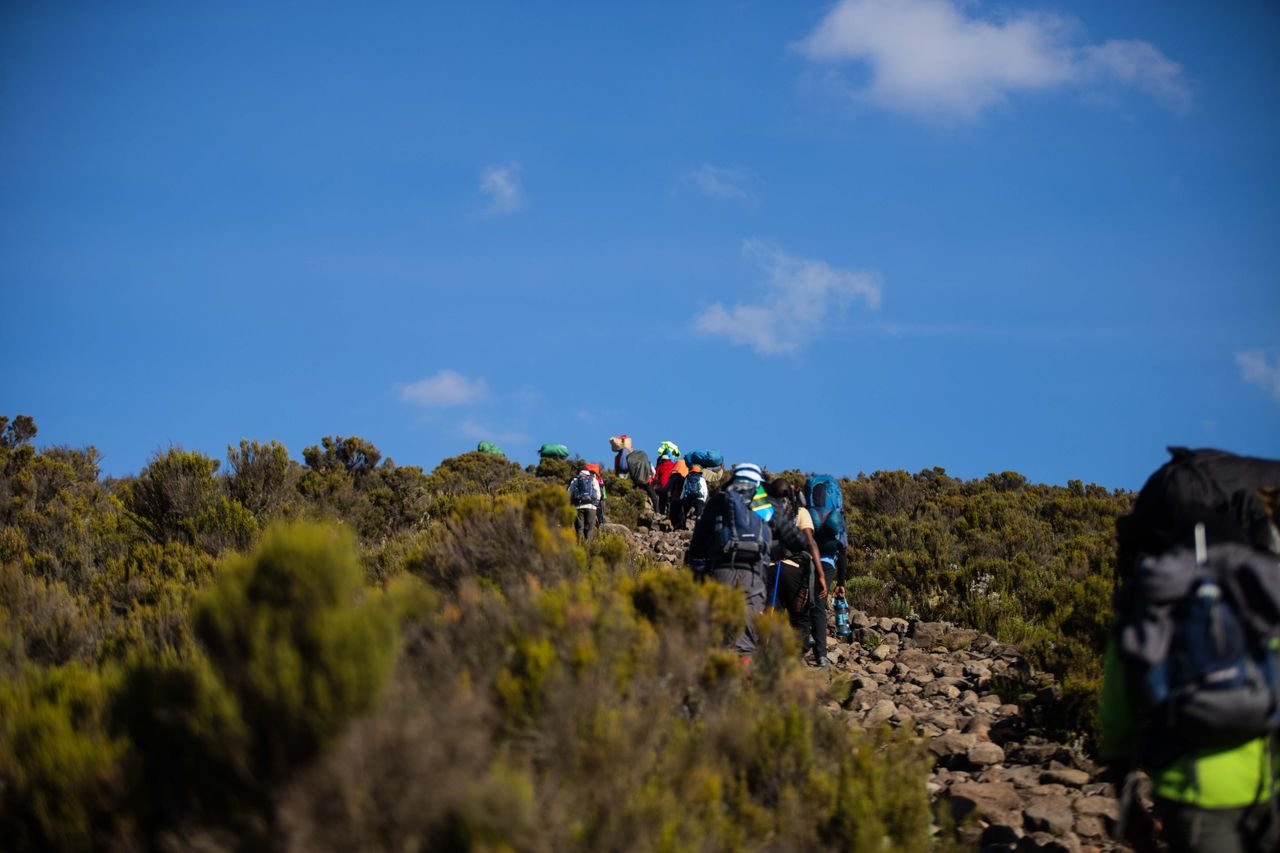
Most visitors to northern Tanzania see Kilimanjaro and the Serengeti and never learn that a cool, green mountain range sits about half a day’s travel east of Moshi. The Usambara Mountains rise above the dry plains of Tanga Region in two blocks, the West and East Usambaras. Lushoto, a market town in the west, is the base for nearly every hike. Here we cover how to get there, the best walks, what guides cost, the birdlife and the German colonial history, plus where to sleep.
Why Visit the Usambara Mountains
Altitude does the work. Lushoto sits well above the hot coast, so days are mild and evenings need a jumper. The range is part of the Eastern Arc Mountains, an ancient chain known for endemic plants, chameleons and birds. Farms of vegetables, plums and pears cover the slopes, and village paths link them. Unlike Kilimanjaro or Mount Meru, there are no park permits, no mandatory armed rangers and no summit-night pressure. Walking is on village trails among farmland and forest patches, so we recommend it for travellers who want a slower, cultural hike with long views.
It also works as a rest stop. If you have just finished a climb from our Kilimanjaro trekking guide, the Usambaras give tired legs gentle gradients and cheap food.
Getting There from Moshi and Arusha
There is no direct tourist shuttle from Moshi, so you go by public transport via Mombo, the junction town on the main road.
- Moshi or Arusha to Mombo: board any bus heading to Tanga or Dar es Salaam and ask to be dropped at Mombo. Allow approximately 4.5 hours from Moshi (longer from Arusha).
- Mombo to Lushoto: dala-dalas and small coasters run up the mountain road in about 1 hour. One older source quotes TSh 2,500; expect to pay somewhat more now and ask the conductor before boarding.
- From Dar es Salaam or Tanga: buses also stop at Mombo, or run direct to Lushoto on some services.
Start early so you reach Lushoto in daylight. A private car from Moshi is the quicker option, and the Moshi day trips page lists local operators who can quote it. For tour options across the region, browse Tanzania tours on GetYourGuide.
The Best Hikes Around Lushoto
Irente Viewpoint. The classic half-day walk, or a short boda-boda (motorbike taxi) ride, from Lushoto town. The cliff edge looks out over the Maasai Steppe far below. Entry is reported at TSh 2,000 (under USD 1) for day visitors, and free for guests at the nearby lodge. A motorbike from town was quoted at under USD 4 on traveller blogs; agree the price first.
Magamba Forest. A cooler, thicker indigenous forest reached from the Magamba side of the range. It is the best place nearby for chameleons and forest birds, and a guide helps greatly with spotting.
Sakarani Falls and village loops. Guides around Lushoto offer half-day circuits to waterfalls and farming villages, often combined with a stop at a local market. Ask your guesthouse for a registered guide rather than an informal tout, and agree the route and price before leaving.
Lushoto to Mtae. The long-distance route, roughly 60 to 82 km depending on the variation, usually walked in 3 to 5 days. You overnight in villages and basic guesthouses, crossing ridges, forest and farm terraces. Operator packages for four days were listed at approximately USD 500 per person as of 2026, normally bundling the guide, a village development fee and meals. Budget extra for tips. Independent walkers can arrange it more cheaply through local guides in Lushoto, but we recommend a guide as signage is minimal.
Guide Costs and What to Budget
- Day hike with a guide: approximately USD 35 per person on one 2021 traveller report. Treat it as a guide to the scale, not a fixed tariff.
- Irente Viewpoint: TSh 2,000 entry, plus a motorbike or a walk.
- Multi-day Mtae trek: from about USD 500 per person on a packaged 4-day basis, as of 2026.
- Food: a plate of local rice, beans and greens in town costs a few thousand shillings. Carry small notes, as there are few ATMs outside Lushoto.
Prices vary by season and by how many people share a guide, and we have not verified current operator rates, so confirm before you pay.
Birdwatching in the Usambaras
The range is a serious birding destination, with more than 500 bird species recorded across the Usambaras, along with several species found nowhere else. Highlights birders look for include the Usambara weaver, Usambara eagle-owl and Amani sunbird, and forest edge walks near Magamba and the East Usambara reserves are the main sites. Early morning in forest is best. Hire a specialist guide, as most endemics are shy and call-based identification matters.
German Colonial History: Wilhelmstal
Before it was Lushoto, the town was Wilhelmstal. German colonial administrators in Tanganyika favoured the cool climate, and the Usambaras became a summer retreat and farming district in the late 19th and early 20th century. The railway line from Tanga to Mombo, built under German rule, opened the lowlands to the mountains. Traces remain in stone houses, old administrative buildings and the layout of the town centre, and some place names still use the German form. If you travel from Germany, this adds a layer to the trip, and the Wilhelmstal story will also appear in our German-language pages. For wider context, see the Wikivoyage entry on Lushoto{target=“_blank”} and the Tanzania Tourist Board{target=“_blank”}.
Where to Stay in Lushoto
We do not name specific properties here, as we could not confirm current Booking.com listings for each. The options fall into three types:
- Hotels in Lushoto town: simple three-star style hotels and lodges close to the market and bus stand. Convenient if you arrive late and plan walks from the town.
- Viewpoint and cliff lodges: places near Irente and Magamba that include views, gardens and dinner. Good for a quiet two nights.
- Village guesthouses: the budget route on multi-day treks, basic beds and shared bathrooms, usually arranged by your guide.
Search current availability and prices through hotels in Tanzania on Booking.com. If you need to break the journey in Moshi first, see Moshi hotels, or use Arusha hotels as a starting base.
When to Go
The drier months of June to October, plus January and February, give the clearest views. The long rains from March to May make trails slippery. Nights can be cool year-round, so pack a fleece, waterproof jacket and sturdy shoes. Allow two to three nights for the day hikes, or five if you plan the Mtae route.
Combining Lushoto with Kilimanjaro or the Coast
The range fits neatly between the northern safari circuit and the Indian Ocean. A common loop is Moshi, Lushoto, then onward by bus to Tanga or Dar es Salaam and Zanzibar. For guided options near Moshi before you leave, see Moshi tours.