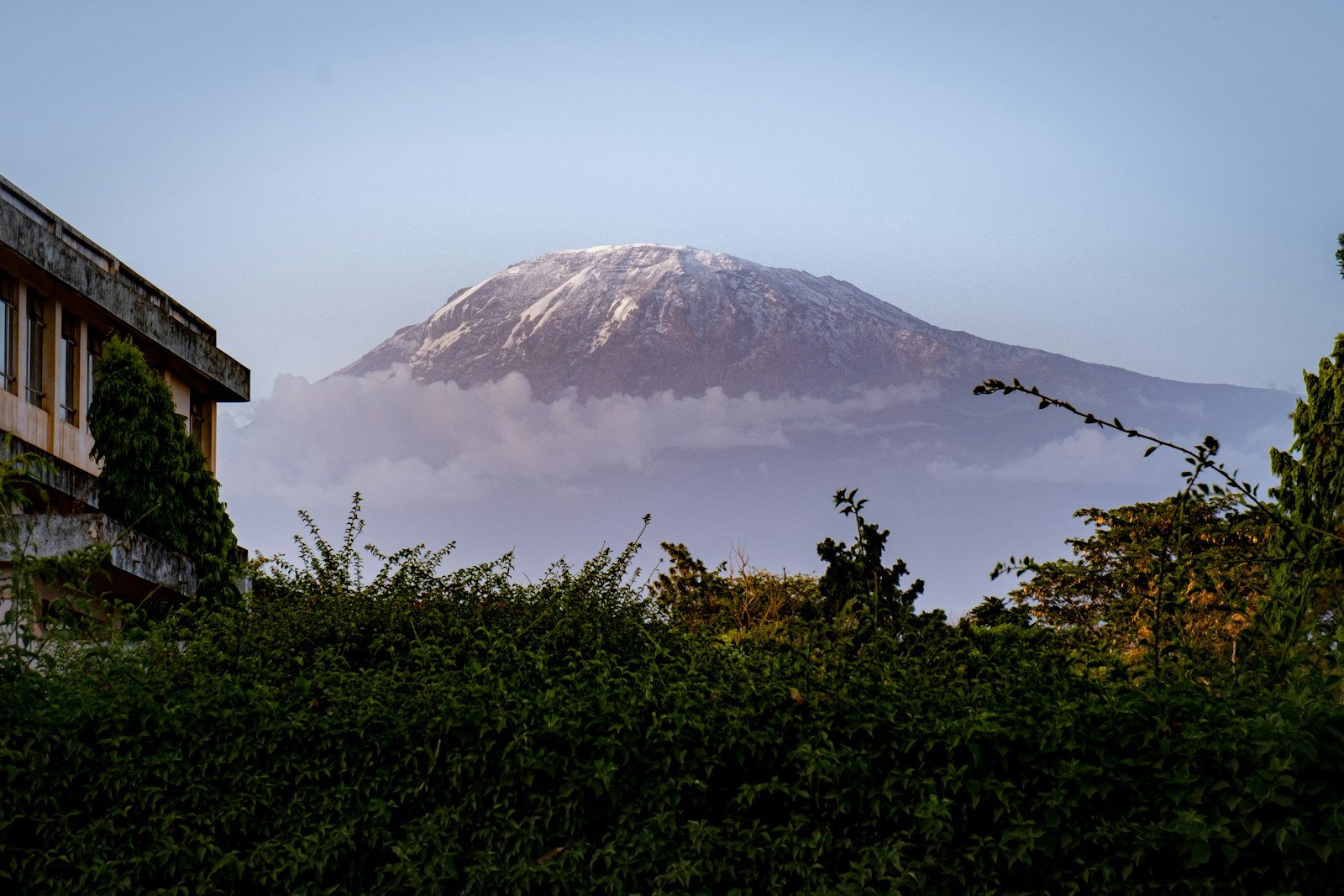
Moshi’s position at the base of Kilimanjaro means you are already in one of the most scenically and culturally productive corners of East Africa before you even think about the mountain. The Chagga highlands rising north and east of town are laced with coffee terraces, banana groves, ancient cave systems, and traditional homesteads - all within a TZS 20,000–30,000 taxi ride. Add a volcanic crater lake an hour to the east and you have more day trip material than most visitors expect.
Return to the Moshi city guide for logistics on getting here and where to stay.
Materuni Waterfall and Coffee Farm
The most popular day trip from Moshi combines two things the Chagga highlands do exceptionally well: arabica coffee and dramatic scenery. Materuni village (20km north of Moshi, approximately 40 minutes by taxi) is the starting point for a 3–4 hour round-trip guided walk through smallholder coffee farms to a 70m waterfall tucked into the lower slopes of Kilimanjaro at about 1,600m elevation.
The walk: From the trailhead, the path climbs through coffee trees, banana palms, and small homesteads. The vegetation is dense, the air noticeably cooler than in town, and Kilimanjaro’s upper slopes are visible through clearings when cloud cover lifts in the morning. The falls themselves drop into a cold freshwater pool - swimming is possible and usually welcome after the climb.
The coffee experience: Most operators incorporate a visit to a working smallholder farm before or after the waterfall. You walk the terraces, pick ripe red cherries, watch the pulping and processing steps, and finish with a cup roasted on an open fire. It takes 1.5–2 hours and is genuinely illuminating even if you are not a coffee obsessive.
Operator pricing (as of 2026):
- Chagga Cultural Tours (Moshi-based): Half-day waterfall only - approximately USD 35 per person including guide and community fee. Full day with coffee farm and lunch - USD 55–65 per person.
- Kilimanjaro Coffee Tours: Coffee farm first, waterfall after - USD 50–70 per person for the full day. Includes a traditional Chagga lunch cooked at the farm.
- Keys Hotel / Springlands in-house tours: Similar pricing, USD 55–70, convenient if you are staying at either property.
Search hotels in Moshi on Booking.com
The community guide fee at the Materuni trailhead is TZS 15,000–25,000 per person and is separate from operator charges - it stays within the village. Taxi from Moshi to Materuni: TZS 20,000–30,000 one-way.
Chagga Caves (Moshi and Marangu)
The Chagga people constructed underground cave systems as hiding places during inter-tribal conflict and later against Maasai raids - some networks extend for several kilometres through the volcanic rock of Kilimanjaro’s lower slopes. Several cave complexes are accessible on day visits from Moshi, the most established being near Marangu and near the town of Moshi itself.
Chagga Caves near Marangu (40km north-east): The most-visited cave system lies a short walk from Marangu village. A local guide leads visitors into the low tunnel system, explaining the historical function of each chamber - escape routes, livestock holding areas, food storage rooms. The caves connect to a small waterfall via a narrow path. Combined tours with Marangu village walks typically run USD 15–25 per person through the Marangu Cultural Tourism Programme.
Kinukamori Caves (near Moshi town): A smaller but less-visited system that makes for a shorter half-day trip. Accessible by bajaj or boda-boda from central Moshi. Community guide fee approximately TZS 10,000–15,000. The site is less polished but feels more authentic - you are more likely to be the only visitors.
Proper footwear is essential (caves are unlit and paths slippery). Bring a headlamp or torch; most guides carry one, but having your own improves the experience.
Marangu Village Walk
Marangu, 42km north-east of Moshi, is best known as the starting point of the Marangu Route up Kilimanjaro - but the village itself is worth the trip even for non-climbers. The Marangu Cultural Tourism Programme has been operating for over two decades and offers structured walking tours that take in:
- Traditional Chagga homesteads with multi-generational farming operations
- Banana and coffee cultivation on the steep slopes
- The Materuni River gorge and associated cave systems
- A traditional Chagga lunch cooked over an open fire
- Introduction to mbege - the mildly fermented banana beer that is the centrepiece of Chagga social life
Pricing (as of 2026): Half-day walk (3 hours): approximately USD 15–20 per person, guide included. Full-day walk with lunch and cave visit: USD 25–35. Transport from Moshi: daladalas run to Marangu for TZS 2,000–4,000 per person; private taxi approximately TZS 25,000–40,000 one-way.
The Marangu Cultural Tourism Programme office is near the Marangu Gate - staff speak good English and can tailor itineraries. Book at least the morning before or through your Moshi hotel.
Lake Chala (Challa)
Lake Chala is a volcanic crater lake straddling the Tanzania–Kenya border, approximately 50km east of Moshi on the road toward Taveta. The lake fills a deep caldera, with sheer cliffs dropping 50–100m to the water’s surface - a striking geological formation that looks more like something from a science fiction landscape than East Africa.
Getting there: Private taxi from Moshi - approximately TZS 60,000–90,000 return, or ask your hotel to arrange a vehicle for the full day. Organised day trips from Moshi operators run USD 40–65 per person including transport and guide. The drive takes approximately 1 hour on a tarmac road, with Kilimanjaro increasingly prominent as you head east.
What to do: The rim walk (3–5km) takes 1.5–2 hours and gives views down into the impossibly blue-green lake. Kayaks can be rented from local operators at the lake edge (approximately USD 10–20 per hour). Camping is possible at basic sites on the rim - popular with budget travellers wanting a sunset over the caldera.
On swimming: Lake Chala was a popular swimming spot for years, but crocodile sightings have led most operators and local guides to advise against it. Verify current conditions on the ground before entering the water - advice changes.
There is no formal entry fee from the Tanzania side, though a nominal community fee of TZS 5,000–10,000 is sometimes charged at the access track.
Local Coffee Farm Tours: Comparison and Booking
Beyond the Materuni combination tour, several dedicated coffee farm experiences operate closer to Moshi town:
Old Moshi Coffee Estate (Kahawa Shamba): Located approximately 8km north of central Moshi, this is one of the closest working estates to town. Tours last 2–3 hours and cover cultivation, wet and dry processing, roasting, and cupping. Approximately USD 20–30 per person. Book directly or through Keys Hotel. No transport required from the Springlands area - a short bajaj ride.
Chagga Coffee Cooperative Tours: Several Moshi-based operators work with KNCU (Kilimanjaro Native Cooperative Union) farms that have been part of Tanzania’s arabica export story since the 1920s. These tours add a cooperative economics angle - you learn about fair trade pricing, cooperative membership structure, and how coffee prices affect smallholder incomes. Approximately USD 25–40 per person, 3–4 hours.
Booking advice: Most hotels in Moshi can arrange coffee tours at roughly the same prices as booking direct. If you want the most authentic experience, ask specifically for a tour to an active smallholder farm rather than a larger estate - the family-run operations on the slopes above Moshi feel more genuine than the managed estate visits.
Practical Notes for Moshi Day Trips
Best time to go: Morning departures (07:00–08:00) give the best chance of Kilimanjaro views before cloud builds after midday. This matters most for Marangu and Materuni, where clear mountain backdrops are half the point.
What to bring: Waterfall and cave trips call for closed-toe shoes, a light waterproof layer, water (at least 1.5 litres), sunscreen, and cash in Tanzanian shillings for community fees. Most operators do not accept card payment at remote sites.
Combining trips: Materuni Waterfall with coffee farm is a natural full-day combination. Marangu village and the Chagga cave system there make another good full day. Lake Chala works best as a standalone day given the drive time. Don’t try to combine all three in one day - you’ll rush everything.
Browse Moshi and Kilimanjaro day tours for operators offering group departures, which bring per-person costs down significantly versus private transport.