Moshi: Complete Guide to the Base of Kilimanjaro
Moshi guide: the base town for Kilimanjaro. Hotels, restaurants, trekking operators, getting there, day trips from Moshi.
Guides for Moshi
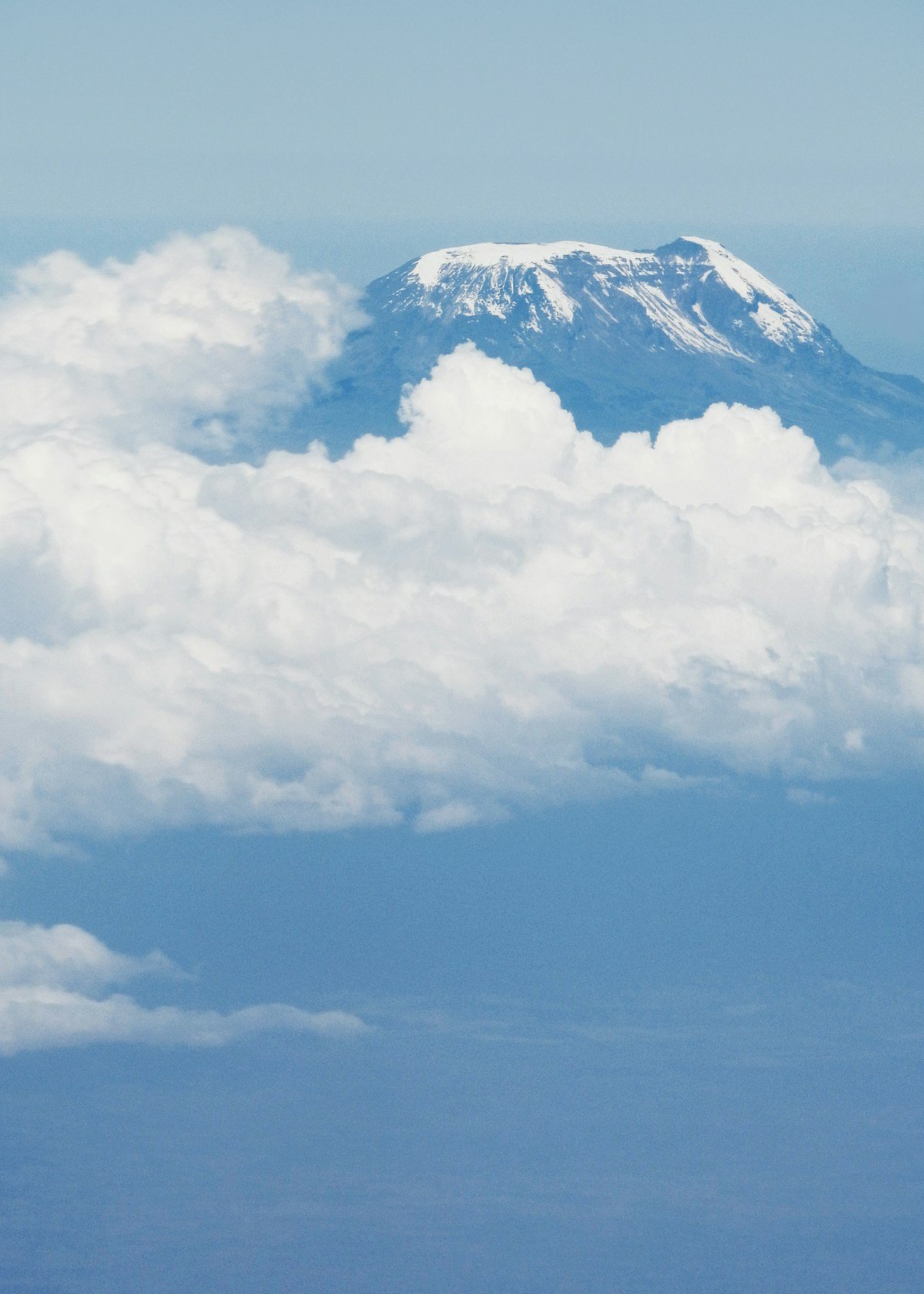
Moshi is a small, friendly town at 800m elevation on the lower slopes of Mount Kilimanjaro, and it exists primarily to serve Kilimanjaro climbers. Every second business caters to trekkers - gear shops, guiding companies, briefing rooms, and guesthouses where exhausted climbers recover after summit attempts. But beyond the trekking infrastructure, Moshi has genuine appeal: a manageable scale, a lively central market, good coffee from the surrounding Arabica estates, and superb views of Kilimanjaro on clear mornings.
Getting to Moshi
By air: Kilimanjaro International Airport (JRO) serves Moshi, 53km away (45–60 minutes by road). The airport receives direct flights from Nairobi, Addis Ababa, Dar es Salaam, Zanzibar, Amsterdam, and Doha. Hotel and operator transfers run USD 40–60 for a private vehicle; shared transfers approximately USD 15–20.
From Arusha: Regular daladalas and shared taxis run between Arusha and Moshi in approximately 1.5 hours (TZS 3,000–5,000). Private taxis cost approximately USD 30–50. Several daily shuttle buses also serve the route. The road is good and the journey straightforward.
From Dar es Salaam: Kilimanjaro Express and other bus operators run direct services (approximately 8 hours, TZS 25,000–40,000). Flying to Kilimanjaro International is faster and often comparably priced when booked in advance.
From Nairobi: Shuttle buses via Arusha take approximately 8 hours total (USD 25–35). Fly to Kilimanjaro directly from Nairobi in 1 hour if time is short.
Getting Around Moshi
The town centre is compact - most hotels, restaurants, and operator offices are within walking distance of the central bus stand and clock tower. Bajaj (auto-rickshaws) cover the town for TZS 1,000–3,000 per ride. Taxis for longer journeys (airport, Marangu Gate, coffee estate visits) run TZS 15,000–50,000 depending on distance. Boda-boda (motorcycle taxis) are cheap and fast for short distances.
What to Do in Moshi
Kilimanjaro Climbing is the primary reason most visitors arrive. The standard climb routes range from 6 days (Marangu) to 9 days (Lemosho) with summit night at Uhuru Peak (5,895m). All-inclusive climb packages from reputable Moshi-based operators range from approximately USD 1,500–3,500 per person depending on route, duration, and operator quality. This includes park fees, guides, porters, permits, and meals. Budget operators that undercut significantly may compromise porter welfare or safety margins - verify KPAP (Kilimanjaro Porters Assistance Project) registration before booking.
Kilimanjaro day hikes through the lower forest zone offer a taste of the mountain without a full trek. The Kilimanjaro National Park gate at Marangu (42km from Moshi) allows day visitors to hike through montane forest with colobus monkey sightings. Entry approximately USD 25 for a day visit plus USD 10 guide fee. Marangu gate opens at 07:00.
Coffee estate tours - Moshi is surrounded by Arabica coffee farms. Old Moshi Coffee Estate and Kahawa Shamba near Moshi Town offer 2–3 hour walking tours through the cultivation, processing, and tasting process. Tours approximately USD 20–35 per person; book through hotels or directly at the estates.
Moshi Market (central Moshi) is a busy, photogenic produce and goods market at its liveliest in the morning hours. Fresh produce, spices, fabrics, and Chagga craft items. No entry fee; keep valuables secure.
Materuni Waterfall - 14km from Moshi (approximately 45 minutes), a full-day guided walk through coffee farms leads to a 70m waterfall in the Kilimanjaro foothills. Most tours include a coffee experience and lunch. Guided tours approximately USD 35–55 including transport.
Where to Stay
Budget (USD 20–60/night): Kilimanjaro Backpackers on the Ring Road offers dorms from USD 12 and private rooms from USD 25, with a good communal area where climbers exchange route intel. Ameg Lodge, east of the centre, provides clean budget rooms with garden from USD 30.
Mid-range (USD 70–180/night): Springlands Hotel (Moshi’s most popular pre-climb base) has reliable rooms from approximately USD 90, an excellent in-house operator (Zara Tours), swimming pool, and Kilimanjaro views from the upper floors. Keys Hotel (Uru Road) offers solid mid-range accommodation from USD 80 in a convenient location.
Upmarket (USD 180–400/night): Aishi Machame Hotel, 15km from Moshi near the Machame route gate, has spectacular mountain views from its terraced gardens and cottages (from approximately USD 220). Onsea House (7km from centre on the slopes) is a boutique property with dramatic Kili views and excellent food from approximately USD 250.
Summit Club Hotel (Moshi town) is favoured by trekking groups - large rooms, a swimming pool, and an efficient team for pre-and post-climb logistics from approximately USD 100.
Where to Eat
The Kilimanjaro Mountain Lodge Restaurant (at the lodge of the same name near the Machame Gate area) serves reliable buffet lunches - useful for day-trippers heading up the lower slopes.
Indoitaliano (Moshi town centre) is the most surprising restaurant in Moshi - an Indian-Italian fusion spot with good pasta, curry, and a pleasant terrace. Mains approximately TZS 18,000–35,000.
Chagga Live Experience offers a cultural dinner experience on Wednesdays and Saturdays near Moshi, with traditional Chagga food, drumming, and storytelling. Approximately USD 25–35 per person. Book through hotels or directly.
Coffee Shop Kahawa (near the clock tower) is the best coffee in town - single-origin Kilimanjaro Arabica with proper espresso equipment. Also does light breakfasts and snacks (TZS 5,000–12,000).
El Rancho (Uru Road) serves grilled meats, local fish from nearby Lake Chala, and good pilau rice in a garden setting popular with expats and long-stay travellers (TZS 15,000–30,000 per person).
Day Trips from Moshi
Lake Chala - 50km east near the Kenya border. A stunning volcanic crater lake straddling the Tanzania-Kenya border, accessible by road in approximately 1 hour. Kayaking and swimming (confirm conditions locally - crocodile sightings have been reported in recent years). Beautiful for the hike down to the lake rim. No formal entry fee from the Tanzania side.
Marangu village - the trailhead village for the Marangu Route, 42km from Moshi. The road through Marangu passes through coffee and banana plantations with excellent mountain views. Cultural tourism programmes offer village walks, traditional Chagga homestead visits, and local food at approximately USD 15–25.
Arusha day trip - 80km from Moshi, approximately 1.5 hours. Arusha has better safari logistics, Cultural Heritage Centre shopping, and more restaurant variety if Moshi’s options feel limiting after a few days.
For organised Kilimanjaro climbs and Moshi-based activities, browse tours departing from Moshi. See our full Tanzania planning resources in the Tanzania monthly guides for optimal climbing windows by month.