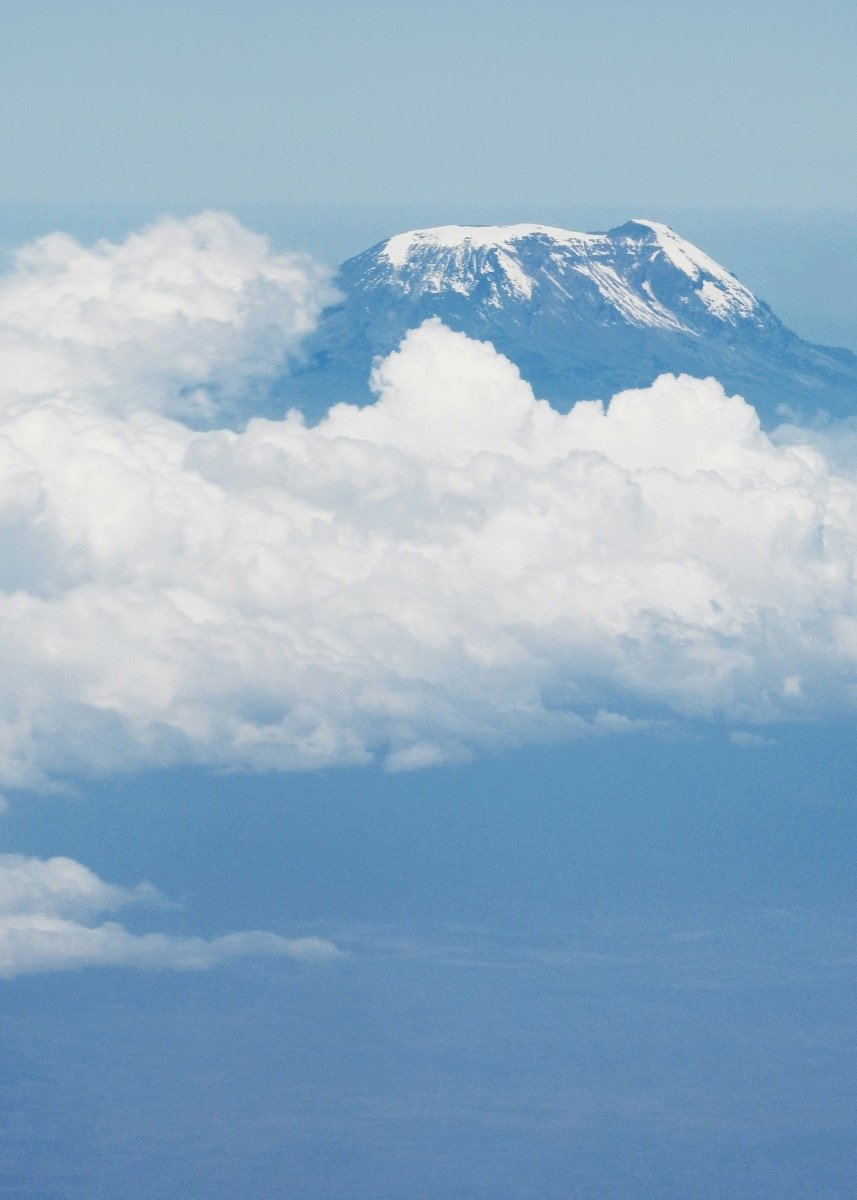
Moshi is where Kilimanjaro climbers begin and end their adventures. The town sits at 900m on the south-eastern flank of Africa’s highest mountain, with Kibo’s snow-capped summit visible on clear mornings above the clouds. It is a small, low-key East African market town - friendly, uncongested by Tanzanian city standards, and increasingly well-equipped for travellers waiting for their trekking permits to clear or recovering after the climb.
Chagga Coffee Farm Tours
The Chagga people have farmed the fertile volcanic soils of Kilimanjaro’s lower slopes for centuries, and the arabica coffee grown here - at elevations of 1,000–1,800m - is some of the finest in Africa. A coffee farm tour from Moshi visits a working smallholder operation in the Chagga highlands and covers:
- Walking through the coffee trees and identifying ripe red cherries
- Hand-picking and pulping demonstrations
- Traditional wet and dry processing methods
- Roasting beans on an open fire with a Chagga guide
- Cupping (tasting) freshly roasted coffee against the mountain
Recommended operators: Kilimanjaro Coffee Tours (based in Moshi), Chagga Cultural Tours. Half-day tours: USD 30–45 per person. Full-day versions that include a village walk, lunch in a Chagga household, and the Materuni Waterfall are available for USD 50–70.
The tour is genuinely good regardless of whether you are interested in coffee - the walk through the terraced farmland with Kilimanjaro behind you is beautiful and the family-based operation feels authentic rather than staged.
Materuni Waterfall
A 4–5 hour hike through Chagga villages on Kilimanjaro’s southern slopes leads to a 70m waterfall at approximately 1,600m elevation. The hike passes through banana groves, coffee terraces, and small homesteads before reaching the falls and the freshwater pool at their base. Swimming is possible - cold and refreshing.
Most people combine Materuni with the coffee farm tour as a full day. The starting point is the village of Materuni (20km north of Moshi; TZS 15,000–25,000 by taxi). A community guide fee applies at the trailhead: approximately TZS 15,000–25,000 per person.
The hike gains approximately 500m of elevation - a useful acclimatisation day if you are planning Kilimanjaro. The path is narrow and can be slippery after rain; basic hiking shoes are sufficient, proper trekking boots are better.
Kikuletwa Hot Springs (Chemka)
Located approximately 60km south-west of Moshi (1.5 hours by road), Kikuletwa - known locally as Chemka Hot Springs - is a natural freshwater pool fed by a spring that maintains a constant temperature of approximately 30°C. The pool is surrounded by fig trees and palms, the water is crystal clear, and the site has a genuinely beautiful remote-Africa feel.
Despite the name, the water is warm rather than hot - perfect for swimming. There is no entry fee to the spring itself, though the surrounding land has a community gate where a small fee (TZS 10,000–20,000) is sometimes charged. Bring your own food and drinks as there are minimal facilities.
A full-day trip from Moshi costs approximately USD 50–80 per person in a shared vehicle through a local operator, or TZS 60,000–100,000 by private taxi.
Moshi Town Market
The central market on Market Street is a daily working market for fruit, vegetables, second-hand clothing (mitumba), and basic household supplies. It is not prettified for tourists - which is most of its appeal. The surrounding streets have street food (chipsi mayai, grilled maize, sugarcane juice), small cafés serving chai and mandazi, and shops selling Kilimanjaro gear at prices lower than Arusha.
If you need last-minute trekking supplies - socks, gaiters, base layers, sunscreen, DEET, water purification tablets - the shops around Market Street and the Moshi bus stand area stock them. Prices are negotiable.
Kilimanjaro Tour Operator Row
The main street through Moshi (Rindi Lane and surrounding streets) is lined with safari and trekking operators offering everything from budget group Kilimanjaro climbs (from approximately USD 1,200 for the cheapest Marangu 5-day package) to luxury private expeditions on the Lemosho or Northern Circuit routes (USD 4,000+). This is a good area to compare prices and ask questions, but do not be pressured into booking at street level.
Key questions to ask any operator:
- Is the guide KINAPA (Kilimanjaro National Park Authority) certified?
- What is the guide-to-client ratio? (1:2 is good; 1:4 is minimum acceptable)
- What do porters carry per person? (Maximum is 20kg per porter under KINAPA rules)
- Are sleeping bags and trekking poles included or rented separately?
- What is the acclimatisation profile of the route?
Kilimanjaro Gates: Half-Day Visits
Even if you are not trekking, a drive to Machame Gate or Marangu Gate - both under an hour from Moshi - provides the clearest view of the mountain and the experience of watching trekker groups assemble and depart at dawn. Marangu Gate has a small visitor centre with route maps and information about the mountain’s ecology. Entry to the gate area (not the park itself) is free.
Snake Park (Moshi)
A small reptile park on the edge of town housing cobras, black mambas, puff adders, pythons, and monitor lizards. More education centre than tourist attraction - most of the snakes are indigenous species common to the Kilimanjaro region and surrounding farmland. Entry TZS 10,000–15,000. Worth 30 minutes if you are interested in African herpetology.
Where to Eat in Moshi
Indoitaliano
The most popular restaurant with climbers and expats in Moshi - a relaxed courtyard serving wood-fired pizza, pasta, Indian-influenced dishes, and cold Kilimanjaro beer. Mains TZS 25,000–55,000. A reliable spot to eat well the night before or after the mountain. Booking recommended in peak season (July–September, January–February).
Via Via Café
Belgian-managed café and bar with a good selection of Tanzanian coffee, fresh juices, and meals. The shaded garden is pleasant in the afternoon. Popular with development workers and long-term travellers. Lunch mains TZS 18,000–35,000; coffee from TZS 5,000.
Kilimanjaro Coffee Lounge (KCL)
Uses single-origin Kilimanjaro arabica and has the best proper espresso in town. Small menu of sandwiches and cakes. Good pre-trek breakfast option. Browse Moshi tours and Kilimanjaro packages to compare operators based in town. Coffee from TZS 6,000; breakfasts TZS 15,000–25,000.
Local Lunch Joints (Moshi Market Area)
For TZS 5,000–10,000, restaurants around the market serve the standard Tanzanian plate: rice or ugali, a protein (grilled fish, chicken, goat), sukuma wiki (collard greens), and kachumbari. Look for a place with full pots and high turnover. The best are busy from 11:00 to 14:00 and often sold out by 15:00.
Getting to Moshi
From Kilimanjaro International Airport (JRO): 50km, approximately 45–60 minutes. Airport taxis: USD 25–40. For a pre-booked private transfer, arrange a Kilimanjaro airport transfer before arrival. Shared shuttle (Riverside, Shah, Kilimanjaro Express): USD 5–10 per seat, drops at accommodation. From Arusha: 80km, 1.5 hours. Shared shuttle: USD 10–15. Dar es Salaam: overnight bus (9–11 hours, TZS 30,000–55,000 for a reclining seat on Kilimanjaro Express or Royal Coach).