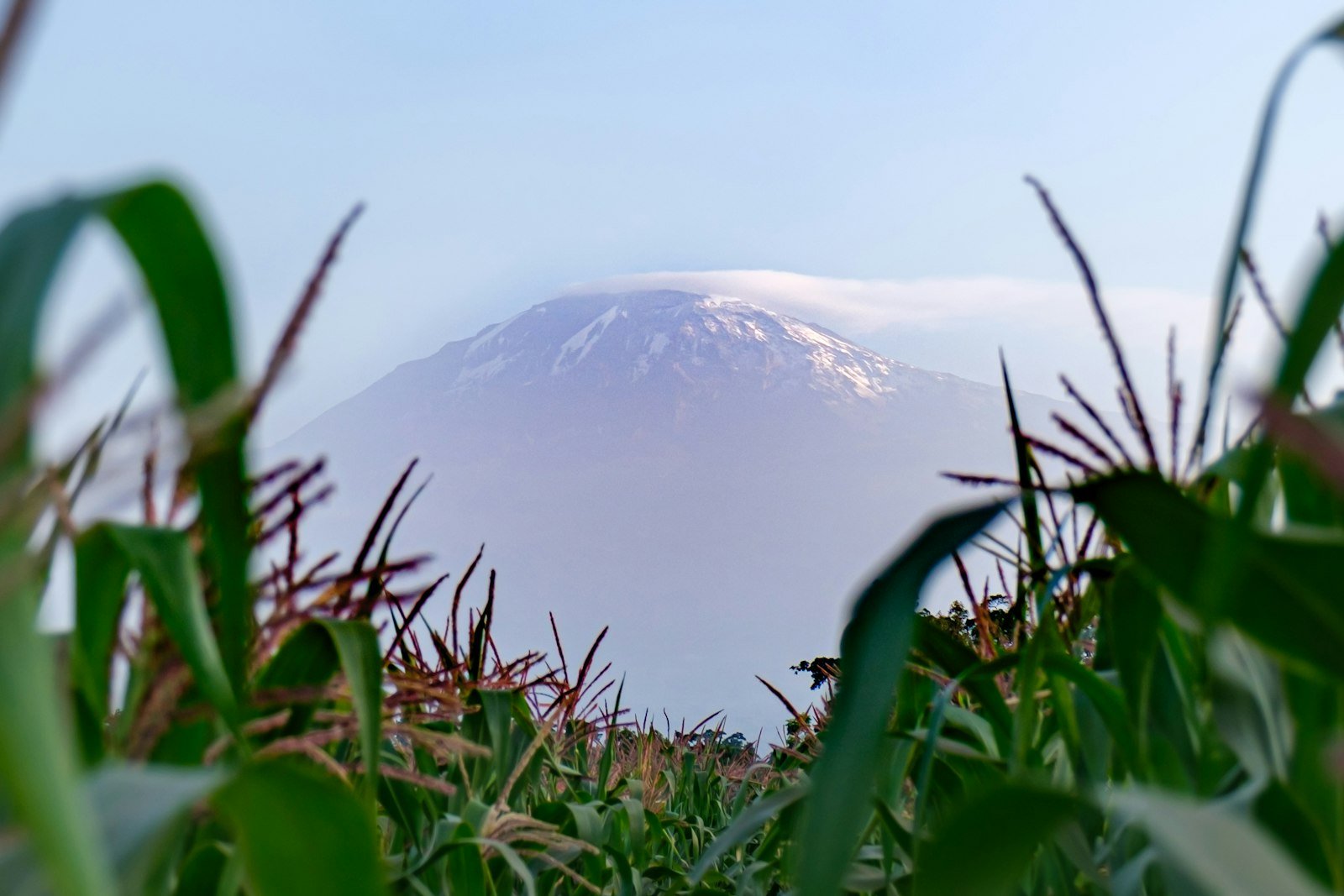
Moshi is not a food destination in the way that Dar es Salaam or Zanzibar’s Stone Town are - it is a small market town that happens to sit beside Africa’s highest mountain, and most visitors are here for the climb rather than the cuisine. But the Chagga people who have farmed Kilimanjaro’s fertile lower slopes for centuries have developed a cuisine that is worth understanding: rooted in banana and plantain cultivation, fortified by volcanic soil, and enlivened by mbege, one of East Africa’s most distinctive traditional drinks. And the pre-Kilimanjaro carb-loading restaurant scene has grown enough to be genuinely good.
Return to the Moshi city guide for hotels and getting around. For a full Moshi restaurant and coffee directory, see our Moshi food guide.
Chagga Cuisine: What to Know
The Chagga are the dominant ethnic group of the Kilimanjaro region, and their traditional food culture reflects life on the slopes of one of Africa’s most agriculturally productive mountains. Banana and plantain - in Tanzania, the distinction between cooking banana (ndizi) and sweet banana is culturally significant - are the dietary foundation. Coffee, a cash crop introduced in the colonial era, sits alongside maize, beans, and yam as the other key crops.
Ndizi Nyama
Ndizi nyama (literally “banana and meat”) is the dish most visitors encounter first. Green plantains are peeled, cut, and slow-cooked with goat or beef - sometimes in a coconut-milk broth in the coastal-influenced version, sometimes simply in meat stock. The plantain absorbs the fat and flavour of the meat and becomes dense, starchy, and deeply savoury. It is filling in the way a good stew should be: a few pieces are enough.
This dish is found in home cooking more than restaurants, which is why the cultural dinner experiences (see below) are the best place to try it authentically. In town restaurants, ugali or rice more often replaces plantain as the starch, reflecting national rather than specifically Chagga food culture.
Plantain Stew (Mchuzi wa Ndizi)
A lighter preparation than ndizi nyama - plantains cooked in a spiced tomato and onion base, sometimes with chickpeas or dried fish added for protein. Found in local lunch joints around the Moshi market area and in homes throughout the Chagga highlands. Cost at local restaurants: TZS 4,000–8,000 for a plate. This is everyday food rather than a dish you will find highlighted on menus - ask specifically, or look for it at market food stalls in the morning.
Mbege
Mbege is the Chagga fermented banana beer and it is the centrepiece of community life - shared at weddings, funerals, elder meetings, and harvest celebrations. It is made from overripe bananas that are fermented with finger millet (eleusine). The result is mildly alcoholic (roughly 2–4%), slightly sour, opaque and murky, and cloudy tan in colour. The taste is hard to compare - banana-adjacent, faintly yeasty, with a back-note of earthiness from the millet.
Mbege is not sold in supermarkets or most restaurants. The Chagga Live Experience cultural dinner (see below) includes it as part of the experience. Alternatively, if you join a village walk in Marangu or Materuni through a cultural tourism programme, mbege is often shared at the end of a home visit. It is worth trying even if you only take one cup - it is a significant cultural product and the social ritual around it is as important as the drink itself.
Pre-Kilimanjaro Eating Strategy
Kilimanjaro climbers face a real nutritional planning challenge: summit night burns enormous calories (estimates range from 5,000 to 8,000 kcal for a full summit-push day), appetite suppresses significantly above 4,000m, and the mountain food is functional but not always appetising at altitude. The consensus among experienced guides is to maximise calorie and carbohydrate intake in Moshi for 2–3 days before the climb.
What to prioritise:
- Complex carbohydrates: pasta, rice, ugali, chapati, ndizi
- Protein for muscle maintenance: beans, lentils, chicken, beef
- Hydration: at least 3 litres of water per day in the days before
- Avoid: heavy alcohol the night before departure; excessive fat; highly processed foods
Where to Eat in Moshi
Indoitaliano
The best-known restaurant in Moshi among climbers and long-stay visitors - a courtyard restaurant serving wood-fired pizzas, pasta, Indian-influenced rice dishes, and cold Kilimanjaro beer. The carb options are exactly what pre-climb bodies need: carbonara (TZS 28,000–32,000), penne arrabbiata (TZS 22,000–26,000), and margherita pizza (TZS 25,000–35,000; approximately USD 10–13). Service is unhurried and the atmosphere is social - good for comparing notes with other climbers the evening before departure. Booking recommended in peak season (July–September).
Springlands Hotel Restaurant
Springlands is Moshi’s most popular pre-climb base and the restaurant serves accordingly: generous buffet dinners (TZS 35,000–45,000; approximately USD 13–17 per person) with ugali, rice, roasted chicken, beef stew, and vegetable dishes. Unlimited portions - which matters when you are trying to eat 3,500+ calories before an altitude trip. The breakfast buffet (TZS 20,000–25,000) covers eggs, toast, fresh fruit, Kilimanjaro coffee, and porridge. Both meals are reliable, if not adventurous.
El Rancho
A garden restaurant on Uru Road favoured by Moshi expats and long-stay travellers. Grilled meats are the speciality - nyama choma (grilled goat, TZS 18,000–28,000 per portion), grilled chicken (TZS 16,000–22,000), and occasional lake fish sourced from Lake Chala. The pilau rice here is among the better versions in Moshi - fragrant with cinnamon, cloves, and cardamom in the correct East African proportion. Mains approximately TZS 15,000–30,000 (USD 6–11). No air conditioning, but the garden is pleasant in the evenings.
Via Via Café
Belgian-managed and firmly on the traveller radar, Via Via occupies a shaded garden near the central hotel strip. The food is straightforward - salads, wraps, pasta, and sandwiches (TZS 15,000–28,000 for mains; approximately USD 6–10) - but the Kilimanjaro arabica coffee is excellent and the freshly squeezed juices (mango, passion fruit, mixed) are outstanding for TZS 6,000–9,000. The atmosphere is the best in Moshi for slow afternoons: wifi, books, and a clientele that is not in a rush to leave.
Kilimanjaro Coffee Lounge (KCL)
Small café near the clock tower using single-origin Kilimanjaro arabica with proper espresso equipment. Best coffee in town. Also serves light breakfasts (TZS 12,000–22,000) and cakes. The espresso (TZS 6,000–8,000) and flat white (TZS 8,000–11,000) are properly made - rare enough in Moshi to be worth noting. Opens at 07:00; gets busy with pre-departure climbers between 07:30 and 09:00.
Chagga Live Experience
Held on Wednesday and Saturday evenings near Moshi, this cultural dinner evening combines traditional Chagga food with drumming and storytelling. Approximately USD 25–35 per person, booked through hotels or directly. The food - ndizi nyama, plantain stew, grilled chicken, banana beer, and fresh ugali - is the most authentic Chagga meal most visitors will access. It does lean toward the performance end of cultural tourism, but the food itself is well-prepared and the mbege is the genuine article. Worth attending if you have a free evening before the mountain.
Moshi Market Food
The central market on Market Street is the best place to eat like a local. The food section - concentrated in the market building and the surrounding streets - runs from around 07:00 until mid-afternoon, when the best-selling items are gone.
What to look for:
- Chipsi mayai (chips omelette): A Tanzanian street food classic - French fries folded into an egg omelette, served in a paper bag. TZS 3,000–5,000. Look for the frying stations with lined-up oil vats.
- Mandazi and chai: Mandazi are Swahili doughnuts - lightly sweetened, slightly spiced with cardamom, deep-fried and eaten fresh. Paired with milky chai (spiced tea), they make the standard Tanzanian morning snack. TZS 200–500 per mandazi; chai TZS 500–1,000 per cup.
- Grilled maize (mahindi ya kuchoma): Roadside vendors with coal braziers sell grilled cobs rubbed with lime juice and chilli powder. TZS 500–1,000 per cob. Best in the morning before the maize dries out.
- Full lunch plate: Look for restaurants with full pots and high turnover - usually signalled by a crowd at the doorway between 11:00 and 14:00. Rice or ugali plus a protein (grilled goat, chicken, or tilapia) plus sukuma wiki and kachumbari (tomato-onion relish): TZS 5,000–10,000. The best value meal in Moshi.
- Sugarcane juice: Pressed to order from the stalks in the market. TZS 500–1,000 per glass. Cold and sweet - excellent in the heat of midday.
Where to Buy Coffee to Take Home
If you plan to carry Kilimanjaro coffee home, buying directly from a farm or cooperative on a coffee tour gives you the freshest roast and the assurance of provenance. KNCU (Kilimanjaro Native Cooperative Union) products are also available at supermarkets in Moshi and at the airport at Kilimanjaro International - prices at the airport are higher but the selection of pre-packaged export grades is better for gifting. Expect to pay TZS 15,000–35,000 (USD 6–13) per 250g for quality single-origin Kilimanjaro arabica, depending on processing method and roast.
Browse Moshi day tours and coffee farm experiences to book the coffee and cultural visits mentioned above.