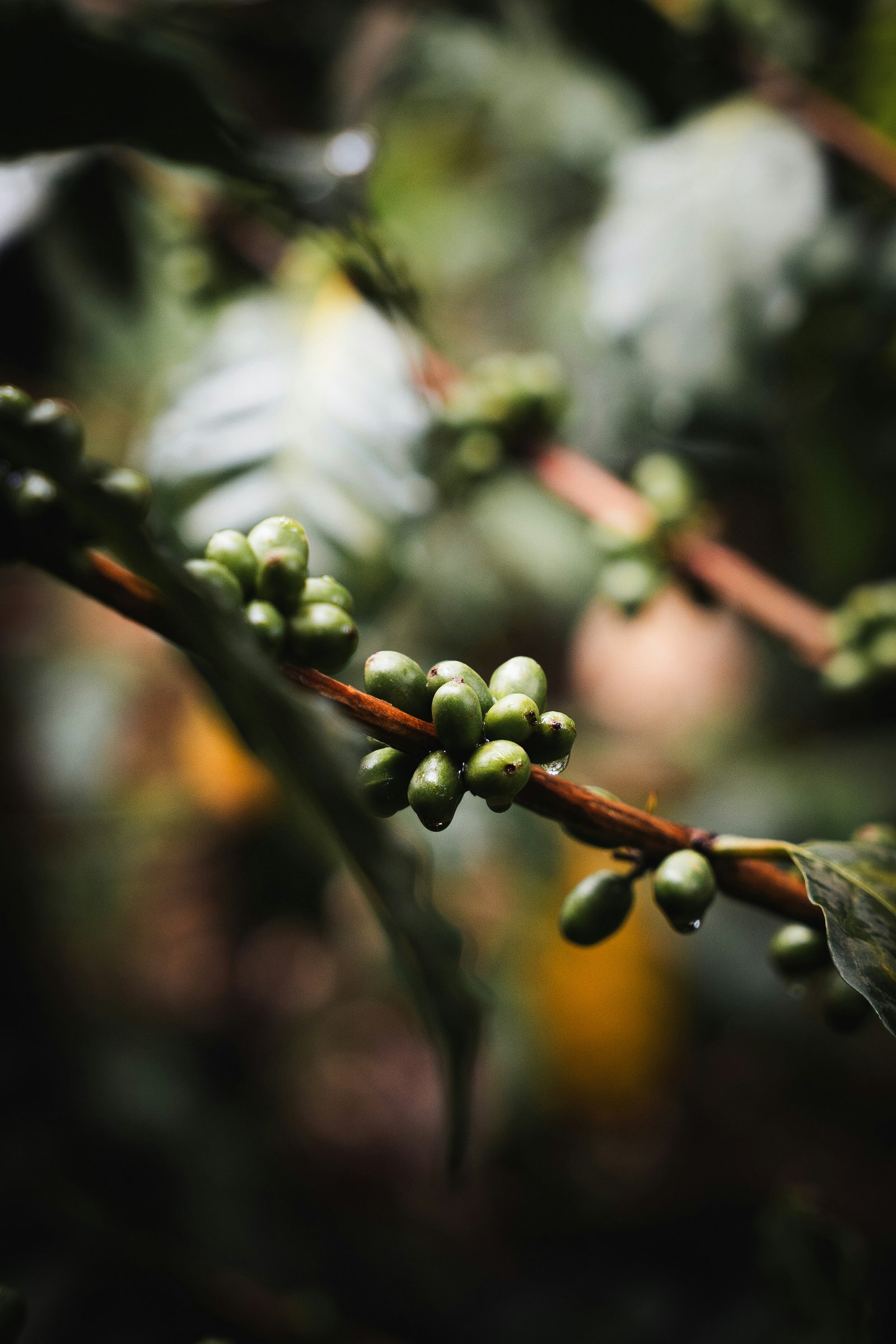
Moshi sits at the foot of Kilimanjaro in one of the most fertile zones in East Africa. The Chagga people have farmed the mountain’s slopes for generations — growing arabica coffee, bananas, plantains, beans, and vegetables in the rich volcanic soil that Kilimanjaro’s runoff creates. The result is a food culture rooted in the land, supplemented by Indian-Tanzanian trading influence in the town centre, and shaped more recently by the steady stream of climbers who arrive hungry, eat quickly, and leave.
For everything else to do and arrange in the area, see our Moshi city guide. Climbing Kilimanjaro? See our dedicated Moshi trekker food guide for pre-climb carb-loading strategy and cultural dining.
Chagga Cuisine: What the Mountain Produces
The Chagga are one of Tanzania’s most agriculturally productive communities. Their traditional cuisine is built on what the slopes of Kilimanjaro grow best.
The Core Ingredients
Bananas and plantains (ndizi): The slopes support dozens of banana varieties. Plantains are boiled, roasted, or mashed into a stiff porridge. Unripe cooking bananas appear in stews. Ripe bananas are eaten fresh or fermented.
Mbege (banana beer): The traditional Chagga fermented drink, made from bananas and eleusine (finger millet). Thick and slightly sour, it is a ceremonial drink and social staple. You will rarely find it in tourist restaurants; look for it at local markets or ask at a small guesthouse run by a Chagga family. A calabash: approximately TZS 2,000–4,000.
Kisamvu: Cassava leaves slow-cooked with coconut milk and spices, often served alongside ugali. One of the most common side dishes across the Kilimanjaro region.
Ndizi na nyama: Plantain cooked with goat meat, onion, and tomatoes. The dish takes time — the plantain needs to soften fully into the broth — which means it appears more often at home than in fast-service restaurants.
Dairy: The Chagga keep highland cattle, and fresh milk, butter, and fermented soured milk (mtindi) are more common in Moshi households and local diets than in the coastal cities.
Where to Find Chagga Food
Chagga traditional cooking is harder to find in restaurants than in the market. The best strategy is to:
- Eat at the Old Moshi Road local restaurants (the area west of the bus stand) where home-style cooking prevails. Look for hand-written menus with kisamvu, ndizi, and mchuzi wa mbuzi (goat curry) on the list.
- Visit the Moshi central market (Moshi Mjini) early in the morning for fresh plantains, local bananas, and cooked food stalls.
- Ask your guesthouse if they can arrange a home-cooked Chagga meal — several family-run accommodation providers around Moshi offer this for small groups.
Coffee Culture in Moshi
The Kilimanjaro Region produces around 60% of Tanzania’s arabica coffee, most of it grown by smallholder Chagga farmers on the mountain slopes. Moshi is the commercial and processing centre for this industry. Drinking good coffee here costs less and tastes better than in almost any other Tanzanian city.
Kilimanjaro Coffee Lounge (New Street): The most popular café in central Moshi for trekkers and travellers. Single-origin Kilimanjaro arabica, good espresso drinks, and fresh pastries. Cappuccino: TZS 5,000–8,000. Also serves breakfast and light lunches. Opens at 07:00.
Shah Tours Coffee Corner (Old Moshi Road area): A quieter alternative with strong local connections — the family behind it has been in the Kilimanjaro coffee trade for decades. Filter coffee made with freshly ground local beans: TZS 3,000–5,000.
Coffee farm tours from Moshi: Several operators run half-day tours to Chagga farms on the lower Kilimanjaro slopes where you can walk the rows, watch the processing, and drink coffee at the source. Prices start from approximately TZS 45,000–80,000 per person including guide and transport. Worth doing if you have an extra day before or after your climb.
Post-Climb Eating: What Trekkers Crave
After 5–9 days on the mountain, most Kilimanjaro climbers arrive back in Moshi with a specific set of cravings: fresh vegetables, cold drinks, and something that is not altitude-food. The town delivers.
Nyama choma at the Clock Tower area: The open-air nyama choma joints near Moshi’s central roundabout are the fastest and most satisfying post-climb meal. Goat ribs on charcoal, cold Kilimanjaro lager, kachumbari. Budget TZS 25,000–40,000 for a full plate with beer.
New Street restaurant strip: Moshi’s tourist-facing restaurant street has several venues serving pizza, pasta, burgers, and large salads — food specifically calibrated for what climbers want after a week of high-altitude rations. Prices range from TZS 20,000–60,000 for a main course.
Hotel breakfasts: Most Moshi accommodation serves either a full English-style or continental breakfast. After days of porridge and energy bars, a cooked breakfast with eggs, toast, fresh juice, and good coffee is worth paying TZS 15,000–30,000 for.
Restaurants in Moshi
Mid-Range Options
The Honey Badger (Rindi Lane): One of Moshi’s better all-day restaurants, known for large portions and reliable cooking. The menu mixes Tanzanian standards (pilau, nyama choma, grilled chicken) with international options (pasta, burgers). Mains: TZS 18,000–50,000. Has a shaded outdoor terrace.
Indoitaliano Restaurant (New Street): A slightly unusual combination — Italian pasta and Indian curry on the same menu — but it works, reflecting the mixed heritage of the Moshi dining scene. Pizza and pasta: TZS 25,000–55,000. Popular with long-stay trekking groups.
Marangu Hotel Restaurant (14km east of Moshi, at the Marangu Gate road): If you are staying near the Marangu Gate, this historic hotel has been feeding Kilimanjaro climbers since the 1930s. Three-course dinner: approximately TZS 60,000–90,000. Booking ahead recommended.
Local and Budget Eating
Via Via Café (Old Moshi Road): A social enterprise café popular with the local arts scene and long-stay volunteers. Excellent chapati, bean stews, and fresh juice. Lunch: TZS 6,000–18,000. Sometimes hosts live music in the evening.
Central market food stalls: For the cheapest eating, the food stalls inside and around the central market serve rice, beans, and whatever greens are in season for TZS 3,000–6,000. This is Moshi eating at its most local and least tourist-facing.
Street Food in Moshi
- Chapati: Widely available from market stalls and roadside carts, TZS 500–1,000 each. Moshi chapati is made thicker than the coastal version, reflecting the Chagga preference for more substantial flatbread.
- Mandazi: Fried triangular doughnuts eaten with chai. A standard breakfast in any Tanzanian market town. TZS 200–500 each.
- Rolex: The rolled-egg-and-chapati street food from Uganda has spread through northern Tanzania. Moshi vendors sell it for TZS 2,500–4,000.
- Grilled maize (mahindi ya kuchoma): Roadside vendors grill maize cobs over charcoal, rubbing them with lemon and chilli. TZS 1,000–2,000 per cob.
What to Eat in Moshi: Summary
- Morning: Single-origin Kilimanjaro arabica at Kilimanjaro Coffee Lounge; mandazi and chai from a market stall
- Lunch: Kisamvu with ugali at a local restaurant near the bus stand; or chapati and beans at Via Via Café
- Evening: Nyama choma with kachumbari and Kilimanjaro lager near the Clock Tower area
- Post-climb: A full breakfast at your hotel, then anything cold and green
Moshi’s food scene is modest by comparison with Arusha or Dar es Salaam, but the quality of the coffee is unmatched in Tanzania, and the Chagga food traditions — plantain, fermented milk, home-cooked beans — are worth seeking out beyond the trekker restaurants. The mountain shapes what grows here, and what grows here shapes what people eat.