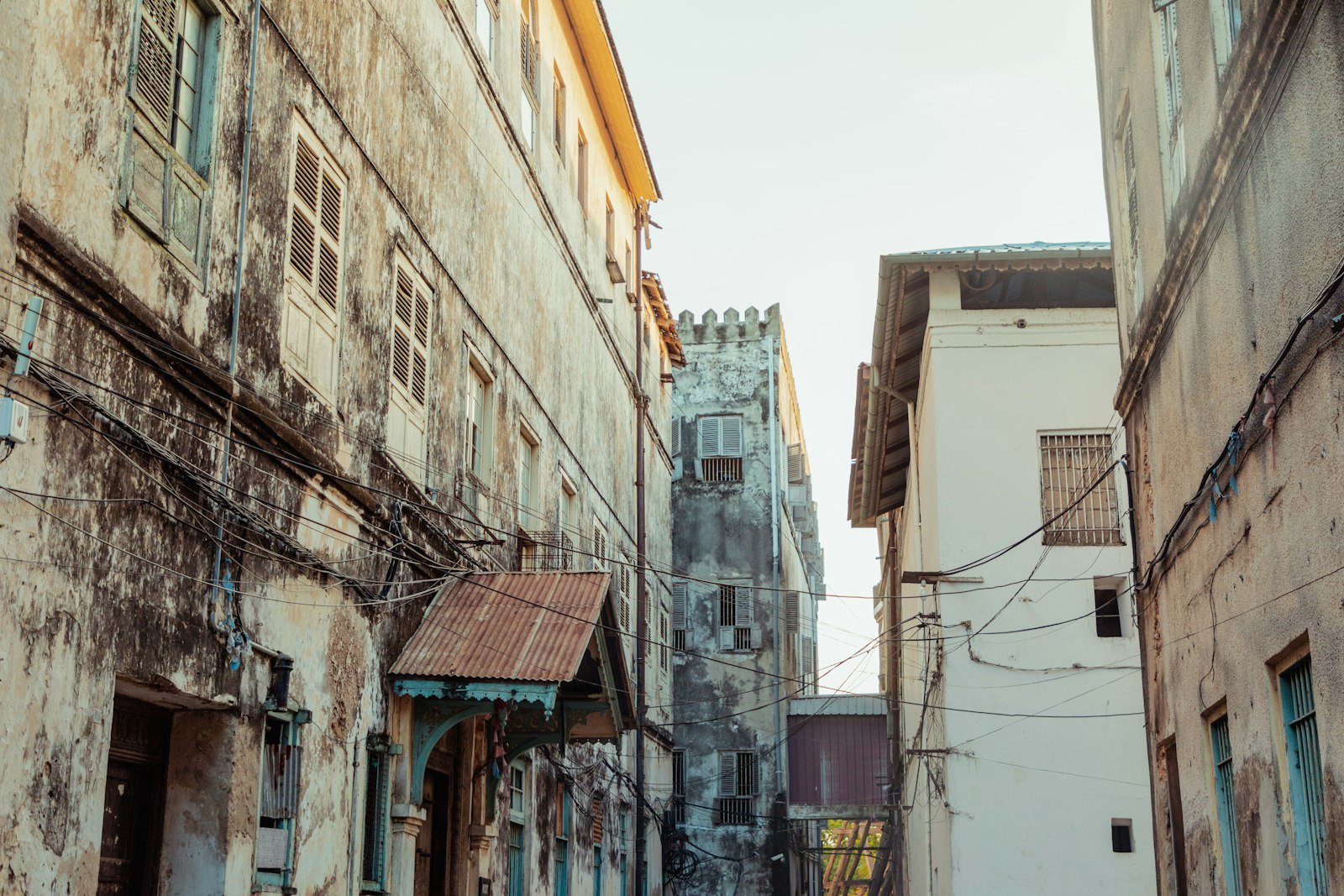
Stone Town is a UNESCO World Heritage Site, and its food is one of the main reasons to linger beyond the standard half-day tour. The cooking here is the product of six centuries of Indian Ocean trade - Arab, Indian, Persian, and Swahili influences layered into something that feels genuinely distinct from anywhere else in Africa. This guide covers where to eat, what to order, and how much to pay.
Forodhani Gardens Night Market
The waterfront market that runs nightly from around 18:00 to 22:30 is the single most essential food stop in Stone Town. Dozens of stalls set up charcoal grills and cooking stations along the seafront, filling the air with grilling octopus, frying spices, and pressed sugarcane.
What to eat and what to pay:
Urojo (Zanzibar mix): The defining dish of the market and arguably of Zanzibari street food as a whole. A tamarind-mango broth is poured over cassava chips, potato bhajis, boiled egg, and fried cassava, then dressed with chilli sauce. The combination of sour broth, crisp bhajis, and chilli heat is genuinely addictive. TZS 2,000–5,000 per bowl.
Zanzibar pizza: A stuffed fried crepe - nothing to do with Italian pizza. The dough is stretched thin, filled with your choice of egg, minced beef, vegetables, or sweet fillings, then folded and cooked on a flat griddle. Fillings are negotiated with the vendor. TZS 5,000–15,000.
Octopus skewers (pweza): Whole tentacles grilled over charcoal with lime and chilli. The octopus at Forodhani is bought daily from the morning market. TZS 3,000–8,000 per skewer.
Sugarcane juice (muwa): Fresh-pressed with a hand crank, often finished with a squeeze of lime. TZS 1,000–2,000.
Muhogo wa kakara: Fried cassava served with coconut chutney. One of the cheapest, most satisfying snacks at the market. TZS 1,000–2,000.
Practical notes: Come on a weekday - the market fills with visitors on weekends but the atmosphere (and the queues) are better mid-week. Confirm prices before eating; most vendors are straightforward, but confirming upfront avoids confusion. Walk the entire market before buying - the variety is part of the experience.
Lukmaan Restaurant
Location: New Mkunazini Road, near the Old Fort
Price range: TZS 8,000–20,000 per plate
Hours: Daily 11:00–22:00 (closes when food runs out)
The most consistently recommended local restaurant in Stone Town, Lukmaan has been feeding residents and savvy visitors for decades. There is no menu - the day’s dishes are on display behind glass at the counter and you point at what you want. Dishes rotate but the standard lineup includes pilau rice (highly spiced, with beef, chicken, or goat), biryani on Fridays, mchuzi wa pweza (octopus coconut curry), samaki wa kupaka (grilled fish in tamarind-coconut sauce), and several vegetable curries.
Arrive before 14:00 for lunch if you want the full selection. By 15:00 the best dishes are usually gone. Takeaway in the restaurant’s distinctive white boxes is common and acceptable.
What to order: Pilau with beef and a side of kachumbari (fresh tomato-onion relish) is the benchmark order. If the octopus curry is available, get it.
Emerson Spice Rooftop Restaurant
Location: Tharia Street, Stone Town
Price range: USD 40–50 for the set dinner
Hours: Dinner seating from 19:00, reservations essential
The rooftop restaurant at Emerson Spice Hotel sits above the Stone Town roofline with views across to the harbour. The format is a five-course set menu of Swahili cooking - not tourist-adapted, but genuinely complex dishes using fresh spices from the hotel’s own gardens. A typical menu might include a urojo amuse-bouche, fish in tamarind, slow-cooked lamb pilau, and a coconut cardamom dessert.
The combination of food quality and setting makes this one of the best dining experiences in Tanzania at any price point. Reservations should be made 24–48 hours in advance during peak season (June–September, December–January). There is live taarab music most evenings.
This is the correct “Emerson” restaurant in Stone Town - not to be confused with 236 Hurumzi (another Emerson property on Hurumzi Street, which runs a similar rooftop concept at comparable prices).
The Silk Route
Location: Near Shangani, close to the Serena Inn
Price range: TZS 20,000–45,000 for mains
Hours: Daily 12:00–22:00
The best Indian restaurant in Stone Town, which is saying something given the island’s culinary heritage. The Silk Route focuses on Gujarati and Mughlai cooking - the same traditions that arrived with Indian merchants in the 19th century and shaped much of Zanzibari cuisine. The lamb rogan josh (TZS 30,000–40,000) and the daal makhani are both significantly better than equivalent dishes at the tourist-facing restaurants. The bread basket - naan, paratha, chapati - is substantial.
The restaurant serves alcohol, which is notable given that Stone Town’s local restaurants generally do not.
Darajani Market Area: Daytime Eating
The central market on Creek Road is essential for morning food. The stalls around the market entrance sell:
Vitumbua: Rice and coconut pancakes, sold from 06:00 to around 11:00 when the sellers pack up. TZS 200–500 each. Buy five or six for breakfast with spiced coffee from the nearby vendors.
Spiced coffee (kahawa ya unguja): Ground coffee mixed with cardamom and ginger, served in tiny cups from silver urns. The correct way to drink it is standing up, next to the urn. TZS 500–1,000 per cup.
Grilled fish: The fish vendors at the rear of Darajani market grill whole fish with chapati and kachumbari from around 10:00. TZS 6,000–12,000 for a full plate.
Fresh juices: Passion fruit, mango, and tamarind juices are pressed to order at stalls around the market perimeter. TZS 1,500–3,000.
Pilau Rice: The Right Version
Pilau is available at most Stone Town restaurants but quality varies widely. The correct version uses whole spices - visible cardamom pods, cloves, and cinnamon sticks floating in the rice, cooked with a base of caramelised onion and spice paste. A pilau that has been coloured with powdered spice and nothing else is a shortcut. Lukmaan’s pilau is the benchmark. At local lunch spots near the Old Fort and around Malawi Road, look for pilau sold by weight (TZS 3,000–6,000 per 100g portion).
Samaki wa Kupaka: Where to Find It
Samaki wa kupaka - whole fish marinated in tamarind and coconut, then grilled - is the dish most worth seeking out in Stone Town. The correct preparation involves a long marinade (overnight ideally), so it is not a fast-food item. Good versions appear at:
- Lukmaan: When available, it is on the counter display. Order immediately.
- Emerson Spice Rooftop: Appears on the set menu in various forms.
- Mercury’s Restaurant (on the waterfront near the Dhow Harbour): A more tourist-facing setting, but the samaki wa kupaka (TZS 25,000–40,000) is consistently good.
What to Skip
The restaurants along the Shangani waterfront (directly facing the sea between the Old Arab Fort and the Kelele Square area) are almost uniformly mediocre at tourist prices. The setting is attractive; the food rarely justifies what you pay. If you want a waterfront meal, Mercury’s or the Serena Inn’s terrace are better options at broadly similar prices.
Avoid any restaurant advertising a “Zanzibar mixed plate” as a tourist special - this is usually a watered-down version of actual Zanzibari dishes at a markup over Lukmaan prices without the quality.
A Practical Stone Town Food Day
07:00: Vitumbua and spiced coffee near Darajani market entrance.
10:00: Walk the fish section of Darajani and the spice stalls on Creek Road.
13:00: Lunch at Lukmaan - pilau, octopus curry, fresh lime juice. Budget TZS 20,000–30,000 for two people.
17:30: Halwa shopping near Cathedral Street - a 250g box of the classic cardamom halwa is TZS 8,000–15,000.
18:30: Forodhani Gardens for the evening market. Budget TZS 20,000–25,000 for a full sampling tour.
Total cost for this day including all meals: approximately TZS 60,000–80,000 per person (USD 22–30 as of 2026). This is one of the best-value full food days available in East Africa.
Browse Stone Town food tours and cooking classes to book a guided spice market and Swahili kitchen experience.