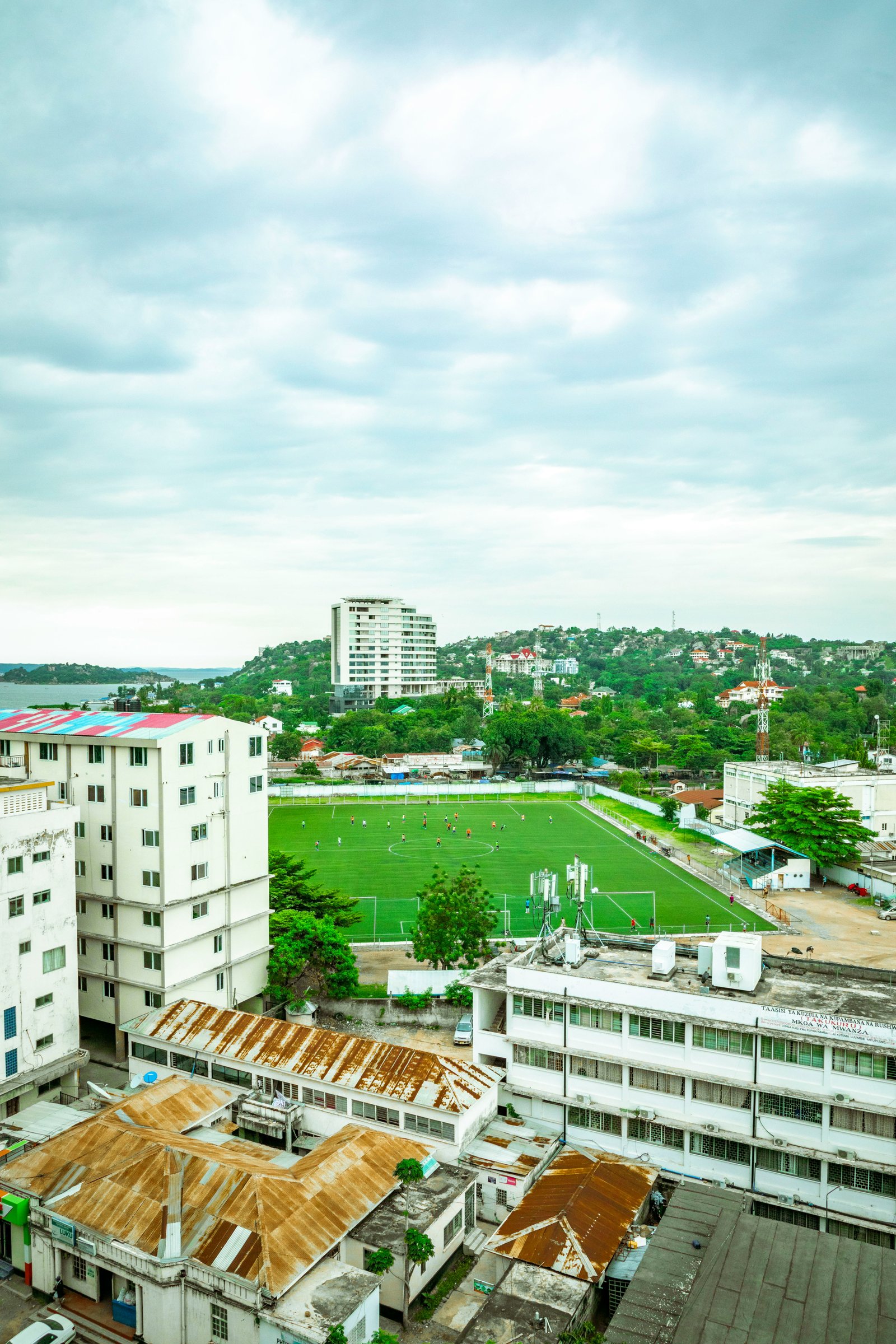
Mwanza sits on the southern shore of Lake Victoria, Africa’s largest lake and one of the world’s great freshwater fisheries. The lake defines the city — its economy, its skyline (the famous Bismarck Rock rises from the water at the city edge), and above all its food. Mwanza eats fish. It eats fish grilled over charcoal, deep-fried in oil, dried in the lakeside sun, and stewed with tomatoes and onion. Understanding Mwanza’s food culture means understanding its relationship with the water that surrounds it.
For context on what else to see and do here, read our Mwanza city guide.
The Fishing Community and Lake Victoria’s Catch
The Sukuma people, Tanzania’s largest ethnic group, make up much of Mwanza’s population and fishing community. Their traditional diet centres on the lake — supplemented by ugali (the ubiquitous maize porridge), vegetables, and the occasional nyama choma. The fishing boats go out at night, and by early morning the catch arrives at the lakeshore landing stations on the city’s outskirts.
The Two Fish That Define Mwanza Eating
Sangara (Nile perch, Lates niloticus): Nile perch were introduced into Lake Victoria in the 1950s and 1960s and have become the lake’s dominant fish species — a controversial ecological history, but one that has made sangara the economic backbone of Mwanza’s fishing industry. A large adult can weigh over 200kg, though commercially caught fish typically run 5–30kg. The flesh is white, firm, and mild — more forgiving of simple preparation than coastal seafood. Grilled sangara steak with ugali and tomato relish is the defining meal of Mwanza.
Dagaa (Lake Victoria silverfish): Tiny, dried, and intensely savoury, dagaa (Rastrineobola argentea, called omena in Kenya) are caught in huge quantities by net at night, then laid out to dry on the lakeshore in vast silver carpets visible from the road. They are the protein staple of the region’s poorest households and a flavour anchor in many Mwanza stews and soups. Nutritionally dense and extremely cheap, dagaa are eaten fried with tomatoes and onion, or crumbled into ugali as a side.
Where to Eat Fish in Mwanza
Lakeshore Landing Stations
The best fresh fish eating in Mwanza is at the informal restaurants that cluster around the landing stations on the lake’s edge, particularly at Nyamirembe and Mirongo on the city’s outskirts.
Here the pattern is simple: choose your fish from the day’s catch, have it grilled or fried to order, and eat at a plastic table while fishing boats unload nearby. Grilled sangara fillet with ugali and tomato relish: approximately TZS 8,000–15,000 depending on the weight. This is the most authentic fish eating experience in the city, with zero tourist infrastructure and prices calibrated to local incomes.
Getting there: Hire a boda-boda (motorcycle taxi) for approximately TZS 3,000–5,000 from the city centre. Tell the driver you want to go to the “samaki” (fish) area on the lake.
Central Mwanza Restaurants
Rock City Restaurant (Kenyatta Road, near the ferry terminal): One of Mwanza’s better-established restaurants, with reliable sangara in several preparations — grilled whole, fried as fillets, or cooked in a tomato-coconut sauce. Full meal with ugali: TZS 18,000–35,000. Cold Kilimanjaro or Safari lager available. Open from 11:00 daily.
Delicious Restaurant (Nyerere Road): A long-standing local favourite — loud, bright, and consistently busy with Mwanza residents at lunch. The menu covers the full Tanzanian repertoire: pilau, biryani, grilled chicken, and several fish preparations. Sangara fillet: TZS 12,000–20,000. Dagaa stew: TZS 6,000–9,000.
Tilapia Restaurant (Station Road, near the railway station): Despite the name, the focus here is primarily on sangara rather than tilapia (tilapia, or perege, is also present in Lake Victoria but commercially less significant). A no-frills lunch counter with good fish at local prices. TZS 8,000–15,000 for a full plate.
New Mwanza Hotel Restaurant (Post Street): The restaurant at this mid-range hotel serves the most consistent international-facing menu in the city centre — grilled fish, pasta, pizza, and a few Tanzanian standards. Suitable for travellerswho want reliable food without negotiating street-level dining. Mains: TZS 25,000–55,000.
Dagaa: The Street-Level Staple
Dagaa appear on almost every local restaurant menu in Mwanza, usually listed as a side dish or supporting protein. The preparation is simple and fast: dried dagaa rehydrated briefly, then fried with onion, tomato, and chilli until fragrant.
Where to find dagaa:
- Any market-area lunch counter (TZS 4,000–7,000 as part of a set plate)
- The Mwanza Central Market (Kuu Market) sells dried dagaa by weight — approximately TZS 2,000–4,000 per 100g — if you want to understand what the raw ingredient looks like
- Street food stalls near the bus terminal serve dagaa with ugali as the cheapest substantial meal in the city: TZS 3,000–5,000
Indian and South Asian Food
Like Arusha and Dar es Salaam, Mwanza has a historically significant Indian-Tanzanian community that shaped the city’s commercial life. Several restaurants in the town centre serve biriyani, pilau, and samosas alongside Tanzanian dishes.
Superstar Restaurant (Lumumba Road): Popular with both the local Asian community and Mwanza residents, serving pilau rice, biryani, samosas, and vegetarian curries. The biryani here uses Lake Victoria fish rather than coastal seafood, which gives it a different character. Full lunch: TZS 10,000–22,000.
Kamanga Takeaway (Kenyatta Road): Fast service, cheap samosas (TZS 500–800 each), and reliable masala chai. Good for breakfast or a quick mid-afternoon snack between the ferry and the city centre.
Nyama Choma in Mwanza
Despite being a fish city, Mwanza has a healthy nyama choma culture — goat and beef from the interior Sukuma cattle-farming areas. In the evenings, nyama choma gardens fire up along the outer ring roads, serving grilled meat with kachumbari and beer.
Mwanza Stadium area (Pamba Road): Several nyama choma joints operate near the stadium from mid-afternoon. Goat: approximately TZS 16,000–24,000 per kilo. The crowd here is entirely local, and the quality reflects it.
Isamilo area (northwest of the centre): The residential neighbourhood of Isamilo has a strip of nyama choma restaurants popular with Mwanza’s middle class on Friday and Saturday evenings. Prices run TZS 20,000–35,000 for a full meat platter with ugali and salad.
Street Food and Market Eating
- Ugali na dagaa: The cheapest substantial meal in the city — TZS 3,000–5,000. Available from market food stalls throughout the day.
- Vitumbua: Coconut rice cakes sold at morning markets. Sweet, dense, and filling — a Swahili coastal snack that has spread inland. TZS 500–1,000 each.
- Chips mayai: Potato chip omelette, available from market stalls for TZS 4,000–6,000. Widely eaten at lunch.
- Mandazi and chai: The standard Tanzanian market breakfast. TZS 200–500 per mandazi, TZS 500–1,000 for chai.
What to Eat in Mwanza: Summary
- Morning: Mandazi and chai at the central market, or vitumbua near the ferry terminal
- Lunch: Grilled sangara with ugali at a landing station restaurant (TZS 10,000–18,000), or dagaa stew at Delicious Restaurant
- Evening: Nyama choma near the stadium (TZS 25,000–35,000 for two with beer), or fish at Rock City Restaurant
- Splurge: Full seafood dinner at New Mwanza Hotel Restaurant (TZS 50,000–80,000 per person)
Mwanza’s food identity is clear: it is a lake city and it eats like one. The fish are fresh, the prices are honest, and the landing station restaurants serve some of the best grilled fish in East Africa with no pretension and no markup. The dagaa culture — small, dried, intensely flavourful — is an education in how an entire region can build its protein supply around a single species. Eat here with that context in mind.