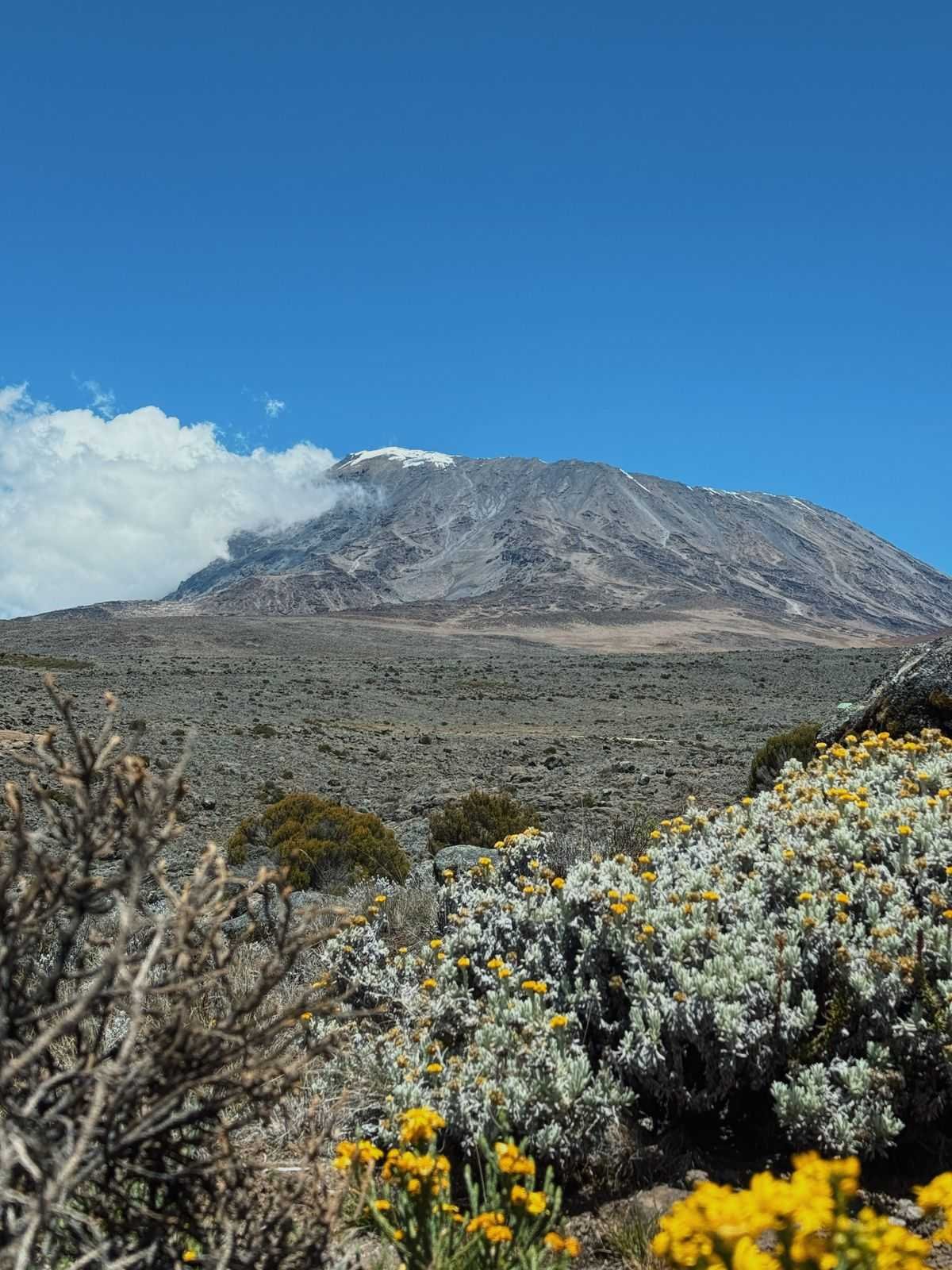
Germany sends more tourists to Tanzania per capita than almost any other European country. Kilimanjaro trekking is a major draw - and German climbers consistently rank among the most experienced and well-prepared on the mountain. The challenge is fitting an 8–10 day trek around a working calendar built on fixed public holidays. Here is how to plan it. The Kilimanjaro Packing List: Germany guide covers the practical side of this.
German Public Holidays and Kilimanjaro Windows
Tanzania’s two dry seasons - January to mid-March and June to October - map unevenly onto Germany’s holiday calendar. Here is how each major holiday period aligns.
Sommerferien (July–August)
This is the best alignment. Germany’s summer school holidays fall almost perfectly inside Kilimanjaro’s main dry season. Temperatures on the mountain are cold but stable, summit visibility is excellent, and route traffic is at its annual peak (which means well-worn trails and good atmosphere, but also more competition for acclimatisation campsites).
July and August are when the majority of Kilimanjaro summit attempts happen globally. German groups flying Lufthansa, Kenya Airways, or Ethiopian Airlines from Frankfurt or Munich can connect via Nairobi or Addis Ababa in under 15 hours. The trade-off: prices are highest in this window.
Weihnachtsferien / Jahreswechsel (Late December – Early January)
Late December into January is the second-best window for Germans. The Christmas flight rush is intense and early booking is essential, but conditions on Kilimanjaro in January are dry, clear, and cold. Summit mornings in January frequently offer views well into Kenya.
A 3 January departure with 7 days on the mountain (Machame or Lemosho route) plus two buffer days fits cleanly into the standard German two-week Christmas break.
Tag der Deutschen Einheit (3 October) + Herbstferien
The 3 October public holiday is technically in the short-rains onset period, but rains rarely arrive before mid-October. If you book a departure of 27–29 September you can complete a 7-day Kilimanjaro climb and return before the rains arrive. This timing also coincides with Oktoberfest finishing (early October), which means you can attend Oktoberfest and fly to Tanzania within the same annual leave block.
One important note: October conditions vary significantly. A late September climb is generally dry; an early-to-mid October climb carries real risk of rain, cloud, and reduced summit success rates. We recommend planning for a 27 September departure at the latest if using this window.
Pfingstferien (Late May – Early June)
Avoid. Late May is the tail end of Tanzania’s long rains (Masika). The Kilimanjaro high routes are wet, muddy, and often covered in thick cloud. Summit success rates in May are measurably lower than in the dry season months. The occasional year sees the rains end by late May, but this cannot be relied upon for booking purposes.
Osterferien (March–April)
The Easter holiday period falls in an awkward transitional zone. March (particularly January and February - Tanzania’s short dry season) is excellent, but late March into April moves into the onset of the long rains. If your Osterferien falls before 20 March, a Kilimanjaro climb is viable. After that date, conditions deteriorate rapidly. The January–March short dry season is underrated by European travellers and typically offers quieter trails and lower prices than July–August.
Flights from Germany to Kilimanjaro
There are no non-stop flights from Germany to Kilimanjaro International Airport (JRO) or Dar es Salaam (DAR). The main options:
Via Addis Ababa (Ethiopian Airlines): Regularly the cheapest option from Frankfurt and Munich. Total journey time is approximately 12–13 hours. Ethiopian’s connectivity to JRO is strong - it operates multiple weekly frequencies. A return fare from Frankfurt to JRO in economy class runs approximately €600–950 depending on season and booking lead time.
Via Nairobi (Kenya Airways / Lufthansa codeshare): Kenya Airways connects to Kilimanjaro from Nairobi. The Lufthansa–Kenya Airways codeshare means you can book a through-ticket from Frankfurt on a Lufthansa flight number. Journey time is 13–15 hours. Fares are typically slightly higher than Ethiopian but the Nairobi transfer is quick.
Via Doha (Qatar Airways): A premium option with a comfortable Doha transit. Fares are higher but Qatar’s service is notably good for long-haul. Journey time approximately 14–16 hours from Frankfurt.
Via Amsterdam (KLM): KLM connects Amsterdam–Kilimanjaro. Useful if you are connecting from Germany’s secondary cities (Stuttgart, Hamburg, Cologne) via Amsterdam. Total journey time 14–16 hours.
Book through flights to Tanzania for a full breakdown of routes, domestic connections, and booking strategy.
How Much Does Kilimanjaro Cost from Germany?
The total cost of a Kilimanjaro climb from Germany breaks down into several components. See our full Kilimanjaro costs guide for a detailed breakdown; here is a Germany-specific summary.
Return flights (Frankfurt or Munich to JRO): €600–1,200 depending on season and airline. Book 3–5 months ahead for best prices; July–August and Christmas fares spike significantly.
Trek package (7 days Machame or 8 days Lemosho, all inclusive): USD 1,800–2,800 per person for a reputable local operator. This includes park fees (approximately USD 980 alone), guides, porters, meals, camping equipment, and safety protocols. Do not go below USD 1,600 - operators at this price point compromise on porter wages, safety gear, or both. Browse Kilimanjaro trek packages to compare current operator pricing and itineraries before committing.
Tanzanian visa: €50 for a German citizen (standard tourist e-visa). See the Tanzania visa guide for the current application process.
Travel insurance: Essential and legally required in Tanzania (since October 2026). Budget €60–120 for comprehensive cover with emergency evacuation. German health insurance does not cover medical evacuation from Tanzania. See Tanzania travel insurance for requirements.
Total cost from Germany: Budget approximately €2,500–4,500 per person for the full trip, depending on route, season, and accommodation choices before or after the climb.
Which Route Should German Climbers Choose?
We recommend the Lemosho Route for most German climbers. It is an 8-day route, which provides better acclimatisation than the popular 6-day Marangu (“Coca-Cola”) route and has higher summit success rates as a result. The approach through the remote western slopes is scenically the finest on the mountain.
For climbers on tighter schedules, the Machame Route at 7 days is the next best option - it is well-serviced, has excellent views, and its steep southern approach provides good altitude gain profiles.
Avoid the 5-day Marangu route unless you have significant previous high-altitude experience. The summit success rate is noticeably lower than 7–8 day itineraries because of insufficient acclimatisation time.
See the full Kilimanjaro routes comparison for side-by-side analysis.
German-Speaking Operators and Booking
Germany has several established operators offering guided Kilimanjaro treks with German-language support:
Hauser Exkursionen (Munich): One of the oldest and most established German adventure travel companies. They offer fully guided Kilimanjaro departures with German-speaking group leaders. Packages typically depart from Frankfurt or Munich and include pre-trek briefings in German.
Wikinger Reisen (Hagen): A mid-market German operator with active Kenya and Tanzania programs. Their Kilimanjaro trips include acclimatisation nights in Arusha and English/German guides.
Studiosus Reisen (Munich): Focus on small groups with academic-style briefings. More expensive but comprehensive cultural programming alongside the trek.
You can also book directly through Tanzanian operators - many in Moshi and Arusha have German-speaking staff and are familiar with German traveller expectations around organisation, punctuality, and documentation. Booking locally is typically 20–30% cheaper than booking through a German travel agency, but requires more self-organisation on flights and logistics. For a starting point, browse licensed Kilimanjaro operators on GetYourGuide - useful for comparing what reputable packages include even if you ultimately book direct in Moshi.
Practical Entry Notes for German Citizens
German citizens do not require a visa on arrival but must apply for an e-visa before travelling. Processing takes 3–7 business days; apply at least 3 weeks before departure. The fee is approximately USD 50 (€46–50).
German passport holders are currently eligible for the Tanzania e-visa without restrictions. Check our visa guide for the current application portal link and documentation checklist.
Travel health requirements: Yellow fever vaccination is required if entering from a yellow fever-risk country (not relevant for direct Europe–Tanzania routes). Malaria prophylaxis is strongly recommended for time spent in Arusha and Moshi at the mountain base; the mountain itself above 3,000m is malaria-free.