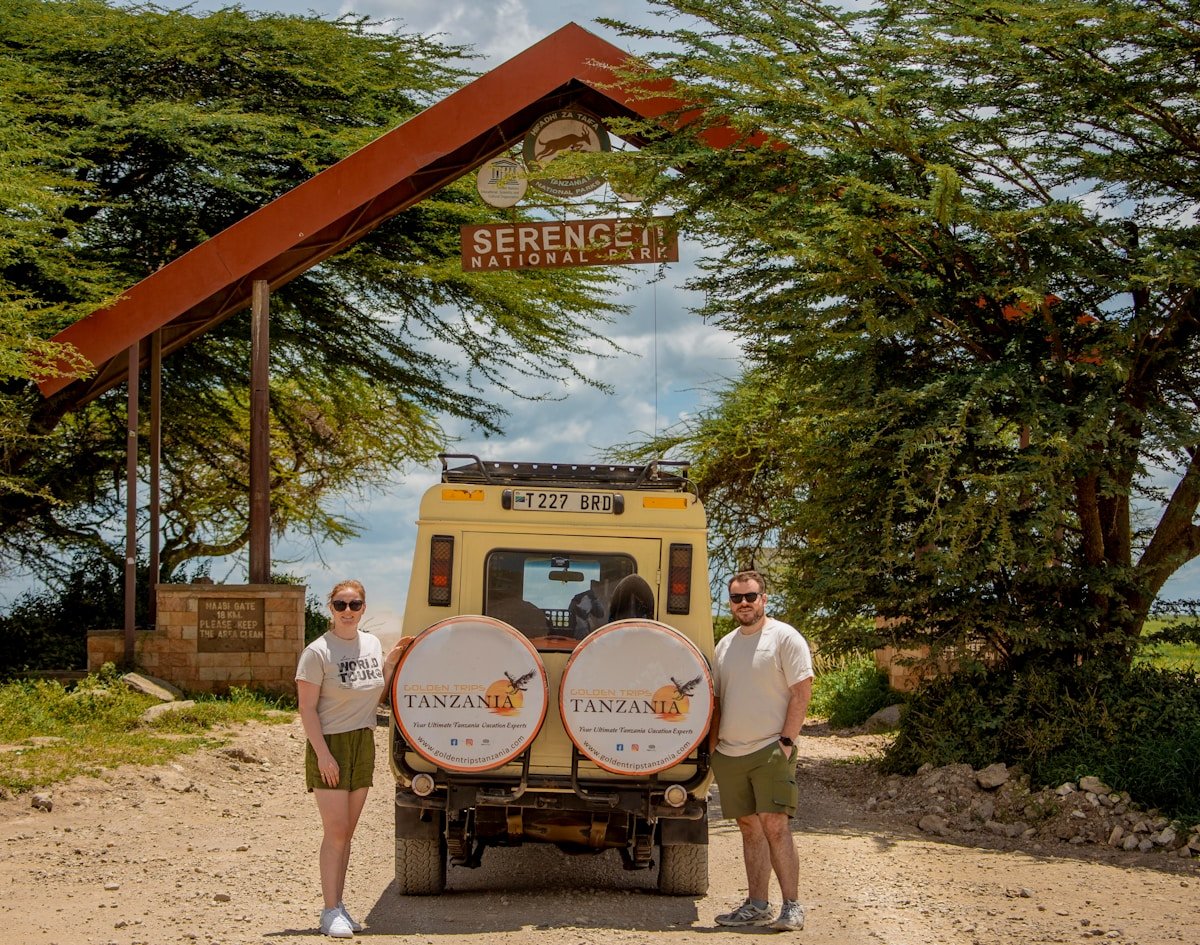
Tanzania is one of the few destinations in the world where comprehensive travel insurance isn’t a recommendation - it’s an essential. A medical helicopter evacuation from the Serengeti to Nairobi costs upwards of $20,000 USD. Malaria treatment at a private clinic in Dar es Salaam can run to several thousand dollars. Without insurance, a trip to Tanzania can turn into a financial emergency.
This guide explains exactly what cover you need, what to look for in a policy, and how to get insured before you go.
Why Tanzania Specifically Requires Good Insurance
Medical Evacuation
This is the big one. Tanzania’s national parks - the Serengeti, Ngorongoro, Ruaha, Selous/Nyerere - are remote. The nearest hospital to the central Serengeti is hours away by road, and roads may be impassable in rainy season. For any serious medical emergency (broken bones, cardiac event, allergic reaction, vehicle accident), an air evacuation by the Flying Doctors or similar service is the only realistic option.
Flying Doctors (AMREF) air evacuation from Serengeti to Nairobi: approximately $15,000–25,000 USD.
Without insurance, this cost falls entirely on you. With the right policy, it’s covered in full.
Kilimanjaro Emergencies
High-altitude pulmonary or cerebral oedema (HAPE/HACE) can develop rapidly on Kilimanjaro, requiring immediate descent and, in serious cases, air evacuation. Kilimanjaro Rescue (the national park rescue service) charges a substantial fee for evacuations; private helicopter extractions are more expensive. Kilimanjaro-specific trekking insurance is essential.
Malaria Treatment
Malaria is endemic across much of Tanzania. Treatment at a reputable private clinic (fever diagnosis, rapid test, course of anti-malarials, possible hospitalisation) can cost $500–3,000 USD depending on severity. This is well within what standard medical travel insurance covers, but you need to have the policy before you arrive.
Safari Vehicle Accidents
Game drive vehicles travel on rough, sometimes steep bush tracks. Accidents are rare but do happen. Make sure your policy covers injuries sustained while on organised safari activities.
What Your Tanzania Insurance Must Cover
Not all travel insurance is created equal. For Tanzania specifically, your policy must include:
✓ Emergency Medical Evacuation ($500,000+ minimum)
This is non-negotiable. Any policy that caps medical evacuation at $50,000 or $100,000 is insufficient for Tanzania - evacuation alone can exceed those limits before hospitalisation costs are factored in.
✓ Medical Treatment ($100,000+ minimum)
Covers clinic and hospital costs in Tanzania, and repatriation to your home country for continued treatment if required.
✓ Adventure Activities Coverage
Standard policies often exclude “adventure activities.” Ensure your policy explicitly covers:
- Safari game drives (vehicle excursions)
- Kilimanjaro trekking (usually requires specific altitude endorsement)
- Zanzibar water sports (snorkelling, diving, kitesurfing if applicable)
- Hot air balloon safaris (popular in the Serengeti - specifically check this)
✓ Trip Cancellation and Interruption
Tanzania safaris require significant advance booking and typically involve non-refundable deposits. Trip cancellation cover (for illness, family emergencies, or natural events) protects the investment.
✓ Baggage and Equipment
Camera gear for safari, trekking equipment, and luggage can be valuable. Standard per-item limits are often low - consider additional cover if you’re travelling with expensive camera equipment.
EKTA Travel Insurance for Tanzania
EKTA is a travel insurance provider that covers Tanzania, including adventure activities and Kilimanjaro trekking. EKTA policies are available for single trips and include emergency medical evacuation as standard.
Get a Tanzania travel insurance quote from EKTA →
When comparing plans, look specifically for the medical evacuation limit and whether Kilimanjaro trekking (above 4,000m) is covered - some standard policies exclude high-altitude activities without an endorsement.
Checklist: Before You Buy Tanzania Insurance
Before purchasing, confirm the policy covers:
- Emergency medical evacuation: $500,000+ limit
- High-altitude trekking (if doing Kilimanjaro): check altitude limit
- Safari game drive activities
- Hot air balloon safaris (if planned)
- Scuba diving or snorkelling (if doing Zanzibar water sports)
- 24/7 emergency assistance line
- Repatriation to home country
- Pre-existing medical conditions (if relevant)
- Trip cancellation for non-refundable costs
Common Insurance Mistakes for Tanzania Travel
Relying on credit card travel insurance: Most credit card travel insurance has low medical limits and excludes emergency evacuation. Check the policy terms carefully - the $500,000 evacuation cover you need is rarely provided by standard card benefits.
Buying insurance after booking but before reading the adventure exclusions: Many people buy a “standard” policy, then discover their Kilimanjaro trek or diving day is excluded. Read the exclusions before you commit.
Thinking travel insurance is only for trip cancellation: By far the most financially significant claim type for Tanzania is medical - evacuation, hospitalisation, and repatriation. Don’t underweight this.
Forgetting about equipment cover: A safari lens or drone worth several thousand dollars deserves specific mention in your policy. Standard baggage limits per item are often $500–1,000 - far below the value of serious camera gear.
Flying Doctors / AMREF Subscription
Many Tanzania safari operators recommend their clients also purchase an annual AMREF Flying Doctors membership. For approximately $25–30 USD, you get 12 months of air ambulance coverage in East Africa - a separate product to standard travel insurance that guarantees evacuation service availability.
It’s not a substitute for full travel insurance (it doesn’t cover medical treatment costs), but it’s a useful supplement that some travellers travelling extensively in East Africa find valuable.
When to Buy Your Insurance
Buy your travel insurance as soon as you book any non-refundable elements of your trip - typically when you pay your safari deposit. This ensures trip cancellation cover kicks in from the moment you have financial exposure.
Buying insurance the day before departure means you’re covered for medical emergencies on the ground, but you lose trip cancellation protection for the entire booking period leading up to departure.
Plan Your Trip
✈️ Book your flights to Tanzania 🛡️ Get travel insurance 📱 Stay connected with an eSIM 🚗 Rent a car