Tanzania is a genuinely welcoming country, and most travellers find the local customs straightforward once they understand a few basic principles. Zanzibar’s majority-Muslim population sets a different tone from the mainland, and safari camps have their own informal culture. This guide covers the situations that catch visitors off guard most often.
Dress Codes: Where and What Matters
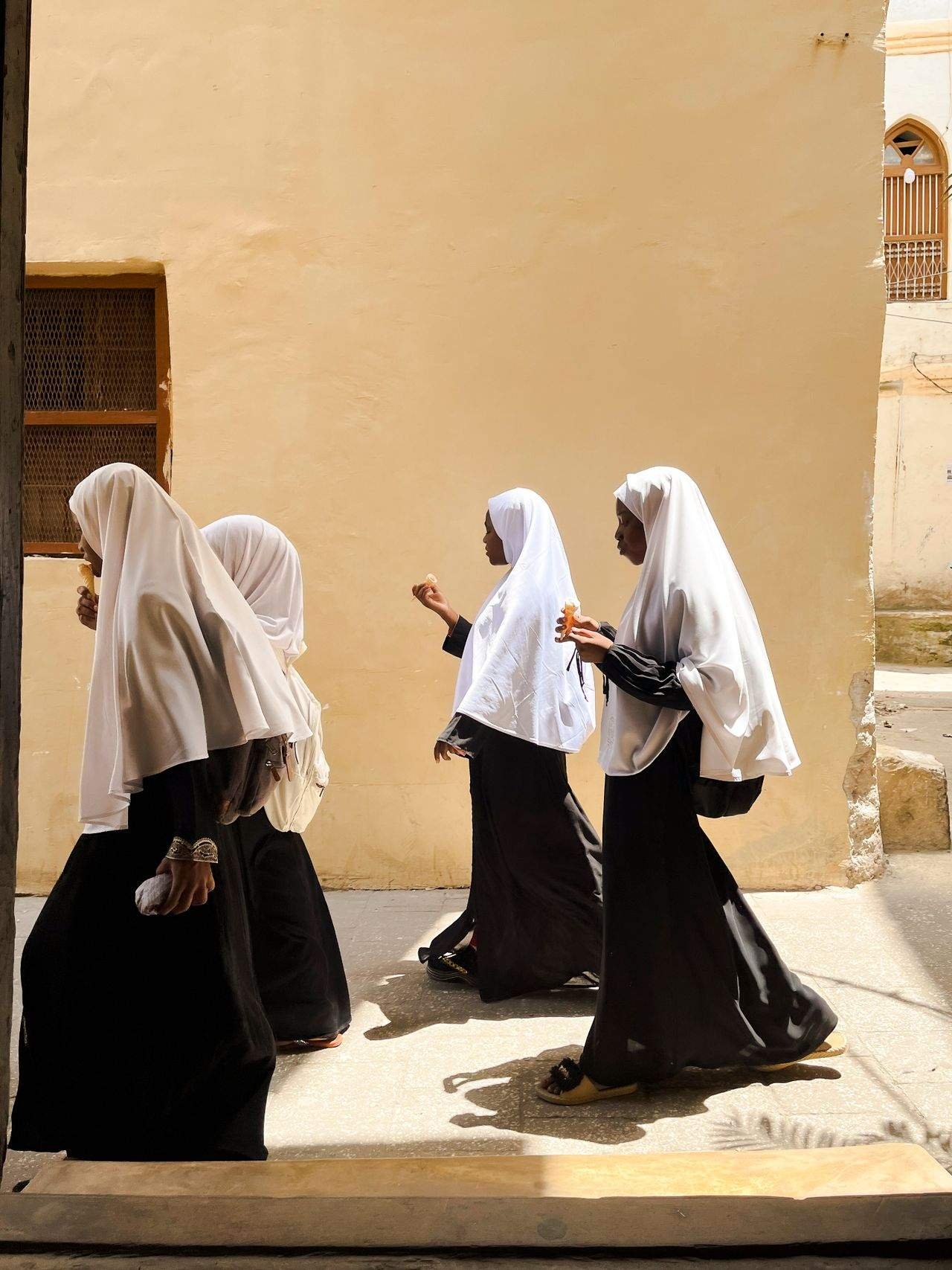
Zanzibar and Stone Town follow Muslim dress conventions. Away from the beach, wear clothes that cover your shoulders and knees. On the main streets of Stone Town, women in sleeveless tops or shorts will attract unwanted attention; men in shorts are tolerated but not ideal. Inside mosques such as the Old Dispensary mosque or the Malindi Mosque, women should cover their hair with a scarf. Shoes come off at the entrance of every mosque.
Zanzibar beaches (Nungwi, Paje, Kendwa) are the exception: swimwear is fine on the beach itself. The rule is to cover up the moment you step off the sand. A sarong over your swimwear when walking into a beach bar or along the road is both respectful and expected.
Mainland Tanzania is less strict. Cities like Dar es Salaam and Arusha have no prohibition on bare arms, though modest dress is always appreciated near churches and mosques. For safaris, wear neutral-coloured, comfortable clothing. Most lodges require smart-casual dress for dinner.
Tipping Culture
Tipping is expected in Tanzania’s tourism industry and makes a meaningful difference to the people involved.
Safari guides: USD 10–20 per guide per day, depending on the quality of the experience. On a shared group safari, USD 10 per day is the floor. Private guides who go above and beyond warrant USD 20 or more.
Safari camp staff: USD 5–10 per traveller per day, left collectively in a box at reception or distributed by the camp manager on your final morning.
Spice tour and cultural guides in Zanzibar: USD 5–10 per person for a half-day tour. Your guide may be working independently or through an operator; tipping directly ensures they receive it.
Restaurants: 10% is standard if no service charge has been added to the bill. At local mama ntilie food stalls or small guesthouses, tipping is a welcome gesture but not obligatory.
Taxis: Not required, but rounding up the fare is appreciated. Dala-dalas (shared minibuses) operate at fixed fares; do not tip.
Hotel porters: TZS 2,000–5,000 (approximately USD 1–2) per bag is appropriate at mid-range and upper-end hotels.
Social Customs: Greetings, Bargaining, and Photography
Greetings matter. Tanzanians take greetings seriously, and jumping straight to business without one is considered rude. “Jambo” gets a smile from any stranger; “Habari?” (How are you?) opens a proper exchange. In Muslim communities, “As-salamu alaykum” is received warmly. Handshakes are the norm for both men and women, though some conservative Muslim women prefer not to shake hands with men. Follow the lead of the other person.
The right hand is used for handshakes, passing objects, and eating. Using the left hand alone to offer or receive something is considered disrespectful.
Bargaining is standard at craft markets including the Maasai Market in Arusha, the Stone Town night market, and vendor stalls near national park gates. Starting at 50–60% of the asking price is a reasonable opening. Bargain with good humour; walking away if no agreement is reached is acceptable, but agreeing on a price and then not buying is not.
Photography rules are important. Always ask before photographing people. Many Maasai villagers near Arusha and along the Ngorongoro Crater rim are accustomed to tourist visits and will agree to a photo in exchange for a small payment (TZS 2,000–5,000 is typical). Photographing government buildings, military installations, police officers, or airports is prohibited and has led to camera confiscation and brief detention for tourists who did not know.
Religious and Cultural Sensitivities
Approximately 35% of Tanzania’s population is Muslim; Zanzibar is over 99% Muslim. During Ramadan, eating, drinking, or smoking in public during daylight hours is disrespectful and, in Zanzibar, may attract complaints. Restaurants stay open but often draw their curtains during the day.
Friday prayers bring Stone Town almost to a standstill between noon and 2pm. Plan sightseeing accordingly.
The mainland is predominantly Christian, and Sunday mornings are church-going time in most towns and villages. If you visit a church or attend a service, dress modestly and wait to be directed to a seat.
Maasai communities have their own distinct customs. Many villages near Ngorongoro Conservation Area, Tarangire, and Lake Manyara welcome visitors formally through an elder or guide. Do not enter a Maasai boma (homestead) without an invitation. Refrain from touching ceremonial items or jewellery without permission.
Dining Etiquette
Handwashing before a meal is standard practice across Tanzania. Restaurants and homes alike typically provide a basin or bowl of water; accepting this is part of the ritual, not an optional hygiene step.
At a formal Tanzanian meal, wait to be seated. The host or eldest family member usually begins eating first, or grace is said. Food is often served communally from shared bowls, particularly rice, ugali (stiff maize porridge), and stew. Eat from the section of the bowl closest to you rather than reaching across.
At the Forodhani Gardens Night Market in Stone Town, vendors share cooking space and there is a communal energy to the experience. Graze, taste widely, and buy from the vendor who shows you their food. Walking off without purchasing after a long conversation about the food is considered poor form.
Visiting Tanzanian Homes
“Karibu” (welcome) is the word you will hear most often in Tanzania. Hospitality is taken seriously, and refusing food or drink that has been prepared for you is genuinely hurtful. Accept graciously, eat a little even if not hungry, and compliment the host.
Remove your shoes at the entrance to any home, particularly in Muslim households. In Zanzibar, this applies almost universally.
Bringing a small gift is appreciated but not obligatory. Fruit, pastries, or a bag of sugar (used for chai) are all appropriate. Alcohol is not appropriate for Muslim households.
Do not admire a host’s possessions too effusively. In Tanzanian culture, a host who cannot give you something you have admired may feel embarrassed.
Conversations move at a slower pace than many Western travellers expect. Allow time to chat, drink tea, and sit before any meal or formal purpose of your visit. Rushing is rude.
Tanzania is one of the easier East African countries to navigate culturally. Most locals are patient with visitors who make genuine effort, and a basic greeting in Swahili goes a long way toward establishing goodwill that lasts the whole interaction.