Digital Nomad
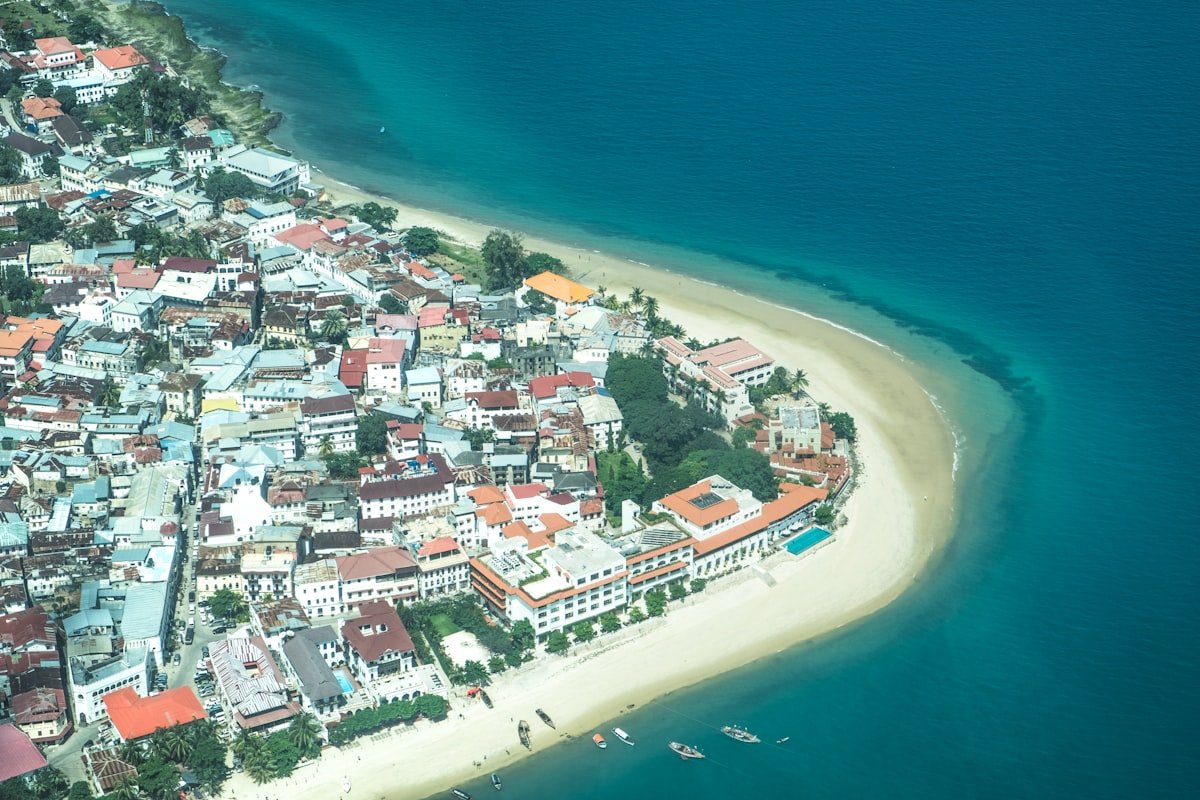
Best Coworking Spaces in Stone Town and Paje, Zanzibar
The best coworking spaces and café working spots in Stone Town and Paje: WiFi speeds, pricing, and what each space is actually like for remote workers.
Remote Work
Tanzania is not the obvious digital nomad pick: it does not have the established coworking infrastructure of Southeast Asia, and internet quality varies significantly outside Dar es Salaam. But for remote workers who want to combine a genuinely different lifestyle with their work routine, it has a real appeal: affordable living costs in Arusha and Moshi, a growing nomad community in Zanzibar's Paje, and a time zone (UTC+3) that overlaps cleanly with European business hours.
Dar es Salaam is the most practical base: fiber internet is available in the Masaki and Oyster Bay suburbs, coworking spaces exist, and the city's infrastructure is the strongest in the country. Zanzibar appeals for the lifestyle: Stone Town's layered history and Paje's beach-and-kite scene attract longer-stay remote workers, and WiFi in the tourist areas is generally reliable enough for video calls and routine work.
Our Tanzania guides cover coworking spots, internet speeds, accommodation, and day-to-day costs for each base.
Rough monthly budgets for a digital nomad: mid-range apartment or guesthouse, coworking or cafe Wi-Fi, eating out 4–5 times per week. Figures in USD at TZS 2,600 = $1 (as of 2026).
| Location | Monthly Budget |
|---|---|
| Dar es Salaam | $700–1,200 |
| Zanzibar (Stone Town) | $800–1,400 |
| Paje, Zanzibar | $700–1,200 |
| Arusha | $500–900 |
| Moshi | $400–750 |
Budget estimates based on 2026 conditions. Exchange rate used: TZS 2,600 = $1 USD (approximately). Verify current rates at XE.com before planning.
Most nationalities pay $50 USD for a single-entry tourist visa; US citizens pay $100. Apply online via evisa.immigration.go.tz before arrival, or obtain a visa on arrival at major entry points including Julius Nyerere International Airport and Kilimanjaro International Airport. There is no dedicated digital nomad visa: longer stays require extending through the Immigration Department (up to 90 days extension possible) or exiting and re-entering.
Vodacom Tanzania has the widest 4G coverage nationwide, including northern circuit areas around Arusha and Moshi. Airtel Tanzania is a solid alternative with competitive data pricing. Buy at the airport or any official operator shop with your passport: registration is mandatory. Tourist SIMs with 5–20GB data cost approximately TZS 5,000–15,000 ($2–6) for 30 days. eSIM options via Airalo are available for Tanzania at $10–15 USD.
Dar es Salaam has the most reliable infrastructure: fiber providers including Liquid Telecom and TTCL Fiber serve Masaki, Oyster Bay, and the CBD. Coworking spaces such as KINU Workspace and The Hub offer day passes from approximately TZS 20,000–40,000 ($8–15) and monthly memberships from $80. In Zanzibar, Stone Town and Paje have several cafes with reliable WiFi; dedicated coworking is limited but growing. Arusha and Moshi rely on cafe working: speeds vary but typically reach 10–30 Mbps on 4G.
Tanzania runs on East Africa Time (EAT, UTC+3) year-round with no daylight saving adjustment. This aligns well with European business hours: the working day overlaps comfortably with CET (UTC+1) and EET (UTC+2). For US-based remote workers, EAT runs 6–9 hours ahead of US time zones: expect early-morning or late-night calls. Australian east coast hours (UTC+10/+11) are 7–8 hours behind EAT.
In-depth guides to remote working, coworking spaces, and the digital nomad lifestyle in Tanzania.
The best coworking spaces and café working spots in Stone Town and Paje: WiFi speeds, pricing, and what each space is actually like for remote workers.
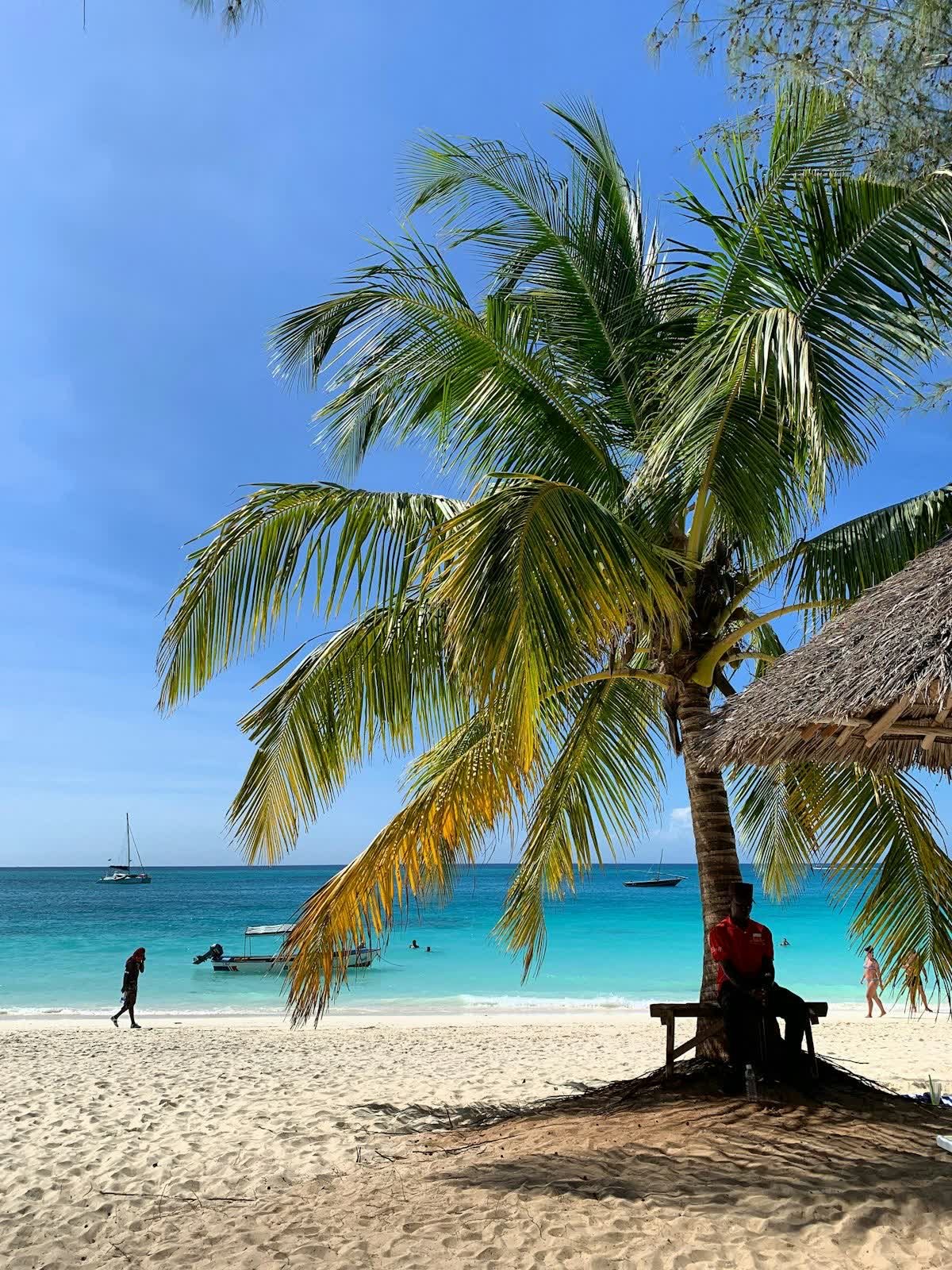
What remote workers actually spend in Zanzibar: accommodation, food, coworking, transport, and monthly budget tiers from budget to comfortable.

Everything remote workers need to know about Zanzibar: coworking options, WiFi speeds, visa rules, costs, and the best neighbourhoods to base yourself.
Ready to plan your move?