Dar es Salaam: Complete Guide to Tanzania's Main Gateway
Complete guide to Dar es Salaam: Tanzania's largest city. Hotels, restaurants, beaches, getting there, and ferry connections to Zanzibar.
Guides for Dar es Salaam
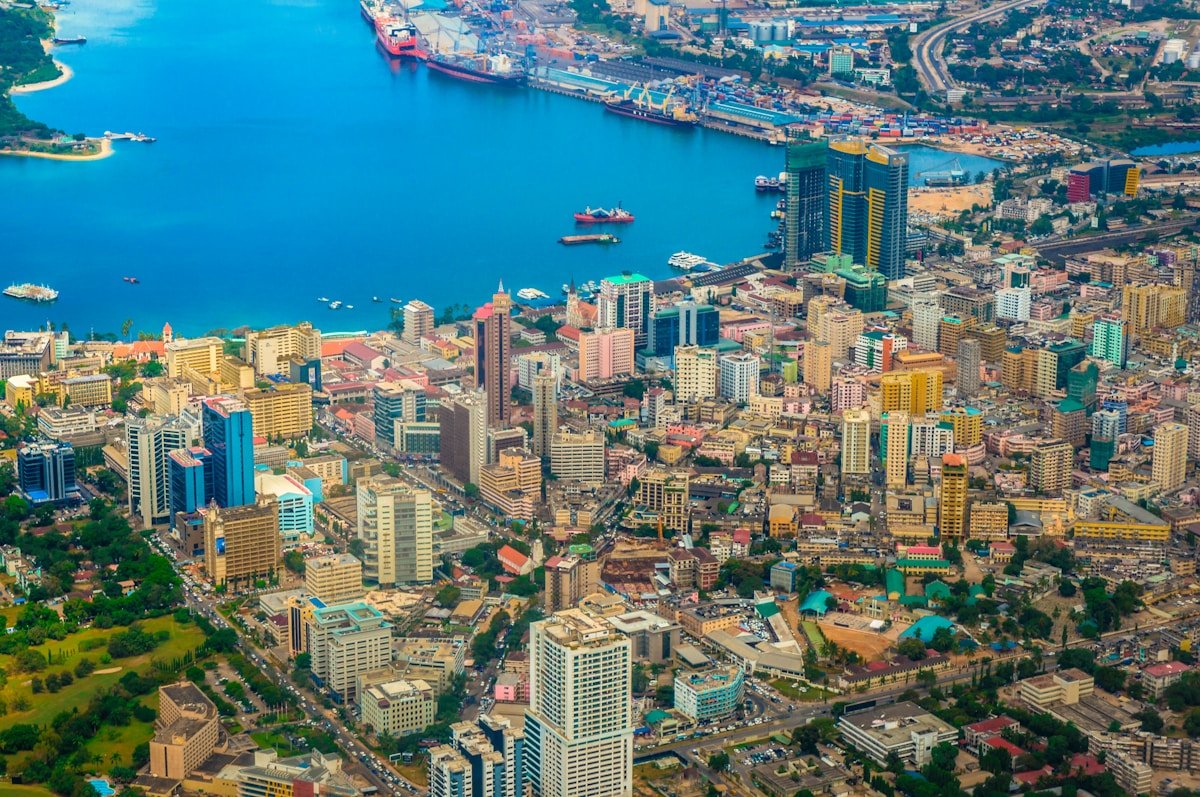
Dar es Salaam - “Haven of Peace” in Arabic - is Tanzania’s commercial capital and the country’s primary entry point for most international travellers. It is a city of contrasts: gleaming glass towers rising above Indian Ocean dhow traffic, Nigerian highlife mixing with Swahili taarab music from street speakers, colonial architecture sitting beside modern malls. Most visitors pass through quickly en route to Zanzibar or the northern parks, but Dar rewards a longer stay with excellent seafood, lively nightlife, and some of the best beaches in mainland Africa.
Getting to Dar es Salaam
By air: Julius Nyerere International Airport (DAR) receives direct flights from Nairobi, Addis Ababa, Dubai, Doha, Amsterdam, London, and several other European and Middle Eastern hubs. Domestic flights connect Dar to Zanzibar (20 minutes), Arusha (1 hour), Kilwa, Mafia Island, and the southern parks. Air Tanzania and Precision Air operate most domestic routes.
From Zanzibar by ferry: Fast ferries from Stone Town take approximately 90 minutes to Kivukoni Ferry Terminal, Dar es Salaam. Azam Marine runs the most frequent service. First sailing is typically 07:00; last around 17:00. Tickets USD 35–55 depending on class (as of 2026).
By bus: Long-distance buses connect Dar to Arusha (8–10 hours), Mwanza (12–14 hours), and Dodoma (5–6 hours). Bus terminals are at Ubungo (main terminal) and Mnazi Mmoja. Premium operators including Kilimanjaro Express and Dar Express run comfortable services on the Dar–Arusha route.
Getting Around Dar es Salaam
Taxis: Metered taxis are rare - always agree a price before departure. The city’s main platforms (Uber, Bolt) are reliable and cheaper than hailing off the street. Fare from Msasani to CBD approximately TZS 10,000–20,000.
Daladala: Shared minibus routes cover most of the city cheaply (TZS 500–800 per trip). Useful for locals but often extremely crowded and confusing for visitors without local knowledge.
BRT buses: The DART Bus Rapid Transit system runs along dedicated lanes on Morogoro Road, connecting the western suburbs to the city centre efficiently and cheaply. Stations are marked; cards purchased at stations.
Ferry to islands: Water taxis (small ferries) run from Kivukoni Front to Kigamboni across the harbour (TZS 200–500 per person, very frequent), giving access to Kigamboni beach and the southern beaches.
What to Do in Dar es Salaam
National Museum of Tanzania (Shaaban Robert Street, CBD) houses the world-famous Zinjanthropus skull (Australopithecus boisei), Leakey collection from Olduvai Gorge, and extensive exhibits on Tanzanian history, ethnography, and natural history. Entry approximately TZS 10,000 for non-residents. Open daily 09:30–18:00.
Coco Beach (Oyster Bay) is the most popular city beach, 6km from the CBD in the Msasani area. Busiest at weekends, with vendors, beach football, and swimming in relatively calm water. No entry fee. Walk north along the beach to Slipway shopping centre for restaurants overlooking the water.
Village Museum (New Bagamoyo Road) is a living museum with reconstructed traditional homesteads from across Tanzania’s regions. Craft demonstrations, traditional dance performances at weekends. Entry approximately TZS 10,000. Open daily 09:30–18:00.
Kariakoo Market is the city’s main market - a vast, chaotic grid of stalls selling produce, spices, fabrics, household goods, and everything else. Busiest and most photogenic in the early morning. Keep valuables secure and a guide is helpful for first-time visitors.
Kunduchi Beach sits 23km north of the city centre, accessible by daladala (TZS 1,000–1,500) or taxi (approximately TZS 30,000–45,000). The beach is wider and less crowded than Coco Beach, with calmer surf and several mid-range beach hotels that day-trippers can access for a small fee. Kunduchi Wet and Wild water park is adjacent and popular with families at weekends. The northern stretch of beach near Bahari Beach Hotel is the quietest section. Sunset views across the Indian Ocean from here are among the best on the Dar coastline.
Bongoyo Island (20 minutes by boat from Slipway) is a small marine reserve with snorkelling, clear water, and a basic café. Boat trips run weekends and public holidays from approximately USD 20–25 return per person.
Where to Stay
Budget (USD 30–70/night): Econolodge (Upanga area) offers reliable budget rooms from approximately USD 35. Harbour View Suites at Kisutu has simple rooms from USD 45 with reasonable location near the CBD.
Mid-range (USD 100–200/night): The Slipway Hotel on Msasani Peninsula offers Indian Ocean views and a pool from approximately USD 130. Hyatt Regency Dar es Salaam (USD 150–200) is well-positioned on the waterfront with good business facilities. Peacock Hotel (Bibi Titi Mohammed Street) is a reliable mid-market option in the CBD from USD 90.
Upmarket (USD 200–450+/night): The Serena Hotel (Ohio Street, CBD) is the most distinguished address in the city centre - a restored 1970s building with gardens, pool, and excellent service from approximately USD 220. Doubletree by Hilton (USD 200–350) on Toure Drive overlooks the ocean. For the beaches further south, Amani Beach Club and Southern Palms Beach Resort (Kigamboni) offer bungalow-style accommodation from USD 180.
Where to Eat
The Waterfront Restaurant at Slipway Shopping Centre is the best casual dining location in the city - seafood grills, prawns, and grilled fish with ocean views. Expect TZS 25,000–60,000 per person for mains.
Addis in Dar (Msasani) is the best Ethiopian restaurant in the city, popular with the diplomatic community. Injera with tibs and vegetarian combos from approximately TZS 20,000–35,000.
Choma Nation (multiple locations) specialises in nyama choma (grilled meat) - the quintessential Tanzanian casual eating experience. Pork ribs, goat, and beef by the kilogram with ugali and kachumbari salad. Budget TZS 15,000–30,000 per person.
Mashua (Msasani Peninsula) is a rooftop bar-restaurant with excellent sunset views over Msasani Bay. Grilled seafood and cocktails. Main courses approximately TZS 30,000–55,000.
Urban Burger (several Msasani branches) does exactly what the name says - reliable burgers and shakes at approximately TZS 18,000–30,000, with reliable wi-fi.
Day Trips from Dar es Salaam
Zanzibar - the 90-minute ferry makes a day trip possible, though one or two nights is much more worthwhile. The fast ferry to Stone Town departs early morning; return ferries run through afternoon. Day trippers should book round-trip tickets in advance at peak periods.
Bagamoyo - 75km north of Dar (approximately 1.5 hours by road). One of East Africa’s oldest Swahili trading towns, the jumping-off point for the 19th-century slave trade routes. The Old Fort, German colonial ruins, Kaole ruins, and the Arts College make for a full half-day. No entry fee for walking the town; Kaole ruins approximately TZS 10,000.
Mafia Island - 160km south by air (25 minutes). One of the Indian Ocean’s best dive sites with whale shark aggregations (October–March) and pristine coral reefs. Day trips are possible by charter flight but most visitors stay 2–3 nights. Diving from approximately USD 60 per dive.
For tours and activities in Dar es Salaam, browse options on GetYourGuide. For the best months to visit Tanzania, our Tanzania monthly guides cover weather, wildlife, and crowd levels across the year.