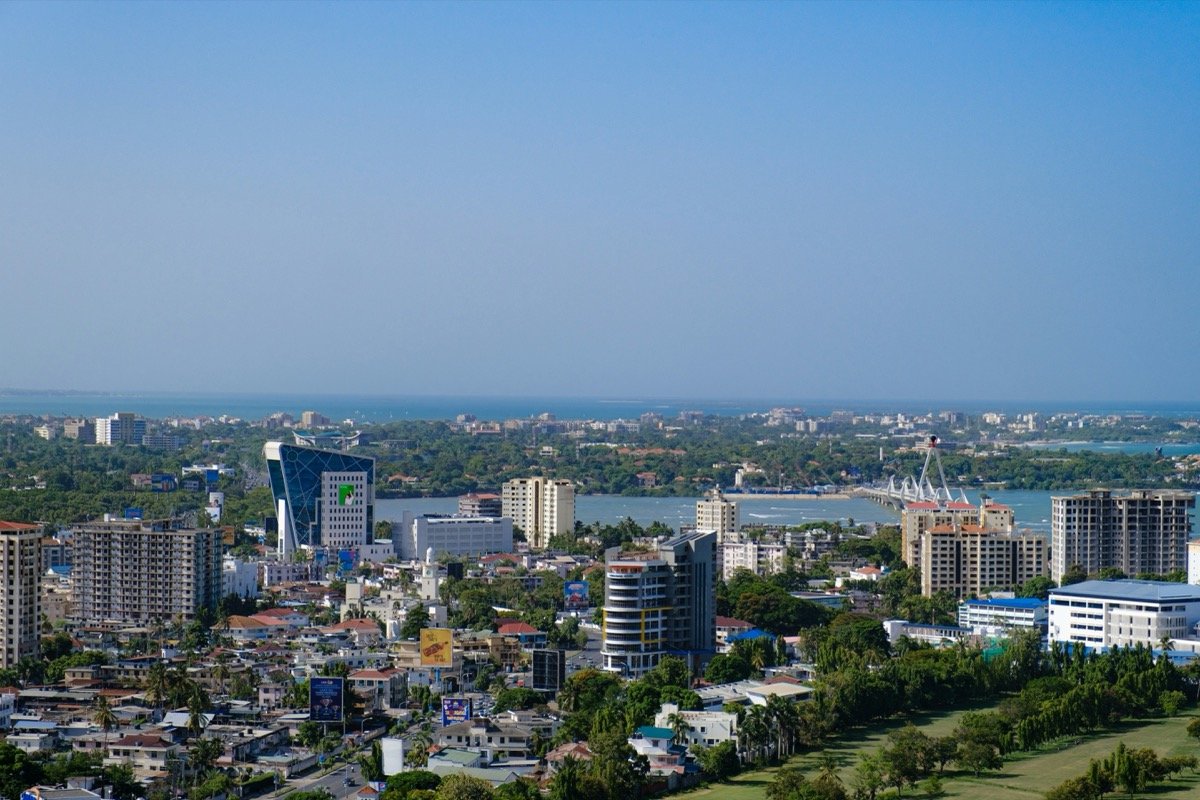
Dar es Salaam is Tanzania’s commercial capital and the country’s busiest port. Most travellers pass through on the way to Zanzibar or the national parks, but the city has enough character to justify a day or two of proper exploration. The harbour front, the chaotic energy of Kariakoo market, and the city’s Indian Ocean beaches all deserve time.
Kivukoni Fish Market
The ferry terminal area hosts one of East Africa’s most atmospheric fish markets. Arrive between 06:00 and 09:00 when the catch comes in. Vendors lay out yellowfin tuna, red snapper, kingfish, octopus, and lobster across wooden tables. The smell is intense, the noise is constant, and the light at dawn is excellent for photography. Entry is free; guides offering to show you around will ask for a tip of approximately TZS 5,000–10,000, which is reasonable for their time.
Near the market, street vendors sell deep-fried fish with coconut chutney from around TZS 2,000–4,000 per piece - one of the best cheap breakfasts in the city.
National Museum and House of Culture
The National Museum on Shaaban Robert Street is Tanzania’s primary history museum and the best introduction to the country before heading upcountry. Highlights include:
- Zinjanthropus skull - a 1.8-million-year-old fossil hominid skull discovered by the Leakeys at Olduvai Gorge in 1959
- Shirazi and Portuguese period exhibits - showing the Indian Ocean trading networks that shaped the coast
- Ujamaa documentation - archives from Julius Nyerere’s socialist experiment, including original policy documents and photographs
- Ethnographic collections with Makonde carvings and traditional tools from across Tanzania
Entry: approximately TZS 20,000 for adults, TZS 10,000 for children (as of 2026). Open Tuesday–Sunday 09:30–18:00.
Village Museum
Located 10km north of the city centre near Makumbusho, the Village Museum is an open-air ethnographic collection of traditional dwellings representing different ethnic groups across Tanzania - Chagga, Makonde, Maasai, Zaramo, and others. Each structure is built using authentic techniques and materials. Weekend cultural performances (approximately TZS 3,000 per person) include traditional drumming and dance.
Take a daladala heading north on Bagamoyo Road (TZS 500–1,000) or a taxi for approximately TZS 15,000–25,000 from the city centre. Open daily 09:30–17:30.
Kariakoo Market
Kariakoo is the city’s main wholesale and retail market - a dense, multi-storey labyrinth of stalls selling textiles, spices, produce, hardware, and second-hand goods. It is not a tourist attraction; it is simply where much of the city shops. Walking through gives an unfiltered experience of Dar’s commercial energy.
Go in the morning (08:00–11:00) when it is busiest but not yet uncomfortably crowded. Keep valuables secure and avoid photography of individuals without permission. The surrounding streets - particularly around Uhuru and Tandamuti - have dozens of small cafés serving chai and mandazi (fried dough) for TZS 500–1,000.
Coco Beach (Oyster Bay)
The closest beach to the city centre is at Oyster Bay, known locally as Coco Beach, about 8km north along the peninsula. The water is warm and the beach is clean by urban standards. Vendors sell coconuts, grilled corn, and cold drinks. Weekends get crowded with families from the city.
The beach is a pleasant late-afternoon stop - swimming is fine, though avoid the early hours when fishing boats come close to shore. Taxis from the centre cost approximately TZS 15,000–25,000 each way.
Tinga Tinga Arts Cooperative
Tinga Tinga painting - bold, flat depictions of African animals and village life in vivid primary colours - was developed in Dar es Salaam in the 1960s and is one of Tanzania’s most distinctive art forms. The Tinga Tinga Arts Cooperative Society on Haile Selassie Road houses the workshops where artists paint and sell their work directly. Prices range from TZS 20,000 for small canvases to TZS 500,000+ for large originals. There is no entry fee to browse.
This is a more authentic place to buy art than airport shops; the artists are working on-site and most are willing to explain their techniques.
Botanical Gardens
The Botanical Gardens near the State House, established in the colonial era, are a pleasant escape from the traffic noise. The grounds are not extensively maintained but the large trees provide shade and the paths are quiet. Entry is free. The gardens are particularly atmospheric on early weekend mornings when locals come to walk and exercise.
Msasani Peninsula
The residential neighbourhood north of Oyster Bay is where most expats, NGO workers, and wealthier Tanzanians live. The area has the highest concentration of restaurants, bars, and cafés in the city - useful if you want a Western-style coffee, a reliable dinner, or a cold Kilimanjaro beer. The Sea Cliff Village shopping complex is here, along with several waterfront restaurants with harbour views.
Day Trip to Zanzibar
The most popular day trip from Dar is the fast ferry to Stone Town, Zanzibar. The 75–90-minute crossing departs from the Kivukoni Ferry Terminal. Day-trip options include:
- Stone Town walking tour (3–4 hours; guided tours from approximately USD 25 per person)
- Spice tour north of Stone Town (half-day; from USD 30 per person including transport)
- Prison Island and giant tortoise sanctuary (boat trip + entry approximately USD 20–30)
Book the return ferry in advance during peak season (July–August, December–January). Economy ferry tickets cost from TZS 45,000 one-way; business class approximately TZS 95,000. For a private airport transfer from Julius Nyerere International, book a Dar es Salaam airport transfer in advance.
Getting Around the City
Dar es Salaam’s traffic is notoriously bad. The BRT (Bus Rapid Transit) along Morogoro Road runs a modern articulated bus service for TZS 650 per journey - far faster than regular daladalas on that corridor. For other areas, daladalas (minibuses) cost TZS 500–1,500. Taxis are ubiquitous; agree the fare before getting in or use Bolt (ride-hailing app common in the city). A typical city centre to Oyster Bay trip runs TZS 15,000–30,000 depending on traffic time.
Practical Tips
Best time to visit: June to October (dry season) for more comfortable temperatures and lower humidity. July–August peak prices; shoulder months of June and September are quieter.
Safety: Dar is generally safe during the day in tourist and commercial areas. Be aware of pickpockets around Kariakoo and the bus stations. Use Bolt or hotel-arranged taxis at night rather than flagging down unmarked vehicles.
Search hotels in Dar es Salaam on Booking.com
Currency: Most transactions are in Tanzanian shillings (TZS). ATMs are widely available in the city centre and at major hotels. Forex bureaux offer better rates than airport kiosks.
Budget per day: Budget traveller (hostel, daladala, local food) approximately TZS 80,000–150,000 (USD 30–55). Mid-range (guesthouse, occasional taxi, restaurant meals) approximately TZS 250,000–500,000 (USD 95–190).
Book Dar es Salaam Tours on GetYourGuide
| Tour | Duration | From (per person) | Book |
|---|---|---|---|
| Dar es Salaam: City Tour | 6 hours | from approx. USD 75 | Book |
| Dar es Salaam: Full-Day Private City Tour | Full day | from approx. USD 110 | Book |
Prices as of 2026. The standard city tour covers the National Museum, Village Museum, Tingatinga arts, and Kariakoo market in a shared group vehicle. The full-day private option allows a custom itinerary with a dedicated guide. Browse all Dar es Salaam tours and day trips including Zanzibar excursions and Mikumi National Park safaris. Stay connected with mobile data from day one using an eSIM for Tanzania, which works across Dar’s city network without needing a local SIM card.