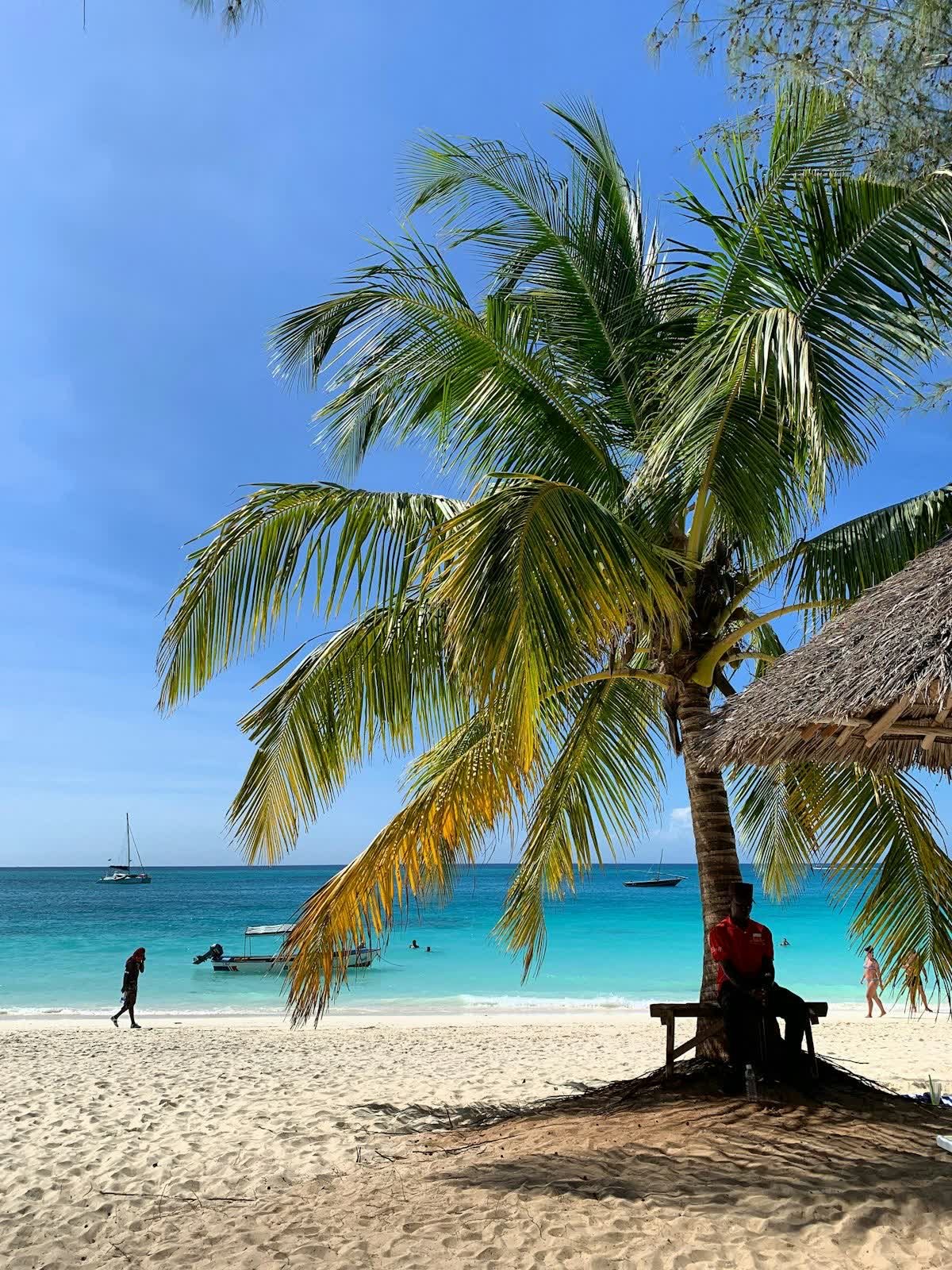
Zanzibar is cheaper than the internet will lead you to believe - at least compared to nomad hubs in Southern Europe, the Canaries, or even Bali at current rates. It’s not Southeast Asia cheap, but for the combination of natural environment, culture, and lifestyle, the cost-to-experience ratio is hard to beat.
What follows is an honest breakdown of what remote workers actually spend. All figures are approximate as of 2026 and quoted in USD; exchange rates fluctuate.
Accommodation
Accommodation is the single biggest variable in your Zanzibar budget.
Search hotels in Zanzibar on Booking.com
Stone Town
Stone Town has the widest range. Guesthouses in the historic medina start at around $25–40/night for a clean room with AC and adequate WiFi. Monthly rates for the same rooms typically drop to $400–700/month if you negotiate directly with the owner rather than booking through OTAs.
Mid-range boutique guesthouses with proper fibre internet, ensuite bathrooms, and rooftop access run $60–100/night or $800–1,400/month on a long-stay deal. Examples in this tier include properties around the Shangani and Forodhani neighbourhoods.
Short-term apartment rentals (via local agents or Facebook groups) offer more independence: a furnished one-bedroom apartment in a good Stone Town neighbourhood costs approximately $500–900/month. These often come with a kitchen, which significantly cuts food costs.
Paje (East Coast)
Paje accommodation skews toward guesthouses and small hotels rather than apartments. A basic bungalow with WiFi runs $30–60/night. The coworking-with-accommodation packages that have emerged specifically for remote workers - bundling a room, desk access, and breakfast - typically cost $600–900/month and represent good value if the included workspace suits your working style.
Mid-range beach bungalows in Paje cost $80–150/night for casual stays; long-stay discounts are commonly negotiated.
Food and Drink
Food in Zanzibar is genuinely cheap if you eat where locals eat.
Local restaurants and street food: Biryani, pilau, chips mayai, grilled seafood at Forodhani Night Market - most meals cost $2–5 USD. The night market in Stone Town is particularly good value: lobster and crab grilled to order for $8–15.
Mid-range restaurants: A sit-down meal at one of Stone Town’s established restaurants costs $10–20 per person, including a drink. Emerson Spice’s rooftop restaurant is the splurge option ($30–50/head); The Rock restaurant off the Michamvi coast is the special-occasion choice.
Paje eating: Options are more limited and pricier than Stone Town. Most nomads in Paje eat at guesthouse restaurants ($8–15/meal) or cook in shared kitchens when available.
Groceries: A weekly shop from a supermarket in Stone Town (Nakumatt-style stores) runs approximately $40–70 for a single person cooking some meals at home. Fresh produce from local markets is cheaper - tomatoes, onions, coconuts, bananas, and local greens are very affordable. Imported goods (cheese, wine, breakfast cereals) are expensive.
Coffee: Zanzibar grows its own coffee and takes it seriously. A local coffee at a café costs $1–3. International-style flat whites at nomad-friendly cafés run $3–5.
Alcohol: Tanzania is not as cheap for alcohol as some expect. A beer at a beach bar costs $3–5; cocktails $6–10. Duty-free imports from Dar es Salaam save money if you’re a regular drinker.
Coworking and Internet
Dedicated coworking day passes: $10–18 USD.
Monthly hot desk membership: $150–250 USD at Stone Town’s established spaces.
If your accommodation already has strong fibre (100 Mbps+ verified), many nomads skip the coworking subscription and supplement with café working a few days per week.
A local Vodacom or Airtel SIM with 20GB of data costs approximately $12–20/month - useful as a mobile backup and for when you’re working from Paje where fixed connections are less reliable.
Transport
Zanzibar’s main transport options:
Dala-dala (shared minibus): The cheapest way to get around - $0.50–1 USD per journey. Slow and not air-conditioned, but perfectly functional for non-time-sensitive travel.
Motorbike/scooter rental: The default for most nomads. A daily rental runs $8–12/day; monthly rental is commonly negotiated to $100–150/month. A scooter transforms the island - the journey from Stone Town to Paje takes about 45 minutes. International driving licence required; local enforcement is variable but carry one regardless.
Taxi: Negotiated at the start of a journey. Stone Town to Jozani Forest approximately $20–25; Stone Town to Paje approximately $30–40. Prices are fixed by negotiation, not meters.
Ferry from Dar es Salaam: Fast ferries run multiple times daily, costing $30–50 each way. Useful for a mainland excursion or visa run.
Monthly Budget Tiers
These are realistic ranges based on a solo remote worker spending a full month in Zanzibar:
Budget - $1,100–$1,500/month
- Guesthouse room in Stone Town (negotiated monthly rate): $400–550
- Food (local restaurants + some cooking): $200–300
- Coworking day passes or café working: $80–120
- SIM card data: $15–20
- Scooter rental: $100–120
- Miscellaneous (activities, sundries): $100–200
Best suited to: flexible workers who eat local, don’t need a dedicated daily desk, and can live without air conditioning.
Mid-Range - $1,800–$2,600/month
- Furnished apartment or boutique guesthouse: $700–1,000
- Food (mix of local and international restaurants): $350–500
- Monthly coworking membership: $200–250
- SIM + occasional data top-ups: $25
- Scooter rental: $120–150
- One weekend beach trip or activity: $100–150
- Miscellaneous: $200–300
Best suited to: professionals who want a proper desk setup, eat out regularly, and want a more comfortable base.
Comfortable - $3,000–$4,500/month
- Good apartment or boutique hotel: $1,000–1,800
- Dining (mix including nice restaurants): $600–800
- Dedicated coworking or private office share: $300–400
- Transport (scooter + occasional taxis): $200–300
- Activities (diving, sailing, Mafia Island day trip): $300–500
- Miscellaneous: $300–400
Best suited to: higher earners who want a comfortable lifestyle without compromise, or those managing clients with strict availability expectations.
Healthcare Costs
Private clinic consultations in Stone Town cost approximately $30–60 USD. Prescription medication is available from pharmacies at low cost. Anything serious may require travel to Nairobi for treatment - this is where travel insurance with evacuation cover becomes non-negotiable. Expect annual premiums of $300–600/year for a comprehensive policy covering Tanzania with medical evacuation.
What Zanzibar Costs vs. Comparable Destinations
| Destination | Budget monthly | Mid-range monthly |
|---|---|---|
| Zanzibar | $1,100–$1,500 | $1,800–$2,600 |
| Bali (Canggu) | $1,400–$2,000 | $2,200–$3,500 |
| Lisbon | $2,000–$2,800 | $3,000–$4,500 |
| Chiang Mai | $800–$1,200 | $1,500–$2,200 |
| Tbilisi | $900–$1,300 | $1,600–$2,400 |
Figures approximate as of 2026 - individual spending varies widely.
Zanzibar sits in a practical middle ground: more affordable than European destinations and competitive with Bali, while offering an environment that most nomad hubs can’t match. The infrastructure is the trade-off - it’s improving but isn’t Chiang Mai.
Tips for Managing Costs
Negotiate long-stay rates directly. Most guesthouses and apartments offer significant discounts for stays of 30+ days if you contact them directly rather than booking through OTAs. A $60/night room might be $900–1,100/month.
Eat at Forodhani Night Market. Stone Town’s night market delivers some of the best value meals on the island - fresh grilled seafood for a fraction of restaurant prices.
Get a Tanzania eSIM sorted before departure or buy a local SIM on arrival. Airport SIM prices are higher than in-town shops, but still cheap by any standard. Vodacom has the best island-wide coverage.
Budget for activities. Zanzibar’s attractions - diving, snorkelling, spice tours, dhow sailing - are core to why nomads choose it. Budget $150–300/month for activities so they don’t feel like splurges.
Account for the rainy season. If you plan to base in Zanzibar during March–May, factor in reduced outdoor activity, occasional power cuts, and more time indoors. Accommodation prices drop during this period - often 20–30% below dry season rates.