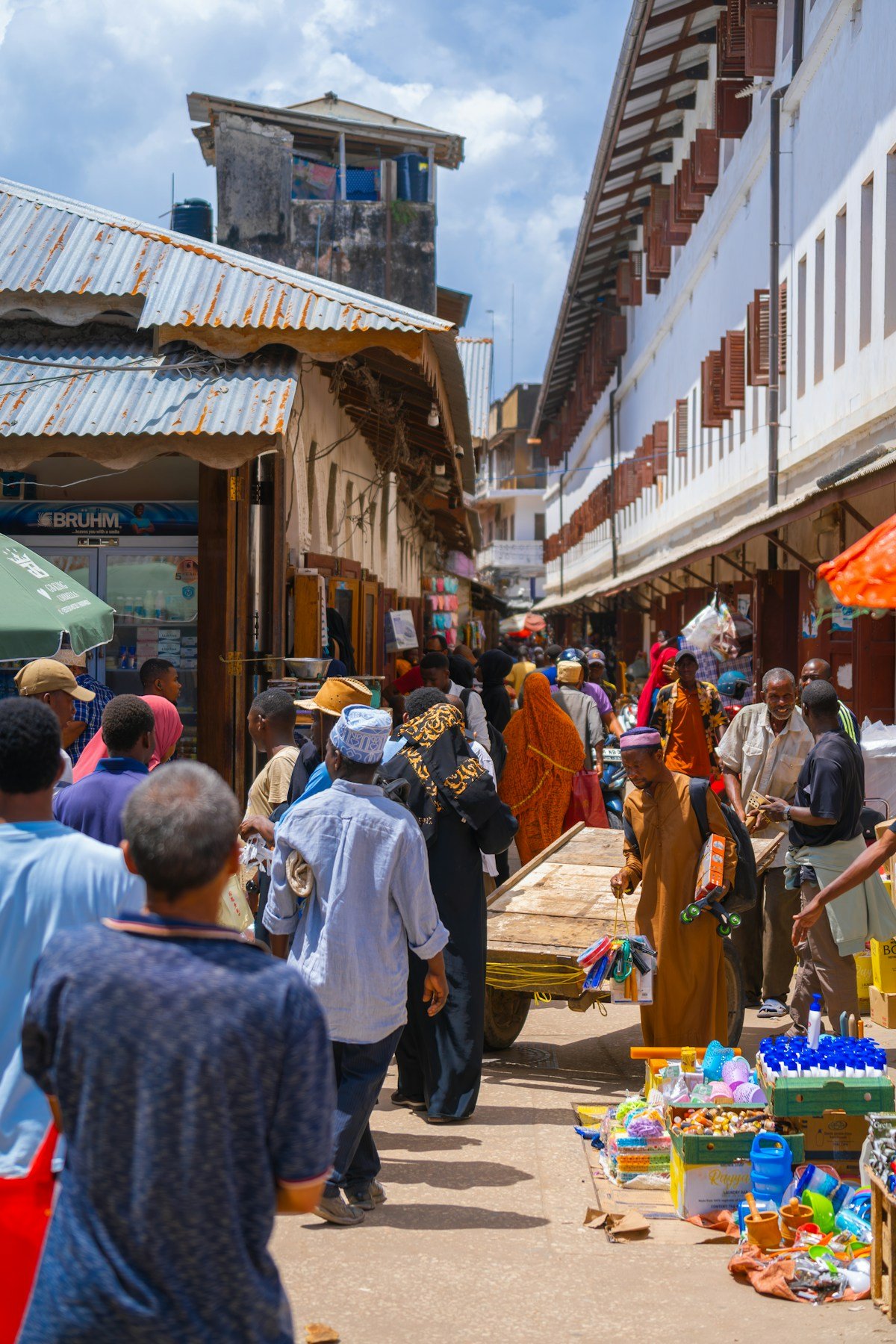
Zanzibar’s food reflects five centuries of Indian Ocean trade: Arabic cooking methods, Indian spice use, Portuguese ingredients (cassava, tomatoes), and East African coastal produce. The result is a distinctive Swahili cuisine unlike anything on the mainland, built around seafood, coconut milk, rice, and a spice palette that includes clove, cinnamon, cardamom, and black pepper - all grown on the island.
The Key Dishes
Urojo (Zanzibar Mix): The most distinctively Zanzibari dish. A thin, tart tamarind-based soup served in a bowl with fried bhajias, potatoes, coconut chutney, mango pickle, and a sprinkle of crushed cassava chips. It sounds like it should not work and it does. Found at market stalls and local cafes, typically available for lunch. Price: approximately USD 1–2.
Zanzibar Pizza: Not pizza in any Italian sense. A thin dough is folded around a filling - egg, cheese, and minced meat are the standard - then cooked on a flat griddle. Sweet versions filled with banana or chocolate Nutella also exist. The dominant dish at Forodhani Night Market after dark. Price: approximately USD 2–4.
Pilau Rice: Long-grain rice cooked in a broth of spices (black pepper, cumin, cloves, cardamom), typically served with meat, potato, or egg. The base dish at almost every local restaurant. Price: approximately USD 2–4 at a local place.
Biryani: Introduced via Arab and Indian trade routes, biryani in Zanzibar uses local spicing and is often made with goat, chicken, or fish. Lukmaan restaurant in Stone Town is the go-to address. Price: approximately USD 4–6.
Mishkaki: Skewered grilled beef or chicken marinated in coconut, lime, and chilli. Sold at most evening markets and roadside stalls. Price: approximately USD 1–2 per skewer.
Grilled Seafood: Zanzibar’s Indian Ocean location means fresh octopus, lobster, kingfish, snapper, and prawns are available daily. At Forodhani Night Market, a half lobster costs approximately USD 12–18 depending on size (agree price before cooking). A whole grilled fish runs USD 6–10.
Zanzibari Coffee: Spiced coffee (coffee with ginger, cardamom, and sometimes clove) served in small glasses. Different from mainland Tanzanian coffee and from Ethiopian styles. Served from thermos flasks at market stalls and old cafes in Stone Town for approximately USD 0.50.
Sugar Cane Juice: Pressed fresh at market stalls, served with lime and ginger. Approximately USD 0.50–1.
Where to Eat in Stone Town
Forodhani Night Market: The Forodhani Gardens waterfront fills with food stalls at sunset every evening. This is the single most important food experience in Zanzibar. Arrive by 6:30pm for fresh selection; the last of the good fish goes by 9pm. Navigate: look for stalls with high turnover, negotiate prices for larger items (lobster, octopus) before they cook, and eat standing or at the low plastic tables set up along the sea wall. Budget USD 8–15 for a full meal including juice.
Lukmaan Restaurant (New Mkunazini Road): Open from late afternoon, closes when the pots are empty (usually by 9pm). Point at what you want from the display: biryani, curried meat, cassava, vegetables. Best biryani in Stone Town by most accounts. Price: full plate under USD 5.
Emerson Spice Rooftop (Hurumzi Street): The tasting menu here (approximately USD 40 per person, booking required) is one of Zanzibar’s most memorable meals. Seven to nine courses of Swahili cooking - octopus curry, tamarind-glazed chicken, coconut ice cream - served with views over the Stone Town rooftops. Book a day ahead by phone or email.
Mercury’s Restaurant (Mizingani Road): On the waterfront, named after Freddie Mercury who was born in Stone Town in 1946. Reliable but not the most authentic: fish and chips, pizza, Zanzibar curry, cold Tusker. Main course USD 12–20. Good for a relaxed meal with harbour views.
Silk Route (Shangani area): Indian and Chinese cooking, a departure from Swahili. Well reviewed for those experiencing Swahili food fatigue after a few days. Mains USD 10–18.
Beach Restaurants
The Rock Restaurant (Michamvi Peninsula, 40 minutes from Stone Town): A restaurant built on a tidal rock in the ocean - walk to it at low tide, boat to it at high. One of the most photogenic restaurants in Africa. The food (grilled seafood, Swahili-influenced dishes) is good but not exceptional; you are partly paying for the experience. Lunch approximately USD 30 per head without drinks. Booking essential - email their reservations team 48–72 hours ahead.
Langi Langi Beach Restaurant (Nungwi): Reliable open-air restaurant on Nungwi beach. Grilled lobster (USD 22–28), barracuda steak (USD 16), coconut fish curry (USD 14). Better value and quality than most of the beach resort dining.
Kendwa Rocks Beach Bar & Restaurant: Good pizza and grilled fish at mid-range prices (USD 12–18). The most consistent evening option in Kendwa.
East Coast Eating
The east coast villages (Paje, Jambiani) have a more limited restaurant scene outside the lodges. Local food stalls in Paje village serve rice, beans, and mishkaki from approximately USD 2–4. The lodge restaurants are the main evening option at Matemwe.
Evergreen Restaurant (Paje): A reliable local restaurant on the main Paje road. Rice, fish, chips. Under USD 6 for a full plate.
Drinking
Tanzania is a Muslim-majority island; public alcohol consumption is done discreetly. All mid-range and above hotels and restaurants serve alcohol. Local beer is Serengeti (lager), Kilimanjaro (pilsner), and Tusker (Kenyan). A cold beer at a beach bar costs approximately USD 3–5.
Coconut water direct from a fresh green coconut, bought from roadside sellers for USD 0.50–1, is the most locally appropriate drink and genuinely refreshing in the heat. Browse Zanzibar food tours and cooking classes to explore the island’s Swahili cuisine with a local expert.
Food Shopping
Darajani Market (Creek Road, Stone Town) is the main food market. The fish hall at the back opens early and has the freshest catch - snapper, octopus, calamari, and kingfish all available. Spice vendors on the outer stalls sell cloves, cinnamon, dried vanilla, and pepper.
Self-catering villas on the east coast (Paje, Jambiani) typically have a cook attached to the property who can source produce from the local market - this is often the most cost-effective and highest-quality way to eat for a week’s stay.
For food tours, cooking classes, and guided market experiences in Stone Town, browse Zanzibar tours to compare and book operators. For a deeper look at Zanzibar’s cuisine history, the key Swahili dishes, and what makes the island’s flavour palette unique, see our Zanzibar cuisine guide. If you’re visiting from the mainland, an eSIM for Tanzania keeps you connected from arrival in Dar es Salaam through to Zanzibar without needing a new SIM card.