Zanzibar Travel Guide: Beaches, Stone Town & What to Know
Stone Town, top dive sites, accommodation tiers, and Zanzibar visa rules: best beaches November to February; calmest seas June to October.
Guides for Zanzibar
Zanzibar - officially Unguja - sits 35 km off the Tanzanian coast in the Indian Ocean. It is an autonomous region within Tanzania, meaning it has its own government and entry procedures even though your Tanzanian visa covers it. The island measures roughly 85 km by 30 km: small enough to drive end to end in two hours, varied enough that you could spend two weeks without running out of things to do.
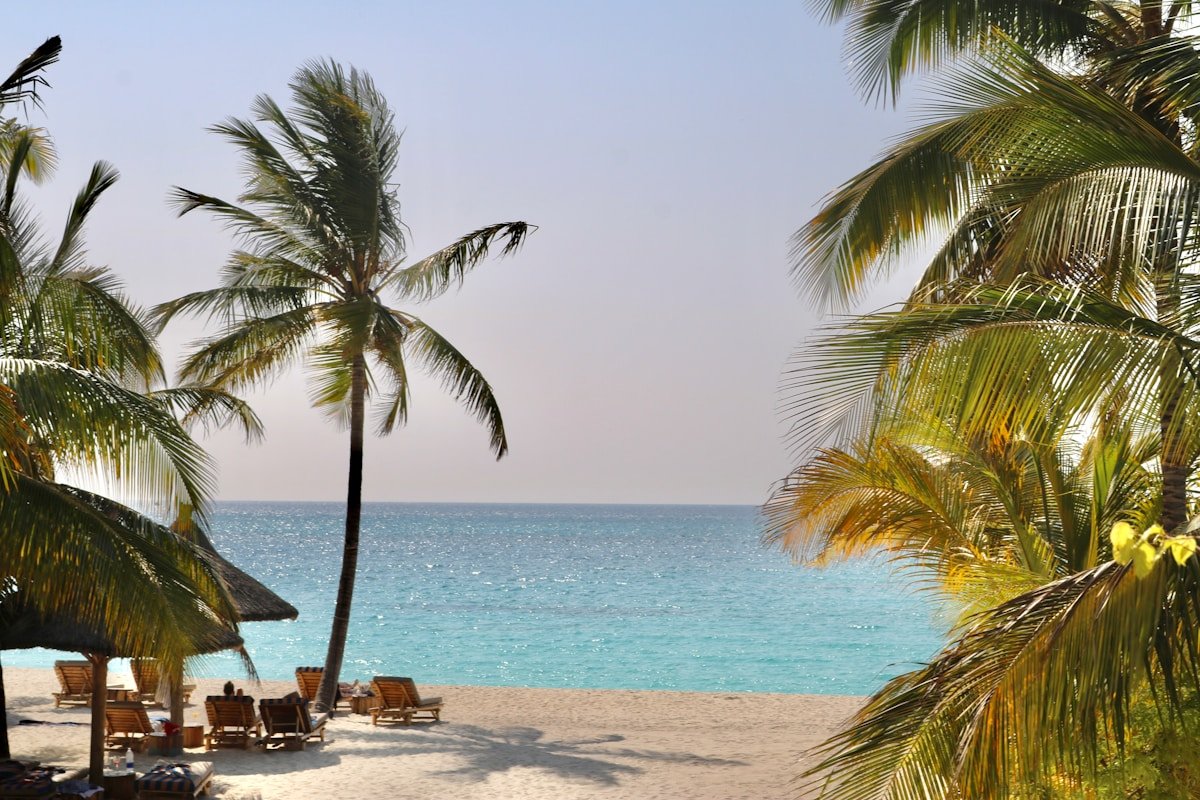
The north and east coasts have white coral sand and shallow reef-sheltered water. Stone Town, on the west coast, is a UNESCO World Heritage Site of Arab and Swahili architecture with a working harbour. The interior is dense with clove, cinnamon, and vanilla plantations - the reason Zanzibar was called the Spice Island for centuries. Offshore, Mnemba Atoll is one of East Africa’s best dive sites.
How to Get to Zanzibar
By air: Zanzibar International Airport (ZNZ) receives direct flights from Nairobi (Jambojet, Kenya Airways), Addis Ababa (Ethiopian Airlines), and Dubai (flydubai). From Dar es Salaam, Precision Air and Coastal Aviation run 20-minute hops throughout the day from around USD 60 one-way.
By ferry: Azam Marine and Coastal Fast Ferries run several sailings daily between Dar es Salaam and Stone Town. Journey time is approximately 2 hours. Book tickets in advance at either company’s downtown Dar office or at the ferry terminal. Fares are approximately USD 35 for economy, USD 50 for VIP class (as of 2026). Ferries occasionally cancel in rough weather during the long rains (April–May).
Getting Around the Island
Dala-dalas (shared minibuses) run fixed routes across the island for TZS 500–2,000 (under USD 1). They are the cheapest option for reaching Nungwi or Paje from Stone Town. Journey times are unpredictable.
Private transfers from Stone Town to Nungwi cost approximately USD 30–40 one-way by bajaj (auto-rickshaw) or shared taxi, and USD 50–60 by private car. Renting a scooter from Stone Town costs approximately USD 25 per day - useful for exploring the east coast. Car hire with driver for a full-day island tour runs approximately USD 80–100.
Stone Town
Stone Town is the cultural and historical core of Zanzibar. Its labyrinthine lanes, carved wooden doors, and coral stone buildings earned it UNESCO World Heritage status in 2000. Allow at least a full day here, ideally two.
Key sights include the Old Fort (Ngome Kongwe, built by the Omanis in the early 1700s - entry free), the Palace Museum (Beit el-Sahel, USD 3 entry, open 9am–6pm), and the house where David Livingstone stayed before his final expedition. The Darajani Market on Creek Road is at its best early morning.
Forodhani Night Market, on the waterfront, opens around 6pm. Vendors grill fresh seafood, chapati, and Zanzibari pizza (a filled flatbread) from stalls. Budget USD 5–10 for a full meal.
For a guided Stone Town walk, Eco and Culture Tours (based near the Old Fort) charge approximately USD 15 per person for a 2-hour tour. This is the most efficient way to navigate the medina and hear the history behind the buildings.
Beaches
The north coast (Nungwi, Kendwa) stays swimmable year-round because it faces away from the southeast trade winds. Nungwi is the busiest - dhow building happens on the beach and nightlife options are clustered here. Kendwa, 5 km south, is quieter and has one of the best sunset views on the island.
The east coast (Paje, Jambiani, Matemwe) faces the Indian Ocean. At low tide, water recedes far across the reef flat - this is when seaweed farmers work the shallow beds. At high tide, the water is deep enough to swim. Paje is East Africa’s main kite-surfing destination; Airborne Kite Centre offers lessons from USD 60 per hour.
Matemwe, near the north-east tip, is the closest beach to Mnemba Atoll and the most popular base for divers.
Spice Farms
Half-day spice tours run from Stone Town to plantations in the central district, typically 9am–1pm. Guides lead you through clove trees, vanilla vines, cinnamon bark, nutmeg, cardamom, and lemongrass. Tours usually include a fruit lunch.
Mrembo Spice Farm (Mkokotoni Road, approximately 40 minutes north of Stone Town) is one of the most established. Zingarella Tours and Eco and Culture Tours both run well-regarded half-day tours from Stone Town for approximately USD 20–25 per person including transport and lunch.
Diving and Snorkelling
Mnemba Atoll, off the northeast coast near Matemwe, is the standout dive site: pristine coral, green turtles, dolphins, and reef sharks at depths of 8–30 metres. Visibility averages 20 metres. The best conditions are June–October (dry season) and December–February.
One Ocean dive centre operates from both Stone Town and Matemwe. A two-tank dive trip to Mnemba costs approximately USD 110 including equipment. Open Water PADI certification costs approximately USD 450. Snorkelling trips to Mnemba cost approximately USD 45 per person.
Blue Hole diving is available near Nungwi; Spanish Dancer dive site near Matemwe has reliably strong currents and larger pelagics.
Where to Stay
Stone Town (budget–mid-range): Zanzibar Serena Hotel occupies a converted telegraph building on the waterfront - doubles from approximately USD 200 per night. Emerson Spice (boutique guesthouse, rooftop restaurant) from approximately USD 160. Mtoni Marine Residences from approximately USD 80.
Nungwi (mid-range–luxury): Nungwi Beach Hotel from approximately USD 120, DoubleTree by Hilton Zanzibar from approximately USD 200, RIU Palace Zanzibar (all-inclusive, north tip) from approximately USD 280 per person per night.
Paje/Matemwe (east coast): Paje by Night Bungalows from approximately USD 60, Matemwe Lodge from approximately USD 350 (high-end).
Search all Zanzibar hotels on Booking.com
High season (June–October, December–January) commands premium rates. Book at least 8 weeks ahead for mid-range or above.
Food and Drink
Zanzibari cuisine blends Swahili cooking with Arab, Indian, and Portuguese influences. Seafood dominates: grilled octopus, pilau rice, biryani, and urojo (a tamarind-based soup known as “Zanzibar mix”) are the staples.
Forodhani Night Market (open from approximately 6pm, Stone Town waterfront) is the best single stop. The Rock Restaurant, perched on a tidal rock off Michamvi Peninsula (40 minutes from Stone Town), requires advance booking and is one of Tanzania’s most photographed restaurants - grilled seafood lunches from approximately USD 30.
Lukman Restaurant on New Mkunazini Road is popular for local biryani - around USD 4 for a full plate, open from early evening.
Practical Notes
- Zanzibar uses the Tanzanian shilling (TZS). USD and euros are widely accepted at hotels and tour operators; small vendors prefer shillings.
- Dress modestly in Stone Town and Muslim villages. Cover shoulders and knees away from beach areas.
- Dress code signs at beaches in residential villages (Jambiani, Bwejuu) ask visitors to cover up when walking through the village.
- There is no entrance tax for Zanzibar but Mnemba Atoll Marine Conservation Area charges USD 10 per visitor per dive/snorkel trip, paid to One Ocean or your dive operator.
- Marine Park entry fees apply to Mnemba; check current rates with your dive centre.
Browse Zanzibar tours and excursions to book Stone Town walks, Mnemba snorkelling, spice tours, and dhow cruises. For Stone Town specifically, Stone Town tours lists guided history and architecture walks. Stay connected throughout the island with an eSIM for Tanzania, which covers Zanzibar on the same network as the mainland.
Book an experience
Top experiences in Zanzibar
Explore the best tours and activities in Zanzibar , with instant confirmation and free cancellation on most bookings.