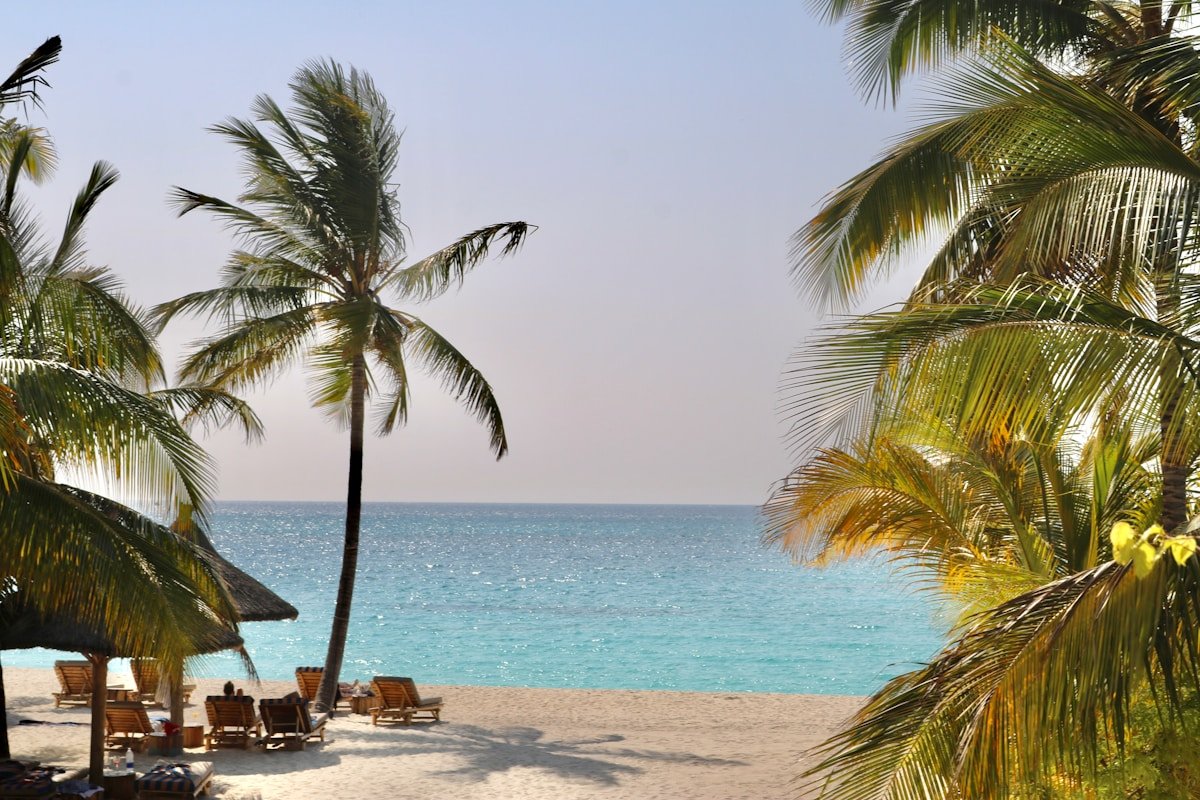
Zanzibar packs an unlikely range of experiences into a 1,554 km² island. A day can move from exploring the carved-door alleyways of Stone Town at dawn, to a spice plantation tour mid-morning, to snorkelling over Mnemba Atoll’s coral gardens by afternoon, to watching the sun drop into the Indian Ocean from a rooftop dhow bar at dusk. The island’s scale makes this easy — most destinations are within an hour of each other.
The activities here divide broadly into three types: cultural (Stone Town, spice tours, local markets), marine (snorkelling, diving, dolphin watching, kitesurfing), and beach (the beaches themselves, which have different characters on different coasts). What follows covers the best of all three.
Stone Town: The Historic Core
Stone Town is the first stop for most visitors and warrants at least a full day, ideally two. The UNESCO-listed old quarter is a working city — not a museum — and the best way to experience it is on foot without a fixed plan.
What to do:
- Walk the alleys between Shangani Street and Hurumzi Street in the early morning before heat builds
- Examine the carved wooden doors — over 500 survive, each reflecting the status of the merchant family that commissioned it, with Indian and Omani motifs competing for dominance
- Visit the Old Fort (Ngome Kongwe), built by Oman in the 1700s on the site of a Portuguese chapel — free entry, live music performances on Tuesday and Saturday evenings
- The House of Wonders (Beit-el-Ajaib) — currently closed for restoration as of 2026 but the exterior and surrounding waterfront area are worth visiting
- Darajani Market — the main covered market operating since the 19th century, selling everything from fresh fish (morning hours best) to spices and secondhand goods
- Forodhani Gardens night market — waterfront stalls selling Zanzibar pizza, grilled octopus, fresh sugarcane juice, and samosas from early evening; busy Tuesday to Sunday
Stone Town tours: Most guesthouses and hotels can connect you with guided walking tours of around 2-3 hours (approximately USD 20-35 per person). The Zanzibar Tourist Corporation office near the Old Fort is a reliable point of contact for licensed guides.
Search hotels in Zanzibar on Booking.com
Spice Tours
Zanzibar earned the name “Spice Island” as the 19th century’s dominant clove producer, and the spice industry still shapes the island’s interior landscape. A half-day spice tour takes you through working plantations where cinnamon, nutmeg, turmeric, vanilla, black pepper, cardamom, and cloves are cultivated in the same rich red soil that made Zanzibar economically vital to the Oman sultanate.
Tours depart from Stone Town or from north coast hotels and take 2-3 hours on the plantation, typically including lunch. Cost: approximately USD 25-40 per person through guesthouse bookings; USD 50-75 through hotel concierges.
The village of Kizimbani, around 15 km north of Stone Town, is the main spice tour hub. Some operators stop at the ruins of a Persian bath complex along the route, adding a historical layer to the agricultural one.
Tip: Book directly through your Stone Town guesthouse or ask another traveller which operator they used. The markup from large tour desks is significant and the smaller operations often have better guides.
Mnemba Atoll: Snorkelling and Diving
Mnemba Atoll Conservation Area, off the northeast coast near Matemwe, is consistently rated among the best snorkelling and diving sites in the western Indian Ocean. The atoll’s coral gardens shelter dense marine life: hawksbill and green turtles (highly reliable sightings), reef whitetip and blacktip sharks, schools of jackfish, angelfish, lionfish, and occasional humpback whales in July to September.
Snorkelling: Day trips from Nungwi or Matemwe include boat transfer, snorkelling equipment, and typically 1-2 snorkel stops. Cost: approximately USD 40-65 per person. Visibility is usually 15-25 metres during the dry season. Bring reef-safe sunscreen — several operators are strict about this and will not supply conventional sunscreen.
Diving: Most dive operators are based in Nungwi and Matemwe. Fun dives at Mnemba cost approximately USD 50-70; PADI Open Water courses USD 350-450 over 3-4 days. Night diving is available through a few operators and is particularly productive for crustaceans and octopus.
Best time: June to October for best visibility and calm conditions. March to May sees rougher water and reduced visibility.
Dolphin Tour: Kizimkazi
The fishing village of Kizimkazi on Zanzibar’s southwest coast has a resident population of bottlenose and humpback dolphins that can be observed year-round. Boat tours depart from the village beach, typically at 06:00-07:00 to catch dolphins before wind builds.
Cost: approximately USD 25-45 per person for a shared boat; USD 80-120 for a private boat. Most Zanzibar hotels and Stone Town guesthouses can arrange the transfer and tour (around 50 km from Stone Town, 45-60 minutes by taxi).
What to expect: The dolphins are wild animals and sightings are not guaranteed, though guides who know the area well have high success rates. Snorkelling from the boat near pods is often offered and is one of the more memorable wildlife experiences on the island. Avoid operators who pressure animals or herd them — reputable guides keep a respectful distance.
Kizimkazi also has a 12th-century mosque (Kizimkazi Mosque), claimed to be among the oldest on the East African coast, visible from the outside on request through the village caretaker.
Nungwi and Kendwa: North Coast Beaches
Nungwi and Kendwa, the two main north coast villages, offer the most consistent swimming conditions on the island because the northern tip is not subject to the extensive tidal recession that makes east coast beaches awkward at low tide.
Nungwi is the larger of the two with a full range of accommodation, restaurants, dive operators, and a small dhow building yard at the village’s working fishing harbour. Sunsets from Nungwi’s west-facing beach are exceptional — the Sundowner boat trips that circle the headland at dusk (approximately USD 20-30 per person) are worth doing at least once.
Kendwa Rocks is 3 km south of Nungwi by beach path or short taxi ride, and maintains a more relaxed party atmosphere (Kendwa Rocks Full Moon Party is a well-established monthly event). The beach itself is marginally quieter than central Nungwi on regular days.
From Stone Town to the north coast: Approximately 55 km, 60-90 minutes by taxi (USD 30-45 one way). Dalla-dalla minibus routes also run from Darajani bus stand for approximately TZS 3,000-5,000.
Paje and the East Coast: Kite Surfing and Tidal Flats
Paje on the east coast attracts a different visitor: kite surfers and travellers who prefer a quieter, more local feel. The consistent southeasterly trade wind from June to September and northeast wind from December to February makes Paje one of East Africa’s leading kite surfing spots.
Kite surfing: Paje and Jambiani are the main hubs. Beginner courses run approximately USD 300-400 for a standard 3-day IKO certification. Equipment rental for certified riders from around USD 40-60 per day.
Snorkelling at low tide: The east coast reef can be reached on foot at low tide — visitors wade out 200-500 metres over the sandflat to reach clear water and living coral. Guided reef walks (approximately USD 10-20 per person) are a low-cost alternative to boat snorkelling trips.
Note on tides: The east coast tidal range can exceed 3 metres. At low tide the swimming area is a long walk across exposed flat. Check tide tables before planning beach activities — most east coast guesthouses post them or can advise.
Sunset Dhow Cruise
One of the most popular activities in Zanzibar and deservedly so. Traditional wooden dhows sail from Stone Town’s harbour and from the north coast at sunset, typically serving drinks (often a sundowner cocktail) while sailing parallel to the coast as the sky changes colour over the Indian Ocean.
Cost: approximately USD 25-50 per person for shared dhow cruises from Stone Town. Private charters run USD 150-250 for the full boat (suitable for groups of 4-8). Most Stone Town hotels and guesthouses can arrange bookings.
Some operators include snorkelling stops or a dinner setting — the fish and coconut dinner dhow cruise from Stone Town is a popular evening option at approximately USD 55-75 per person including food.
Prison Island (Changuu Island)
A 20-minute boat ride from Stone Town’s waterfront, Prison Island (Changuu) was used as a quarantine station in the late 19th century and later became a British prison that was never actually used as such. The main draw today is the Aldabra giant tortoise sanctuary — the island keeps a population of over 100 giant tortoises, some of which are over 100 years old and can be fed by hand.
The island also has a small beach for swimming and snorkelling directly off the shore. Clear water and reasonable reef access make it worthwhile for the combination.
Cost: entry fee approximately USD 4 per person (2026); boat transfer from Stone Town approximately USD 15-25 per person return depending on group size. Half-day trips are typical.
Browse Zanzibar tours and activities to book spice tours, dive courses, and sunset dhow cruises through vetted operators.