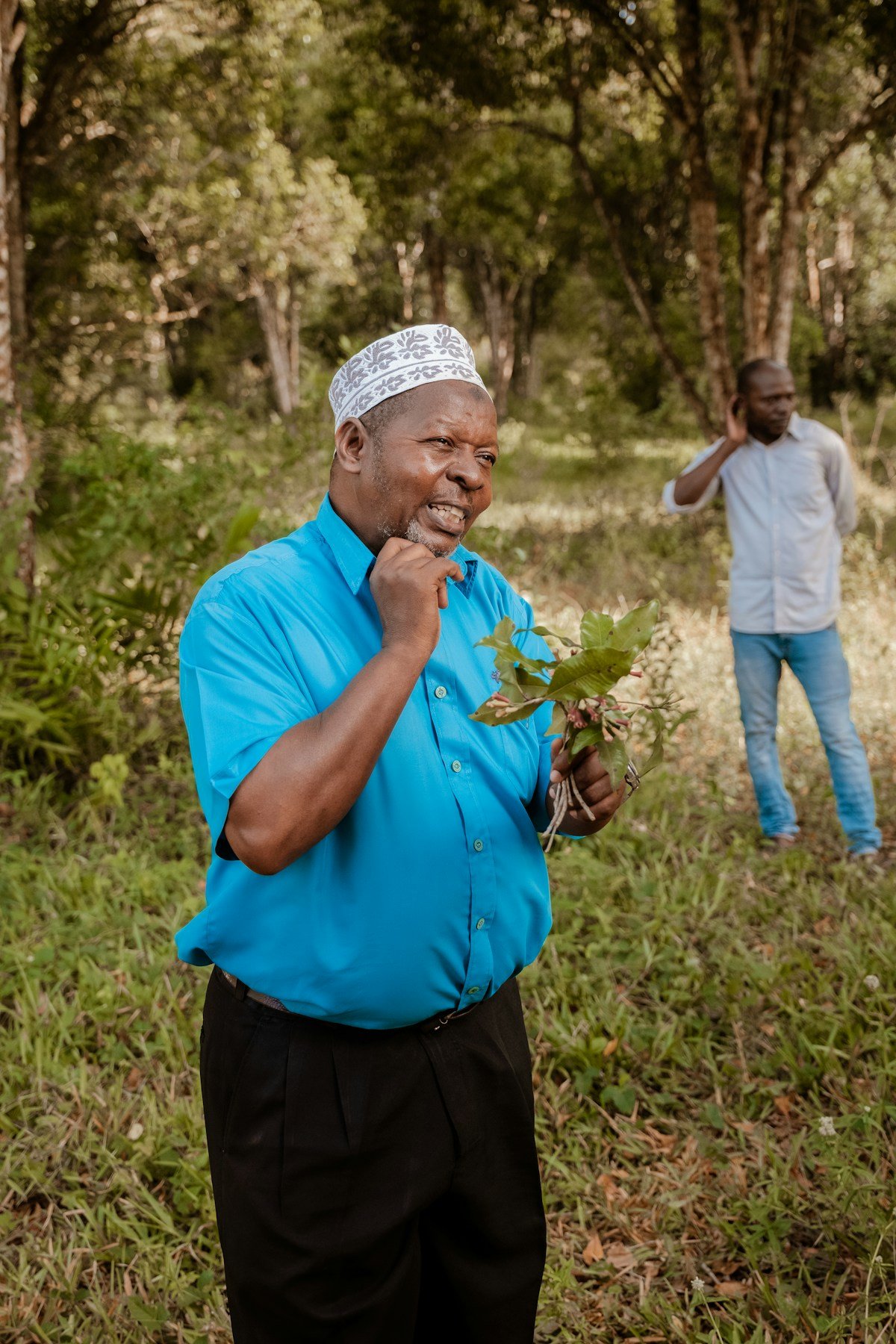
Zanzibar has been called the Spice Island since at least the 16th century. The title comes from the systematic plantation farming developed under Omani Arab rule in the early 19th century, when Sultan Seyyid Said shifted production from Muscat to Zanzibar and made it the world’s largest clove exporter within a generation. Today, Tanzania (predominantly through Zanzibar) still produces approximately 5–10% of the world’s cloves.
The spice farms lie in the central highlands of the island, roughly 20–35 km north of Stone Town, in an area around the towns of Kizimbani and Mkokotoni. The drive takes approximately 40 minutes on reasonable tarmac with brief dirt sections. You can book a Zanzibar spice tour online to compare operators and read recent reviews before deciding.
What You See on a Spice Tour
A well-run tour covers 15–20 plants across 2–3 hours of walking a working farm. The specifics vary by season - some plants produce fruit or flower only at certain times of year - but the following are typically present year-round:
Cloves (Syzygium aromaticum): The small pink buds are picked before they open, then dried in the sun to the familiar dark brown spice. The tree is a relative of the myrtle family. Smelling fresh clove on the tree is a different experience from the supermarket version.
Cinnamon (Cinnamomum verum): The inner bark is peeled from branches, not the trunk, and rolled into the quills sold commercially. Guides show the bark scraping process.
Vanilla: An orchid vine that requires hand pollination on Zanzibar because the natural pollinator bee does not live on the island. Vanilla pods take 9 months from flower to harvest.
Nutmeg and mace: Both from the same tree (Myristica fragrans). The red lacy covering of the seed is mace; the seed inside is nutmeg.
Cardamom, turmeric, black pepper, lemongrass, ylang-ylang: Most farms have all of these within a 15-minute walk.
Guides typically construct a woven headpiece or basket from palm leaves as they walk and demonstrate uses for each spice. The tour ends at the farmhouse for a fruit lunch (fresh jackfruit, papaya, coconut, pineapple) and a spread of spice-infused teas.
Cost
Half-day group tours from Stone Town cost approximately USD 20–35 per person (as of 2026), including transport, guide, and lunch. The price varies based on operator and group size.
Full-day tours combining the spice farm with Prison Island snorkelling or a beach visit cost approximately USD 50–70 per person.
Private tours (your own vehicle and guide) cost approximately USD 80–120 for up to four people.
Recommended Operators
Eco and Culture Tours (near the Old Fort, Stone Town): One of the most respected locally owned operators. Half-day tours approximately USD 20–25 per person. Guides speak English, Swahili, and basic Italian.
Zingarella Tours (Kenyatta Road, Stone Town): Slightly larger operation, reliable reviews on traveller forums. Half-day from USD 25.
Zan Tours: The largest operator on the island. Consistent quality, English-speaking guides. Half-day spice tour from USD 30, full-day from USD 60.
Mrembo Spice Farm (independent, Mkokotoni Road): A family-run farm that accepts self-booked visits. Transport to get there is your own arrangement; the farm entry and tour is approximately USD 10 per person. Most people reach it via rented scooter (~USD 25/day from Stone Town) or by negotiating a bajaj.
What to Bring
- Closed-toe shoes or sandals with straps - the farm paths can be muddy and uneven
- Mosquito repellent (particularly in shaded areas between clove trees)
- Cash in TZS or USD for purchases (most farms sell dried spices and spice oils)
- Light rain layer in the March–May period
Buying Spices
Every farm has a small stall at the end of the tour. Dried cloves, vanilla pods, cinnamon sticks, and cardamom are typically priced at USD 2–5 for a small bag. These are genuinely fresh and properly dried - significantly better quality than packaged supermarket versions.
Clove oil (approximately USD 3–5 per small bottle) is used locally for toothache, cooking, and as an insect repellent. Do not buy large quantities at the farm expecting to resell at home - customs restrictions apply.
Combining with Other Activities
Spice tours pair well with:
- Stone Town walking tour (morning in the medina, afternoon at the farm, Forodhani Night Market in the evening) - browse Stone Town tours and walking guides
- Prison Island half-day (same tour companies often run a boat trip to Changuu Island in the afternoon, cost approximately USD 15–20 extra)
- Jozani Chwaka Bay National Park (see endemic red colobus monkeys in the forest - 35 minutes south of Stone Town, park entry approximately USD 10)
Historical Context
Cloves arrived in Zanzibar from Amboina (in present-day Indonesia) in 1818. By 1840, Zanzibar was producing more cloves than anywhere else in the world. The entire economy of the island ran on clove revenue - backed by enslaved labour until abolition in 1897, and by paid labour afterward. The wealth generated funded Stone Town’s architecture and the Omani Sultanate’s Indian Ocean empire.
Today most farms are small-holder operations, many descended from the same families who worked them in the 19th century. The guides who lead tours often grew up on the farms and know the history personally, not academically. That’s worth ten minutes of extra questions at the end.