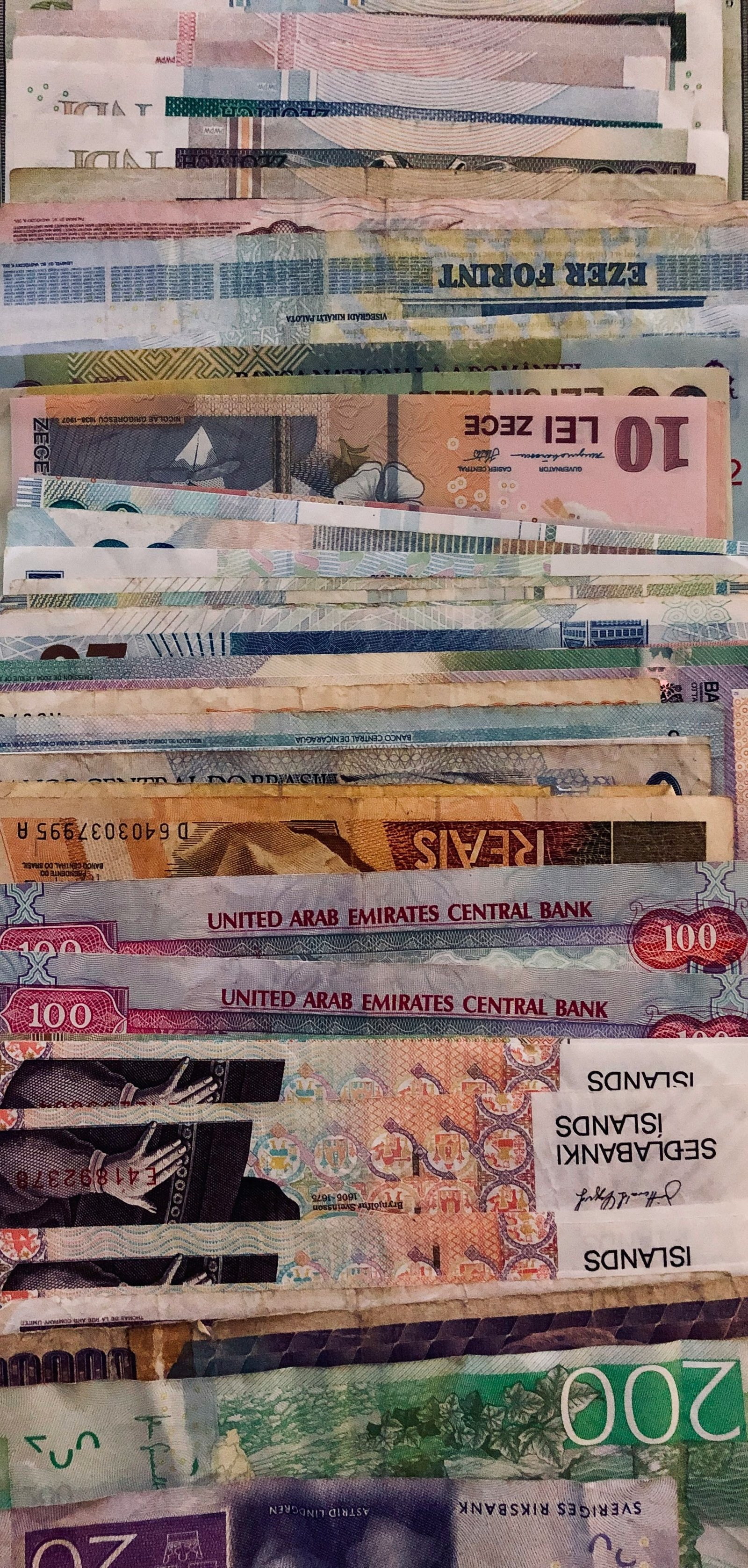
Tanzania’s official currency is the Tanzanian Shilling (TZS, abbreviated TSh locally). The exchange rate against the US dollar has been approximately TSh 2,500 to TSh 2,700 per USD throughout 2025 and 2026, making rough mental arithmetic straightforward: divide TSh prices by 2,500 to get approximate USD equivalents.
This guide covers what you need to know about denominations, ATM access across different regions, mobile money, USD cash usage, tipping, and approximate costs for common purchases.
Tanzanian Shilling Denominations
Banknotes in circulation (as of 2026):
| Denomination | Approximate USD Value |
|---|---|
| TSh 10,000 | ~USD 3.80 |
| TSh 5,000 | ~USD 1.90 |
| TSh 2,000 | ~USD 0.76 |
| TSh 1,000 | ~USD 0.38 |
| TSh 500 | ~USD 0.19 |
Coins:
- TSh 500, TSh 200, TSh 100, TSh 50 - all in circulation but the smaller denominations (50 and 100) are rarely used in practice
Practical note: The TSh 10,000 note is the workhorse of daily life. TSh 5,000 notes are useful for market shopping and local transport. TSh 2,000 and TSh 1,000 notes are essential for boda-boda, dalla-dalla, and small purchases. Request smaller notes when breaking larger denominations at banks or exchange bureaux.
ATMs: Reliability by Region
Dar es Salaam and Zanzibar Stone Town
ATMs function well throughout both cities. CRDB Bank, NMB Bank, Standard Chartered, and Stanbic all have multiple ATMs in the central districts. CRDB Bank ATMs have the highest Visa acceptance rate. NMB Bank works well with Mastercard.
Typical withdrawal limits: TSh 400,000 to TSh 800,000 per transaction. Some machines allow two or three transactions in sequence before locking you out for 24 hours.
Arusha
Reliable ATM coverage in the city centre. The main NMB and CRDB branches on Sokoine Road and near the clock tower are the most dependable. Fill up on cash in Arusha before heading into the northern parks - there are no ATMs in Serengeti, Ngorongoro, Tarangire, or Lake Manyara.
Mwanza
CRDB and NMB both have working ATMs in the city centre near the ferry terminal and main commercial district. Reliable enough for replenishing cash before onward travel.
Dodoma
ATMs are available in the city centre (CRDB and NMB), but coverage is thinner than in larger cities. Sufficient for business travellers; replenish before any onward travel into rural central Tanzania.
Moshi and Marangu
ATMs available in Moshi town, but coverage diminishes rapidly toward the Kilimanjaro gate areas. Withdraw cash in Moshi before starting any trekking route.
Northern Safari Parks (Serengeti, Ngorongoro, Tarangire, Lake Manyara)
No ATMs. None. Carry all the cash you need before entering. National park entry fees can be paid by credit card at some gates (CRDB payment terminals are installed at major gates), but cash backup is essential.
Southern Parks (Ruaha, Selous/Nyerere)
No ATMs within or near the parks. Iringa has some ATM coverage (CRDB and NMB). Withdraw everything in Iringa or Dar es Salaam before travelling south.
Pemba and Mafia Islands
Very limited to no ATM coverage. Zanzibar is your last reliable ATM point before either island. Plan to carry all required cash.
Mobile Money: M-Pesa and Tigo Pesa
Mobile money is not just convenient in Tanzania - in many areas, it is the primary payment infrastructure.
M-Pesa (Vodacom Tanzania) and Tigo Pesa (Tigo/Airtel) together handle the majority of everyday financial transactions among Tanzanian citizens. They function like a mobile bank account: you top up with cash at an agent, then send money, pay bills, and purchase airtime directly from your phone.
What mobile money is used for:
- Paying for accommodation at budget guesthouses (many post their M-Pesa number at the door)
- Settling bills at local restaurants and shops in smaller towns
- Paying boda-boda, bajaj, and dalla-dalla fares (increasingly, though not universally)
- Sending money between individuals - essential if you have a local guide or translator to pay
- Paying for fuel, groceries, and utilities
Can tourists use M-Pesa? Yes, with a Tanzanian SIM card registered in your name. Vodacom and Tigo SIM cards are available at airports, phone shops, and mobile kiosks throughout the country. Registration requires your passport. A SIM costs approximately TSh 1,000 and M-Pesa registration is free. The service starts working within minutes.
Why this matters beyond convenience: In rural areas and small towns, mobile money agents are far more reliable than ATMs. If you run short of cash in a town too small for a working ATM, finding someone who can M-Pesa you cash against a bank transfer (the local “informal exchange”) is often possible with a local contact.
US Dollar Cash: What You Need to Know
USD is the secondary currency of Tanzania’s tourism economy. Knowing the rules around USD acceptance prevents frustration.
Where USD Is Accepted
- National park entry fees: Payable in USD or by USD-denominated card at most gates
- Safari lodges and camps: Almost all quote and accept USD
- Safari tour operators: Package pricing universally in USD
- Zanzibar resort hotels: USD accepted alongside TSh and cards
- Airport departure taxes and some ferry fees: Sometimes USD only
USD Cash Rules That Matter
The 2009 rule: Tanzania’s banking system and many businesses will refuse USD banknotes printed before 2009. The redesigned USD 100 bills (with the blue 3D security ribbon) are preferred and the most widely accepted. Older USD 100 bills with the small face portrait are routinely rejected.
Condition matters: Torn, marked, written-on, or excessively worn USD notes will be refused. Even a small tear in a corner is enough for a hotel cashier to hand the note back. Use crisp notes only.
USD 100 bills: The most useful denomination. Easier to exchange and more widely accepted than smaller USD bills. Bring mostly USD 100s with a few USD 50s and USD 20s for tips and small payments.
USD 50 and below: Accepted at most hotels and tour operators, but exchange rates at bureaux de change are sometimes slightly worse for smaller bills.
Currency Exchange
Bureaux de change: Available at both international airports (Dar es Salaam, Kilimanjaro, Zanzibar) and in city centres. Rates are usually marginally better than bank rates and significantly better than hotel rates. Forex bureaux in Arusha’s central district (around Sokoine Road) are competitive.
Banks: CRDB, NMB, and Standard Chartered all exchange major currencies. Rates are fair but service is slow - expect to wait. Bank hours are typically 08:30 to 15:30 Monday to Friday and 08:30 to 12:00 on Saturdays.
Hotels: Convenient but offer poor rates - typically 5 to 10% below market rate. Only use hotel exchange for small, urgent amounts.
Airport rates: Slightly worse than city bureaux but not dramatically so. Fine for getting initial TSh on arrival; do not exchange large sums at the airport.
Tipping Guide for Tanzania
Tipping is a significant part of income for people working in Tanzania’s tourism sector.
| Role | Recommended Tip | Notes |
|---|---|---|
| Safari guide | USD 15–25 per guide per day | Higher for exceptional guiding; give directly to the guide |
| Safari driver (if separate) | USD 10–15 per driver per day | |
| Safari camp/lodge staff | USD 10–15 per day, shared | Leave in the tip box at check-out |
| Cook (camping safaris) | USD 5–10 per day | |
| Hotel porter | TSh 3,000–5,000 per bag | |
| Restaurant (tourist-oriented) | 10% of bill | Often not included in the total - check |
| Restaurant (local canteen) | Round up to nearest TSh 1,000 | Not expected but appreciated |
| Boda-boda/bajaj | No tip expected | Agree price before riding |
| Kilimanjaro guide | USD 20–30 per guide per day | Industry minimum; more for multi-day ascents |
| Kilimanjaro porter | USD 8–12 per porter per day |
Approximate Prices in Tanzania (2026)
| Item | Approximate Cost |
|---|---|
| Dalla-dalla (shared minibus, short trip) | TSh 500–1,000 |
| Boda-boda (short city ride) | TSh 1,000–3,000 |
| Street meal (ugali + stew) | TSh 3,000–6,000 |
| Restaurant lunch (mid-range) | TSh 12,000–25,000 |
| 500ml water bottle | TSh 1,000–2,000 |
| Local SIM card | TSh 1,000 |
| 1GB mobile data | TSh 3,000–8,000 (varies by provider) |
| Serengeti day entry (adult) | USD 82 |
| Zanzibar guesthouse (budget) | TSh 50,000–100,000 |
| Arusha mid-range hotel | TSh 100,000–200,000 |
| Kilimanjaro gate fee (per day) | USD 80 |
Browse Tanzania tours and activities to see what your budget covers across safaris, trekking, and day trips - most operators quote all-inclusive prices so you can plan your spend in advance.