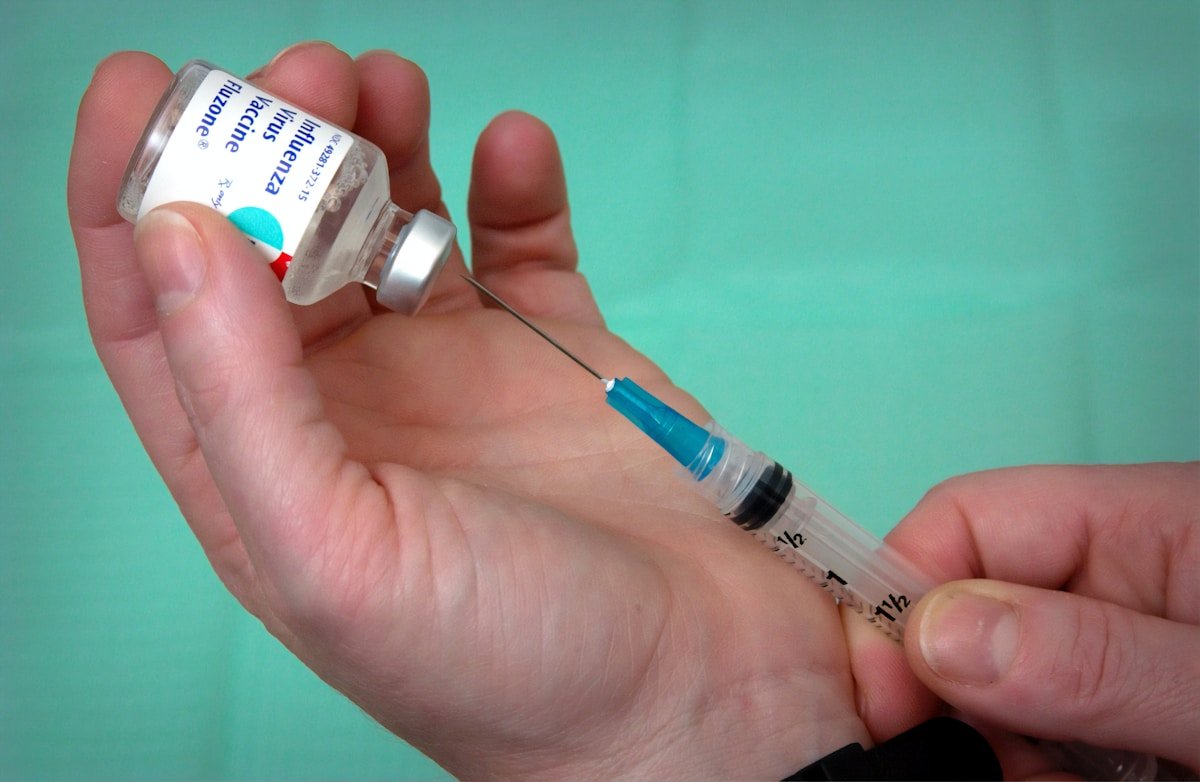
Tanzania has specific health requirements that differ from most Western travel destinations. Yellow fever, malaria, and several other diseases are genuine risks here, not theoretical ones. Getting health preparation right is one of the most important parts of planning a Tanzania trip. This guide tells you exactly what’s required, what’s recommended, and when to act.
See a Travel Health Clinic First
Before anything else: book an appointment with a travel health clinic or your GP at least 6–8 weeks before departure. This is the critical timeline - some vaccination courses need multiple doses spread across weeks, and anti-malarials need to be started in advance.
A travel health consultation will:
- Review your current vaccination history
- Advise which vaccines are appropriate for your specific itinerary
- Prescribe anti-malarials if appropriate
- Issue your International Certificate of Vaccination (if required)
- Flag any interactions with existing medications
The advice below is a general guide. Your own circumstances - existing health conditions, medications, travel itinerary - may affect which recommendations apply to you.
Required: Yellow Fever Certificate
Yellow fever vaccination is compulsory for entry into Tanzania if you are travelling from or through a yellow fever-endemic country. This includes most of sub-Saharan Africa and parts of South America and Central America.
If you’re flying direct from the UK, USA, Canada, Australia, or most of Europe, yellow fever is not required for entry. However:
-
If your flight transits through Nairobi, Addis Ababa, Lagos, or another airport in an endemic country, you may still be required to show a yellow fever certificate on arrival in Tanzania, even on a short transit.
-
Many travel health professionals recommend getting yellow fever regardless, because it’s valid for life, and you may travel through endemic regions in future or extend your itinerary spontaneously.
-
The International Certificate of Vaccination (the “yellow card”) must be the official WHO document issued by an approved vaccination centre - a doctor’s note is not acceptable.
The vaccine: A single dose provides lifetime immunity (updated from the previous 10-year guidance). One dose is all you need.
Essential: Malaria Prevention
Malaria is the most significant health risk for visitors to Tanzania. Tanzania is a high-transmission malaria zone, with Plasmodium falciparum (the most dangerous strain) present throughout the country.
Areas of Risk
- High risk: coastal Tanzania (Dar es Salaam, Zanzibar, Tanga, Pangani), all safari parks (Serengeti, Ngorongoro, Tarangire, Selous), and lowland areas generally
- Lower risk: Arusha town (1,400m) and Kilimanjaro above 2,000m - but not zero risk
The risk is highest in the wet season (March–May and November) but persists year-round.
Anti-Malarial Medication
Your travel health clinic will recommend one of three main options:
Atovaquone/proguanil (Malarone): started 1–2 days before travel, taken daily during, continued 7 days after. Minimal side effects for most people. Often the first choice for Tanzania.
Doxycycline: started 2 days before travel, taken daily, continued 4 weeks after. Cheaper than Malarone. Can cause sun sensitivity (use SPF 50 sunscreen) and some people experience stomach upset. Take with food.
Mefloquine (Lariam): taken weekly. Started 2–3 weeks before travel. Less commonly prescribed today due to potential neurological/psychiatric side effects, but suitable for some travellers.
None of these medications guarantee 100% protection - they significantly reduce risk but cannot eliminate it. Combine anti-malarials with insect repellent, long clothing at dawn/dusk, and sleeping under a treated net.
Recognising Malaria Symptoms
If you develop fever, chills, headache, muscle aches, or flu-like symptoms during your Tanzania trip or within 2–3 months of returning home, seek medical attention immediately and mention your Tanzania travel. Malaria can be fatal if untreated but responds well to treatment when caught early.
Recommended Vaccinations
These vaccinations are not legally required for Tanzania but are recommended based on the country’s disease profile.
Hepatitis A
Recommended for all travellers. Hepatitis A is transmitted through contaminated food and water - both realistic risks in Tanzania given varying food hygiene standards. A two-dose course provides 20+ years of protection; a single dose provides 12 months.
Typhoid
Recommended for most travellers, particularly those eating local food outside five-star establishments. Transmitted through contaminated water and food. Available as an injection (3 years protection) or oral capsules (5 years). The injection tends to be more effective.
Hepatitis B
Recommended if you may receive medical or dental treatment in Tanzania, or if your trip involves any activities with potential blood contact. A three-dose course spread over 6 months provides long-term (likely lifelong) immunity. A faster schedule is available if you don’t have 6 months before travel.
Rabies
Recommended for travellers who will be in close contact with animals - particularly relevant for Kilimanjaro porters and guides, wildlife researchers, vet professionals, or those visiting rural areas far from rapid medical care.
A pre-exposure course (3 doses) doesn’t prevent rabies but buys critical time after a bite to get to a clinic for post-exposure treatment. In Tanzania, post-exposure treatment availability in remote areas is unreliable.
Tetanus, Diphtheria, and Polio (Td/IPV)
Ensure your routine boosters are up to date. A tetanus booster is recommended if your last one was more than 10 years ago - relevant for walking, hiking, and any potential for cuts or animal scratches.
Meningococcal Meningitis
Relevant for travellers visiting during or after the dry season (January–June) in northern Tanzania, and for those planning extended stays or close contact with local communities.
COVID-19 Requirements
Tanzania removed COVID-19 testing and vaccination requirements for entry. As of 2026, no COVID-related entry restrictions apply. Check the latest requirements closer to your travel date through official government or embassy sources.
Practical Health Checklist for Tanzania
Before Travel
- Travel health clinic appointment (6–8 weeks before departure)
- Yellow fever vaccine (if required for your itinerary)
- Anti-malarial prescription filled and start date confirmed
- Hepatitis A and typhoid vaccines administered
- Tetanus booster confirmed up to date
- Travel insurance with medical evacuation confirmed - compare Tanzania travel insurance options or see our Tanzania Travel Insurance guide
In Your Medical Kit
- Anti-malarials (full course + emergency supply)
- DEET insect repellent 30–50%
- Oral rehydration salts (ORS)
- Ibuprofen and paracetamol
- Imodium / anti-diarrhoeal medication
- Water purification tablets or filter
- Written list of any allergies and current medications
During Your Trip
- Apply insect repellent every evening without fail
- Wear long sleeves and trousers at dawn and dusk
- Sleep under a mosquito net or in screened rooms
- Drink only bottled or purified water
- Be cautious with street food - avoid uncooked vegetables and unpeeled fruit from unknown sources
- Seek medical advice immediately for any fever or flu-like symptoms
Medical Facilities in Tanzania
Dar es Salaam has the best private medical facilities in the country. The Aga Khan Hospital (Dar es Salaam) and TMJ Hospital (Dar es Salaam) provide reliable private medical care. In Arusha, Selian Lutheran Hospital and several private clinics serve the tourism community.
In the safari parks and on Kilimanjaro, medical facilities are minimal. This is why travel insurance with emergency evacuation cover is not optional - see our Tanzania Travel Insurance guide.
Plan Your Trip
✈️ Book your flights to Tanzania 🛡️ Get travel insurance 📱 Stay connected with an eSIM 🚗 Rent a car