For the full year picture, see our best time to visit Tanzania guide.
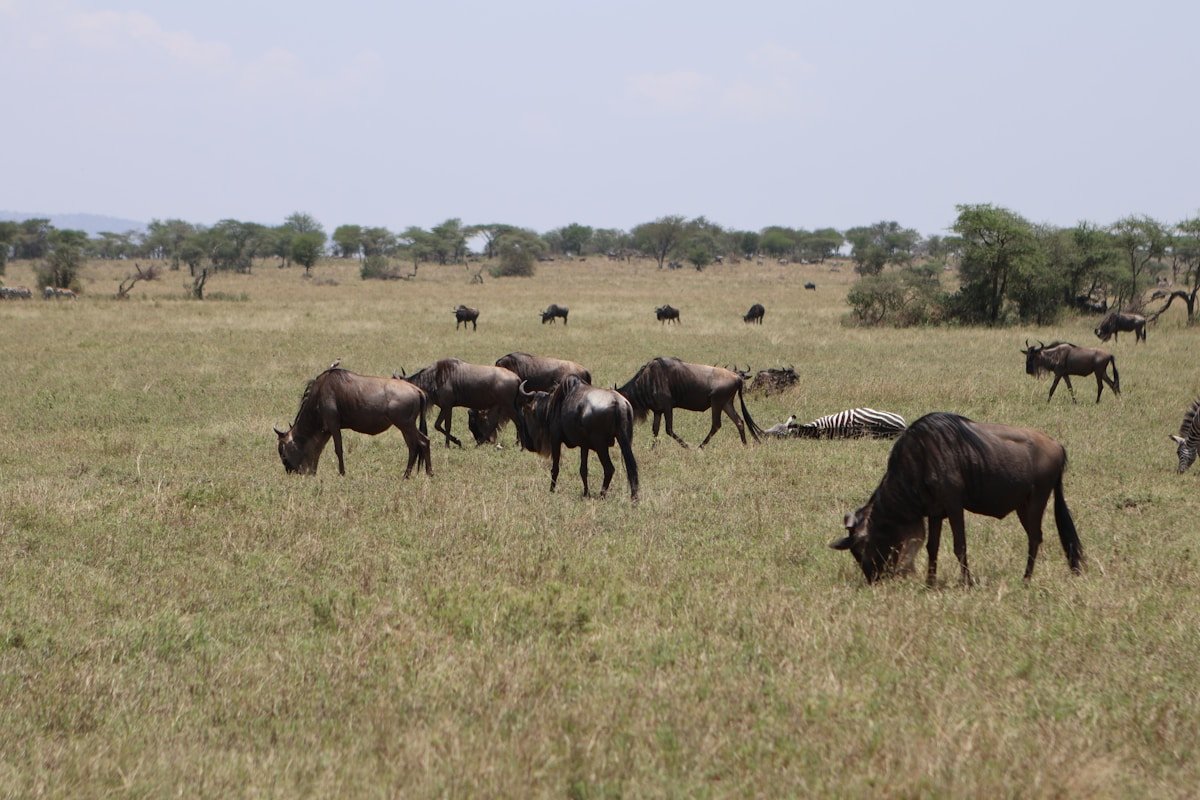
January is one of the most rewarding months to visit Tanzania. The short dry season runs from December through February, meaning clear skies and firm roads across the northern circuit. The headlining event is the wildebeest calving season in the southern Serengeti - one of the most dramatic wildlife spectacles on earth, and one that most visitors completely overlook in favour of the July–September river crossings.
Weather in January
| Region | Avg High | Avg Low | Rainfall | Notes |
|---|---|---|---|---|
| Serengeti (south) | 30°C | 18°C | 50mm | Warm, dry, some afternoon cloud |
| Ngorongoro Crater | 23°C | 10°C | 65mm | Cooler at altitude; clear mornings |
| Kilimanjaro base (Moshi) | 29°C | 16°C | 40mm | Warm and dry; good summit weather |
| Zanzibar | 32°C | 25°C | 60mm | Hot and sunny; light showers possible |
| Dar es Salaam | 32°C | 24°C | 65mm | Hot, humid; occasional shower |
| Mafia Island | 31°C | 25°C | 55mm | Warm, calm seas; whale shark season active |
January is part of Tanzania’s short dry season. Rainfall totals are low, roads are in good condition, and daytime temperatures are warm throughout the country. The Ngorongoro Crater rim sits above 2,000m and can feel fresh in the evenings - bring a layer.
Wildlife in January
Southern Serengeti (Ndutu area): This is the heart of the calving season. Between late January and mid-March, approximately 500,000 wildebeest calves are born in the short-grass plains around Ndutu, Lake Masek, and the Ngorongoro Conservation Area boundary. The concentration of young animals draws enormous numbers of predators - cheetahs, lions, leopards, hyenas, and wild dogs all follow the herds. This is arguably the most intense predator–prey action of the year.
Serengeti (northern and central): The resident wildlife - lions, elephants, giraffes, zebra, buffalo - is excellent year-round. January is particularly good for lion cubs, as prides that mated during the previous year’s rains have now given birth.
Ngorongoro Crater: January is a reliable month in the Crater. The 600m rim keeps temperatures mild, and the short rains (November) have left the crater floor lush and green. Good visibility for the resident black rhino population.
Kilimanjaro: January is one of the best months to attempt a Kilimanjaro summit - the short dry season means clear skies and firm paths on the upper mountain. The summit is reached above the clouds, and visibility from Uhuru Peak is typically excellent.
Mafia Island: Whale shark season is active through January. Snorkelling alongside whale sharks in the Mafia Island Marine Park is a year-round possibility from October to March, with January offering reliable flat seas.
Zanzibar: January falls in the short dry season. The southeast coast (Paje, Jambiani) sees minimal rain. Good conditions for snorkelling at Mnemba Atoll and diving on the outer reefs.
Events and Festivals in January
- Kilimanjaro Marathon (check exact date - usually February but training events begin in January, Moshi)
- New Year festivities continue through early January, particularly on Zanzibar where beach parties and cultural events mark the end of the festive period
- Eid celebrations may fall in January depending on the Islamic calendar - check the annual date; Stone Town on Zanzibar has lively Eid celebrations
Crowds and Pricing
January is a shoulder month on the northern circuit. The December–January festive surge (Christmas, New Year) tapers off by mid-January, and prices generally settle below peak levels (July–September). The southern Serengeti / Ndutu area, however, is increasingly popular for the calving season - book lodges and camps there 3–4 months in advance.
Search hotels in Arusha on Booking.com
Zanzibar is busy in January, particularly the first two weeks when European and African visitors extend their Christmas–New Year trips. Book beach accommodation early.
Typical costs:
- Budget tented camp, southern Serengeti/Ndutu: approximately USD 150–250 per person/night, full board
- Mid-range lodge, Serengeti: approximately USD 300–500 per person/night, full board
- Luxury camp (e.g. Andbeyond Serengeti Under Canvas): approximately USD 600–1,000+ per person/night, all-inclusive
Best Activities in January
- Wildebeest calving game drives, Ndutu - prime time for newborns and predator action; book full-day drives
- Kilimanjaro summit attempt - dry conditions, clear skies, lower crowds than June–October
- Whale shark snorkelling, Mafia Island - reliable sightings; flat seas
- Ngorongoro Crater half-day descent - lush green floor after November rains, good for rhino
- Mnemba Atoll snorkelling, Zanzibar - warm, clear water; coral reef in excellent condition
Where to Go in January
First choice: Southern Serengeti / Ndutu - this is the only month to see the calving concentration. Pairs well with a night at the Ngorongoro Crater rim. A 4–6 night southern Serengeti trip in January delivers wildlife density that rivals peak migration season.
Second choice: Kilimanjaro + Arusha - January is one of the two best months to climb Kilimanjaro (the other being September). Clear weather, minimal ice on the upper mountain, and a green lower-mountain experience make this a strong combination.
Coast option: Zanzibar or Mafia Island - Zanzibar’s north and east coasts are dry and warm in January. Mafia Island is ideal if whale sharks are the priority. A 3-night Zanzibar extension after a 5-night northern circuit safari is the classic Tanzania holiday combination.
Named Hotel Recommendations
Southern Serengeti / Ndutu:
- Andbeyond Ngorongoro Crater Lodge - iconic luxury on the crater rim; approximately USD 1,400+ per person/night, all-inclusive
- Ndutu Safari Lodge - well-positioned for calving season; approximately USD 250–450 per person/night, full board
- Serengeti Ndutu Kati Kati Tented Camp - seasonal camp in prime calving area; approximately USD 300–550 per person/night
Zanzibar:
- Zuri Zanzibar Hotel & Spa (Kendwa) - luxury boutique; approximately USD 350–600 per room/night
- Baraza Resort & Spa (Bwejuu) - award-winning; approximately USD 400–700 per room/night
- Mbweni Ruins Hotel (near Stone Town) - boutique, historic garden; approximately USD 120–200 per room/night
What to Pack for January
- Lightweight khaki or neutral-coloured clothing for game drives
- Fleece or light down jacket for Ngorongoro evenings (can drop to 10°C)
- Sunscreen (SPF 50+ - equatorial UV is intense)
- Swimwear and reef shoes for Zanzibar and Mafia
- Binoculars - calving season rewards patient wildlife watching
- Dust cloth for camera lenses (dry-season game drives generate dust)
- Light waterproof jacket (occasional afternoon showers possible)
FAQs
Is January a good time to visit Tanzania? Yes - one of the best months. Dry conditions, calving season in the Serengeti, excellent Kilimanjaro weather, and warm Zanzibar beaches all coincide. Prices are slightly below peak.
What is the calving season in Tanzania? The wildebeest calving season occurs in the southern Serengeti (Ndutu area) and the Ngorongoro Conservation Area plains, typically from late January through mid-March. Approximately 8,000 calves are born per day at peak. The concentration of prey draws the highest predator density of the year.
Are there whale sharks in Tanzania in January? Yes - Mafia Island’s whale shark season runs October through March. January is a reliable month for sightings in the Mafia Island Marine Park.
Is it raining in Tanzania in January? January has low rainfall. Some afternoon cloud and occasional light showers are possible, but the country is broadly in its short dry season. Zanzibar’s southeast coast is consistently sunny.
For accommodation options in the Serengeti, see our where to stay in the Serengeti guide. For the migration calendar, see our Great Migration guide. Browse January Tanzania safari tours and get your travel insurance sorted before flying.
Plan Your Trip
✈️ Book your flights to Tanzania 🛡️ Get travel insurance 📱 Stay connected with an eSIM 🚗 Rent a car