For the full year picture, see our best time to visit Tanzania guide.
February sits at the heart of Tanzania’s short dry season and is often the best single month to visit the southern Serengeti. Calving season is at its absolute peak, Zanzibar is warm and largely dry, Kilimanjaro weather remains excellent, and Zanzibar hosts the Sauti za Busara music festival - one of East Africa’s most celebrated cultural events.
Weather in February
| Region | Avg High | Avg Low | Rainfall | Notes |
|---|---|---|---|---|
| Serengeti (south/Ndutu) | 31°C | 18°C | 45mm | Warm, mostly dry; best calving weather |
| Ngorongoro Crater | 24°C | 11°C | 55mm | Clear mornings; evenings fresh |
| Kilimanjaro base (Moshi) | 29°C | 16°C | 38mm | One of the two best summit months |
| Zanzibar | 32°C | 26°C | 50mm | Hot and predominantly sunny |
| Dar es Salaam | 33°C | 25°C | 58mm | Hot; some humid afternoons |
| Mafia Island | 31°C | 25°C | 48mm | Calm seas; whale shark season active |
February is Tanzania’s driest and hottest month on the northern circuit. Rainfall is minimal across the country’s main safari areas. It is one of two optimal months to summit Kilimanjaro (alongside September).
Wildlife in February
Southern Serengeti (Ndutu area): February is the single best month for calving season. The short-grass plains around Lake Ndutu and Lake Masek are carpeted with wildebeest calves, and the predator activity is extraordinary. Lions, cheetahs, and hyenas are conspicuous and hunting daily. Wild dog sightings - always rare - are at their annual peak during the February denning and birthing period.
Ngorongoro Crater: The crater floor is recovering from the November short rains, creating a vivid green landscape. The resident population of approximately 25,000 animals is concentrated on the crater floor. February is one of the most reliable months for sighting black rhino - Tanzania holds approximately 200 of Africa’s critically endangered eastern black rhino, and Ngorongoro has the highest density.
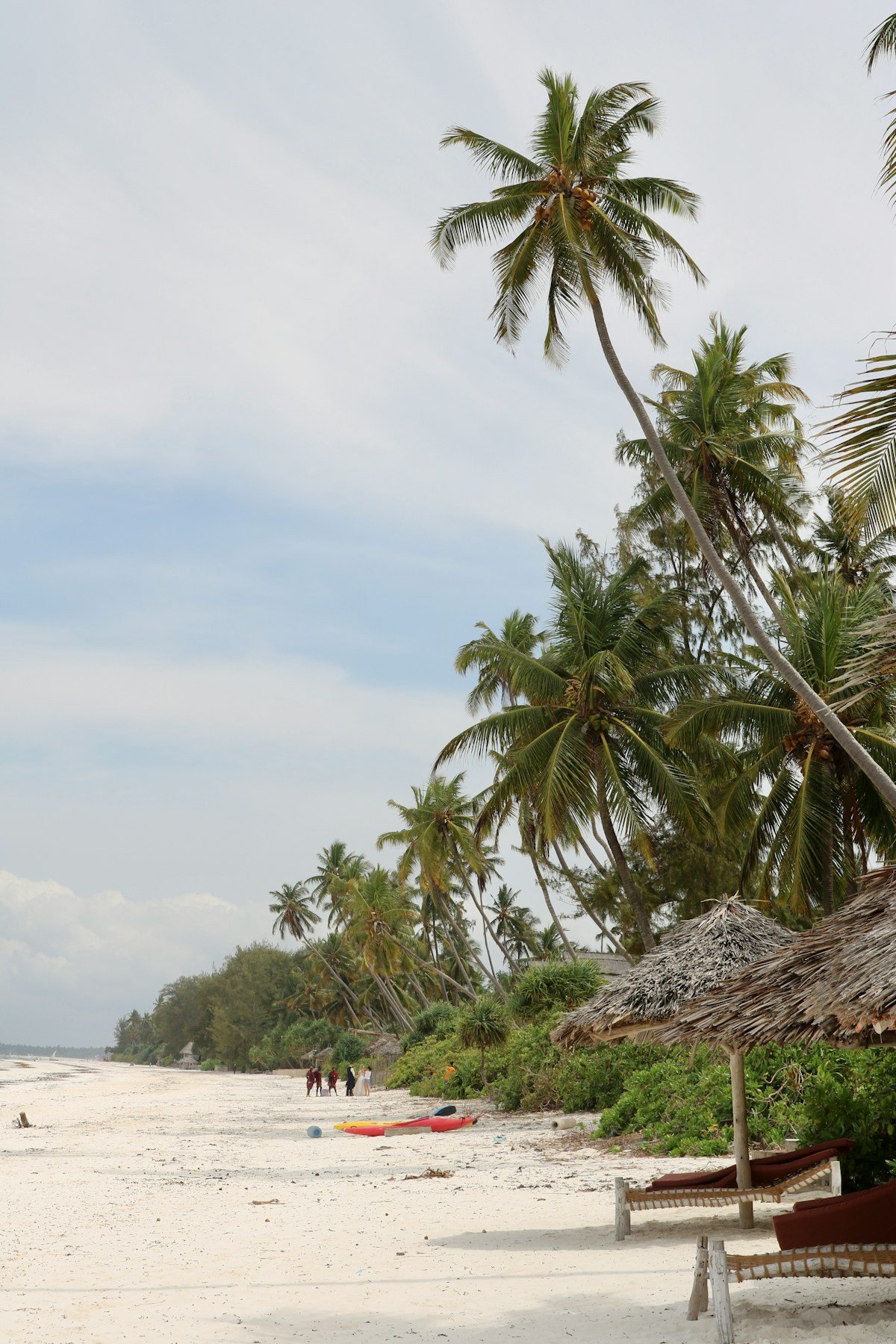
Zanzibar: February is optimal for Zanzibar. The Indian Ocean is calm, visibility for snorkelling and diving is excellent, and temperatures are warm but not oppressive. Mnemba Atoll snorkelling is at its best - the reef is clear and undisturbed.
Kilimanjaro: The clear February skies make this one of the best months for summit attempts. The Lemosho and Machame routes see firm ground and minimal ice on the upper sections. Booking slots fill quickly - reserve 3–6 months ahead.
Mafia Island: Whale shark season continues. February snorkelling conditions are typically excellent - calm, warm water with 20–30m visibility.
Events and Festivals in February
- Sauti za Busara - Zanzibar’s biggest music festival, held at the Fort in Stone Town in early-to-mid February. East African, Swahili, and pan-African artists perform across three days of outdoor concerts. One of East Africa’s most authentic cultural events, with entry fees from approximately USD 15–40 per session.
- Kilimanjaro Marathon (Moshi) - usually held in late February or early March. The race starts and finishes in Moshi town with Kilimanjaro as the backdrop. Half-marathon and full marathon options.
- Valentine’s Day (February 14) - Zanzibar’s beach resorts run special packages; Stone Town restaurants fill quickly. Book restaurants in advance if visiting around this date.
Search hotels in Arusha on Booking.com
Crowds and Pricing
February is a shoulder month with prices typically 10–20% below the July–September peak. The calving season is becoming better-known but remains significantly less crowded than the northern Serengeti in peak migration season. The Ndutu area fills quickly during late February - book lodges 3–4 months ahead.
Zanzibar prices are moderate in February; the post-Christmas surge has passed but Sauti za Busara week sees Stone Town hotels book out quickly.
Typical costs:
- Budget camp, southern Serengeti: approximately USD 120–200 per person/night, full board
- Mid-range lodge, Ndutu area: approximately USD 250–400 per person/night, full board
- Luxury camp (e.g. Ndutu Safari Lodge): approximately USD 400–650 per person/night, all-inclusive
Best Activities in February
- Calving season game drives, Ndutu - the defining Tanzania experience in February; cheetah hunts and lion kills are common
- Kilimanjaro summit - optimal clear-weather window; Machame route takes 6–7 days
- Sauti za Busara, Stone Town - world-class East African music in a centuries-old fort
- Snorkelling, Mnemba Atoll - warm, flat Indian Ocean; outstanding reef health
- Whale shark snorkelling, Mafia Island - reliable sightings; February has consistently calm seas
Where to Go in February
First choice: Southern Serengeti / Ndutu - the calving season is uniquely accessible in February. A 4-night camp in the Ndutu area, combined with a half-day Ngorongoro Crater descent, is the best February Tanzania itinerary.
Second choice: Kilimanjaro - February is one of the two peak months for climbing Africa’s highest mountain. Combine with 2 nights in Arusha before or after.
Coast: Zanzibar - February is excellent for beaches and the Sauti za Busara festival. Combine a 3-night Stone Town stay (for the festival) with 3 nights at a beach resort on the north or east coast.
Named Hotel Recommendations
Ndutu / Southern Serengeti:
- &Beyond Lake Manyara Tree Lodge - luxury on the crater escarpment approach; approximately USD 750–1,100 per person/night, all-inclusive
- Ndutu Safari Lodge - iconic lodge on the calving plains; approximately USD 300–500 per person/night, full board
- Serengeti Pioneer Camp (Asilia) - good positioning for northern Serengeti but works as base for excursions; approximately USD 450–700 per person/night
Zanzibar:
- The Zanzibar Collection (Breezes Beach Club) - mid-range beach resort; approximately USD 180–320 per room/night
- Park Hyatt Zanzibar (Stone Town) - closest luxury hotel to Sauti za Busara festival; approximately USD 300–500 per room/night
- Zanzibar Palace Hotel (Stone Town) - boutique Swahili architecture; approximately USD 80–160 per room/night
What to Pack for February
- Light safari clothing in khaki/green/neutral tones
- Fleece or down layer for Ngorongoro crater rim (mornings at 2,300m can reach 10°C)
- High-factor sunscreen - February UV is intense at equatorial latitude
- Swimwear and water shoes for snorkelling at Zanzibar or Mafia
- Camera with telephoto lens - calving-season cheetah hunts happen fast
- Evening layers for Stone Town (can feel breezy in February)
- Festival-appropriate clothing if attending Sauti za Busara
FAQs
Is February the best month for wildebeest calving? February is the peak of calving season in the Ndutu area. The highest density of newborns - and consequently the most intense predator activity - occurs from mid-January through early March. February typically has the best combination of calf density and clear weather.
Is Zanzibar good in February? Yes - February is one of Zanzibar’s best months. Warm, mostly sunny, calm Indian Ocean, and the Sauti za Busara festival adds a cultural dimension that makes February stand out.
Can I climb Kilimanjaro in February? Yes - February is one of the two best months (alongside September). Clear summit weather, firm ground on upper sections, and minimal crowds on most routes. Book permits through the Tanzania National Parks Authority (TANAPA) or through a licensed operator.
For accommodation across the northern circuit, see our where to stay in the Serengeti. For Kilimanjaro trekking routes, see our Kilimanjaro climbing guide. Browse February Tanzania safari tours and Kilimanjaro treks for this excellent shoulder season.
Plan Your Trip
✈️ Book your flights to Tanzania 🛡️ Get travel insurance 📱 Stay connected with an eSIM 🚗 Rent a car