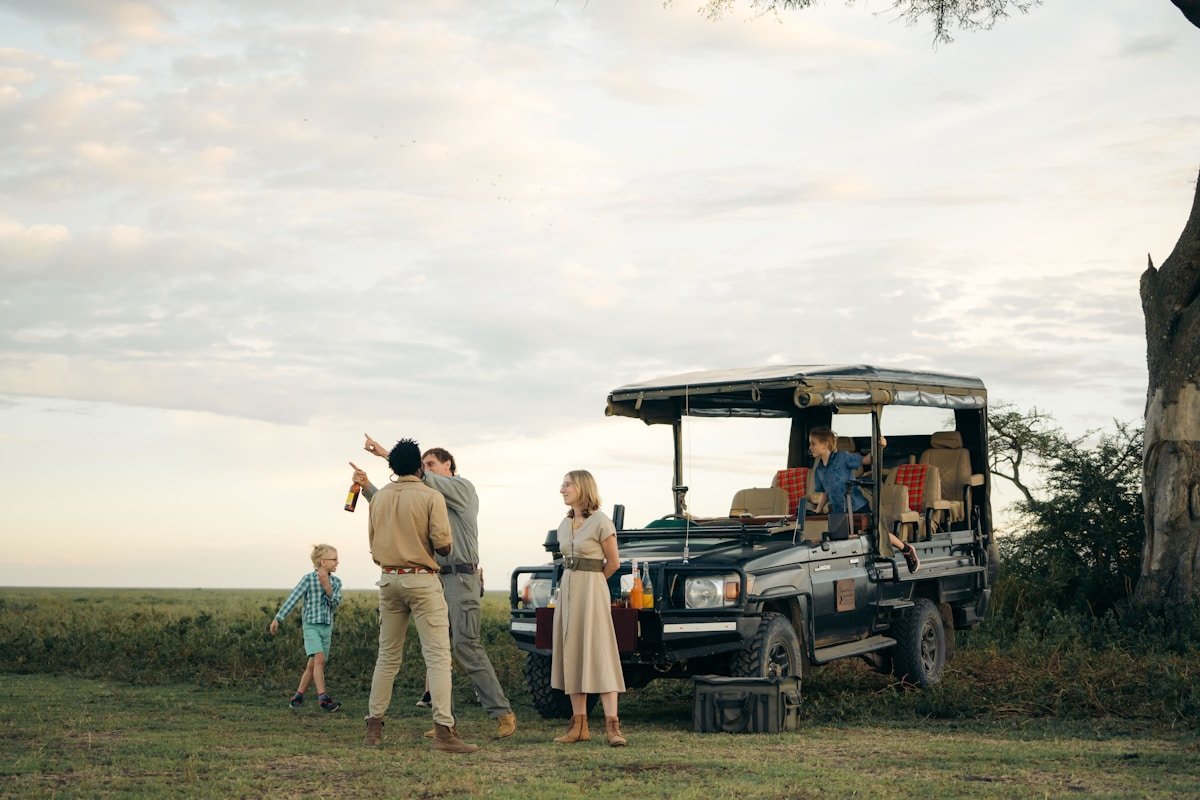
Tanzania rewards travellers who come prepared. These 15 tips cover everything from currency and health to local customs and safari etiquette - the things that seasoned Tanzania visitors wish they’d known before their first trip.
1. USD Is Your Safari Currency
While Tanzania’s official currency is the Tanzanian Shilling (TZS), US dollars are widely accepted - and sometimes preferred - for lodges, safari companies, park entry fees, and higher-end purchases. As of 2026, 1 USD is worth approximately 2,650 TZS, though rates fluctuate.
Search hotels in Arusha on Booking.com
Bring a supply of clean, unwrinkled USD bills printed after 2009 - many lodges and businesses refuse older or damaged notes. Small denominations ($1, $5, $10, $20) are more useful day-to-day than $100 bills.
Shillings are better for local markets, street food, public transport (dalla-dallas), and smaller purchases in towns. You can withdraw TZS from ATMs at Julius Nyerere International Airport, Kilimanjaro Airport, Arusha, Moshi, and Stone Town.
2. Book Your Safari Far in Advance
Tanzania’s top lodges - Singita Grumeti, Nomad Tanzania camps, Sanctuary Retreats properties - fill up 12–18 months in advance for peak season (July–September). Mid-range lodges at the Serengeti or Ngorongoro book out 3–6 months ahead.
Even if you’re on a budget, the best-value camps book faster than you’d expect. Start planning at least 6 months before travel.
3. Tip - It’s Expected and Appreciated
Tanzania has a strong tipping culture across the safari and hospitality industry. Standard rates as of 2026:
- Safari guide: $15–25 USD per day
- Camp/lodge staff: $5–10 per person per day (usually left in a communal box)
- Kilimanjaro porters: $10–15 per porter per day (spread across your tipping budget based on team size)
- Kilimanjaro guide: $20–30 per day
- Restaurant: 10% if not already included
- Dar es Salaam taxi (agreed price): round up generously
Safari operators typically leave tip envelopes in your room. For Kilimanjaro, your guide will gather the entire team for a tipping ceremony on descent - it’s a meaningful moment.
4. Learn a Few Words of Swahili
Swahili (Kiswahili) is Tanzania’s national language, spoken by virtually everyone. English is widely used in tourist areas, but even a handful of Swahili phrases will earn you immediate goodwill.
- Jambo / Habari - Hello
- Asante (sana) - Thank you (very much)
- Karibu - Welcome / You’re welcome
- Pole pole - Slowly / Take it easy (essential Kilimanjaro mantra)
- Hakuna matata - No worries (yes, it’s real Swahili)
- Sawa - OK / Understood
- Ngapi? - How much?
5. Dress Modestly in Stone Town and Muslim Areas
Zanzibar’s Stone Town and much of coastal Tanzania has a predominantly Muslim population. Dress conservatively when away from the beach:
- Cover shoulders and knees in towns and markets
- Women should carry a light scarf or sarong
- On the beach and at resorts, normal beachwear is fine
- Remove shoes before entering mosques (if invited inside)
On mainland Tanzania, dress codes are more relaxed, but revealing clothing is still considered disrespectful in rural areas and traditional markets.
6. Power Adapters and Voltage
Tanzania uses Type G British plugs (the same three large flat pins used in Kenya and the UK) and runs at 230V / 50Hz. Bring a Type G adapter if your devices use other plug types.
Power outages (load-shedding) can occur in Dar es Salaam and other cities. Safari lodges typically run on solar or generators during off-peak hours - charging windows are often limited to specific times. Bring a power bank.
7. Anti-Malaria Precautions Are Non-Negotiable
Tanzania is a high-risk malaria area, particularly in coastal regions (Dar es Salaam, Zanzibar, Pangani) and at lower altitudes. The Serengeti, Tarangire, and Lake Manyara are also malaria risk areas.
Arusha (at 1,400m) and Kilimanjaro base camps carry lower risk due to altitude, but don’t rely on this.
Start a course of anti-malarials before travel (consult your doctor or a travel clinic 6–8 weeks before departure). Use DEET-based repellent, and always sleep under a mosquito net or in a screened accommodation.
8. Safari Clothing: Neutral Colours Only
Safari guides across Tanzania advise wearing neutral, muted colours - khaki, beige, olive, grey. Bright whites, yellows, and blues attract tsetse flies and can alarm wildlife. Black and dark blue also attract tsetse flies.
Mornings on safari (especially in June–August) can be very cold - temperatures in the Serengeti and Ngorongoro drop to 5–10°C at dawn. Bring a warm fleece or light down jacket.
9. Internet Connectivity Is Better Than You’d Expect
Mobile data (4G/LTE) is reliable in Dar es Salaam, Arusha, Moshi, and Stone Town. Coverage in the Serengeti, Ngorongoro, and Tarangire is patchy - expect 3G or no signal in remote park areas.
Most lodge and camp Wi-Fi is limited (often satellite-based), with speeds that support messaging apps but not video calls. If you need connectivity, bring a local SIM card or use a Tanzania eSIM - see our Tanzania eSIM guide for the best options.
10. Photography Etiquette
Always ask permission before photographing Maasai people, market vendors, or locals in general. Many Maasai charge a small fee for photos - typically $1–2 per person - which is entirely reasonable and expected.
In safari vehicles, move slowly and avoid sudden loud noises. Keep your camera ready at all times - sightings are often brief.
11. Drink Only Bottled or Purified Water
Tap water in Tanzania is not safe to drink. Buy bottled water (available everywhere - from $0.50 per 500ml in towns, more in parks) or use a water purification filter or tablets. Most lodges and hotels provide bottled water or filtered water. Never order drinks with ice from street vendors.
12. Bargaining Is Part of the Culture (in the Right Places)
Bargaining is expected at markets - Arusha’s Cultural Heritage Centre and Maasai markets, Stone Town’s Darajani Market, and curio shops throughout the country. Start at roughly half the asking price and meet in the middle.
Do not bargain at fixed-price shops, restaurants, or with safari operators. Park fees, lodge rates, and entrance fees are always non-negotiable.
13. Health Insurance and Medical Evacuation
Medical facilities in Tanzania’s main cities are adequate for minor issues, but for serious emergencies - especially on safari in remote parks - medical evacuation by aircraft is the only realistic option. A helicopter evacuation from the Serengeti to Nairobi can cost upward of $20,000.
A comprehensive travel insurance policy with emergency medical evacuation cover is not optional in Tanzania. See our Tanzania Travel Insurance guide for what to look for and recommended options.
14. The Pace Is Deliberate - Embrace It
Tanzanian time operates at a relaxed pace. “TBT” (Tanzania Bureaucratic Time) is a genuine phenomenon - expect delays at borders, in offices, and with paperwork. A process that should take 30 minutes may take 2 hours.
Embrace it rather than fight it. Leave buffer time for administrative tasks, and never schedule back-to-back activities without flexibility.
15. Respect Wildlife Distances
In Tanzania’s national parks, vehicles must stay on designated tracks and maintain safe distances from wildlife. Never get out of a vehicle in an open game drive area (unless at a designated picnic site). Don’t feed animals. Follow your guide’s instructions at all times.
Approaching predators on a kill, or surrounding a mother with cubs, causes genuine stress to the animals and can be dangerous. A responsible guide will always prioritise the animal’s behaviour over the perfect photo opportunity.
Plan Your Trip
✈️ Book your flights to Tanzania 🛡️ Get travel insurance 📱 Stay connected with an eSIM 🚗 Rent a car