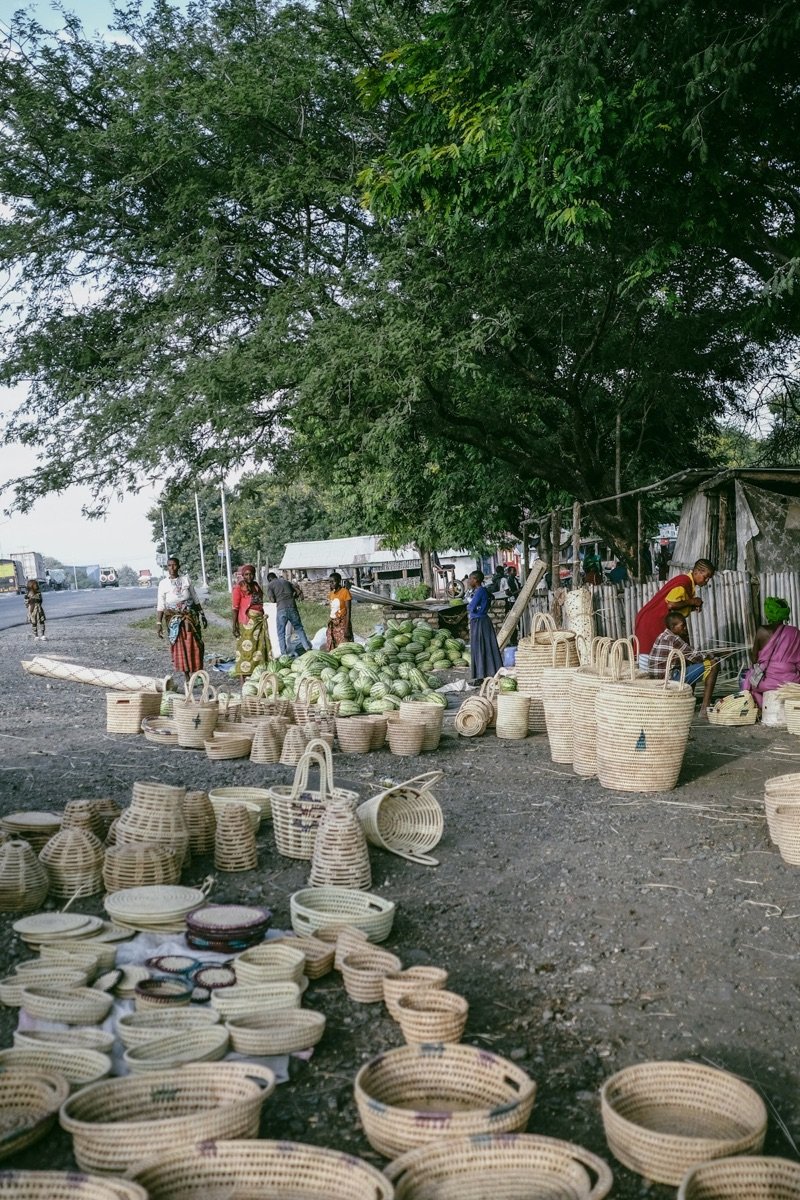
Arusha is Tanzania’s second city and the undisputed operational base for the country’s northern safari circuit. At 1,400 m above sea level on the lower slopes of Mount Meru, it has a mild, almost equatorial highland climate that makes it comfortable year-round. The city of approximately 600,000 people is home to the East African Community headquarters, the International Criminal Tribunal for Rwanda, and a dense concentration of safari operators, tour agents, and gear shops that service the millions of visitors who pass through every year.
Most travellers arrive by air at Kilimanjaro International Airport (JRO), 46 km east of the city, or at Arusha Airport (ARK), 5 km from the centre, which handles domestic and small charter flights. Arusha is the jumping-off point for visits to Serengeti National Park (approximately 7 hours by road or 45 minutes by air), Ngorongoro Crater (3 to 4 hours), Tarangire National Park (2 hours), Lake Manyara National Park (2 hours), and the Kilimanjaro region (1 hour 30 minutes).
What to Do in Arusha
Arusha National Park begins just 25 km from the city centre and is one of Tanzania’s most underused parks. It contains Mount Meru (4,566 m, Africa’s fifth-highest peak and an excellent acclimatisation trek before Kilimanjaro), Momella Lakes (where flamingo congregate), giraffes, hippo, colobus monkeys, and black-and-white colobus in montane forest. Entry is USD 59 per person per day (as of 2026); the park is open 6am to 6pm. Mount Meru treks are 3 to 4 days and cost approximately USD 700 to 1,200 per person all-inclusive (as of 2026).
Cultural Heritage Centre is a high-quality commercial gallery and museum on the Dodoma road displaying Tanzanian and African art, Tingatinga paintings, Makonde carvings, and Maasai jewellery. Admission is free; expect active but non-pressured sales. Open daily from 9am to 6pm (as of 2026).
Arusha Declaration Museum on the old Boma grounds covers Tanzanian political history from colonialism through independence and ujamaa. Entry approximately USD 5 (as of 2026); open Monday to Friday 8am to 4pm.
Clock Tower Market in the city centre is Arusha’s main landmark and the traditional meeting point at the geographical midpoint between Cape Town and Cairo. The surrounding streets have craft stalls, fabric shops, and the busiest area of street food vendors.
Where to Stay
Luxury
Gran Melia Arusha is the flagship luxury hotel in the city, set within 100 acres of garden with Mount Meru as a backdrop. The property has a large outdoor pool, spa, multiple restaurants, and facilities that function as a city resort. Rooms start at approximately USD 350 to 500 per night (as of 2026).
Mid-Range
Four Points by Sheraton Arusha, The Arusha Hotel occupies a historic colonial building in central Arusha, 2 minutes walk from the Arusha International Conferencing Centre and clock tower. Rooms are comfortable and well-equipped; the central location makes it one of the most convenient bases for city exploration. Rates typically USD 120 to 200 per night (as of 2026).
Kibo Palace Hotel Arusha offers clean, modern rooms in a quiet area of town with an in-house restaurant and reliable WiFi. Popular with safari operators booking group logistics nights. Rates from approximately USD 80 to 140 per night (as of 2026).
Budget
Arusha Backpackers Hotel is the most established budget option in the city, with dormitory beds from USD 12 per person and private rooms from USD 30 per night (as of 2026). Located near the city centre, it has luggage storage for safari day-packs and a notice board for finding travel companions.
Where to Eat
Meru Restaurant at the Arusha Hotel serves one of the best breakfast buffets in Tanzania, with fresh tropical fruit, Kilimanjaro coffee, pastries, and cooked options. Breakfast costs approximately USD 20 to 25 per person (as of 2026). The dinner menu covers Tanzanian and international dishes from approximately USD 15 to 30 for a main.
Stiggy’s Pub and Bistro on Old Moshi Road is the most popular expatriate and tourist restaurant in Arusha. Wood-fired pizzas, burgers, grilled fish, and cold Tanzania Breweries beer in a relaxed outdoor setting. Meals cost approximately USD 12 to 22 (as of 2026). Open daily from noon to late.
Café Pave is Arusha’s best café and bakery, with French-trained pastry, specialty coffee, and reliable WiFi. A good workspace for the morning before a safari or a meal after the Cultural Heritage Centre. Coffees from approximately USD 2 to 4; meals USD 10 to 18 (as of 2026).
Via Via Café and Cultural Centre near the Old Boma is a Belgian-owned café with a large outdoor garden, live African music on weekends, and a menu that mixes Tanzanian dishes with European comfort food. Popular for the evening meal before an early departure the following morning. Mains approximately USD 10 to 20 (as of 2026).
Getting There
By air: Kilimanjaro International Airport (JRO) serves direct international flights from Nairobi (45 minutes), Doha (6 hours), Amsterdam (10 hours), and Dubai (6 hours 30 minutes). Domestic connections from Dar es Salaam take approximately 1 hour 40 minutes on Precision Air and Air Tanzania, with fares starting at approximately USD 80 one-way (as of 2026). Arusha Airport (ARK) serves Coastal Aviation and Air Excel routes to the Serengeti, Lake Manyara, Tarangire, and Zanzibar.
By road from Moshi: 75 km, approximately 1 hour 30 minutes on the A23 highway. Shared shuttle buses USD 5 to 8 (as of 2026).
By road from Nairobi: The Namanga border crossing is 270 km from Arusha, approximately 4 to 5 hours depending on border wait times. Direct shuttle buses (Riverside, Impala Shuttle) depart Nairobi daily and cost approximately USD 30 to 40 per person (as of 2026), door-to-door.
Practical Notes
Arusha’s city centre has ATMs (Standard Chartered, CRDB, NMB) that accept Visa and Mastercard reliably. Currency exchange is widely available on India Street and at the Shoprite supermarket. The city experiences petty theft on busy streets — keep cameras and phones concealed in market areas. Most safari operators are clustered on the main Sokoine Road corridor; compare quotes from at least three before committing to any multi-day safari package.