Katavi National Park sits in the remote Rukwa region of western Tanzania, roughly 400 kilometres south of Kigoma and a world away from the established northern safari circuit. The park covers 4,471 square kilometres of open floodplains, seasonal wetlands, and miombo woodland. It receives fewer visitors per year than some Serengeti camps receive in a single week. The infrastructure is minimal by design - there are effectively two photographic lodges in the accessible zone, both small, both expensive, and both fully committed to keeping the experience unmediated.
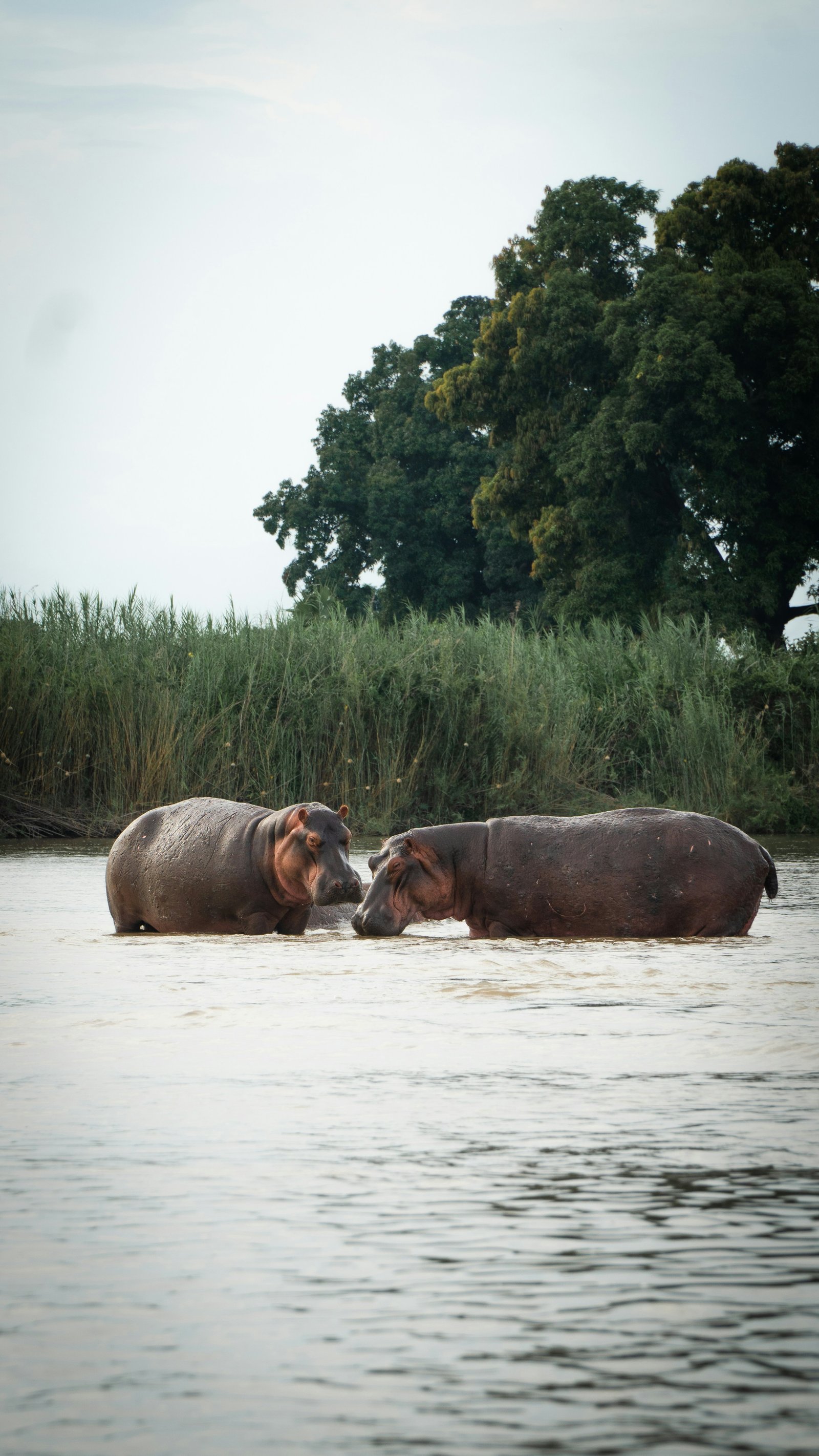
What Katavi offers in return is one of the most concentrated and dramatic wildlife spectacles in Africa: the dry-season hippo pools of the Katuma River.
Entry fees are USD 50 per person per day for non-residents as of 2026, payable to TANAPA. Most guests arrive on fully inclusive fly-in packages.
The Hippo Pools
In the wet season, hippos range widely across Katavi’s floodplains, grazing nocturnally and dispersing into shallow channels that stretch for kilometres. When the dry season arrives in June and July, the Katuma River contracts steadily. By August, several hundred hippos are forced back into a handful of permanent pools and shallow river bends, packing in at densities that produce near-constant territorial fights, churning water, and noise audible from several hundred metres.
The spectacle is not just about numbers. The concentration of hippos draws predators. Katavi’s lion prides have developed a speciality rare in East Africa: hippo predation. A pack - sometimes 15 or more lions - will isolate a weakened or juvenile hippo at the water’s edge and work as a coordinated unit. It is documented behaviour, not a fluke, and guides at Chada Katavi have observed it repeatedly across dry seasons. Nile crocodiles over 4 metres are present in the same pools, competing for the same fish and watching the same dynamics.
During August and September at peak density, the hippo pools at the Katuma are as close to an unmediated African spectacle as it is possible to find.
Wildlife Beyond the Pools
The floodplains away from the river support large buffalo herds - aggregations of 1,000 or more animals are common in the dry season, drawing lions and spotted hyena in numbers. Elephant move through the miombo woodland and come to drink at the river in the afternoon. Giraffe, zebra, impala, eland, roan antelope, and topi are all present.
Katavi is one of Tanzania’s better parks for African wild dogs. The open terrain suits the species, and the low tourist volume means packs move freely without the pressure they face in more visited parks. Leopard are present but use the woodland rather than the open floodplains; sightings require patience and early morning drives into the tree line.
The birding is productive along the river and in the miombo: ground hornbills, Pels fishing owl, African skimmer (seasonal), and a range of woodland species that are more easily seen here than anywhere on the northern circuit.
For a full species list and seasonal notes, see our Katavi wildlife guide.
Getting There
Katavi is fly-in only for practical purposes.
From Dar es Salaam: Charter or scheduled flights to Katavi airstrip take approximately 2.5 hours. Coastal Aviation operates seasonal services; a group charter is often more economical. One-way fares on shared services from around USD 400–600 per person depending on season and aircraft.
From Arusha: Approximately 3 hours by light aircraft, often routing via Dar or Kigoma.
From Mahale Mountains: A short 30-minute charter connects Katavi to Mahale - the standard western Tanzania circuit does both in sequence. This combination is the most logical itinerary: Mahale handles forest and lake (chimp trekking, swimming, kayaking); Katavi handles open floodplain and the hippo spectacle. Two nights at each gives a complete picture of western Tanzania’s ecosystems.
Most operators who sell Katavi work with Chada Katavi directly; book the entire western circuit through a Dar es Salaam–based operator rather than trying to piece together flights and camps independently.
When to Visit
July to October: The only viable visitor window. The hippo pools are the primary draw, and they reach maximum density in August and September. Chada Katavi and Katavi Wildlife Camp both operate during this period and typically close in October or November as the rains begin.
Outside July–October: The park floods and becomes largely inaccessible. Tracks across the floodplains are impassable. Camps close. Even if you could reach the park, the dispersed wet-season wildlife would not deliver the concentrated spectacle that defines a Katavi visit.
Where to Stay
Chada Katavi (Nomad Tanzania): The flagship camp, positioned on the edge of the Chada floodplain with views across the open grassland. Six tents; a platform above the plains provides panoramic sightlines for watching buffalo herds and predator movements across the grassland. The guiding is among the best in Tanzania - long-term guides who understand Katavi’s specific predator behaviour and hippo dynamics in detail. Game drives go deep into the miombo as well as covering the floodplain and river. Rates from approximately USD 1,000–1,200 per person per night all-inclusive in peak season. It is a genuine wilderness camp: no electricity, limited connectivity, and a deliberate absence of the distractions that follow development.
Katavi Wildlife Camp: The only other option in the photographic zone, with a more modest infrastructure but comparable wildlife access. Eight tents; guided game drives and walking safaris included. Rates from approximately USD 400–500 per person per night all-inclusive, making it the more accessible entry point for travellers who want Katavi without the Chada price. Ask about guiding depth before booking - the gap between camps is more significant here than in more competitive parks.
All rates are indicative for 2026 peak season. Contact operators directly for current figures.
Planning a Visit
Minimum stay: Two nights. Three is better. The Katuma pools require multiple visits at different times of day - hippo dynamics change between early morning, midday, and late afternoon, and predator movements around the pools are unpredictable. Two full days of game drives is a workable minimum; three removes the pressure.
Combining with Mahale: Most western Tanzania itineraries run three nights Mahale and two nights Katavi, or two and three in reverse. The combination works well in either direction. Katavi first means arriving rested and prioritising the hippo pools early; Mahale first means ending on the lake with easier travel back to Dar.
Budget: Fully inclusive three-night packages from Dar - flights, accommodation, park fees, activities - typically run USD 3,000–5,500 per person depending on camp tier. The premium at Chada is significant. See our Tanzania safari costs guide for how this compares to other parks.
Booking: Nomad Tanzania operates Chada Katavi and can book the full western circuit including Mahale. For independent itinerary building, use a Tanzania-registered operator who knows both parks - the logistics of the Mahale–Katavi–Dar routing require familiarity with charter availability, especially in peak season when aircraft are fully subscribed.