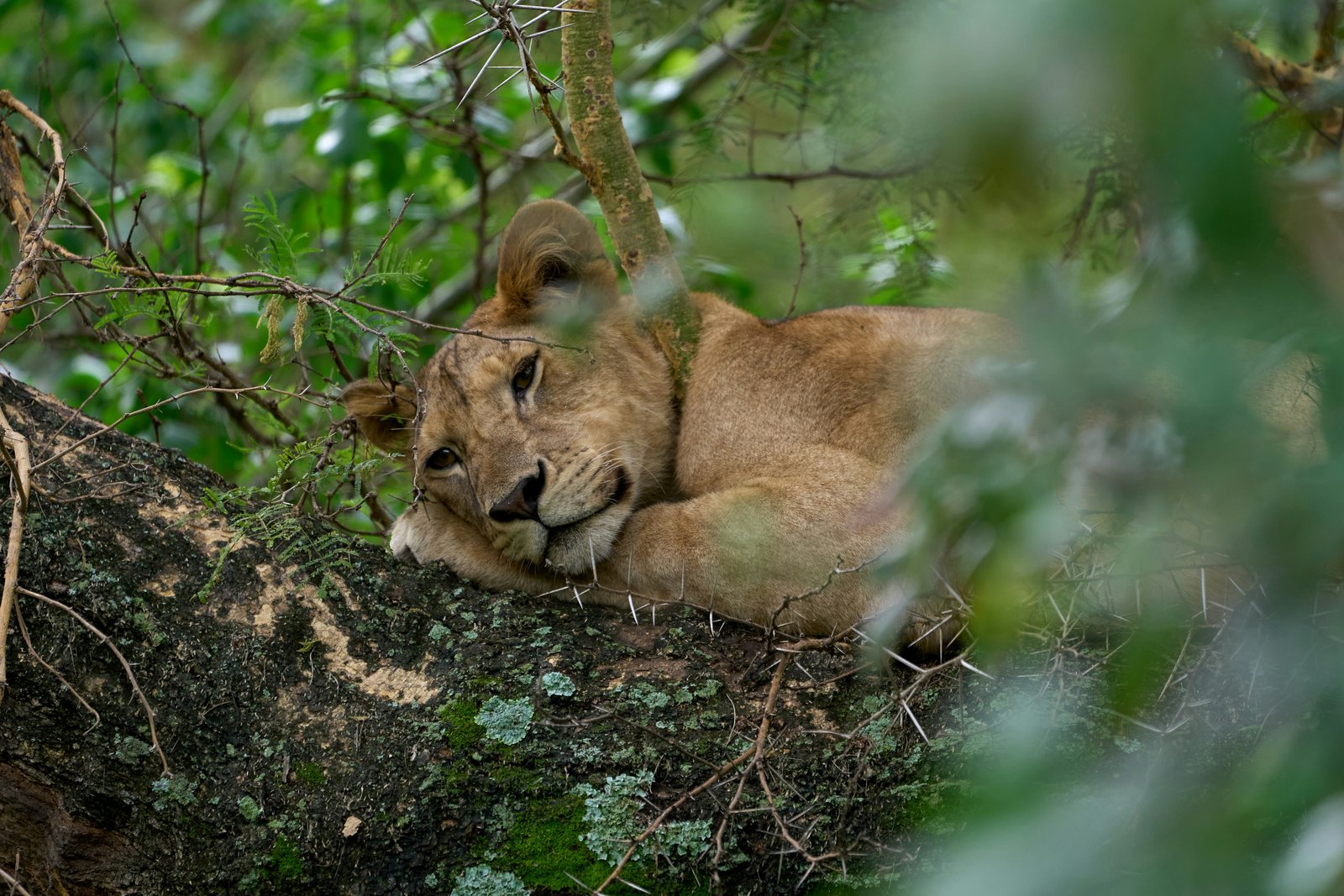
Lake Manyara National Park punches above its weight. At roughly 325 square km, it is small compared to the Serengeti or Ngorongoro, but the diversity packed into its boundaries, groundwater forest, open savanna, acacia woodland, and a 230 square km alkaline lake, makes it one of Tanzania’s most varied day trip destinations. It also has tree-climbing lions, a behaviour unusual enough that Ernest Hemingway wrote about them.
The park sits 125 km west of Arusha, making it the closest major national park to the city and the most practical add-on for travellers who have already allocated their main safari days to the northern circuit.
Getting There from Arusha
The drive from Arusha to Lake Manyara’s Mto wa Mbu gate takes approximately 1.5 to 2 hours on the main Arusha to Dodoma road, passing through Makuyuni Junction and the Rift Valley viewpoint. The road is sealed for most of the route, and conditions are generally good.
Most day trips depart Arusha between 6:30 and 7:00 am to reach the gate by 9:00 am. Arriving earlier allows game driving during the cooler morning hours when wildlife is most active. The park closes to vehicles at 6:00 pm, and the return drive to Arusha takes another two hours.
Independent travellers can hire a vehicle and driver/guide in Arusha. All vehicles entering the park must be registered 4x4s with a valid licence; a simple car hire with a non-park-registered driver is not sufficient. Joining an organised tour is the more reliable option for most visitors.
Entry Fees (as of 2026)
- International visitor fee: approximately USD 53 per person per 24-hour period
- Vehicle entry fee: approximately USD 40 per vehicle per entry
These TANAPA fees are subject to annual review. Reputable operators include them in the tour price; confirm this before booking. Budget additionally for lunch if it is not included.
What to See at Lake Manyara
Tree-Climbing Lions
Lake Manyara’s lions are one of only a few populations in the world known to regularly climb trees. The behaviour is observed most often in large fig trees and acacia woodlands in the northern section of the park, between the gate and the Hippo Pool area. Lions climb during the heat of the day and can sometimes be spotted lying along branches at three to four metres above ground.
Sightings depend on the lions’ movements that day. A skilled guide will know recent sighting locations from morning radio communication with other drivers. On a full-day drive, the probability of seeing at least one tree-climbing lion is reasonably high, though not certain.
Groundwater Forest
Immediately inside the gate, the park transitions into a dense groundwater forest fed by underground springs from the Rift Valley escarpment. The forest is dark and cool, with giant fig trees, fever trees, and dense undergrowth. Olive baboon troops are reliably present, along with blue monkeys, vervet monkeys, and a range of forest birds including trumpeter hornbill and silvery-cheeked hornbill.
Elephant herds sometimes move through this zone in the morning before retreating to the escarpment during the day. Giraffe are visible at the forest edge where it transitions to open woodland.
The Lake and Flamingos
Lake Manyara’s alkaline water supports algae growth that attracts flamingos. In good years, flocks of hundreds of thousands of lesser flamingos line the lake’s northern shore, turning the shallows pink. Numbers depend on lake level and algae density, which varies significantly between years and seasons.
The best flamingo viewing runs from November through May. Outside this window, flamingo presence is unpredictable. Even when flamingo numbers are low, the lake provides excellent general birdwatching: pelicans, yellow-billed stork, African spoonbill, and numerous waders are present year-round.
The park road follows the lakeshore for several kilometres, allowing vehicles to stop along a series of open viewpoints.
Hippo Pool
A reliable highlight, the Hippo Pool in the central section of the park holds a permanent pod of hippopotamus. The pool is accessible by vehicle and is a common lunch stop. The picnic area here is basic but functional. Crocodiles are present around the pool margins, and a range of wading birds (including African fish eagle) can be observed from the bank.
Open Savanna and Buffalo
The southern section of the park opens into broader savanna where large buffalo herds graze. Wildebeest, impala, zebra, and warthog are common. This zone is also productive for leopard, though sightings are less frequent than in the Serengeti.
Birdlife throughout the park is exceptional, with over 400 recorded species. Lake Manyara is considered one of Tanzania’s premier birding destinations, particularly during the November to April northern hemisphere migrant season.
Tour Operators from Arusha
Leopard Tours operates Lake Manyara day trips as part of their standard northern circuit options. Day trip prices from Arusha start from approximately USD 185 per person in group vehicles. The company has a long track record and reliable vehicles.
Roy Safaris customises day itineraries and can combine Lake Manyara with a morning at Tarangire National Park for a longer full-day circuit. Prices for a Lake Manyara-only day start from approximately USD 195 per person, with the combined Tarangire and Lake Manyara option running around USD 260 to 310 per person.
Tanzania Specialist (formerly Hoopoe Safari) offers smaller group sizes and guides with strong natural history knowledge. Lake Manyara day trips run from approximately USD 220 per person.
Sunny Safaris is a well-reviewed Arusha-based operator with competitive pricing. Day trips to Lake Manyara from around USD 150 to 175 per person make this a popular budget-conscious option without significant quality trade-off.
For travellers already in Arusha and booking last-minute, walking the tour operator strip on India Street yields multiple same-day departure options, particularly during shoulder season. You can also compare Lake Manyara day trip operators on GetYourGuide to read verified reviews and confirm pricing before leaving home.
Best Time to Visit
November to May (wet season): Flamingo numbers are at their peak, migrant birds are present, and the groundwater forest is lush. The park is less crowded than during the dry season, and accommodation in the nearby Mto wa Mbu town is cheaper. Muddy roads can occasionally restrict access to the lakeshore track.
June to October (dry season): Lower lake levels, fewer flamingos, but better lion and leopard sighting conditions due to shorter vegetation. This is the peak tourist season and visitor volumes in the park are higher.
January and February are particularly productive for both flamingos and the calving season in the nearby Ndutu area, making this a good time to combine Lake Manyara with a Serengeti calving visit.
Combining Lake Manyara with Other Parks
Lake Manyara works well as the opening or closing day of a longer northern circuit safari rather than as a standalone day trip from Arusha. Its proximity to the Ngorongoro Crater (90 minutes further west) and Tarangire National Park (90 minutes southeast) makes it a natural pivot point.
The most common two-park day combination is Lake Manyara in the morning followed by Tarangire in the afternoon. This works best from October to January when Tarangire’s elephant concentrations are at their peak. The total driving time is manageable and both parks complement each other in wildlife character.
A three-park northern circuit starting at Lake Manyara, moving to Ngorongoro, and finishing in the Serengeti is Tanzania’s most travelled safari route and covers all of the major ecosystems in one continuous journey.
Practical Notes
- Bring sunscreen and a hat. The lakeshore tracks offer limited shade.
- A zoom lens (200mm or longer) is useful for flamingos and tree-climbing lions from a distance.
- The park picnic area at the Hippo Pool is the only lunch option inside the park. Some operators provide packed boxes; confirm before departure.
- Lake Manyara town (Mto wa Mbu) at the park gate has a small market, ATM, and guesthouses for travellers who want to overnight outside the park before an early morning entry.