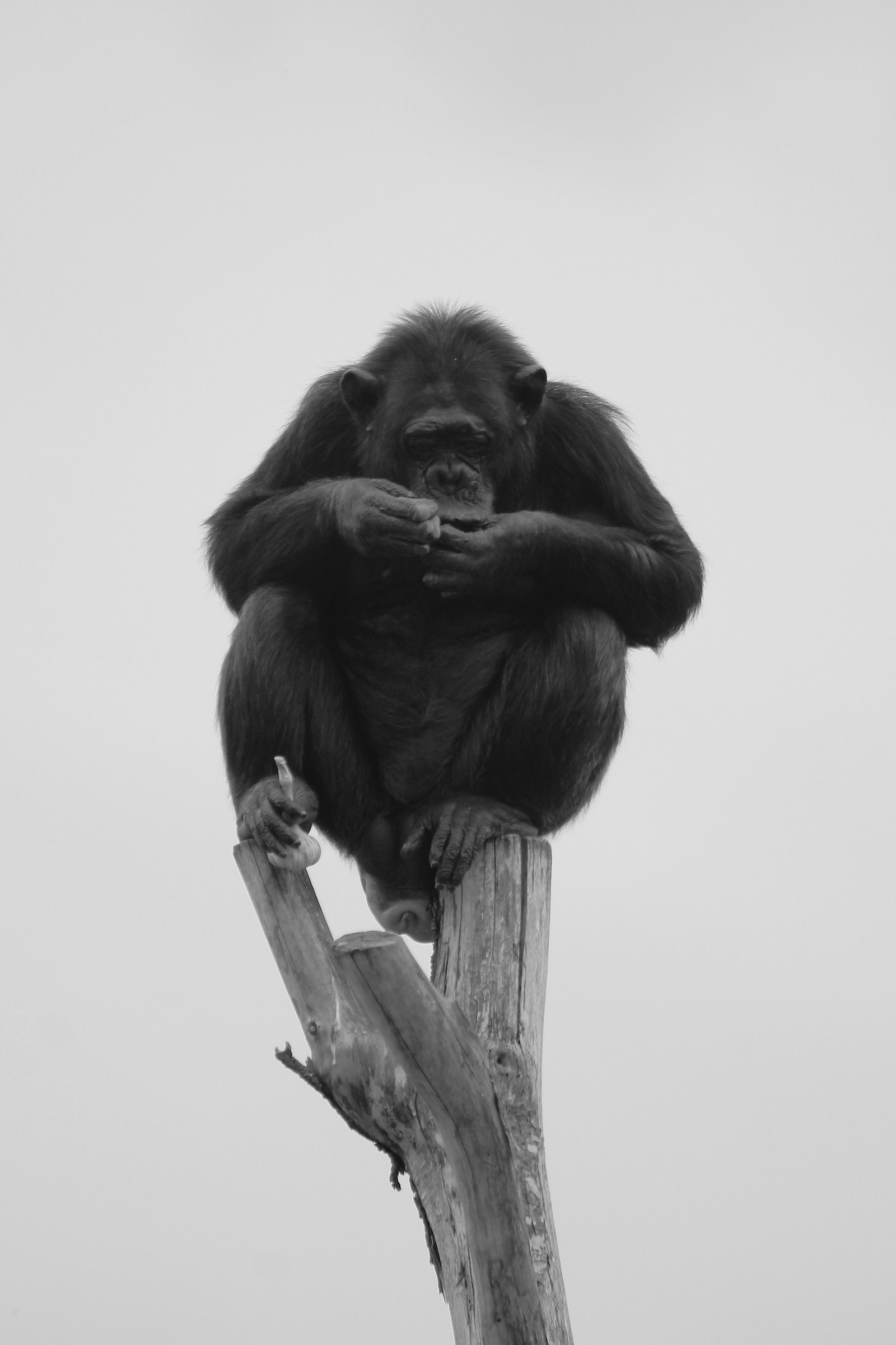
Mahale Mountains National Park sits on the eastern shore of Lake Tanganyika in western Tanzania, one of the most remote national parks in Africa. Getting there takes most of a day from Arusha, the cost is significant, and the logistics require planning well in advance. Nearly everyone who makes the trip describes it as one of the best wildlife experiences of their lives.
The reason is the chimpanzees. Mahale is home to the M-group, a habituated community of around 60 individuals that has been studied by Japanese researchers since 1961, making it one of the longest-running chimpanzee research programmes in the world. Watching a troop of wild chimpanzees in a dense forest, close enough to hear them breathing, is unlike any other wildlife encounter.
About Mahale Mountains National Park
The park covers approximately 1,613 square km of mountains, tropical forest, and lakeshore. The Mahale peaks rise to 2,462 metres, and the park’s eastern boundary is Lake Tanganyika itself, one of the world’s largest and deepest freshwater lakes.
Entry fees: approximately USD 150 per person per 24-hour period as of 2026 (subject to TANAPA rate changes). This fee covers the chimpanzee trekking permit. Vehicle fees do not apply as there are no roads in the park; all movement is on foot or by boat.
The park has no permanent road access. All visitors arrive by air or water, which keeps visitor numbers low (typically fewer than 1,000 per year) and helps protect the ecosystem.
Getting to Mahale
By charter flight (recommended): A charter from Arusha or Dar es Salaam to Mahale’s basic airstrip takes approximately 2.5 to 3 hours. As of 2026, costs run from approximately USD 500 to 700 per person one-way for a small prop aircraft. Coastal Aviation and Auric Air both operate Mahale routes. Most guests fly in with their lodge package, which usually bundles flights with accommodation at a negotiated rate.
Via Kigoma: Commercial flights from Dar es Salaam to Kigoma operate daily (approximately 1.5 hours, from around USD 180 one-way with Precision Air). From Kigoma, a motor boat transfer to Mahale takes three to five hours depending on sea conditions. Lodge boats make this journey; no public ferry service reaches the park directly. This route costs less upfront but adds significant travel time (potentially a full day each way).
Via ferry: The MV Liemba, a historic Lake Tanganyika ferry, stops at Lagosa near the park boundary. Schedules are irregular and the journey from Kigoma takes around 12 hours. This is an adventurous option for independent travellers with time and a high tolerance for unpredictability.
For most visitors, the charter flight is the practical choice. Build both legs into your planning, as weather delays can affect small aircraft departures.
Accommodation at Mahale
Accommodation options inside the park are limited, which keeps visitor numbers controlled but also means pre-booking is essential, often months ahead.
Mahale Mountain Tented Camp is the primary lodge for most international visitors. It sits directly on the lakeshore with open-fronted tents facing Lake Tanganyika. Rates run from approximately USD 500 to 800 per person per night as of 2026, fully inclusive of meals, park fees, chimp trekking, and boat transfers from the airstrip. The lodge also offers kayaking, snorkelling in the lake, and forest walks outside of chimp trekking hours.
Kungwe Beach Lodge is a second option on the lakeshore, somewhat less expensive at around USD 350 to 500 per person per night. It covers similar activities and also arranges the park entry fees.
Both lodges operate on a fully inclusive model, which simplifies budgeting even if the total cost looks steep. An all-in Mahale trip of three nights typically costs USD 2,500 to 4,000 per person including flights from Arusha. For travellers looking for more accessible chimpanzee trekking options alongside other Tanzania wildlife experiences, GetYourGuide’s Tanzania tours lists guided wildlife programmes that can be combined into a broader itinerary.
Chimpanzee Trekking: What Happens
Treks depart early in the morning, typically by 7:00 to 7:30 am. Your guide receives radio communication from trackers who have been in the forest since before dawn locating the M-group. The group’s overnight sleeping nest positions determine where the trek starts.
The forest is steep, dense, and often humid. There are no formal trails, only paths worn by chimps and guides. Expect to climb over roots, push through vegetation, and navigate slopes that would not be out of place on a moderate hiking trail. Physical fitness helps but the trek is manageable for most visitors in reasonable health.
Once the chimpanzees are located, you spend one hour with the group. This is a TANAPA regulation applied to all habituated chimp groups in Tanzania to limit stress on the animals. Guides enforce a minimum distance of seven metres from any individual chimp, though the animals do not respect this rule from their side and will sometimes walk directly past, or over, visitors.
The M-group typically numbers around 60 individuals with multiple adult males, females with infants, and juveniles. Depending on what the group is doing when you find them, you might observe social grooming, fruit feeding, territorial displays, or simply watch them travel through the forest canopy. The experience is largely unpredictable, which is part of what makes it compelling.
After one hour, you exit the forest and return to the lakeshore. Afternoon activities usually include swimming or snorkelling in Lake Tanganyika, which is clear enough to see the endemic cichlid fish for which the lake is famous.
Best Season
June to October is the dry season and the most reliable period for chimp trekking. Vegetation is drier and less dense, chimps tend to stay at lower elevations in the forest (making them easier to reach), and trails are firmer underfoot. July and August are peak months.
November to May is the wet season. Rain can be heavy and trails slippery. Chimps may move higher into the mountains, extending trek duration significantly. Park entry fees and lodge rates are sometimes lower during wet season months.
Mahale is not closed during the wet season, and treks still operate, but the logistics are harder and success is less reliable.
Mahale vs Gombe for Chimp Trekking
Both parks protect habituated chimpanzee communities in western Tanzania, but they differ significantly in character.
Mahale is more remote, more expensive, and has a larger habituated group. The forest and lakeshore setting is exceptional. Visitor numbers are very low. The experience is widely considered superior.
Gombe is more accessible: a 30-minute motorboat ride from Kigoma, park fees of approximately USD 100 per person, and accommodation available through the public Gombe Forest Lodge at around USD 150 to 200 per person per night. The habituated chimp group is smaller (around 30 individuals) and sightings are less reliable. Gombe is a reasonable option for budget-conscious travellers or those passing through Kigoma, but it does not offer the same level of immersion.
For most visitors making a specific journey to see chimpanzees in Tanzania, Mahale is the stronger choice if the budget allows.
Planning Your Trip
Mahale is almost always combined with a broader Tanzania itinerary rather than visited in isolation. Common combinations include:
- Mahale plus northern circuit: Fly to Mahale from Arusha, spend three nights, fly back via Dar or Arusha and continue to the Serengeti or Ngorongoro.
- Mahale plus Katavi National Park: Katavi lies northeast of Mahale (a 45-minute charter flight) and is one of Africa’s most remote and wildlife-dense parks. Few visitors combine the two, which is precisely what makes it a compelling circuit.
Book lodge and flights together. With only two lodges in the park and small aircraft on the routes, availability in peak season (July to August) is limited. Six to twelve months ahead is not excessive for high-season Mahale travel.