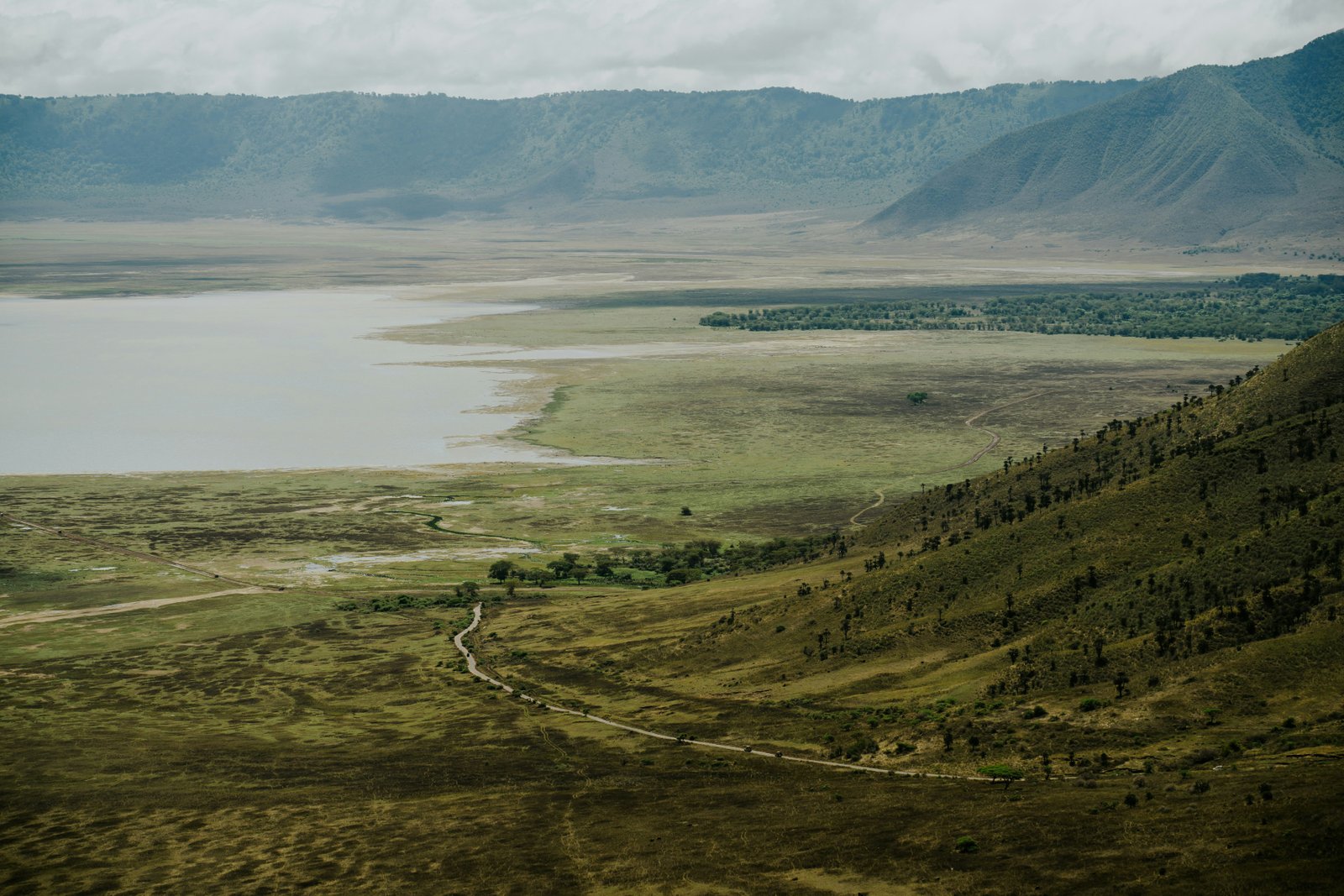
Ngorongoro Crater is one of the most wildlife-dense places on earth — a 20-km wide caldera with a resident population of around 25,000 large mammals and no fence to contain them. Unlike the Serengeti, where animals migrate seasonally, the crater’s steep walls create a natural enclosure that keeps wildlife in year-round. A day trip from Arusha gets you down onto the crater floor for a game drive that typically takes 5–6 hours.
This guide covers the logistics: how to get there, what you’ll pay, what to expect inside the crater, and which operators run the best day trips.
Getting from Arusha to the Crater
The drive from Arusha to Lodoare Gate — the main entrance to the Ngorongoro Conservation Area — is approximately 180 km and takes around 3 hours. The road is sealed tarmac almost the entire way, passing through the Arusha outskirts, the Monduli District, and into the highlands around Karatu before climbing to the crater rim.
Most operators depart Arusha at 6:00–7:00 AM to arrive at the rim by mid-morning, giving maximum time on the crater floor before the heat of the afternoon builds. A day trip typically returns to Arusha by 7:00–8:00 PM.
From the rim, vehicles descend via the Seneto Descent Road (one-way down) and exit via the Lerai Ascent Road (one-way up). The descent into the crater takes about 20–30 minutes on a steep, switchback track.
Entry Fees and Permits
The Ngorongoro Conservation Area Authority (NCAA) charges multiple fees per visit, all as of 2026:
- Conservation fee: USD 70.80 per person per 24-hour period
- Vehicle fee: approximately USD 295 per vehicle (4WD only permitted on the crater floor)
- Rescue fee: USD 5 per person
For a day trip with 5 people in one vehicle, the shared fees work out to approximately USD 130 per person including the vehicle charge. All legitimate operators include these fees in their quoted price — if a quote seems unusually low, ask for a fee breakdown.
Wildlife: What to Expect in the Crater
The crater floor holds approximately 25,000 large mammals at any given time. Wildlife density is exceptional, and sightings on most days include:
Big Five: Lions are resident in the crater in good numbers — prides are frequently seen resting near the Lerai Forest or hunting around the open grasslands. Leopards are rare on the crater floor but do appear occasionally. Buffalo graze in large herds around the central grasslands. Elephants are seasonal on the floor but more reliably seen in the surrounding highlands. Black rhinos (approximately 25 individuals as of 2026) are the crater’s rarest residents — sightings are genuine fortune, but the crater holds one of Tanzania’s most viable rhino populations.
Spotted hyenas: Ngorongoro has one of the highest hyena densities in Africa. You will likely see them on almost any full-day visit.
Flamingos and hippos: Lake Magadi, the central soda lake, hosts large flamingo flocks and a resident hippo pool. The Mandusi Hippo Pool near the Lerai Forest is a reliable stop.
Wildebeest and zebra: Year-round residents in large numbers. Some individuals in the crater are part of the resident (non-migratory) population, distinct from the Serengeti migrators.
What’s absent: Giraffe are not found on the crater floor — the steep walls prevent them from descending. Cheetah are present but rarely seen (unlike the open Serengeti plains).
Day Trip Operators and Prices
Day trips from Arusha range from budget shared tours to private vehicle experiences. Price differences largely reflect group size, vehicle quality, and guide experience:
| Option | Price Range (per person) | Notes |
|---|---|---|
| Budget shared 4WD (4–6 people) | USD 150–200 | Shared with other travellers; less flexibility on timing |
| Private 4WD (2–4 people) | USD 220–350 | Your own vehicle and guide; can spend longer at key spots |
| Premium private (Land Cruiser or Landcruiser Pop-top) | USD 350–550 | Pop-top for standing photography, better guide quality |
Lunch at the crater is typically a packed lunch from your operator, eaten at the designated picnic area near the hippo pool. A few premium operators include a lunch stop at a crater-rim lodge.
Browse Ngorongoro day trips and compare options on GetYourGuide.
Combining Ngorongoro with Other Destinations
Ngorongoro sits on the road to the Serengeti, making it a natural add-on:
- Ngorongoro + Lake Manyara: Lake Manyara National Park is 130 km from Arusha (about 2 hours) and 50 km before Ngorongoro. A 2-day itinerary combining both parks is a popular option.
- Ngorongoro + Serengeti: Most multi-day northern Tanzania safaris include a crater game drive en route to the Serengeti. The gate-to-Serengeti drive from Ngorongoro is approximately 3 hours on gravel road.
- Overnight at the rim: Ngorongoro Crater Lodge (from approximately USD 900 per person per night as of 2026) and Ngorongoro Farm House (from USD 250–350 per night) both sit at crater-rim elevation and allow an early descent before day visitors arrive.
Practical Tips
Best time of day: Animals are most active in the early morning. A first descent at 9:00–10:00 AM places you on the floor during peak predator activity. Afternoon visits are quieter and warmer.
Best season: The crater can be visited year-round. The dry season (June–October) offers clearer views and dusty tracks where predator kills are more visible. The green season (November–May) brings lush vegetation, newborn calves, and migrant birds, but some tracks become muddy.
What to bring: Binoculars, sunscreen, a warm layer (the rim reaches 3,000 metres — it can be cold and misty), and camera with a telephoto lens. Food and water are provided in all-inclusive packages.
Altitude note: The crater rim sits at approximately 2,300 metres and the floor at 1,700 metres. Neither is high enough to cause altitude sickness, but some visitors notice mild breathlessness on the rim.
Plan Your Ngorongoro Visit
- What to See in Ngorongoro Crater: Wildlife, Viewpoints and Tips — a detailed look at crater floor zones, black rhino sightings, and the best photographic conditions
- Ngorongoro Tour Operators: Prices and How to Choose — compare shared vs private options with current 2026 pricing
- Ngorongoro Crater: Destination Overview — ecosystem background, wildlife counts, and why this caldera is unlike any other park in Africa