Travelling from Dar es Salaam to Arusha? The intercity bus takes 8–10 hours, making Arusha a destination in itself rather than a day trip from the coast. Once you arrive, Arusha becomes the launch pad for Tanzania’s entire northern safari circuit — most of the country’s greatest wildlife destinations are within a few hours’ drive. A single day from the city can take you into a UNESCO World Heritage caldera, alongside elephant herds 1,000 strong, or onto flamingo-fringed shores. What follows is a practical breakdown of each option - distance, realistic timing, costs, and what makes each destination worth the early start.
Lake Manyara National Park (130km, 2 hours)
Lake Manyara is the most accessible of the northern parks - a two-hour drive southwest on good tarmac. The park is long and narrow, squeezed between the steep Rift Valley escarpment and the alkaline lake. The result is a compressed diversity: dense groundwater forest at the northern entrance gives way to floodplain, then open grassland and lake shore.
What to see:
- Lesser flamingos: Up to 2 million have been recorded on the lake. Peak concentrations are typically February–April when the soda levels are right. The pink mass extending across the water is one of Tanzania’s most striking wildlife images.
- Tree-climbing lions: Lake Manyara is one of the few places in Africa where lions regularly climb Acacia trees - the behaviour is unusual and poorly understood.
- Elephants: The forest section at the entrance harbours a relaxed elephant population, often visible within minutes of the gate.
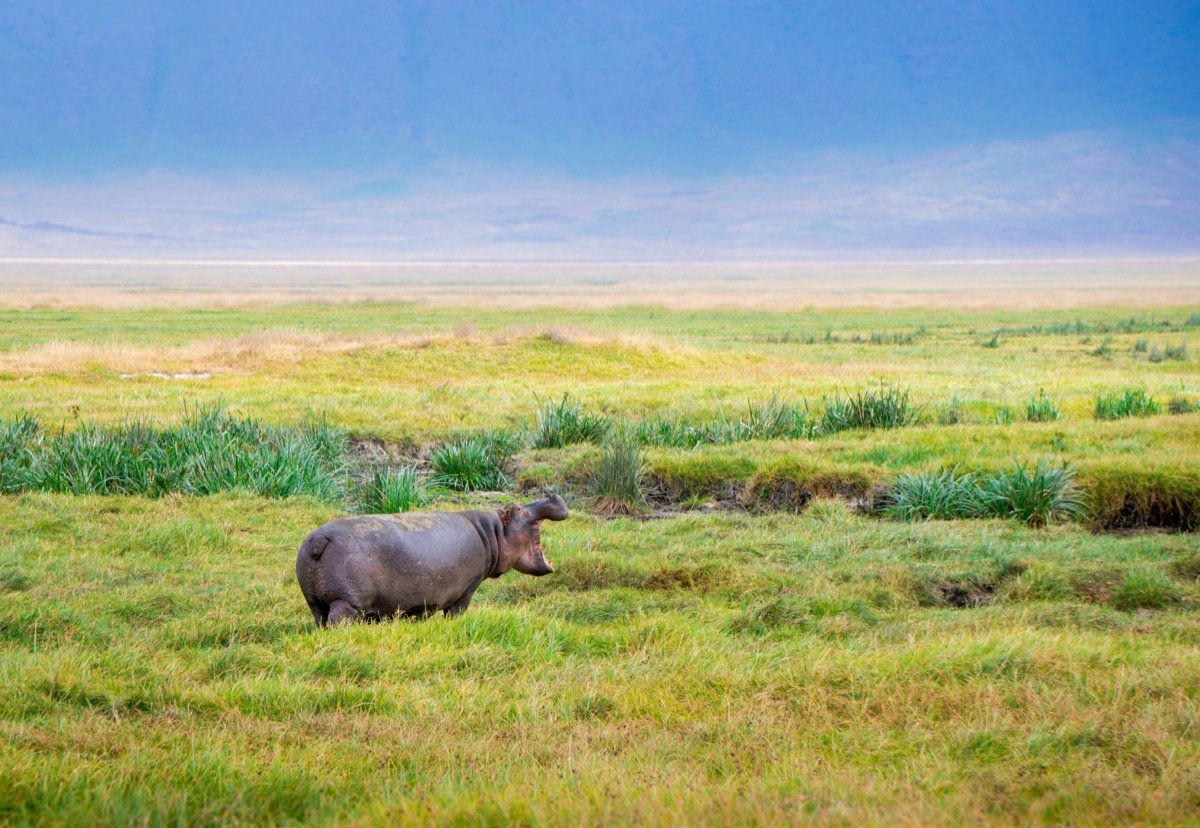
- Hippos: Pool in the river outlets at the southern end of the park.
Park entry: approximately USD 53 per person (as of 2026). Full guided day trip including 4WD transport, guide, picnic lunch, and park fees: from approximately USD 150–200 per person in a shared group.
Tarangire National Park (120km, 2 hours)
Less visited than Manyara or Ngorongoro, Tarangire is Tanzania’s best-kept secret for big game. The dry-season (July–October) concentration of elephants around the Tarangire River is one of the largest gatherings of African elephants anywhere on the continent - hundreds of animals funnelling to the river as surrounding water sources dry up.
Why Tarangire works particularly well as a day trip:
- The drive from Arusha is mostly tarmac, making it the same distance as Manyara but on a better road.
- The game tends to stay concentrated near the river - less ground-covering needed than in the Serengeti.
- The ancient baobab trees that characterise the landscape photograph exceptionally well in afternoon light.
The park also has excellent bird diversity (550+ species recorded). The python-draped sausage trees near the main loop road are a reliable photographic spot.
Park entry: approximately USD 53 per person (as of 2026). Day trip tours from Arusha: from USD 150–220 per person.
Ngorongoro Conservation Area (180km, 3 hours)
Ngorongoro is the centrepiece of Tanzania’s northern circuit and the most spectacular single wildlife destination in the country. The crater - a collapsed volcanic caldera 20km across and 600m deep - contains approximately 30,000 animals on its floor, trapped by the steep walls and reliably concentrated year-round.
What to expect on a crater floor game drive:
- Lions are almost certain - multiple prides occupy permanent territories on the crater floor
- Black rhinoceros: Ngorongoro holds one of Tanzania’s last viable populations; sightings are not guaranteed but the crater gives the best odds anywhere in the country
- Elephants, buffalo, zebra, wildebeest, spotted hyena, and golden jackals are all reliably present
- Hippo pool at the crater floor lake (Ngoitokitok Spring)
Practical note: Day trips to Ngorongoro work but involve 6 hours of driving for 5–6 hours in the crater. If your schedule allows even one night on the rim, the early morning descent (crater opens 06:00) adds an hour of peak light and avoids the midday tour-vehicle concentration on the crater floor. Crater entry fee: approximately USD 295 per vehicle per day (additional to conservation area entry of USD 70 per person).
Guided day trips from Arusha: USD 250–350+ per person for a full day including all fees and 4WD transport.
Arusha National Park (25km, 30 minutes)
The closest option - practically on the city’s doorstep. For those with only a partial day or who have already booked time at the bigger parks, Arusha National Park rewards a shorter visit.
- Game drive through Ngurdoto Crater rim and Momella Lakes: 3–4 hours
- Walking safari with armed rangers in the forest zone: 2–3 hours (approximately USD 20–30 per person extra)
- Flamingos and pelicans on the alkaline Momella Lakes in early morning
Entry: USD 45 per person. The park is the only one in Tanzania where non-guided self-drive is relatively practical, as distances are small and the main loop road is clearly marked.
Maasai Cultural Village Visits
Organised visits to Maasai communities operate from Arusha and the surrounding area. These range from tourist-facing experiences at the park gates (30-minute boma walk: USD 20–40 per person) to more substantive half-day programmes organised through reputable operators that include lunch, demonstrations of beadwork or fire-starting, and time with the community.
The more meaningful experiences cost more and require advance booking:
- Standard boma visit at a park gate: USD 15–30 per person
- Half-day community programme with a registered cultural operator: from USD 60–80 per person
Research operators before booking - some “Maasai villages” near tourist routes are essentially staged performances. The Ngorongoro District community-based tourism projects (organised through the NCA authority) tend to be more authentic.
Ol Doinyo Lengai Volcano (200km, 3 hours)
For adventurous travellers with a full day or overnight to spare, Ol Doinyo Lengai - the only active carbonatite volcano in the world, sacred to the Maasai as “Mountain of God” - sits on the southern shore of Lake Natron, 3 hours from Arusha. The volcano erupts lava at unusually low temperatures, appearing black rather than red.
Day-trip visits are possible but extremely long (departure before 04:00 for a dawn arrival). Most operators offer it as an overnight trip. The summit hike (approximately 3,800m) takes 5–8 hours and is only suitable for fit, acclimatised walkers.
When a Day Trip Is Not Enough: Overnight Options
Most of the parks accessible from Arusha reward an extra night. A second day gives you early morning light (06:00-08:00 is peak wildlife hour), removes the tired late-afternoon drive back, and unlocks activities not available on day visits - walking safaris with armed rangers, night drives, and early crater descents before the main tour-vehicle rush.
Affordable overnight options near the northern parks:
- Twiga Camp (Tarangire area): The closest affordable camp to Tarangire gate. Permanent tents with shared facilities from approximately USD 35-60 per person per night. Mainly used by budget overlanders; well-positioned for early park entry.
- Panorama Safari Camp (Lake Manyara escarpment): En-suite bungalows with views over the lake from approximately USD 90-140 per person full board. The location above the Rift Valley wall makes for excellent early-morning light photography. Independent travellers can book directly.
- Rhino Lodge (Ngorongoro rim): The most affordable accommodation on the crater rim, operated by the Ngorongoro Conservation Area Authority (NCAA). Basic bandas from approximately USD 150 per person per night full board. Books out 2-4 weeks ahead in peak season; reserve through the NCAA directly or via a licensed agent.
Mid-range step up:
- Serena Manyara: Full-service lodge on the escarpment with a pool and Rift Valley views. From approximately USD 250-350 per person per night all-inclusive. The best option for travellers who want comfort as well as early-morning game drive access.
- Lemala Ngorongoro: Comfortable tented camp on the rim with private game drives and crater descents by arrangement. From approximately USD 400-600 per person per night.
Adding one night to a Ngorongoro day trip brings the crater descent time from roughly 5 hours to 8 hours, which makes the difference between a rushed circuit and a proper morning with the big cats and rhino population. Browse Tanzania lodge and safari packages for multi-day options departing from Arusha.
Practical Advice for Day Trips from Arusha
Book through a registered operator: Tanzania requires that visitors to national parks travel in registered vehicles with licensed guides. Avoid unlicensed touts offering “cheap” trips outside the normal system - vehicle breakdowns in remote areas and under-qualified guides are the most common complaints.
Departure times: All day trips should depart by 06:30–07:00 to maximise time at the destination before midday heat slows wildlife activity. Safari operators in Arusha know this rhythm - push back on any departure after 08:00.
What to bring: Water (minimum 2L per person), sun protection, binoculars (10x42 is the most practical for safari use), a warm layer (the Ngorongoro crater rim is cold even in July), and snacks. Most day trips include a packed lunch.
Price benchmarks (per person, sharing a 4WD with 4–6 passengers):
- Manyara day trip: USD 150–200
- Tarangire day trip: USD 150–220
- Ngorongoro day trip: USD 250–350
- Arusha NP half-day: USD 70–110
Prices drop significantly in a larger group as vehicle and guide costs are shared. Browse day trips from Arusha to compare lake, crater, and park options from verified operators. For longer northern circuit trips that begin in Arusha, Tanzania safari tours lists full multi-day packages.