Arusha is Tanzania’s safari capital by default - not because it has the grandest wildlife, but because it sits at the geographic centre of the northern circuit and has the airport, the safari operators, the gear shops, and the overnight accommodation that the parks do not. Most travellers pass through in 24–48 hours. That is enough time to see the city properly and still feel ready for the bush.
Search hotels in Arusha on Booking.com
Arusha National Park
The closest wilderness to the city - 25km east, a 30–45-minute drive on the Nairobi road. The park is smaller and less dramatic than the Serengeti or Ngorongoro, but its combination of habitats - Momella Lakes, the Ngurdoto Crater, and the slopes of Mount Meru - makes it genuinely varied.
Key highlights:
- Momella Lakes: Seven shallow alkaline lakes with lesser flamingos, pelicans, and dozens of wading bird species. The light at dawn is exceptional.
- Giraffes and buffaloes: Herds roam the park’s open sections and can be seen roadside without venturing far from the gate.
- Black-and-white colobus monkeys: Found in the forested slopes above the crater - shy but regularly spotted.
- Mount Meru: The 4,566m peak dominates the skyline. Full ascents take 3–4 days; the Meru circuit is a serious trekking alternative to Kilimanjaro for those wanting altitude training.
- Walking safaris: Unusual in Tanzania’s parks - Arusha NP permits walking with armed rangers. Cost approximately USD 20–30 per person per walk, plus park entry.
Park entry: approximately USD 45 per person (as of 2026). Open daily 06:00–18:00.
Cultural Heritage Centre
The Cultural Heritage Centre on Dodoma Road is part shopping complex, part gallery, part restaurant stop. It is the most reliable place in Arusha to buy quality Tanzanian art and crafts without haggling:
- Gallery floor: Original Tingatinga paintings, Makonde hardwood carvings (including the complex multi-figure “tree of life” works), and Zanzibar wooden furniture
- Craft section: Maasai beadwork, batik fabrics, soapstone carvings from the Lake Victoria region
- Attached café: Good coffee (including locally grown Kilimanjaro arabica), light meals, and shade
Prices are fixed and marked - a 30cm Tingatinga canvas starts from approximately USD 20; larger Makonde carvings from USD 50 to several hundred. The restaurant/café serves full meals from approximately TZS 25,000–45,000.
Arusha Declaration Museum
Tanzania’s most important political museum, marking the spot where President Julius Nyerere issued the Arusha Declaration in 1967 - the founding document of Tanzania’s ujamaa (African socialist) policies. The displays include original policy documents, photographs from the independence and ujamaa era, agricultural collectivisation records, and contemporary assessments of the policy’s legacy.
Small but worthwhile, particularly before visiting rural areas where the physical legacy of ujamaa village resettlement is still visible. Entry approximately TZS 5,000–10,000. Located on Makongoro Road.
Arusha Town Market and Maasai Market
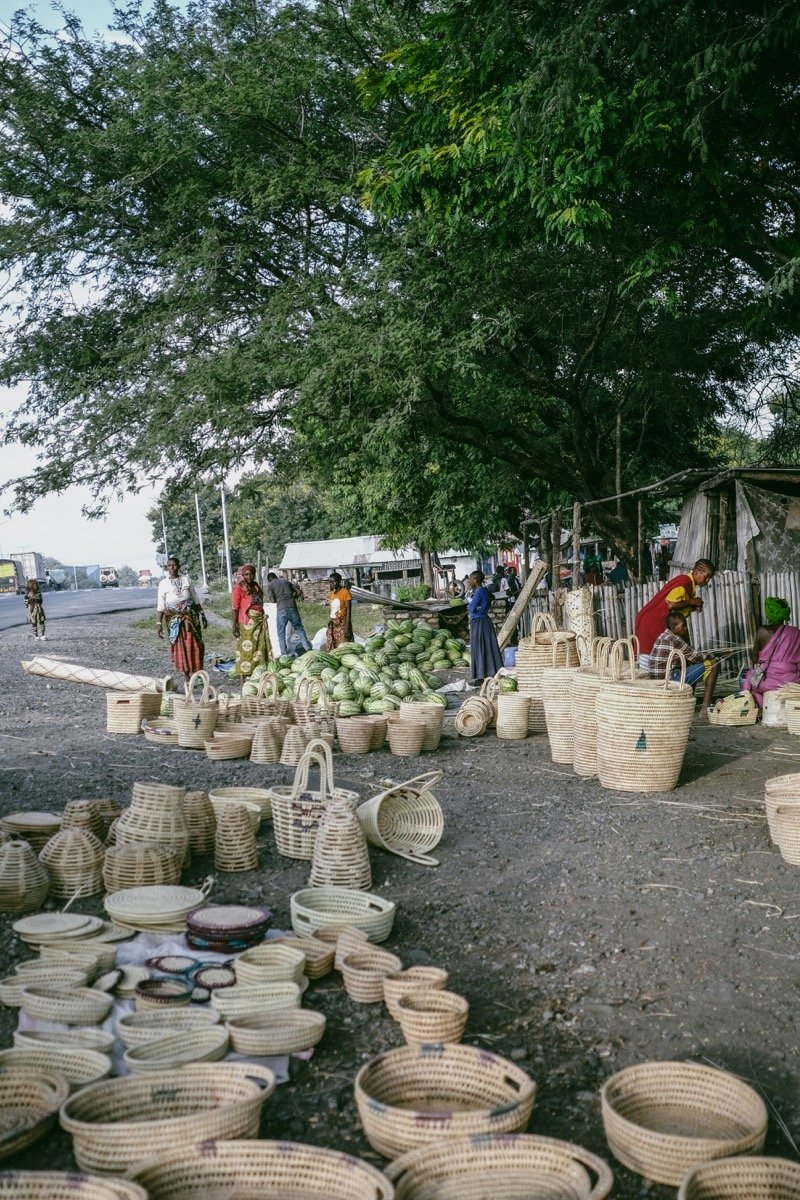
The central market on Market Street is a working food market rather than a tourist destination - produce stalls, live chickens, spice sellers, and basic household goods. The Maasai market (held on specific days - confirm locally, often Tuesday and Saturday) is held nearby and brings Maasai vendors from surrounding communities selling jewellery, beadwork, gourds, and fabric. Reasonable prices if you are willing to negotiate.
The coffee vendors around the market sell freshly ground Kilimanjaro arabica beans by the 100g - one of the better affordable souvenirs from the region.
TANAPA Headquarters and Arusha Coffee Lodge
Arusha Coffee Lodge, a short drive from town, occupies an actual working coffee plantation. The lodge itself is a pricey overnight option (from approximately USD 350 per night), but the plantation tour (approximately USD 25) is open to non-guests and covers the full process from cherry to cup. Kilimanjaro arabica grown at 1,400m develops more acidity and complexity than lower-altitude East African coffees - a useful comparison if you plan to visit the coffee-growing slopes around Moshi.
Shanga (Craft Workshop)
Shanga is a social enterprise workshop next to Arusha Coffee Lodge that employs people with physical disabilities to produce glass and metal jewellery from recycled materials. Visitors can walk the workshop floor and see glass blowing and bead-making in process before shopping at the attached store. Jewellery from approximately USD 5–30; all proceeds support the workers. Admission to the workshop is free; purchases are the revenue model.
Clock Tower and Town Centre Walk
The Arusha clock tower - at the junction of Boma Road and Goliondoi Road - is traditionally listed as the midpoint of the Cairo–Cape Town Great North Road. The plaque is worth looking for, and the surrounding block has several colonial-era buildings. A 30-minute walk through the town centre, taking in the market, the clock tower, India Street, and the bus stand area, gives a quick sense of the city’s scale and rhythm.
Safari Briefings and Gear
If you are starting a safari from Arusha, the day before departure is well spent doing a final kit check. The shops along India Street and Joel Maeda Street stock sleeping bag liners, base layers, camera straps, portable chargers, sunscreen, and medication. Prices are higher than at home, but the selection covers emergency needs. The safari operators’ offices - most clustered around Boma Road - usually brief you on what to bring and what to leave behind.
Getting Around Arusha
The town centre is walkable. For Arusha National Park or the Cultural Heritage Centre, use a taxi (TZS 15,000–30,000 each way from the centre) or arrange through your accommodation. Daladalas are cheap (TZS 500–1,000) but routes can be confusing for first-time visitors. Bodaboda (motorcycle taxis) are fast for short hops at TZS 2,000–5,000.
Useful Numbers and Timings
- Arusha National Park: open 06:00–18:00 daily
- Cultural Heritage Centre: open 08:30–18:00 daily
- Arusha Declaration Museum: open Monday–Saturday 09:00–16:00
- Shanga Workshop: open Monday–Saturday 08:30–17:30
For a single full day in Arusha before a safari: start at the Declaration Museum (45 minutes), drive to Arusha NP for a three-hour game drive, lunch at the Cultural Heritage Centre café, and finish with the Maasai market or Shanga. That covers the main stops without feeling rushed.
Book Arusha Tours on GetYourGuide
| Tour | Duration | From (per person) | Book |
|---|---|---|---|
| Arusha: Maasai Village Tour | 6.5 hours | from USD 67 | Book |
| Arusha: Maasai Market Guided Tour with Food Tastings | 3 hours | from approx. USD 55 | Book |
| Arusha: Walking Safari in Arusha National Park | Full day | from approx. USD 95 | Book |
| Arusha: Full-Day Maasai Cultural Expedition | Full day | from approx. USD 257 | Book |
Prices as of 2026. Browse all Arusha tours and activities to compare operators and read verified reviews. Before arriving, get an eSIM for Tanzania so you have mobile data for maps and transport apps from the moment you land at Kilimanjaro Airport.