Stone Town: Complete Guide to Zanzibar's Historic Heart
Stone Town, Zanzibar travel guide: UNESCO World Heritage Site with hotels, restaurants, attractions, and island day trips.
Guides for Stone Town
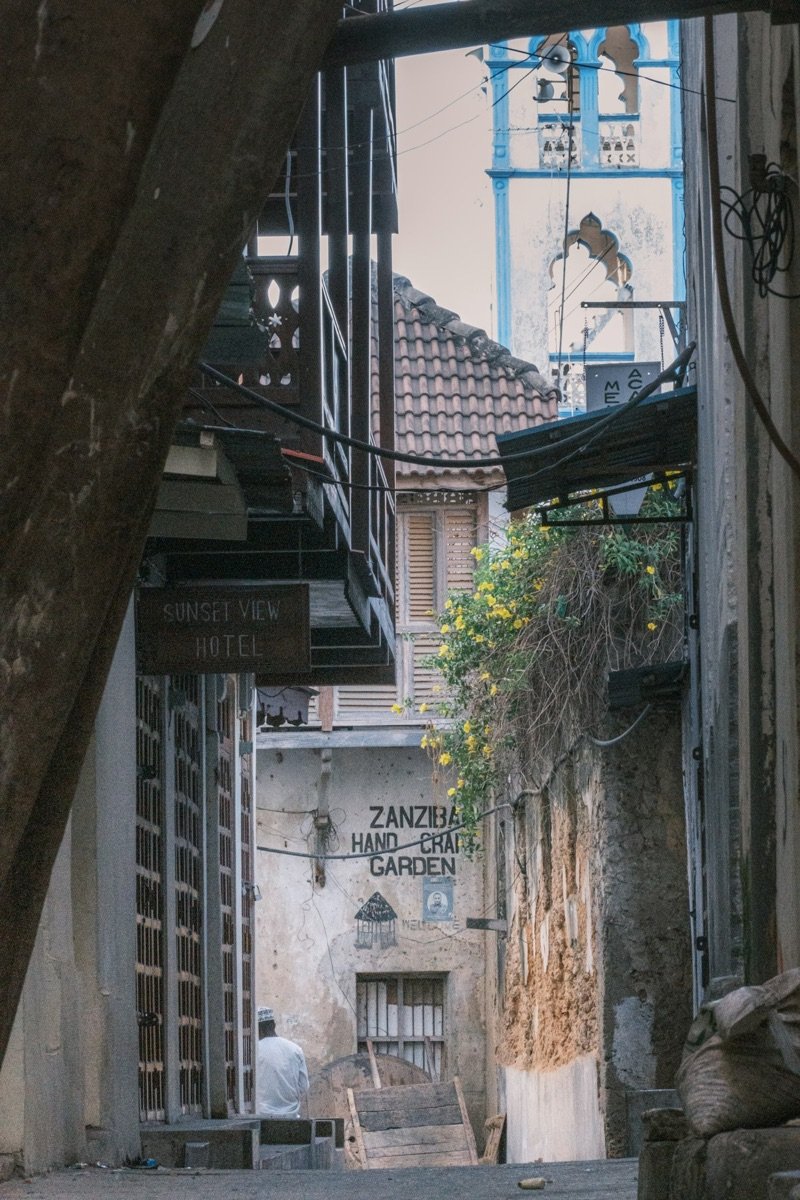
Stone Town is the ancient heart of Zanzibar City and one of the most atmospheric urban environments in the Indian Ocean world. A UNESCO World Heritage Site since 2000, its warren of narrow lanes, carved wooden doorways, mosques, Hindu temples, and colonial-era public buildings represents 1,000 years of Swahili, Arab, Persian, Indian, Portuguese, Omani, and British influence layered into a single dense urban fabric. The dhow harbour at the seafront connects this history directly to the present - traditional wooden vessels still work the ocean routes that made Zanzibar the trading hub of the western Indian Ocean for centuries.
Stone Town is technically a district of Zanzibar City, itself the capital of the Zanzibar Archipelago (which includes Unguja and Pemba). For visitors, it is the essential base for exploring the island - almost all ferries and flights arrive here, and the surrounding old city provides far more than a transit stop.
Getting to Stone Town
From Dar es Salaam by ferry: The most popular option. Azam Marine and Coastal Fast Ferries run multiple daily crossings from Kivukoni Terminal in Dar to Stone Town in approximately 90 minutes. First sailing approximately 07:00; last approximately 17:00. Economy USD 35–40, First Class USD 40–55 (as of 2026). Book at the terminal or through hotels - booking ahead is advisable for peak periods.
By air: Abeid Amani Karume International Airport (ZNZ) is 6km south of Stone Town (approximately 15 minutes by taxi, TZS 15,000–25,000). Daily flights from Dar es Salaam (20 minutes, from approximately USD 70–120), Nairobi, Mombasa, Addis Ababa, and Dubai. Several European charter routes operate in high season.
From Arusha: Fly direct Kilimanjaro–Zanzibar on Precision Air or connect via Dar es Salaam. Journey times 1–3 hours depending on routing.
Getting Around Stone Town
Stone Town’s historic core is navigable only on foot - most streets are too narrow for vehicles. This is part of its appeal. Navigation is genuinely confusing; allow yourself to get lost as a deliberate exploration strategy. Key landmarks for orientation: the Old Fort (Ngome Kongwe), House of Wonders (Beit el-Ajaib), and the Forodhani Gardens seafront are all clustered together and form a good starting point.
For journeys outside the old city (airport, beaches, other parts of the island), taxis congregate near the ferry terminal and main hotels. Dalla-dallas (shared minibuses) cover the island routes cheaply. Scooter and bicycle rental is available from shops on Creek Road for independent exploration.
What to Do in Stone Town
Old Fort (Ngome Kongwe) was built by Omani Arabs in the early 18th century on the site of a Portuguese chapel. The fort’s thick coral stone walls now contain an outdoor amphitheatre used for cultural performances, craft shops, and a café. Entry approximately USD 3–5. The fort hosts the Zanzibar International Film Festival each July.
House of Wonders (Beit el-Ajaib) - currently under restoration after partial roof collapse in 2020; check current access status. When open, it is Zanzibar’s most significant historic building - the first structure in East Africa with electricity and an elevator, built as the ceremonial palace of Sultan Barghash in 1883. The restoration project is ongoing.
Palace Museum (People’s Palace) on the seafront was the Sultan’s main residential palace. The museum contains royal furniture, photographs, and historical documents from the Sultanate era through the 1964 revolution. Entry approximately USD 3.
Slave Trade History Sites - Zanzibar was the main slave trading port of the western Indian Ocean. The Anglican Cathedral of Christ Church is built over the site of the last open slave market in East Africa, abolished by the British in 1873. The cathedral’s altar stands where the whipping post once stood. The underground slave holding chambers (next to the cathedral) are the most visceral reminder of this history. Entry approximately USD 5. A guided walking tour covering the slave trade sites provides essential historical context.
Forodhani Gardens - the seafront promenade at the water’s edge that fills each evening with food stalls selling Zanzibar pizza, grilled seafood, fresh sugarcane juice, and Zanzibari specialties. The best casual food experience in Stone Town, buzzing from sunset until late. Budget approximately TZS 5,000–20,000.
Hamamni Persian Baths - 19th-century public baths commissioned by Sultan Barghash. Now restored and open as a historic site. Entry TZS 2,000–5,000.
Spice Tours depart from Stone Town to Kizimbani and surrounding spice farms where nutmeg, cloves, cinnamon, vanilla, and other spices are grown. Half-day tours cost approximately USD 20–30 including transport and a typically theatrical presentation of the spices. Quality varies by operator; book through established Stone Town hotels.
Where to Stay
Budget (USD 30–70/night): Flamingo Guest House (Mkunazini area) offers simple rooms from approximately USD 35. Lost & Found Guest House, near the cathedral, has a social atmosphere and reliable budget rooms from approximately USD 40.
Mid-range (USD 80–200/night): Stone Town Inn (Kelele Square) provides solid mid-range accommodation in the heart of the old city from approximately USD 100. Tembo House Hotel on the seafront is a 19th-century house with Zanzibar-style furnishings and direct views over the Indian Ocean from approximately USD 120. Dhow Palace Hotel, in a restored palace on Shangani Street, has traditional carved furniture and atmospheric corridors from approximately USD 130.
Upmarket (USD 200–600+/night): Zanzibar Serena Hotel is the most distinguished address in Stone Town - a restored colonial trading house right on the waterfront with a pool, beautiful gardens, and exceptional service from approximately USD 280. Emerson Spice Hotel (Tharia Street) offers rooftop dining and individually designed rooms in a restored Arab townhouse from approximately USD 220.
Where to Eat
Emerson Spice Rooftop Restaurant - the most theatrical dining experience in Stone Town. Dinner on the rooftop with views over the minarets and the Indian Ocean, served on low cushioned seating. Reservations essential. Approximately USD 50–70 per person for a multi-course dinner.
The Rock Restaurant (technically outside Stone Town, on the east coast near Michanwi) - built on a coral rock that emerges from the sea at high tide. Worth the trip for the experience alone. Reserve well in advance.
Forodhani Gardens Night Market is the definitive Street food experience. Zanzibar pizza (flatbread stuffed with egg, meat or vegetables), lobster, prawns, octopus, and fresh sugarcane juice, all prepared in front of you. TZS 5,000–20,000 for a full spread.
Lukmaan Restaurant (Forodhani area) is the best-regarded local restaurant in Stone Town for traditional Swahili food - biryani, pilau, pilipili prawns, and octopus curry at local prices (TZS 8,000–20,000 mains). No frills, excellent food.
The Archipelago Restaurant (seafront) offers more polished Swahili and international cuisine with ocean views. Good for a special dinner at approximately TZS 35,000–65,000 per person.
Day Trips from Stone Town
Nungwi and Kendwa beaches - 56km north (approximately 1.5 hours by dalla-dalla or taxi). The best beaches on the island, with the strongest swimming conditions and the most developed beach resort strip. Nungwi’s dhow building village is worth seeing.
Jozani Forest - 35km south (approximately 1 hour). The last substantial indigenous forest on Zanzibar, home to the endemic Zanzibar red colobus monkey (found only on the island). Forest walks with a guide approximately USD 15–20 including entry.
Prison Island (Changuu Island) - 6km offshore from Stone Town (20 minutes by boat, approximately USD 15–25 return). A former quarantine station and failed slave holding facility, now home to a population of giant Aldabra tortoises, some over 100 years old. Boats depart from the seafront near the Old Fort.
Mnemba Atoll - 3km off the northeast coast. One of the finest snorkelling and diving sites in East Africa - pristine coral, dolphins, green turtles, and reef fish. Day trips from Stone Town cost approximately USD 70–120 per person including boat transfer and equipment.
For guided walking tours, spice trips, and day excursions from Stone Town, browse Stone Town tours and activities. For digital nomad travellers, see our Stone Town and Paje coworking guide. Our Zanzibar digital nomad guide covers connectivity, cost, and longer-term stays on the island.