Mount Meru is Tanzania’s second highest mountain — 4,566 metres, a steep volcanic cone that dominates the skyline above Arusha and serves for most international visitors as a backdrop rather than a destination. Kilimanjaro’s profile and fame tend to absorb all available trekking attention, leaving Meru relatively quiet. Which is, for day hikers, an advantage: the lower slopes through Arusha National Park offer exceptional wildlife encounters, lush montane forest, and genuine mountain atmosphere with none of the crowds and costs associated with a Kilimanjaro ascent.
The standard full Meru summit route takes 4 days and requires TANAPA park fees, ranger fees, guide fees, and hut accommodation totalling approximately USD 500 to USD 700 per person excluding food. A day hike to Miriakamba Hut (2,514 metres) costs a fraction of that, takes 6 to 8 hours return, and delivers most of the lower mountain’s highlights: colobus monkeys, buffalo, forest views, and the satisfaction of genuine altitude gain.
The Route: Momella Gate to Miriakamba Hut
The Momella Gate, reached 21 kilometres from Arusha along the Moshi Road, is the starting point for all Meru ascents. Day hikers report to the gate office, pay the park entry fee (approximately USD 45 per person as of 2026) and mandatory ranger fee (approximately USD 23.60 per person per day as of 2026 — verify current rates at tanzaniaparks.go.tz), and begin by 07:00 for a comfortable return before dark.
Gate to First Cave (2 km, approx 45 min): The trail begins across open grassland from the gate compound and enters montane forest within the first kilometre. Buffalo are commonly seen in this transition zone — the ranger will assess their position and route around them if necessary. The First Cave is a shallow rock overhang that serves as a rest point and wildlife observation area.
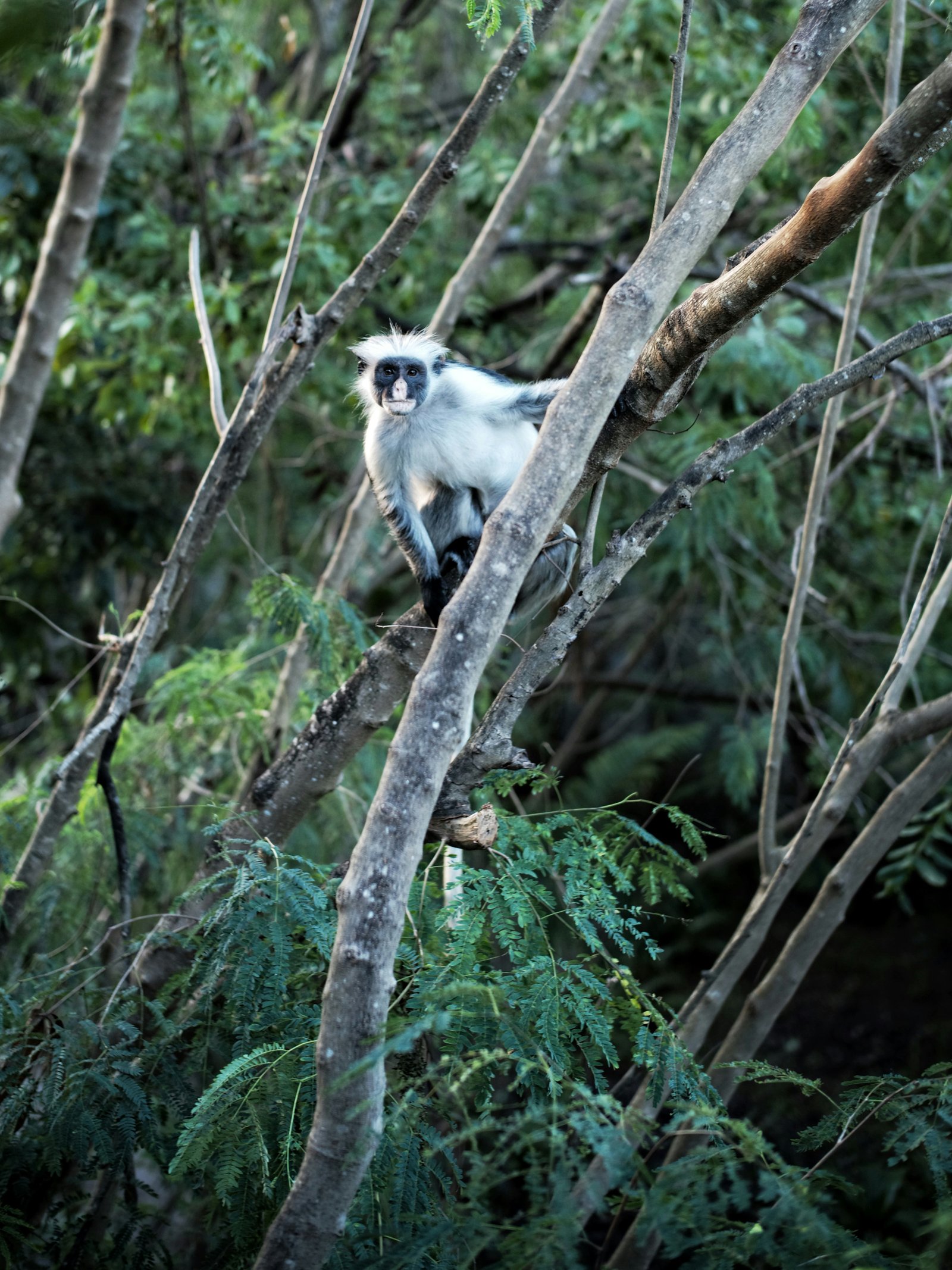
First Cave to Miriakamba Hut (7 km, approx 3 hours): The main ascent through forest. Black-and-white colobus monkeys are almost always present in this section, moving through the canopy in groups of 10 to 20 animals. Blue monkeys and olive baboons are equally common. The trail steepens as it approaches Miriakamba, gaining most of its 950-metre elevation gain in the upper half. Rocky steps and root networks require care in wet conditions.
Miriakamba Hut (2,514 m): The first overnight stop for summit trekkers, Miriakamba Hut is a TANAPA-operated facility with basic dormitory accommodation, flush toilets, and a dining area. Day hikers stop here for lunch with views of the mountain above and, on clear days, Kilimanjaro visible to the east. Lunch facilities are limited — bring your own food. Basic drinks (water, soda) are sometimes available at the hut but supply is irregular.
Return to Momella Gate (approx 2.5 hours): The descent follows the same trail in reverse. Knees feel the gradient on the lower sections — trekking poles help. The gate closes at 18:00; aim to descend by 15:30 to allow buffer time.
What You Will See: Wildlife Specifics
The stretch from the forest edge to Miriakamba is Arusha National Park’s richest wildlife zone. Specific sightings:
Black-and-white colobus: These are the park’s signature species. Groups of 15 to 30 animals move through the upper canopy in the forest zone between 1,600 and 2,200 metres. Their long white tails and distinctive calls make them easy to spot. Unlike the smaller blue monkey, colobus are strict leaf-eaters and use a specialised digestive system to process toxic leaves — this is why they can occupy forest zones where food seems scarce.
Buffalo: Herds of 20 to 100 animals move through the forest and adjacent open areas around the lower slopes. Buffalo are not aggressive unless surprised at close range; your ranger carries a rifle as a precaution. The protocol is to move slowly and quietly around them, allowing the herd to establish your presence before continuing.
Giraffe: Masai giraffe browse in the transition zone between forest and open grassland near the gate. Early morning sightings of giraffe at eye level — Momella Gate is at around 1,500 metres — are a distinctive experience.
Elephant and leopard: Both are present on Meru’s slopes but sightings on day hikes are rare. Elephant tend to use upper forest zones and night periods; leopard are nocturnal.
Park Fees and Practical Costs
Total mandatory costs for a day hike to Miriakamba (2026):
- Park entry fee: approximately USD 45 per adult
- Ranger fee: approximately USD 23.60 per day
- Guide (optional): approximately USD 20 to USD 30 if using a private guide in addition to ranger
From Arusha, operator day-trip packages typically bundle transport, park fees, and ranger into a total of approximately USD 120 to USD 160 per person. Self-drivers pay the gate fees directly. You can browse and book Arusha National Park and Mount Meru day hikes on GetYourGuide to compare operators and read recent trekker reviews.
Accommodation in Arusha for the night before: Arusha city has a full range of guesthouses from approximately USD 30 to USD 150 per night, mostly within 25 to 40 minutes of the park gate.
Connecting with a Meru Summit Trek
For trekkers with 4 to 5 days available, a Meru summit attempt before Kilimanjaro is one of Tanzania’s best acclimatisation strategies. Meru reaches 4,566 metres — high enough to provide genuine altitude training without Kilimanjaro’s 5,895-metre final push. The Meru summit route adds 2 days of ascent and 1 to 2 days of descent above Miriakamba, and includes the dramatic Crater Route traversing the rim. For details on full Meru trekking costs and route logistics, see the Mount Meru trekking guide.
Day hikers heading back to Arusha and then to Ngorongoro Crater or the Serengeti the following morning will find the Miriakamba day hike a satisfying wildlife and mountain experience that takes no more than a day off the main safari circuit.
Practical Tips
- Start by 07:00 to maximise cool hiking conditions and return well before the 18:00 gate close.
- Bring at least 2 litres of water per person — no reliable water source exists on the trail until Miriakamba.
- Trekking poles are useful for the rocky upper sections but not essential.
- Lightweight rain jacket: the forest generates its own weather and afternoon mist is common.
- Sunscreen: UV intensity is high at altitude even in overcast conditions.
- Tip your ranger directly at the end of the day — USD 5 to USD 10 is standard.