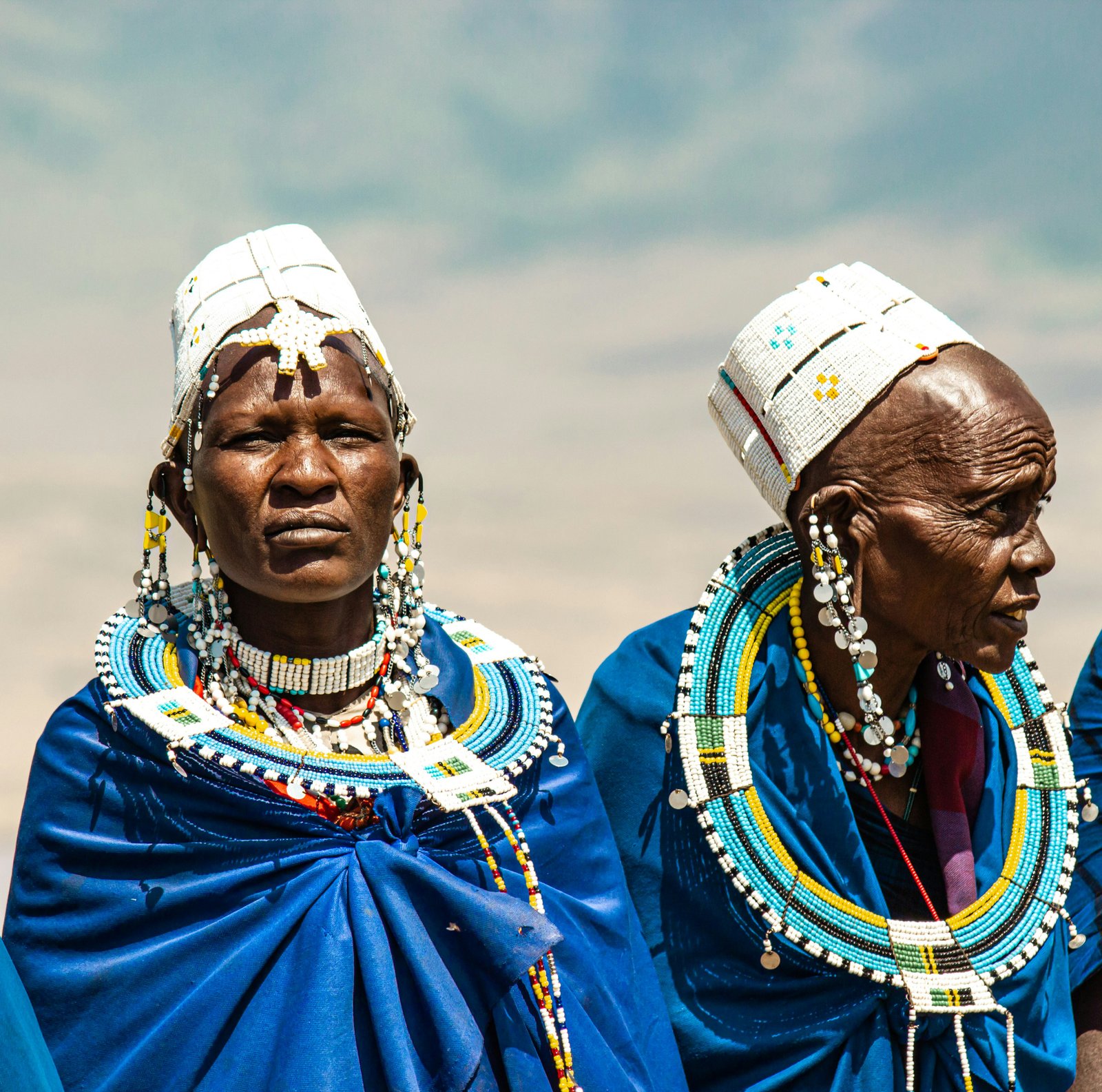
The Maasai are among the most recognisable people in East Africa — and one of the few large pastoral communities in Tanzania who continue a semi-nomadic lifestyle centred on cattle herding, warrior culture, and communal land management. A Maasai village visit, done well, is one of the more genuinely informative cultural activities available to Tanzania visitors: it explains how around one million people live as they have for centuries within and around some of the continent’s most famous wildlife areas.
The key qualifier is “done well.” There is a spectrum from rushed roadside performances for bus-tour groups to multi-day homestays with real community engagement. Understanding where your visit falls on that spectrum — and choosing accordingly — makes the difference between a forgettable photo opportunity and a meaningful experience.
Where to Find Maasai Village Experiences
Around Arusha: Cultural Tourism Programme Villages
The Cultural Tourism Programme (CTP), established in the 1990s with support from the Netherlands Development Organisation (SNV), created a network of community-run tourism programmes in villages within driving distance of Arusha. Revenue goes directly to village development funds — schools, water projects, healthcare. The three most visited CTP sites near Arusha are:
- Ng’iresi village (7 km from Arusha): half-day and full-day options including a walk to waterfalls, Maasai homestead visit, and traditional lunch. Approximately USD 30 to USD 50 per person depending on duration.
- Mkuru (30 km north of Arusha, Monduli district): camel trekking through Maasai land combined with a homestead visit. Half-day from approximately USD 55 per person.
- Mulala (35 km from Arusha): village walk, cheese-making with Iraqw community members, and overnight homestay options. Full-day from approximately USD 60 per person.
Most Arusha guesthouses and tour operators can arrange CTP visits. Tanzania Cultural Tourism can be reached through local operators including Africa Cultural Tourism and Arusha Naura Hotel concierge.
Ngorongoro Conservation Area
The Ngorongoro Conservation Area is also Maasai land — around 90,000 Maasai people live within the NCA boundary alongside the wildlife. Most safari operators include a brief Maasai village stop on the way to or from the Ngorongoro Crater, typically at a boma close to the main gate road. These visits run 45 to 60 minutes and are included within the day-trip programme. Village entrance donations of approximately USD 15 to USD 20 per person are common and go directly to the village.
A more immersive option is to stay at community-managed camps in the NCA — such as those near Endulen — and spend a morning with Maasai herders rather than just the standard cultural performance. Ask operators specifically for community-bedded options within the NCA if this is your preference.
Serengeti Buffer Zone
Several village communities in the Loliondo area, bordering the Serengeti’s northeast, have established tourism programmes. These are less developed than the Arusha CTP sites but offer more remote settings and smaller groups. Accessible as part of a Serengeti fly-camp itinerary; contact specialist operators such as Asilia Africa or Wild Frontiers for Loliondo community options.
What to Expect During a Visit
A typical community-managed Maasai village visit runs as follows:
Arrival and welcome: The village elder (usually a senior man) greets visitors and explains the structure of the enkang (the ring-shaped homestead of mud-and-dung huts surrounded by a thorn-bush fence). The fence keeps livestock in at night and predators out.
Adumu jumping dance: Young Maasai warriors (moran) perform the adumu, a competitive jumping dance in which individuals take turns to jump as high as possible while the group chants. This is a genuine cultural practice, not invented for tourism — the adumu is performed at rites of passage and communal celebrations.
Fire-lighting demonstration: A moran demonstrates the traditional method of starting fire by friction with two wooden sticks. The technique requires considerable skill; on most visits the fire is lit within two to three minutes, which is genuinely impressive to watch.
Homestead walk: A guide (usually a younger English-speaking village member) leads visitors through one of the small mud huts, explaining sleeping arrangements, cooking methods, and the role of cattle in Maasai culture. Cattle are not simply livestock but a form of currency, social status, and spiritual connection.
Craft market: Most village visits end at a small open-air market where women sell hand-beaded jewellery, gourds, and small carvings. Prices are set by the individual sellers; bargaining is acceptable but the amounts involved are small enough that it matters little to a visitor and much to the seller.
Booking and Practical Advice
Most visitors book through their tour operator or directly with the Cultural Tourism Programme offices in Arusha town (adjacent to the AICC building). For Ngorongoro and Serengeti visits, the village stop is usually included or easily added to an existing itinerary.
Standalone half-day cultural visits from Arusha city to Ng’iresi or Mulala cost approximately USD 65 to USD 90 per person including vehicle transfer and guide when booked through an operator. Maasai cultural experiences can also be found on GetYourGuide’s Arusha tours — useful for comparing programmes and reading first-hand accounts from recent visitors. Self-arranging directly with CTP offices is cheaper (USD 30 to USD 50 per person) but requires your own transport.
Photography: Always ask permission before photographing individuals. Many Maasai will agree — sometimes requesting a small tip — and others will decline. Group ceremony photographs are generally welcomed; close portrait shots of specific individuals require individual consent. Don’t use a zoom lens from a distance without asking — this is conspicuous and disrespectful.
Dress: Modest, casual clothes are appropriate. There is no requirement to dress in any particular way, but covering shoulders and knees is respectful in a community context.
What to bring: Small denomination USD bills or Tanzanian shillings for any craft purchases. The village fee is usually collected separately and in advance through your operator.
Combining with Safari
A Maasai village visit pairs naturally with Ngorongoro Crater — include it as a morning stop before the crater descent, or as an afternoon add-on after the game drive. From Arusha, a morning at Ng’iresi village followed by an afternoon Arusha National Park game drive makes a full and varied cultural-and-wildlife day that requires no long driving.
For travellers whose primary interest is wildlife, a Maasai visit works as a transition activity between parks — culturally engaging, relatively low-cost, and providing context for the pastoral landscape you’ve been driving through for days.
Book Maasai Village Experiences on GetYourGuide
The table below lists operator-reviewed Maasai cultural tours bookable through GetYourGuide, all departing from Arusha or Moshi.
| Tour | Duration | From (per person) | Book |
|---|---|---|---|
| Arusha: Maasai Village Tour | 6.5 hours | from USD 67 | Book |
| Arusha: Maasai Boma Cultural Experience | 7 hours | from USD 90 | Book |
| Moshi: Maasai Village & Chemka Hot Springs | Full day | from USD 100 | Book |
Prices as of 2026. All tours include guide fees; hotel pickup is included on most listings. The Chemka Hot Springs option adds a swimming stop at natural freshwater spring pools near Moshi — a popular way to round out a cultural day. Browse more Arusha cultural tours for the full range of operators and programmes.