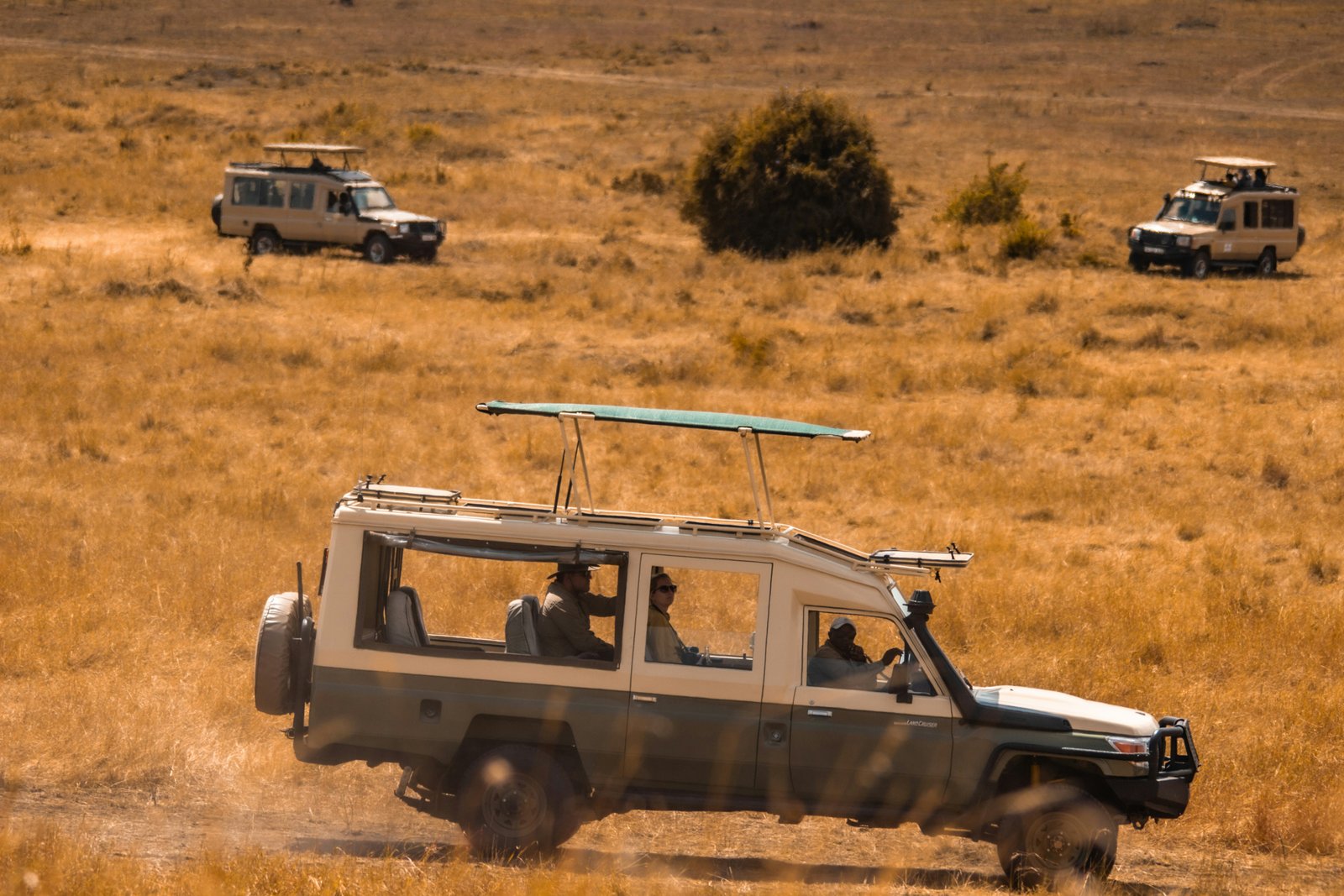
Three days sounds brief for a safari, but between the Serengeti and Ngorongoro - two of the world’s most concentrated wildlife areas - it is enough for life-changing game viewing. The key is to fly into the Serengeti on Day 1 rather than driving, which reclaims most of a day. This itinerary is designed for travellers connecting through Kilimanjaro Airport, adding a safari to a Zanzibar holiday, or simply short on leave.
Route Summary
Day 1: Arusha → Serengeti (by charter flight or road) → afternoon game drive
Day 2: Full day in the Serengeti
Day 3: Serengeti → Ngorongoro Crater (descent) → Arusha
Getting to the Serengeti
By charter flight (recommended for 3-day itineraries):
Coastal Aviation and Air Excel run scheduled charter services between Arusha Airport and Seronera Airstrip. Journey: approximately 45 minutes. Cost: approximately USD 150–220 per person one-way as of 2026. Book with your operator when arranging the safari - they coordinate with the charter airlines.
By road:
Arusha to Seronera by 4WD: approximately 5–6 hours (330 km). This is viable but means arriving in the Serengeti mid-afternoon and losing half a game-drive day. If driving, depart Arusha no later than 07:00.
Budget Options
| Tier | Approximate per-person cost (3 days) | What’s included |
|---|---|---|
| Budget | USD 500–700 | Shared 4WD, basic tented camps, group game drives |
| Mid-range | USD 900–1,400 | Private vehicle, lodge or en-suite tented camp |
| Luxury | USD 2,000–3,500+ | Fly-in, private camp, private guide |
Park fees (Serengeti approx. USD 70/person/day + Ngorongoro approx. USD 70 conservation fee + USD 295 crater vehicle fee) are typically included in all operator quotes. Always confirm.
Day 1: Arusha → Serengeti
If flying: Depart Arusha Airport at 09:00–10:00. Land at Seronera Airstrip by 10:30. Met by your guide at the airstrip; head directly into the park for a full afternoon game drive (lunch at a picnic site in the park). Arrive at camp by sunset.
If driving: Depart Arusha at 06:30 via the B144. Pass through the Ngorongoro gate (brief stop to pay fees) and continue to Naabi Hill Gate. Arrive Seronera approximately 12:30–13:00. Afternoon game drive only.
Search hotels in Arusha on Booking.com
Serengeti - What to Expect
The Serengeti National Park covers 14,763 sq km. In practical terms, the Seronera Valley (central Serengeti) is the best all-year area for game viewing:
- Big cats: The highest density of lions in Africa, plus cheetah and leopard
- Elephants: Year-round near Seronera River
- Wildebeest migration: Timing-dependent; June–July in the western corridor; August–October in the north near Kogatende; January–March calving on the southern plains
Where to stay - Day 1 night in the Serengeti:
- Budget: Seronera Campsite - public site with basic facilities; approx. USD 30 per person. Your operator provides tents and food
- Mid-range: Serengeti Sopa Lodge - centrally located, full board, en-suite rooms; from approx. USD 320 per person
- Luxury: Singita Grumeti - private reserve, exceptional wildlife density, all-inclusive; from approx. USD 1,500 per person
Day 2: Full Day in the Serengeti
The most important day on the safari. Depart camp at 06:00 for the full morning game drive - the golden hour after sunrise is when lions are most active and the light is best for photography. Return for a late breakfast at camp, then afternoon game drive from 15:30 to 18:30 (sunset).
If budget allows, add a hot air balloon flight over the Serengeti - booked in advance through Serengeti Balloon Safaris (approximately USD 600 per person). The balloon lifts off at 06:00, floats for 1–1.5 hours over the plains, and lands for a champagne bush breakfast. A rare experience and worth the premium for a short trip.
What a typical day-2 game drive might include:
- Seronera River: hippo pools and crocodile sightings year-round
- Kopje (granite outcrops): lions often rest on kopjes for the view and warmth
- Ndutu/Lobo (longer drives): wildebeest herds and cheetah on open plains
- Afternoon: leopard sightings are most common in late afternoon near the fig trees
Camp for night 2: Same as night 1, or move to a different camp on the return route toward Ngorongoro if your operator has arranged this.
Day 3: Serengeti → Ngorongoro Crater → Arusha
Early departure at 06:00. Drive from Seronera to the Ngorongoro rim (approximately 145 km, 3 hours via the B144 and Naabi Hill). Enter Ngorongoro Conservation Area; pay the crater vehicle fee (approx. USD 295 per vehicle as of 2026). Descend into the crater floor at 09:30–10:00.
Ngorongoro Crater - Three Hours on the Floor
Three hours on the crater floor is enough to circle the main wildlife areas. Priorities:
- Gorigor Swamp: flamingo concentrations and hippos
- Lerai Forest: elephant families and vervet monkeys
- Open plains: lion prides and the crater’s resident black rhino population (approximately 30 individuals; among the rarest sightings in Tanzania)
- Ngoitokitok Spring: hippo pool, afternoon lion activity
Picnic lunch at the crater floor picnic site. Ascend at 13:00–14:00.
Drive from the rim to Arusha (approximately 3 hours; 180 km). Arrive Arusha approximately 17:00–18:00. Transfer to Kilimanjaro Airport for evening international departures, or stay in Arusha overnight before flying the next morning.
Ngorongoro - Key Facts
- Crater diameter: 19 km; floor area 260 sq km
- Conservation fee: approximately USD 70 per person per day as of 2026
- Crater vehicle fee: approximately USD 295 per vehicle per day
- Opening hours for crater descent: 06:00–16:00 (must exit by 18:00)
- Black rhino sightings: not guaranteed but likely; the conservancy holds the largest black rhino population in East Africa
Booking a 3-Day Safari in Arusha
Recommended operators for short safaris:
- Zara Tanzania Adventures - established operator with good short-trip packages
- Roy Safaris - well-reviewed mid-range and private options
- Sunny Safaris - budget-friendly group tours; consistent reviews
Book at least 4–6 weeks in advance for June–October peak season. Booking last-minute in Arusha on the street is possible but accommodation options in the Serengeti are limited by vehicle permits.
Browse Serengeti and Ngorongoro tour packages or Arusha-based tours to compare short-safari operators online. For travel insurance that covers this itinerary - including charter flight cover and medical evacuation - travel insurance for Tanzania is available before departure.
What to pack for 3 days:
- Neutral-coloured clothing (khaki, green, tan - avoid blue and black, which attract tsetse flies)
- Warm layer (Ngorongoro rim is cold in the morning)
- Sun protection and insect repellent
- Binoculars (essential for spotting big cats at distance)
- Camera or phone with a decent zoom
Transport on Day 3
| Leg | Distance | Time | Mode |
|---|---|---|---|
| Seronera → Ngorongoro Gate | 145 km | 3 hrs | Safari vehicle |
| Crater descent + game drive | - | 3–4 hrs | Safari vehicle on crater floor |
| Ngorongoro Gate → Arusha | 180 km | 3 hrs | Safari vehicle |
| Arusha → JRO Airport | 45 km | 45 min | Taxi |
Book Your Trip
- Flights - Find the best fares to Tanzania
- Travel Insurance - Get covered before you go
- eSIM - Stay connected from landing
- Airport Transfers - Pre-book your transfer from Kilimanjaro or Dar es Salaam
- Car Rental - Compare prices across providers
- Tours & Activities - Browse Tanzania tours on GetYourGuide