Three weeks gives you enough time to go deep into Tanzania without the frantic pace of a 10-day trip. This 21-day backpacker itinerary covers the northern safari circuit, a Kilimanjaro trek, Zanzibar beaches, and a swing through Dar es Salaam and Mikumi National Park - the park you can reach by public bus. Budget lodges, local transport, and group safaris keep costs manageable.
Route Overview
Days 1–2: Arusha (orientation, sort safari)
Days 3–6: Northern circuit safari (Tarangire, Ngorongoro, Serengeti) - group tour
Day 7: Return to Arusha / Moshi
Days 8–13: Mount Kilimanjaro (6-day Marangu or 7-day Machame)
Day 14: Moshi recovery
Day 15: Moshi → Dar es Salaam (bus or flight)
Days 15–16: Dar es Salaam
Days 17–20: Zanzibar
Day 21: Depart from Zanzibar or Dar
Alternatively swap Kilimanjaro and Zanzibar if you want to climb fresh. See note below.
Realistic Budget Breakdown
| Category | Estimated total (21 days) |
|---|---|
| Flights (in-country) | USD 100–250 |
| Safari package (4 days, group) | USD 700–900 |
| Kilimanjaro (Marangu, 6 days, group) | USD 1,200–1,500 |
| Zanzibar accommodation (4 nights) | USD 120–200 |
| Dar es Salaam accommodation (2 nights) | USD 40–60 |
| Arusha / Moshi accommodation (5 nights) | USD 80–150 |
| Food (21 days, mostly local) | USD 200–350 |
| Local transport | USD 60–100 |
| Park fees (Mikumi day trip) | USD 35–45 |
| Miscellaneous / tips | USD 100–150 |
| Total estimate | USD 2,600–3,700 |
Days 1–2: Arusha - Base Camp for the North
Arusha is where nearly every northern Tanzania safari begins. It has a functioning backpacker infrastructure: several hostels, cheap local restaurants (try a plate of ugali and beans for approx. USD 1.50 at a local diner), and a concentration of safari operators.
Budget accommodation in Arusha:
- Arusha Backpackers Hotel: dorms from approx. USD 12, private rooms from USD 25
- Masa Hostels: clean, popular, from approx. USD 15 per night
- The Outpost Lodge: garden setting, from approx. USD 30 for a private room
Spend Day 1 settling in and Day 2 visiting the clock tower market, checking out the Tanzania Cultural Heritage Centre (free entry), and finalising your safari booking.
How to find a budget safari in Arusha: Walk the tour operator strip on Sokoine Road or Joel Maeda Street. Get at least three quotes. Ask specifically: what vehicle, how many in the group, which parks, what accommodation, are park fees included? Sunny Safaris and Snow Cap Tanzania have consistent backpacker-friendly reviews. Expect to pay USD 150–200 per person per day for a shared 4WD safari including accommodation and game drives.
Days 3–6: Northern Circuit Group Safari
A 4-day group safari covering Tarangire, Ngorongoro, and the Serengeti (with one night in the Serengeti). This is the minimum viable northern circuit.
Budget safari accommodation:
- Tarangire: public campsite outside gate (approx. USD 20 per person)
- Ngorongoro: Simba Campsite on the rim (approx. USD 30 per person)
- Serengeti: Seronera Public Campsite (approx. USD 30 per person); operators bring tents and food
Park fees are unavoidable and typically included in group safari packages. Always confirm in writing.
Wildlife highlights to expect:
- Tarangire: elephant herds, baobab landscapes, dry-season bird concentrations
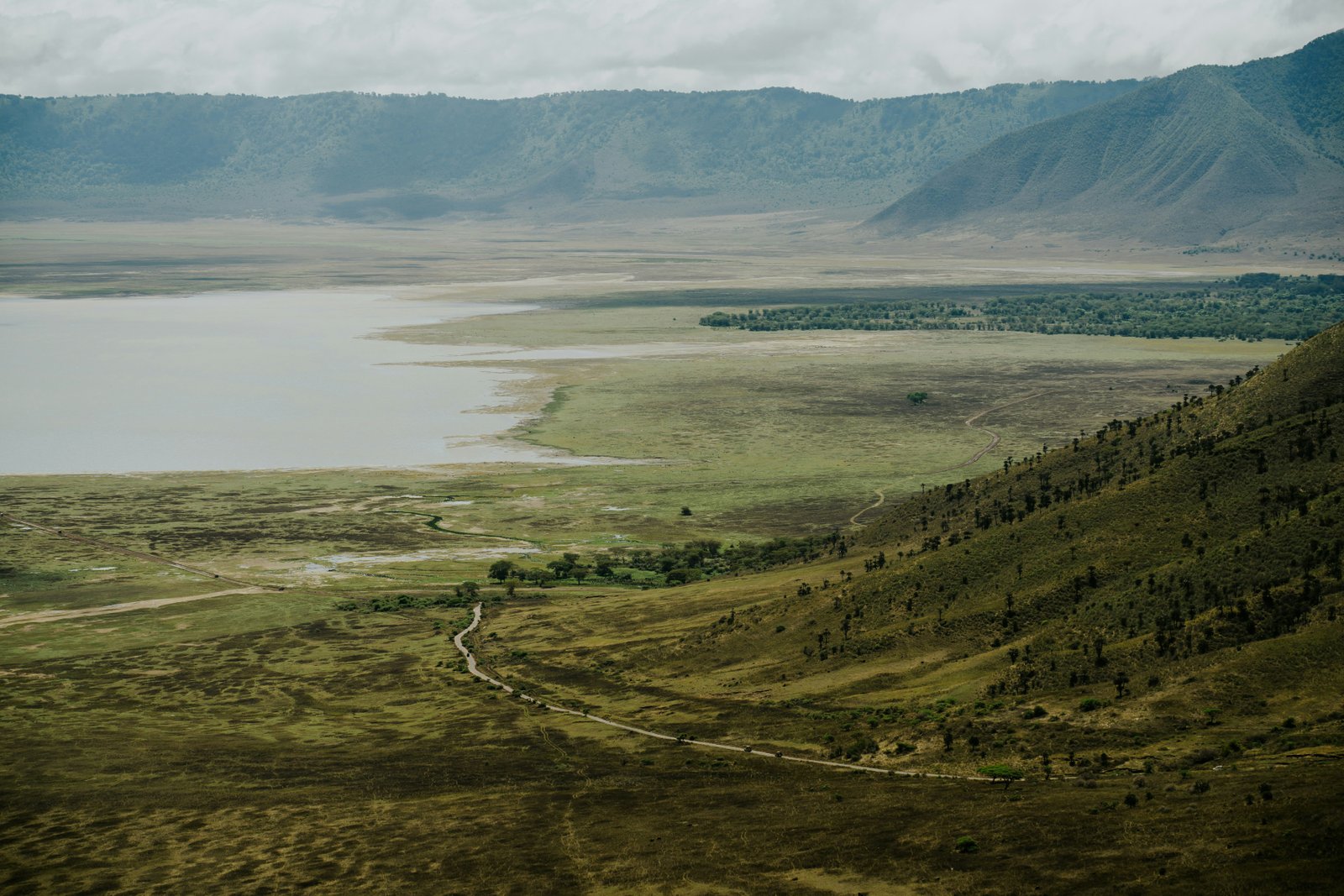
- Ngorongoro: big five including black rhino (one of the best places on Earth to see rhino)
- Serengeti: lions, cheetah, wildebeest migration (timing-dependent - see migration calendar)
Day 7: Serengeti → Moshi
Return to Arusha by road (5 hours) then connect to Moshi by dala-dala (local minibus, approx. 2 hours, USD 1.50–3). Alternatively, shared taxi Arusha → Moshi costs approximately USD 5–8 and takes 1.5 hours.
Rest in Moshi, finalise Kilimanjaro logistics, rent any gear you need.
Budget accommodation in Moshi:
- Kindoroko Hotel: from approx. USD 30 per night, good value, mountain views
- Ameg Lodge: popular backpacker lodge, from approx. USD 50 per night including breakfast
- Kilimanjaro Backpackers: dorms from approx. USD 15
Days 8–13: Mount Kilimanjaro (Marangu Route)
The Marangu route includes hut accommodation, which eliminates tent weight. The 6-day version includes an acclimatisation day at Horombo Huts (3,720 m) - do not book the 5-day version; the extra acclimatisation day materially improves summit success rates.
Budget trek cost:
- Group climb on Marangu (6 days): approx. USD 1,200–1,500 per person all-inclusive
- This includes park fees (approx. USD 800+), guide, porters, hut fees, and meals
- Rent sleeping bag and poles in Moshi if you don’t have them: approx. USD 5–10 per day
What the route looks like:
Day 1: Marangu Gate (1,830 m) → Mandara Huts (2,720 m)
Day 2: Mandara → Horombo Huts (3,720 m)
Day 3: Acclimatisation at Horombo; day hike to Zebra Rocks
Day 4: Horombo → Kibo Huts (4,720 m)
Day 5: Midnight start → Uhuru Peak (5,895 m) → descend to Horombo
Day 6: Horombo → Marangu Gate; certificate and debrief
The midnight summit push is the hardest night of most people’s lives at altitude - cold (−10 to −20°C), dark, and slow. Proper thermal layers, gloves, and a balaclava are essential.
Day 14: Moshi Recovery
Rest in Moshi. Get a massage, eat well (try the Indoitaliano restaurant or Kilimanjaro Classic Hotel’s terrace for a budget blowout: approx. USD 10–15 per meal). Sort laundry.
Search hotels in Arusha on Booking.com
Day 15: Moshi → Dar es Salaam
Option A (budget): Kilimanjaro Express or Dar Express bus from Moshi to Dar. Journey: approx. 8–9 hours. Cost: approx. USD 12–18. Depart 07:00, arrive mid-afternoon.
Option B (faster): Fly Kilimanjaro (JRO) → Dar (DAR) with Precision Air or Flightlink. Journey: 1 hour. Cost: approx. USD 80–120. Better value of time after a Kilimanjaro climb.
Dar es Salaam is Tanzania’s largest city and its commercial capital. It’s less visited than Zanzibar but worth 1–2 nights.
Days 15–16: Dar es Salaam
- Kariakoo Market: Dar’s largest market; spices, fabrics, street food (USD 1–3 a meal)
- National Museum: entry approx. USD 5; covers Tanzanian history including the Zinj skull
- Coco Beach: urban beach popular with locals; watch the sunset from a beachside bar
- Mikumi day trip: Mikumi National Park is 3–4 hours by bus from Dar (USD 5–8 each way on Scandinavian Express bus). Entry fee: approx. USD 35 per person as of 2026. A freelance driver-guide in Mikumi costs approx. USD 60–80 for a half-day. Good for elephant, giraffe, buffalo, and zebra.
Budget accommodation in Dar:
- Holiday Inn Express Dar es Salaam City Centre: from approx. USD 80 per night (clean, central)
- Jambo Inn: from approx. USD 25 per night (backpacker standard)
- Luther House Hostel: from approx. USD 18 per night (church-run, safe, quiet)
Days 17–20: Zanzibar
Ferry from Dar to Zanzibar Stone Town: Azam Marine operates fast ferries (1.5 hours, approx. USD 35–40 one-way as of 2026). Slow ferries are cheaper but not recommended for luggage-heavy travellers.
Four days on the island covers the essentials:
- Stone Town: old Arab quarter, spice market, Freddie Mercury museum (entry free; he was born here), Forodhani Night Market
- Beach: Nungwi (north) or Paje (east). Dala-dala from Stone Town: approx. USD 1.50–3
- Snorkelling: Mnemba Atoll day trip from Nungwi: approx. USD 30–45 per person with gear
- Prison Island (Changuu Island): ferry day trip, approx. USD 25 including entry and boat
Budget accommodation in Zanzibar:
- Stone Town: Emerson Spice guestrooms from approx. USD 80; Zenji Hotel from approx. USD 40
- Nungwi: Smiles Beach Hotel from approx. USD 50; Nungwi Village Beach Resort from approx. USD 80
- Paje: Kinazi Upepo from approx. USD 35; Hakuna Majiwe from approx. USD 70
Day 21: Departure
Fly from Zanzibar (ZNZ) direct or connect via Dar es Salaam. Emirates, Qatar Airways, Kenya Airways, and Turkish Airlines are the most common long-haul options from Zanzibar (direct or single-stop). Compare flights to Tanzania to find connections into Kilimanjaro or Dar es Salaam.
Before departure, consider sorting an eSIM for Tanzania - it provides data across Arusha, Moshi, Dar es Salaam, and Zanzibar without hunting for a local SIM card on arrival. For the Kilimanjaro climb and safari legs, travel insurance for Tanzania with mountain rescue and medical evacuation cover is non-negotiable on this itinerary.
Backpacker Transport Summary
| Leg | Mode | Cost |
|---|---|---|
| Arusha → Moshi | Shared taxi / dala-dala | USD 5–8 |
| Moshi → Dar (bus) | Kilimanjaro Express | USD 12–18 |
| Moshi → Dar (flight) | Precision Air | USD 80–120 |
| Dar → Zanzibar (ferry) | Azam Marine | USD 35–40 |
| Dar → Zanzibar (flight) | Coastal / Flightlink | USD 40–60 |
| Stone Town → Nungwi | Dala-dala | USD 1.50–3 |
Book Your Trip
- Flights - Find the best fares to Tanzania
- Travel Insurance - Get covered before you go
- eSIM - Stay connected from landing
- Airport Transfers - Pre-book your transfer from Kilimanjaro or Dar es Salaam
- Car Rental - Compare prices across providers
- Tours & Activities - Browse Tanzania tours on GetYourGuide