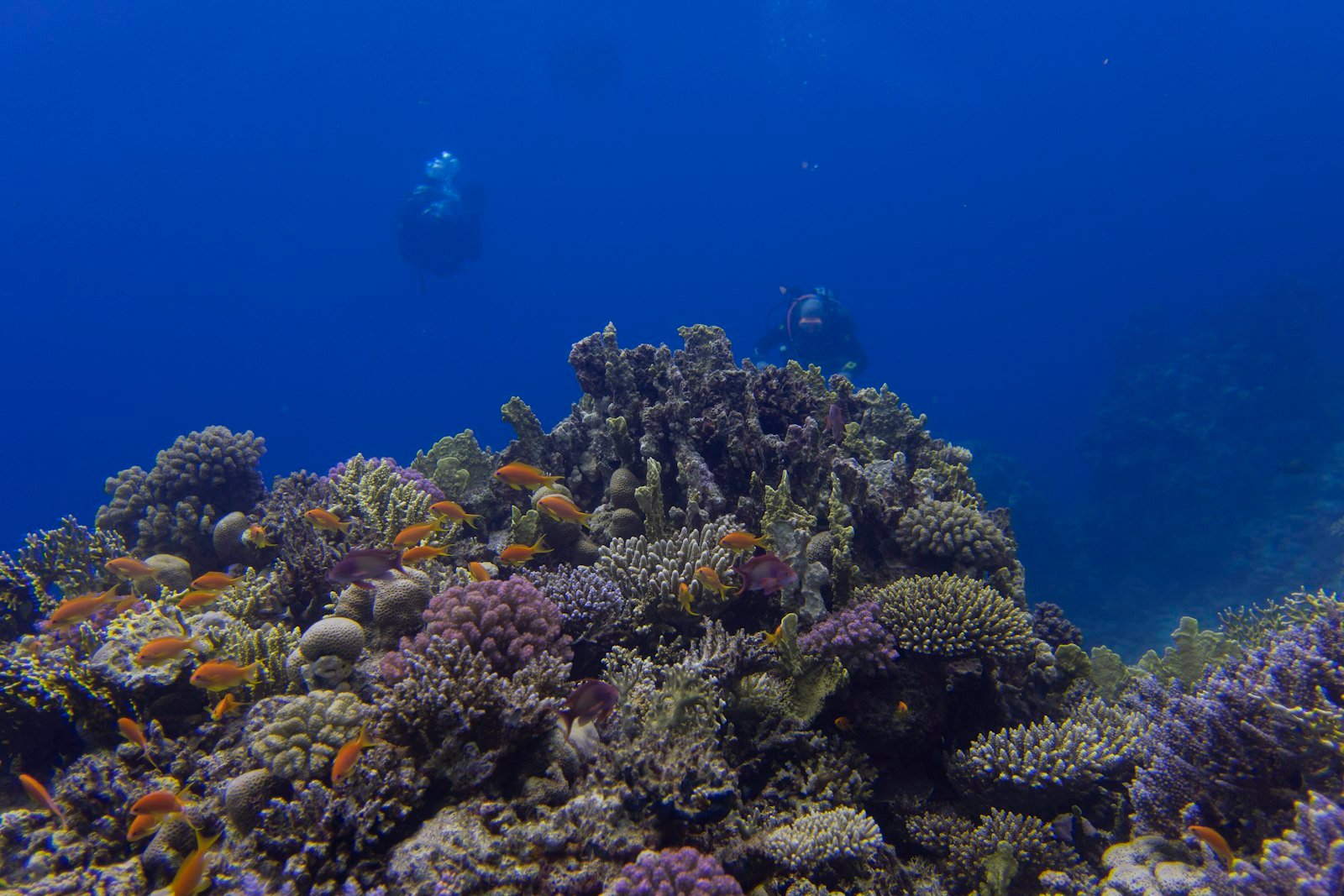
Pemba Island sits 80 km north of Zanzibar in the Indian Ocean, surrounded by a deep channel and a coral reef system that most travelling divers have never heard of. That anonymity is the point. Where Zanzibar’s Mnemba Atoll sees 40+ divers on busy mornings, Misali Island routinely hosts fewer than a dozen. The reefs are in better condition and the large pelagic encounters - sharks, rays, and grouper - are more frequent.
This is a destination for divers who’ve done Mnemba and want something harder to reach and more rewarding.
Misali Island
Misali is a small uninhabited island 15 km west of Pemba town, surrounded by a protected marine conservation area designated under the Pemba Channel Conservation Area (PECCA). The reef begins at 3 metres in the lagoon and drops to 40+ metres on the outer wall. It is the centrepiece of any dive trip to Pemba.
Entry fees: The Misali Island Marine Conservation Area charges approximately USD 10 per person per dive (as of 2026), collected by your dive operator.
Best dive sites at Misali:
- The Cathedral: The signature Misali site. A cavern formation at 18–28 metres with shafts of light streaming through cracks. Lionfish, moray eels, and large grouper use it as shelter. For experienced divers.
- Misali Wall: The outer northwest wall from 12 to 40+ metres. Big grouper, barracuda, and occasional hammerhead sharks have been recorded in the current. Advanced divers.
- Snorkel Patch (Inner Lagoon): The lagoon’s seagrass beds at 3–8 metres. Green turtles feed here consistently. Excellent snorkelling without a boat - wade in from the beach at low tide.
- Coral Gardens: East face, 8–18 metres. Healthiest hard coral coverage on the island. Good light in the morning. Suitable for all certification levels.
Njao Gap
Njao Gap is a narrow channel on the northeast coast of Pemba where the reef edge drops into the deep water of the Pemba Channel. Current runs through the gap on both tides, which makes it technical but highly productive for large marine life.
Depths run from 15 to beyond 40 metres at the channel edge. Regular sightings include eagle rays, grey reef sharks, schooling barracuda, and large Napoleon wrasse. Visibility is typically 20–30 metres when conditions are right. Drift diving experience recommended - this is not a site to enter on a slack tide expecting to hold position.
Best conditions: June–August, morning dives on an incoming tide.
Shimba Hills Reef
Located on the southeast coast near the Shimba Hills fishing village, this site offers a shallower alternative (6–20 metres) with dense soft coral coverage and exceptional macro life. Nudibranch species, ghost pipefish, and octopus are the draws. It is easier than Njao Gap and a reliable choice when Channel swell makes western sites inaccessible.
Other Noteworthy Sites
Fundu Lagoon House Reef: Accessible directly from Fundu Lagoon resort on the northwest coast. The house reef drops from the beach at 5 metres to 22 metres and hosts a resident turtle and a large moray eel at a known cleaning station. Non-guests can dive here if accompanied by Fundu’s dive centre.
Search hotels in Pemba Island on Booking.com
Ras Kiuyu: A headland on the northeast coast with a steep wall to 30+ metres and consistent current. Less visited than Misali. Tuna, kingfish, and occasional whale shark October–March.
The Pinnacles (south coast): Two submerged pinnacles rising from 35 to 15 metres. Covered in black coral and sea fans. Barracuda and snapper school around them during June–October.
Dive Operators
Swahili Divers (Pemba Island): The longest-established dive operation on the island, based at Manta Resort. Two-tank dive from approximately USD 120 per person including equipment. PADI Open Water course from approximately USD 480. Day trips to Misali from approximately USD 150 including park fees and lunch. They run a maximum group size of 4–6 divers per guide.
Fundu Lagoon Dive Centre: Resort-based operation with a strong conservation focus. Guest-priority booking but open to non-guests when space permits. Two-tank dive from approximately USD 130. PADI courses available. Nitrox for certified diver from approximately USD 15 per tank.
Pemba Afloat (Chake Chake): A smaller operation suited to budget travellers staying in town. Based in Chake Chake bay. Day trips to Misali from approximately USD 95–110 per person. Equipment hire additional approximately USD 15. Fewer daily boats but significantly cheaper.
Snorkelling Options
Non-divers are well served at Misali’s inner lagoon and Shimba Hills reef. Most operators offer snorkel-only day trips to Misali from approximately USD 40–55 per person, including snorkel equipment, park fees, and a beach lunch on the island. Turtle sightings at the inner lagoon are extremely reliable - green turtles are present year-round.
Independent snorkelling is possible at beaches near any lodge on Pemba’s west coast at low tide, when the reef edge is reachable. Ask your lodge staff which beaches have the most accessible reef.
Costs Summary (as of 2026)
| Activity | Approximate Cost |
|---|---|
| Two-tank dive (equipment included) | USD 120–130 per person |
| Misali day trip (snorkel only, park fee, lunch) | USD 40–55 per person |
| PADI Discover Scuba (no certification) | USD 80–95 |
| PADI Open Water certification | USD 450–500 |
| Nitrox per tank (certified divers) | USD 12–15 |
| Misali Marine Conservation Area fee | USD 10 per person per dive |
Visibility and Seasons
Best diving season: June–October. Visibility consistently 20–35 metres. Seas calm. Ideal for deeper wall dives and Njao Gap.
Whale shark season: October–March. Peak January–February when plankton blooms in the Pemba Channel draw them to the surface. Most operators run dedicated whale shark search trips from approximately USD 80 per person.
Manta rays: Possible year-round at the deeper channel sites, most reliably October–January.
Avoid: April and May. Long rains create poor visibility (10–15 metres) and swell closes western sites. Many operators reduce their schedule or cease operations.
Water temperature stays above 24°C at all depths throughout the year. A 3mm wetsuit is sufficient. Bring your own dive computer if you have one - rental computers vary in quality.
Browse Pemba and Tanzania diving tours to compare operators and check availability. Tanzania travel insurance should explicitly include scuba diving - check the depth limit on your policy before booking technical sites.